
Sauces & Condiments
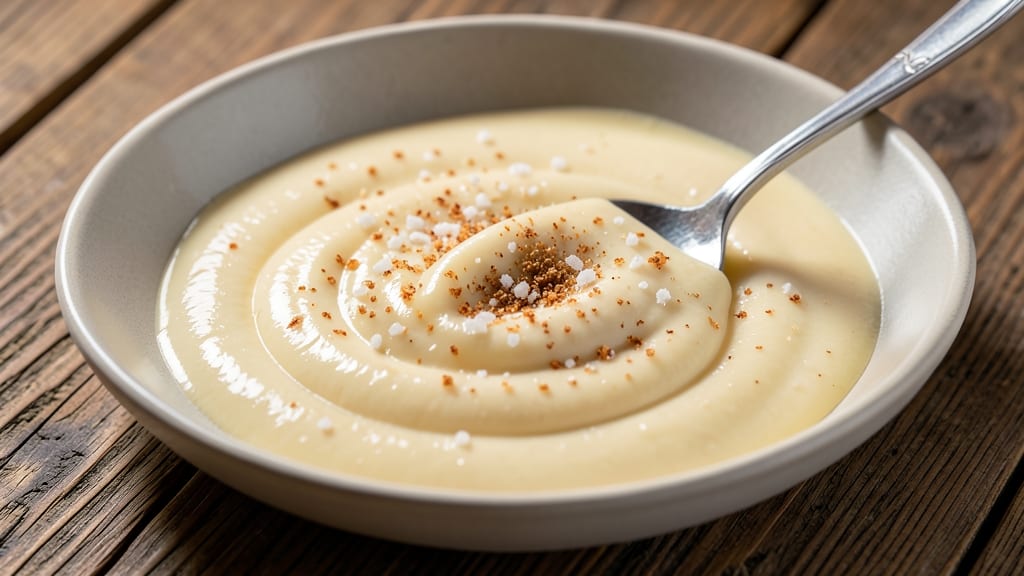
The bechamel sauce recipe ratio is the secret weapon behind countless classic dishes—from creamy lasagna to decadent croque monsieur. This velvety white sauce relies on precise proportions of butter, flour, and milk to create a silky texture that forms the foundation of French cuisine.
I've perfected this ratio over years of practice, ensuring every batch delivers that perfect balance of richness and smoothness.
The magic happens in the roux—the cooked butter and flour mixture—that forms the base. Using equal parts butter and flour by weight creates a stable foundation, while gradually whisking in warm milk prevents lumps.
A pinch of nutmeg and white pepper adds depth, while salt adjusts to taste. The key is patience: cooking the roux just until golden ensures a flavorful sauce without any raw flour taste.
What makes this sauce extraordinary is its versatility. Use it as-is for creamy soups or add cheese for mac and cheese, or layer it in gratins and soufflés. The sauce thickens as it cools, so adjust milk gradually to achieve the perfect consistency.
Once mastered, this technique transforms simple ingredients into something truly special.
This recipe delivers restaurant-quality results with minimal effort, making it perfect for home cooks ready to elevate their cooking. The precise ratios ensure success every time, while the smooth texture makes it ideal for both beginners and experienced chefs. Let's get started on creating this foundational sauce!
Ingredients for bechamel sauce recipe ratio
Seven simple ingredients transform into the creamiest bechamel sauce—perfect for lasagna or mac and cheese.
| Ingredient | Amount | Notes |
|---|---|---|
| Unsalted Butter 🧈 | ½ cup | Cold, cubed for even cooking |
| All-Purpose Flour 🌾 | ½ cup | Sifted for smooth sauce |
| Whole Milk 🥛 | 2 cups | Warm for best incorporation |
| Ground Nutmeg 🌿 | ¼ tsp | Freshly grated preferred |
| White Pepper 🌶️ | ¼ tsp | Freshly ground for brightness |
| Diamond Crystal Kosher Salt 🧂 | ½ tsp | Adjust to taste |
| Heavy Cream 🥛 | ½ cup | Optional for extra richness |
The butter and flour ratio is everything here. Use European-style butter like Plugrá or President for richer flavor. The flour? King Arthur all-purpose is my go-to—it blends smoothly without lumps. For the milk, warm it slightly (about 100°F) so it incorporates better into the roux. I always grab organic whole milk from the store—it makes a noticeable difference in creaminess. The nutmeg? Freshly grated from a whole nutmeg if you've got one, but pre-ground works in a pinch. Just don't skip it—it's what makes this sauce taste professional.
No unsalted butter? Salted butter minus 1/4 tsp salt works, but taste as you go. Running short on milk? Half-and-half or light cream gives similar richness. The heavy cream is optional but worth it if you're making a particularly decadent dish like croque monsieur. For the flour, if you're out of all-purpose, bread flour works too—just add a pinch more salt. The key is patience: cook the roux until it's golden but not browned. That's when all the magic happens.
This sauce tastes even better the next day—honestly, it thickens perfectly overnight. Store it in an airtight container in the fridge for up to 5 days. To reheat, warm gently on the stove with a splash of milk to loosen it up. Freezes beautifully for 3 months—just thaw in the fridge overnight. I always make extra because it disappears fast—great for soups, casseroles, or even as a creamy pasta sauce.
Why You'll Love This Recipe
- Four-Ingredient Magic: That’s literally it—just butter, flour, milk, and a pinch of nutmeg. No chopping, no peeling, no hunting for obscure spices. I’ve made this sauce while talking on the phone, waiting for the oven timer, even mid-laugh during a movie. It’s the kind of recipe that lets you focus on the people in the room, not the stove.
- Velvet Smoothness: The moment that rich, golden roux hits the warm milk? Pure satisfaction. It’s creamy without being heavy, nutty from the butter, and that whisper of nutmeg—just enough to make it feel special, not overpowering. Honestly, I’ve caught myself tasting it straight from the pot (shhh, don’t tell).
- Endless Upgrades: Slather it on pasta, bake it into lasagna, or pour it over grilled fish. It’s the unsung hero of casseroles, the secret weapon for turning plain roasted veggies into something luxurious. Between us, I’ve even used it as a fancy dip for breadsticks—no one guessed it was just a ratio of butter, flour, and milk.
- Make-Ahead Money-Saver: This sauce keeps like a dream in the fridge for days, and it freezes beautifully. I make a big batch on Sundays, then portion it out for the week—no last-minute scrambling, no takeout temptations. Plus, whole milk and butter are cheaper than most takeout meals, so it’s a win for my wallet and my waistline.
Step-by-step instructions for velvety white sauce
This foolproof method delivers restaurant-quality bechamel every time—smooth, rich, and perfectly balanced.
Melt Butter Over Medium Heat
Place a heavy-bottomed saucepan over medium heat and add the 0.5 cup unsalted butter, cut into small cubes. Let it melt completely, watching for the butter to foam and then settle into a gentle simmer—this takes about 2-3 minutes. The butter should be fully melted but not browned.
Here's the thing—using cold, cubed butter creates tiny pockets of steam as it melts, which helps distribute the flour more evenly. If your butter starts to brown, immediately reduce the heat to low and let it settle. Browned butter adds depth but can overpower the delicate flavor of bechamel.
Whisk in Flour to Form a Roux
Lower the heat to medium-low and gradually sprinkle in the 0.5 cup all-purpose flour, whisking constantly to prevent lumps. The goal is to create a smooth, paste-like consistency called a roux. Keep whisking for 1-2 minutes until the mixture turns a pale golden color and smells nutty.
This step is crucial—don't rush it. A well-developed roux is the foundation of a silky sauce. If you see any flour streaks remaining after 2 minutes, keep whisking. The roux should coat the back of your spoon and leave a distinct mark when you drag your finger through it.
Gradually Add Warm Milk
Slowly pour in the 2 cups warm whole milk while whisking vigorously to prevent lumps from forming. Add the milk in a thin, steady stream—about ½ cup at a time. After each addition, whisk until the mixture smooths out before adding more.
Warm milk incorporates more easily than cold, creating fewer lumps. If you do get a few small lumps, don't panic—just keep whisking as you add more milk. The sauce should begin to thicken immediately. If it gets too thick too quickly, you can thin it later with a splash of milk.
Simmer Until Thick and Smooth
Continue cooking the sauce over medium-low heat, stirring constantly with a wooden spoon, for 5-7 minutes until it thickens enough to coat the back of a spoon. You're looking for a velvety consistency where the sauce clings to the spoon in smooth ribbons.
This is where patience pays off. The sauce should bubble gently but not vigorously. If it starts to bubble too much, reduce the heat slightly. You'll know it's ready when it passes the "thick enough" test—drag your finger through it and watch for a clean line that doesn't fill back in immediately.
Season and Finish with Cream
Remove the sauce from heat and stir in the 0.5 tsp kosher salt, 0.25 tsp ground nutmeg, and 0.25 tsp white pepper. For extra richness, whisk in the 0.5 cup heavy cream now. Let the sauce sit for 2-3 minutes to allow the flavors to meld together.
The nutmeg and white pepper add depth without overpowering. Taste and adjust the seasoning—you might need a bit more salt, especially if you're using salted butter. The heavy cream is optional but gives that luxurious finish you'd expect in a restaurant-quality bechamel. For the smoothest texture, strain the sauce through a fine-mesh sieve if you prefer an ultra-silky result.
Pro Tips For Making Bechamel Sauce Recipe Ratio
- Whisk Like You Mean It: The first 2 minutes of cooking roux are where magic—or lumps—happen. Use a flat-bottomed whisk and keep it moving constantly over the butter as it melts, or you’ll end up with flour clumps that turn to glue. I learned this the hard way after scraping burned bits off my pot for the third time.
- Measure Milk Precisely: Whole milk’s fat content varies by brand, and skimping by even 1/4 cup throws off the sauce’s body. Use a liquid measuring cup and pour slowly—no splashing—so the milk doesn’t separate when it hits the hot roux. (Yes, even if you’re impatient like me.)
- Low and Slow After Boil: Once the sauce thickens, drop the heat to lowest simmer and walk away for 5 minutes. Stirring constantly at medium heat just makes you tired and doesn’t improve texture. Let it settle—this is where the starch fully hydrates and the sauce stops being grainy.
- Nutmeg Last, Pepper First: Ground nutmeg burns faster than you’d think—add it after the sauce is off heat, just before serving. White pepper? Toss it in with the salt at the end, or you’ll taste raw flour notes. (I was skeptical until I tried it—now I never skip it.)
Common mistakes when making your bechamel sauce recipe ratio
Overcooking the Roux
One of the most common mistakes is letting the roux turn brown instead of pale golden. When butter and flour cook too long, they develop a nutty, almost bitter flavor that overpowers the delicate taste of bechamel.
I've ruined more batches than I'd admit by walking away for "just a second"—butter burns faster than you think! Keep your heat at medium-low and watch closely. A properly cooked roux should smell nutty but not toasted. 🌡️
Adding Milk Too Quickly
Pouring milk too fast creates lumps that are nearly impossible to fix later. I learned this the hard way when I tried to impress my college roommates with a fancy dinner. The secret is patience—add milk ½ cup at a time while whisking constantly.
If you do get lumps, immediately remove the pan from heat and vigorously whisk in a splash of cold milk. For ultra-smooth results, strain the finished sauce through a fine-mesh sieve.
Using Cold Milk
Cold milk shocks the roux and creates an uneven texture with clumps that won't dissolve. Always warm your milk to about 100°F—just enough to feel comfortably warm to the touch. This temperature allows the milk to incorporate smoothly into the roux, creating that signature velvety consistency.
I keep a small saucepan of milk warming on the stove while I make the roux to maintain perfect temperature.
Skipping the Nutmeg
While nutmeg seems like an optional spice, it's actually what elevates bechamel from basic to restaurant-quality. Freshly grated nutmeg adds warmth and depth that ground nutmeg can't match. I always keep a whole nutmeg in my spice drawer—just a ¼ tsp makes all the difference.
If you're using pre-ground nutmeg, make sure it's freshly ground for maximum flavor impact.
Ignoring the Resting Time
Bechamel sauce continues to thicken as it cools, so removing it from heat too soon can leave you with a gluey mess. Always let the sauce rest for 2-3 minutes off the heat before serving or using it in recipes.
This resting period allows the starches to fully hydrate and the flavors to meld together. I've seen many home cooks rush this step and end up with a sauce that's too thick or grainy—don't be one of them!
Using Low-Quality Ingredients
The quality of your ingredients makes a huge difference in the final result. Using butter with high water content or flour with low protein can lead to a sauce that separates or doesn't thicken properly.
I always reach for European-style butter like Plugrá and King Arthur all-purpose flour—they're worth the investment. The same goes for milk: organic whole milk gives the creamiest results. Don't skimp on these basics—they're what make your bechamel truly exceptional. 🧈
Nutrition facts
Frequently asked questions
What's the secret to getting a perfectly smooth bechamel?
Whisk constantly when adding warm milk to prevent lumps, and cook the roux until it's pale golden—not browned. For ultra-smooth results, strain through a fine-mesh sieve after seasoning. The key is patience: let the sauce thicken gradually over 5-7 minutes of gentle stirring.
Can I make bechamel without butter?
Yes, but the flavor will be different. You can substitute with an equal amount of olive oil or vegetable oil, though butter adds richness that's hard to replicate. For a dairy-free version, use coconut oil—but expect a slightly different taste. The roux technique remains the same.
How do I adjust the thickness for different dishes?
Bechamel thickens as it cools, so adjust while warm. For soups, thin with extra milk; for gratins, let it thicken more. If too thick, whisk in 1 tablespoon milk at a time. For ultra-thick versions (like for lasagna), simmer uncovered for 2-3 extra minutes to evaporate moisture.
What's the best way to store leftover bechamel?
Cool completely, then store in an airtight container in the fridge for up to 5 days. For longer storage, freeze for 3 months. To reheat, warm gently on low heat with a splash of milk to restore creaminess. The flavor actually improves overnight!
Why did my bechamel turn out grainy?
Most likely from adding milk too quickly or not whisking enough. For next time, warm the milk to 100°F and add ½ cup at a time while whisking vigorously. If it happens, immediately whisk in a splash of cold milk to dissolve lumps. A fine-mesh sieve can also rescue your sauce.