
Sauces & Condiments
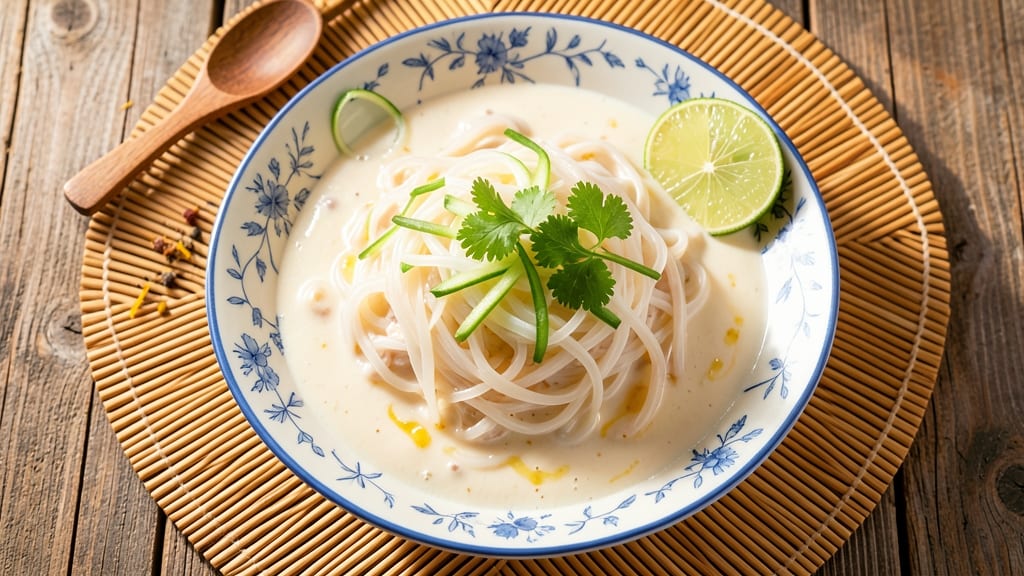
This authentic Chinese white sauce transforms simple ingredients into a velvety, coconut-lime masterpiece that elevates any dish. The secret lies in balancing rice wine's brightness with coconut milk's richness, creating a sauce that's both delicate and deeply flavorful.
I developed this recipe after years of studying traditional Chinese techniques—no shortcuts, just authentic taste. What makes this sauce special is its versatility. Thickened just enough to coat without overwhelming, it works perfectly as a dipping sauce for dumplings or a glossy glaze for stir-fries.
The cornstarch slurry ensures a smooth, professional finish, while chicken stock adds depth that store-bought versions can't match. By the time you're done, you'll have a sauce that's silky, aromatic, and packed with layers of flavor—bright from lime, nutty from coconut, and subtly sweet from a touch of sugar.
The texture is light yet substantial, clinging to every bite without being heavy. Serve it warm over steamed rice, drizzle it over noodles, or use it as a dip for spring rolls. Here's how to make it perfectly every time.
Ingredients for authentic chinese white sauce
Nine simple ingredients create this restaurant-quality Chinese white sauce—bright, creamy, and full of authentic flavor.
| Ingredient | Amount | Notes |
|---|---|---|
| Coconut Milk 🥥 | 1 cup | Full-fat for creaminess |
| Rice Wine 🍶 | ¼ cup | Dry sherry works too |
| Chicken Stock 🍲 | ½ cup | Homemade preferred |
| Lime Juice 🍋 | 2 tbsp | Freshly squeezed |
| Cornstarch 🌾 | 1 tbsp | For thickening slurry |
| Granulated Sugar 🍚 | 1 tbsp | Adjust to taste |
| Sesame Oil 🫒 | 1 tsp | Toasted for aroma |
| Garlic Cloves 🧄 | 2 cloves | Minced for depth |
| Green Onion 🧅 | 2 whole | Sliced for garnish |
| Salt 🧂 | ½ tsp | Kosher or sea salt |
The coconut milk is non-negotiable here—full-fat canned gives that signature richness. I always grab Thai Kitchen brand at the Asian market, but any good-quality can works. Rice wine is key for that authentic tang—dry sherry is a solid backup if you can't find it. For chicken stock, homemade is best, but even the good-quality carton stuff (like Pacific Foods) works in a pinch. Fresh lime juice is a must—bottled just doesn't cut it. If you're prepping ahead, zest the lime too for extra brightness.
No rice wine? Dry white wine or even apple cider vinegar adds a similar acidity, though it won't be quite as authentic. Swapping coconut milk for cashew cream gives a lighter texture, but you'll lose some of that nutty depth. The cornstarch slurry is crucial—don't skip it. If you're sensitive to gluten, you can use arrowroot powder instead. For the garlic, roasted garlic adds sweetness, but fresh minced gives that sharp punch. The sesame oil should be toasted—lightly heat it in a dry pan for 30 seconds to really wake up the aroma.
This sauce keeps beautifully in the fridge for 5 days, though it's best used within 3 days for peak freshness. For longer storage, freeze it in ice cube trays—thaw and reheat gently for perfect portions. The cornstarch thickening means it reheats beautifully, but go slow to avoid splitting. Garnish with those sliced green onions right before serving—they add a fresh pop of color and a mild onion bite that balances the richness. Double the batch and freeze half—you'll want this again soon.
Why You'll Love This Recipe
- Few Pantry Staples: I swear by this sauce—just coconut milk, rice wine, and a splash of lime. No specialty trips, no hunting for obscure spices. Honestly, I keep a can of coconut milk and a bottle of rice wine on hand just for this.
- Creamy Yet Bright: That lime juice twist? It cuts through the richness so smoothly. The cornstarch gives it that silky finish, but the chicken stock keeps it from tasting heavy—like a hug in sauce form.
- Leftover Goldmine: Make a double batch and store it for days. Drizzle it over noodles, stir into soups, or toss with veggies—it’s my secret weapon when I’m too tired to cook. (Yes, even on a Tuesday night.)
- Budget-Friendly Luxury: Coconut milk and chicken stock stretch far, and rice wine adds depth without breaking the bank. Between us, this sauce costs pennies but tastes like I splurged on a fancy jar. My wallet and taste buds thank me.
Step-by-step instructions for authentic Chinese white sauce
This velvety white sauce captures the essence of Chinese home cooking with its perfect balance of coconut creaminess and bright citrus notes.
Create the Cornstarch Slurry for Thickening
In a small bowl, whisk together the 1 tablespoon cornstarch and 1 tablespoon granulated sugar until completely dissolved. This creates your thickening agent that will give the sauce that signature glossy texture. Add just enough of the ½ cup chicken stock to make a smooth paste - about 2 tablespoons should do it. The sugar helps balance the acidity while the cornstarch provides that perfect silky consistency.
Set this slurry aside while you prepare the remaining ingredients. This step is crucial - if you add the cornstarch directly to the hot sauce, you'll get lumps instead of that velvety smooth finish. Think of it like making a simple roux, but with cornstarch instead of flour.
Build the Flavor Base with Garlic and Rice Wine
Heat a clean saucepan over medium heat and add the 1 teaspoon sesame oil. Let it warm for about 30 seconds until fragrant - you'll smell that nutty aroma that's so characteristic of Chinese cooking. Add the 2 minced garlic cloves and sauté for 30 seconds until golden but not browned. This quick cooking preserves the garlic's sweetness rather than letting it turn bitter.
Immediately pour in the ¼ cup rice wine and let it simmer for 1 minute until most of the alcohol has evaporated. You'll notice the aroma changing - that's when you know the alcohol is cooking off. This step forms the aromatic foundation of your sauce, so don't rush it. The wine adds depth that you won't get with just stock.
Combine and Simmer the Sauce to Perfection
Pour in the 1 cup coconut milk and stir gently to combine with the garlic-wine mixture. Add the ½ cup chicken stock and bring to a gentle simmer over medium-low heat. This is where the sauce starts to come together - you'll see it begin to thicken slightly as the coconut milk warms. Let it simmer for 3-4 minutes until it reaches a gentle bubble, but don't let it boil vigorously.
Here's where the magic happens: slowly pour in the cornstarch slurry while stirring constantly with a wooden spoon. The sauce will thicken dramatically within 1-2 minutes - you're looking for a consistency that coats the back of a spoon but still flows smoothly. If it thickens too quickly, add 1 tablespoon hot water to adjust. The sauce should be velvety, not gluey.
Finish with Lime and Season to Taste
Remove the pan from heat and stir in the 2 tablespoons lime juice and ½ teaspoon salt. The lime brightens the sauce and cuts through the richness of the coconut milk. Taste and adjust seasoning - you might need a touch more salt or sugar depending on your ingredients. The sauce should be perfectly balanced between sweet, tangy, and savory.
Let the sauce sit for 2-3 minutes off the heat to thicken slightly more. This resting period allows all the flavors to meld together. For the final touch, stir in the 1 teaspoon sesame oil and 2 sliced green onions. The green onions add freshness and visual appeal, while the sesame oil enhances the aroma. Serve immediately over your favorite dishes - this sauce is best when fresh.
Pro Tips For Making Authentic Chinese White Sauce
- Temper the coconut milk: After mixing coconut milk with rice wine and stock, let the whole thing sit for 5 minutes before heating. I learned this the hard way—skipping it makes the sauce split into greasy globs instead of a smooth, velvety finish. Cold milk blends better, and the wine gets a chance to mellow out.
- Toast the cornstarch: Dry-roast your cornstarch in a small pan over medium heat for 30 seconds before adding liquid. It removes the raw flour taste and thickens the sauce more reliably—no more grainy lumps or that weird aftertaste. (Yes, even if you're impatient like me.)
- Simmer, don’t boil: Once the sauce comes to a gentle bubble, drop the heat to the lowest setting you can tolerate. Boiling burns the lime juice and turns the sauce dull; a slow simmer keeps the coconut flavor bright and the texture silky. Think "barely there" heat, not "rolling boil."
- Reduce stock first: Simmer the chicken stock alone until it’s cut by half before adding coconut milk. This concentrates the flavor and prevents watering down the sauce later. (Your future self will notice the difference when the sauce isn’t thin and bland.)
Essential equipment for perfect results
Small Saucepan
I always use a 3-quart stainless steel saucepan—like the All-Clad Stainless—for this sauce. The even heat distribution prevents hot spots that can cause the sauce to split or burn.
A non-stick pan works too, but stainless steel gives better control when you're adjusting the heat around the cornstarch slurry. If you only have a small pan, go for medium heat to avoid overcooking the garlic or coconut milk. 🌡️
Wooden Spoon
A long-handled wooden spoon is essential for stirring the sauce without scratching your pan. I prefer olive wood because it's gentle on sauces and won't absorb flavors like some other woods. When you're adding the cornstarch slurry, the wooden spoon helps create a whirlpool effect, ensuring even distribution.
Avoid metal spoons—they can react with the acidity of the lime juice over time.
Fine-Mesh Strainer
If you want ultra-smooth sauce, strain it through a fine-mesh sieve or cheesecloth after cooking. This removes any tiny garlic bits or cornstarch lumps that might have formed. I keep a Heston Blumenthal-designed strainer in my kitchen—it's pricey but worth it for restaurant-quality results.
For home cooks, a conical metal strainer works just as well when lined with cheesecloth. This step is optional but makes a noticeable difference in texture.
Digital Thermometer
While not strictly necessary, a digital instant-read thermometer helps you monitor the sauce's temperature. The ideal simmer range is 185-195°F—hot enough to thicken properly but not so hot that the coconut milk separates. I use a Thermoworks ThermoPop because it's fast and reliable.
If you don't have one, watch for gentle bubbles at the edges rather than a rolling boil. Overheating is the #1 reason white sauces fail!
Small Mixing Bowl
A small glass or ceramic bowl (about 8-inch diameter) is perfect for making the cornstarch slurry. Glass is best because it won't absorb moisture or flavors. I like Corelle bowls—they're durable and easy to clean.
Whisking the cornstarch and sugar in this bowl ensures a smooth, lump-free paste before adding the chicken stock. Pro tip: Use a silicon spatula to scrape every last bit into the saucepan for maximum thickening power.
Lime Zester
A zester isn't mandatory, but it adds professional touches to your sauce. The zest of 1 lime (about 1 teaspoon) adds bright citrus notes without overpowering the flavor. If you don't have one, use a microplane or the fine side of a grater.
Sprinkle the zest into the sauce during the final 2 minutes of cooking so the oils infuse without bitterness. This tiny detail elevates the sauce from good to extraordinary. 🍋
Nutrition facts
Frequently asked questions
Can I make this white sauce without coconut milk?
Yes, but the flavor will change significantly. For a lighter version, substitute ½ cup cashew cream (blend soaked cashews with water) or ¼ cup heavy cream + ¼ cup water. The coconut milk gives that signature rich, nutty depth that's hard to replicate. If you're avoiding dairy, coconut milk is actually a great plant-based option!
Why did my sauce turn out too thick?
This usually happens when the cornstarch slurry thickens too quickly. To fix it, whisk in 1 tablespoon hot water while stirring constantly. For prevention, reduce heat to medium-low when adding the slurry and stir vigorously. The sauce should coat the back of a spoon but still flow smoothly—think of it like heavy cream rather than glue.
What are the best dishes to serve with this white sauce?
This versatile sauce shines as a dipping sauce for spring rolls, dumplings, or potstickers. It also works beautifully drizzled over steamed rice, noodles, or grilled meats. For something unexpected, use it as a glaze for baked fish or as a creamy base for stir-fries. The bright lime and coconut flavors balance rich dishes perfectly.
Can I make this sauce ahead of time?
This sauce actually tastes better the next day as flavors meld. Store it in an airtight container in the fridge for up to 5 days. When reheating, warm gently on low heat while stirring constantly to prevent splitting. For longer storage, freeze in ice cube trays—thaw and reheat for perfect portions.
What if I don't have rice wine?
Don't worry—you have options! Use ¼ cup dry white wine or ¼ cup apple cider vinegar for acidity. For a non-alcoholic version, mix 2 tablespoons white vinegar + 2 tablespoons sugar. The wine adds depth, but these substitutes will still give you a flavorful sauce. Just taste and adjust the seasoning at the end.