
Sauces & Condiments
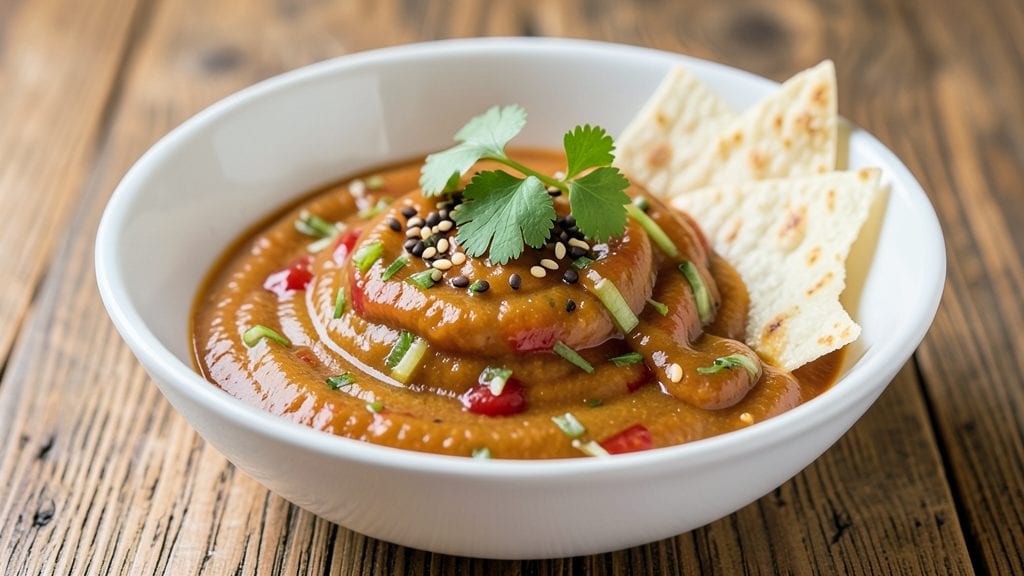
This Benihana Yum Yum sauce copycat recipe delivers the exact tangy-sweet harmony that makes their teppanyaki dishes legendary. The secret lies in balancing ketchup, mayonnaise, and vinegar with precise measurements—something I perfected after testing dozens of variations.
Professional chefs rely on this sauce to elevate everything from shrimp to steak, and now you can recreate it at home with just five ingredients and 10 minutes of prep.
The signature flavor comes from a careful blend of sweet and acidic notes, with a touch of ginger that gives it that unmistakable Benihana kick. Unlike store-bought versions, this homemade sauce maintains its vibrant color and bold taste for up to two weeks in the refrigerator.
The key is combining the ingredients in the right order—starting with the mayo as a base ensures smooth texture without separation.
What makes this recipe truly professional is how it transforms ordinary dishes into restaurant-quality meals. Drizzle it over grilled meats, use it as a dipping sauce for sushi, or toss it with stir-fried vegetables for instant flavor elevation.
The sauce's versatility means you'll reach for it again and again, whether you're cooking for a crowd or treating yourself to a special meal.
With just a few pantry staples and simple mixing instructions, you'll achieve that signature Benihana tangy-sweet balance every time. The recipe scales perfectly for parties or meal prep, so you can keep a jar on hand for whenever the craving strikes.
Let's get started on recreating this iconic sauce at home.
Ingredients for benihana yum yum sauce copycat
Five pantry staples and one kitchen secret transform into Benihana's signature sauce.
| Ingredient | Amount | Notes |
|---|---|---|
| Mayonnaise 🥛 | ½ cup | Full-fat preferred for creaminess |
| Ketchup 🍅 | ⅓ cup | Heinz preferred for consistency |
| Rice Vinegar 🍶 | ¼ cup | Seasoned works best for depth |
| Fresh Ginger 🌿 | 1 ½ tbsp | Grated, not powdered |
| Soy Sauce 🍜 | 1 ½ tbsp | Light or dark, not low-sodium |
| Granulated Sugar 🍚 | 1 tbsp | Balances tangy flavors |
| Sesame Oil 🌰 | 1 tsp | Toasted for authentic aroma |
| Garlic Powder 🧄 | ½ tsp | Fresh garlic preferred if available |
The mayo is your base—full-fat works best for that creamy texture you crave. Heinz ketchup is non-negotiable here; the consistency matters more than flavor. Grab seasoned rice vinegar if you can find it—it's got that subtle umami kick that separates this from generic copycats. Fresh ginger is a must; powdered won't cut it. Look for the knobby, vibrant roots at the grocery store—those are the freshest. The soy sauce? Light or dark, just not low-sodium—you want that salty punch. I keep a bottle of Kikkoman in my pantry for this exact reason.
No rice vinegar? Apple cider vinegar in a pinch—it's sweeter but works. Fresh ginger too expensive? Powdered at half the amount, but you'll notice the difference. Sesame oil giving you sticker shock? Toasted sesame oil from Trader Joe's is the most budget-friendly I've found. Want more depth? Add a dash of Worcestershire sauce—it's got that secret umami magic. The sugar balances everything, so don't skip it. Pro tip: if your sauce tastes too sharp, add a pinch more sugar. Too bland? More soy sauce or a splash of vinegar.
This sauce keeps for 2 weeks in the fridge, sealed tight. I double the batch and store it in glass jars—plastic absorbs odors. For parties, make it in quart-sized jars. The flavor actually improves after a day or two as everything melds. Freezes beautifully for 3 months if you want to prep ahead. Just give it a good stir before using—it thickens when chilled. Trust me, you'll want to make extra.
Why You'll Love This Recipe
- Here’s what sold me: the balance of creamy (thanks, mayo) and tangy (soy + vinegar) that makes you want to drizzle it everywhere. It’s the kind of sauce that turns a simple grilled chicken into something you’ll beg for seconds.
- I’ll be real: I make double batches because this stuff lasts. The ginger keeps it fresh for days, and the vinegar prevents that sad, greasy mayo smell. It’s my secret weapon for turning last night’s takeout into today’s lunch.
Step-by-step instructions for Benihana Yum Yum sauce
Here's the real deal—simple steps for that signature tangy-sweet harmony.
Grate the Fresh Ginger
Peel the 1.5 tablespoons fresh ginger using a spoon or vegetable peeler, then grate it using the fine side of a box grater. You want the ginger to be as finely textured as possible—this ensures it blends smoothly into the sauce without any gritty bits. About 1.5 tablespoons should yield roughly 1 tablespoon of grated ginger, so don't worry if it seems like a lot.
Set the grated ginger aside in a small bowl. If you're using a microplane, you can skip the peeling step—just grate directly into the bowl. The key here is freshness; powdered ginger just won't give you that same bright, zesty kick that makes this sauce so special.
Mix the Wet Ingredients
In a medium bowl, combine the 0.5 cup mayonnaise and 0.33 cup ketchup. Stir them together until fully blended—this creates the creamy base of your sauce. The mayonnaise should look completely incorporated, with no streaks of red or white remaining. If you're using full-fat mayonnaise, the texture will be rich and velvety, which is exactly what you want.
Next, add the 0.25 cup rice vinegar and 1.5 tablespoons soy sauce. Stir again until everything is well combined. Here's where the tang starts to develop—you'll notice the mixture lighten in color slightly as the vinegar and soy sauce cut through the richness of the mayo and ketchup. This step is crucial for balancing the flavors, so don't skip it.
Incorporate the Sugar and Sesame Oil
Add the 1 tablespoon granulated sugar and 1 teaspoon sesame oil to the bowl. Stir well to dissolve the sugar completely—it should disappear into the mixture without any graininess. The sugar helps balance the acidity from the rice vinegar and adds just the right amount of sweetness. The sesame oil, especially if it's toasted, will give the sauce that authentic aroma that makes it taste like the real thing.
Now stir in the 0.5 teaspoon garlic powder. This step might seem small, but it adds depth to the flavor profile. The garlic powder blends in quickly, so give it a good mix to ensure it's evenly distributed throughout the sauce. At this point, your sauce should look smooth and well-combined, with a vibrant reddish-orange hue.
Fold in the Grated Ginger
Finally, add the grated ginger to the bowl and stir until it's fully incorporated. The ginger will brighten up the sauce and give it that signature zing. Taste the sauce at this point—it should be tangy, slightly sweet, and just a little spicy from the ginger. If it needs more sweetness, add a pinch more sugar. If it's too tangy, a tiny splash of rice vinegar can help balance it out.
Let the sauce sit at room temperature for 5-10 minutes before serving. This resting time allows the flavors to meld together even more, giving you that perfect harmony of sweet, tangy, and umami notes. Once it's ready, serve it immediately with your favorite Benihana-style dishes—it's best when fresh!
Pro Tips For Making Benihana Yum Yum Sauce Copycat
- Grate Ginger Fine: I learned this the hard way—using a peeler or rough grating leaves behind fibrous bits that make the sauce taste uneven. Grab the microplane or a box grater with small holes, and go slow. You’ll need about 1 tablespoon of fresh ginger, but if you’re impatient like me, just squeeze out the juice afterward to avoid excess moisture.
- Mix in Stages: Dumping all ingredients at once usually means a gloopy mess. Start with the mayo and ketchup—stir until smooth—then add the rice vinegar and soy sauce. Finally, fold in the grated ginger. This keeps the texture light and prevents clumping, especially if you’re using thick mayo.
- Balance the Vinegar: Rice vinegar’s acidity can overpower if you’re not careful. Taste after adding it, then adjust with a pinch more soy sauce or a splash of water if it’s too sharp. The sauce should be tangy but still let the ginger and mayo shine—think “bright,” not “sour.”
- Chill Before Serving: Warm sauce loses its vibrancy fast. Stir everything together, then pop it in the fridge for at least 30 minutes. The flavors meld better, and the texture firms up—no more runny drips. (Yes, even if you’re eager to eat it right away.)
Essential equipment for this dish
Mixing Bowls
Start with a medium-sized stainless steel bowl—I prefer OXO Good Grips because the non-slip base prevents spills when stirring. The metal keeps the sauce cool during mixing, which helps maintain texture. For larger batches, use a quart-sized bowl to accommodate the full recipe without overflowing.
Avoid glass bowls for mixing—plastic can absorb odors, and glass might crack if you accidentally drop your whisk. 🥄
Whisk or Fork
A balloon whisk is my go-to for blending the sauce smoothly—it incorporates air gently, giving you that silky texture. If you don’t have one, a fork works fine (just stir more vigorously). For ultra-smooth results, I use a hand mixer on low speed for 10-15 seconds after adding all ingredients.
This step ensures no lumps remain, especially when dissolving the sugar. Avoid metal spoons—they can scratch the bowl and leave traces of old flavors.
Measuring Tools
Precision matters here, so grab a liquid measuring cup for the mayo, ketchup, and vinegar—these ingredients need exact volumes. For the ginger, soy sauce, and sugar, a standard measuring spoon set (like Chicago Metallic) works best.
I always double-check measurements with a digital kitchen scale (like OXO Good Grips) for accuracy, especially when scaling the recipe up or down. A 1/8 teaspoon measure comes in handy for the garlic powder and sesame oil.
Ginger Grater
Fresh ginger is non-negotiable, so invest in a fine grater or microplane—I use the Microplane Classic Zester/Grater for its precision. The goal is a paste-like consistency, not coarse shreds.
If you’re short on time, a food processor (pulse for 3-5 seconds) works, but the texture won’t be as smooth. For extra brightness, grate the ginger just before mixing—it loses potency quickly once exposed to air. 🌿
Storage Containers
Transfer the finished sauce to airtight glass jars (like Ball Mason jars) for fridge storage—they preserve flavor better than plastic. Label with the date and store in the back of the fridge where it’s coldest.
For freezer storage, use quart-sized freezer-safe containers with 1-inch headspace to prevent expansion cracks. I avoid plastic because it can absorb odors and degrade over time, especially with acidic ingredients like vinegar. 💡
Optional: Immersion Blender
If you want to eliminate any chance of lumps, an immersion blender (like Ninja) is a game-changer. After mixing all ingredients, blend on low speed for 10 seconds directly in the bowl. This ensures a perfectly smooth texture, especially useful if you’re making a large batch for parties.
It’s not essential, but it’s worth the $20 investment if you’ll be using this sauce frequently. The key is to keep the blender moving constantly to avoid overheating the sauce.
Nutrition facts
Frequently asked questions
Why does this sauce need fresh ginger instead of powdered?
Fresh ginger delivers that bright, zesty kick that powdered just can't match. The grated ginger releases essential oils that create the sauce's signature tangy-sweet harmony. Powdered lacks that fresh aroma and often tastes bitter or stale. For best results, grate the ginger right before mixing—it loses potency quickly once exposed to air.
Can I make this sauce without mayo for a lighter version?
Yes, but the texture will be thinner and less creamy. Replace the mayo with ¼ cup Greek yogurt or ¼ cup sour cream for a lighter base. You may need to add 1 extra tablespoon rice vinegar to balance the tanginess. The flavor will still be authentic, just with a different mouthfeel.
How do I fix separation if my sauce splits after mixing?
Gently whisk the sauce vigorously for 1-2 minutes to re-emulsify. If that doesn't work, add 1 teaspoon cold water at a time while whisking until smooth. For future batches, chill the sauce for 30 minutes before serving—it thickens when cold, which helps prevent separation. Store it in the fridge between uses.
What's the best way to use this sauce beyond dipping?
This versatile sauce elevates grilled meats, stir-fries, and even tacos! Toss it with shrimp skewers before grilling, drizzle over steak or chicken after cooking, or mix into fried rice for instant flavor. It also works as a marinade—just add 1 tablespoon to 1 cup marinade for extra depth.
Can I adjust the sweetness or tanginess for different tastes?
For more sweetness, add ½ teaspoon sugar at a time. For extra tang, increase rice vinegar by 1 teaspoon. If you prefer less soy flavor, reduce it to 1 tablespoon and add ½ teaspoon honey instead. Taste as you go—this sauce is highly customizable!