
Sauces & Condiments
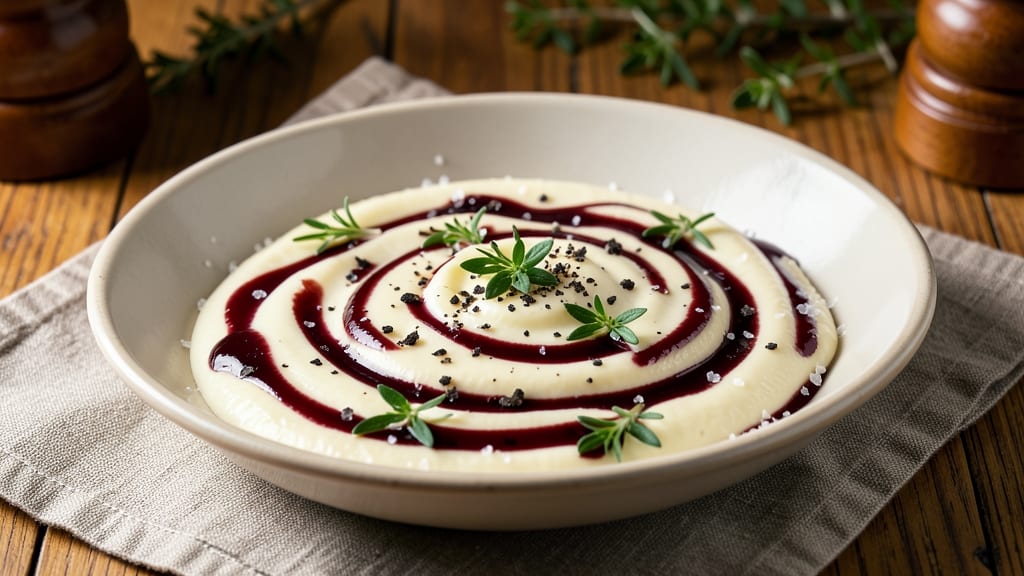
This balsamic butter sauce recipe transforms simple ingredients into a tangy-sweet swirl that elevates grilled meats, pasta, and even bread.
The perfect balance of rich butter and bold balsamic creates a sauce that's both luxurious and effortless to make, with just a few pantry staples and 10 minutes of active time.
What makes this sauce special is its versatility—it works as a finishing touch or a full-flavored dressing, adding depth to any dish without overpowering it.
The secret lies in the technique: simmering balsamic vinegar until it thickens and reduces into a glossy glaze, then whisking it into softened butter for a silky, emulsified texture. No special equipment is needed—just a small saucepan and a whisk.
The result is a sauce that's rich enough to coat grilled steak or lobster but delicate enough to drizzle over fresh pasta or crusty bread, where its sweet-tangy notes shine.
What you'll end up with is a sauce that's restaurant-quality but made in your own kitchen—a velvety blend of buttery richness and balsamic brightness that clings beautifully to any protein or carbohydrate. It's the kind of sauce that makes ordinary meals feel like special occasions, yet requires minimal effort.
The best part? It keeps well in the refrigerator for up to 5 days, so you can make a batch ahead and have it ready whenever inspiration—or hunger—strikes.
Use it to finish grilled meats, toss with hot pasta, or spread on warm bread for a quick appetizer. The possibilities are endless, and the flavor is undeniably addictive. Let's get started on creating this versatile sauce that will become a staple in your culinary repertoire.
Ingredients for balsamic butter sauce
Five pantry staples plus a few fresh touches create this tangy-sweet sauce magic.
| Ingredient | Amount | Notes |
|---|---|---|
| Unsalted Butter 🧈 | ½ cup | Cold, cubed for easy incorporation |
| Balsamic Vinegar 🍷 | ¼ cup | High-quality aged balsamic |
| Granulated Sugar 🍚 | 1 tbsp | Helps balance acidity |
| Fresh Thyme Leaves 🌿 | 1 tsp | Or 0.5 tsp dried thyme |
| Salt 🧂 | ¼ tsp | Kosher or sea salt |
| Black Pepper 🌶️ | ⅛ tsp | Freshly ground preferred |
| Garlic Cloves 🧄 | 1 whole | Minced for depth of flavor |
| Fresh Lemon Juice 🍋 | 1 tsp | Brightens the sauce |
The balsamic vinegar is the star here—aged balsamic (the thick, syrupy kind) gives the best flavor, but regular works in a pinch. Trader Joe's and Whole Foods carry great options, or check the international aisle at your grocery store. Butter quality matters too: European-style unsalted (like Plugrá) melts smoother than American brands. Fresh thyme and garlic can be swapped for dried, but fresh gives that restaurant-quality depth. I always grab extra thyme—half goes in the sauce, half gets tossed on grilled meats later.
No balsamic vinegar? Red wine reduction (simmer 1 cup red wine until syrupy) works in a bind, though it won't be identical. Short on fresh thyme? Dried at one-third the amount gets you close. The sugar is key—don't skip it, but if you're watching carbs, monk fruit sweetener works 1:1. Lemon juice can be omitted if you prefer a more neutral sauce, but it's what makes this shine over plain balsamic glaze. For a richer version, add 1 tbsp heavy cream at the end—trust me on that.
This sauce keeps beautifully in the fridge for 5 days—pour it into a small jar and store it under a layer of olive oil to preserve freshness. For longer storage, freeze in ice cube trays (perfect for single-use portions). Reheat gently in a small saucepan or microwave in 20-second bursts. The sauce thickens as it cools, so thin with a splash of warm water if needed. Make a double batch—it disappears fast on grilled steaks, shrimp, or pasta.
Why You'll Love This Recipe
- Pantry Magic: I swear by this sauce because it’s made with stuff I always have—just butter, vinegar, a pinch of sugar, and thyme. No last-minute grocery runs, no fancy gadgets. Honestly, the first time I made it, I used the last of my balsamic and still got rave reviews.
- Sweet-Tart Magic: That balance of rich butter and tangy balsamic with a whisper of sugar? It’s like a flavor party in your mouth. The thyme adds this earthy freshness that makes it taste way more gourmet than it is—trust me, my picky teenagers agree.
- Every Meal Upgrade: This sauce turns grilled chicken into a restaurant dish, drizzled on roasted veggies, or melted over garlic bread. I’ve even used it as a quick marinade for steak—just 10 minutes of tossing, and boom, flavor. It’s my secret weapon for lazy nights and fancy dinners.
- Make-Ahead Hero: I double the batch and keep it in the fridge for weeks. A spoonful of cold butter and a splash of warm water brings it back to silky perfection—no reheating, no fuss. Between us, this is how I feed a crowd without stressing over last-minute prep.
Step-by-step instructions for balsamic butter sauce
This tangy-sweet sauce comes together in minutes with just a few simple steps.
Melt the Butter Over Gentle Heat
Place the 0.5 cup unsalted butter in a small saucepan over medium-low heat. Let it melt slowly, stirring occasionally with a wooden spoon. You want to avoid browning the butter—just a gentle simmer that keeps it pale and creamy. This takes about 3-4 minutes, so don't rush it.
Once fully melted, remove the pan from heat completely. The residual warmth will keep it liquid while we add the other ingredients. I like to work quickly now to prevent the butter from cooling too much—this ensures everything blends smoothly.
Whisk in Balsamic Vinegar and Sugar
Return the pan to low heat and carefully pour in the 0.25 cup balsamic vinegar. The mixture will bubble vigorously at first—this is normal. Add the 1 tablespoon granulated sugar and stir constantly with a whisk for 2-3 minutes until the sauce thickens slightly and the vinegar's sharpness mellows.
You're looking for a glossy, slightly syrupy consistency here. If the sauce looks too thin, let it simmer uncovered for another 30 seconds to reduce slightly. The sugar helps balance the vinegar's acidity, so don't skip this step—it makes all the difference in the final flavor.
Add Aromatics and Seasonings
Remove the pan from heat again and let it cool for 1 minute. Add the minced 1 whole garlic clove, 1 teaspoon fresh thyme leaves, 0.25 teaspoon salt, and 0.125 teaspoon black pepper. Stir gently to combine, being careful not to let the garlic burn—it should infuse the sauce without browning.
Finally, stir in the 1 teaspoon fresh lemon juice. This brightens the sauce and cuts through any remaining bitterness. The mixture should look like a rich, glossy emulsion with visible flecks of thyme and garlic. If the sauce thickens too much, you can whisk in 1 teaspoon water to loosen it slightly.
Finish with a Silky Texture
Return the pan to low heat for just 30 seconds to warm everything through. Then transfer the sauce to a heatproof bowl and place it in the refrigerator to chill for 15-20 minutes. This step is crucial—it lets the flavors meld and gives the sauce a perfect, spreadable consistency.
When ready to use, give the sauce one final whisk to break up any separated butter. The finished sauce should be smooth, glossy, and perfectly balanced—tangy from the balsamic, sweet from the sugar, and bright from the lemon. It'll keep in the fridge for up to 1 week, making it perfect for quick meals.
Use Immediately for Best Results
Drizzle the warm sauce over grilled meats, toss it with pasta, or spread it on warm bread. For pasta, I like to toss it in right after cooking while the noodles are still hot—this helps the sauce cling beautifully. The sauce works best when used fresh, but even if it thickens slightly when chilled, a quick whisk with a splash of warm water brings it right back to perfection.
Pro tip: If you're using this on grilled meats, warm the sauce slightly before drizzling—it'll melt beautifully into the hot proteins. And if you have leftovers, store them in an airtight container with a thin layer of plastic wrap pressed directly on the sauce's surface to prevent a skin from forming.
Pro Tips For Making Balsamic Butter Sauce
- Start with Cold Butter: I learned this the hard way—dumping softened butter into the vinegar too soon just makes a greasy mess. Let the butter sit in the fridge until firm, then cut it into small cubes. This way, it melts slowly and emulsifies properly with the balsamic instead of separating like a sad, oily puddle.
- Use Aged Balsamic: That cheap red wine vinegar won’t cut it here. Aged balsamic (the thick, syrupy kind) adds depth without overpowering. If you’re in a pinch, simmer regular balsamic vinegar for 10 minutes to reduce it first—just don’t skip the sugar, or it’ll taste harsh.
- Whisk Like You Mean It: This isn’t a gentle stir—agitate that mixture over medium heat until the butter melts and the sauce thickens slightly. I used to let it simmer too passively, and it’d split like a bad salad dressing. Keep the heat low but the whisking aggressive, especially when adding the thyme.
- Toast the Thyme First: Skip the raw leaves—toss the thyme sprigs in a dry pan for 20 seconds until fragrant. Then, add them to the warm butter-vinegar mix. The aroma jumps out of the pan, and the leaves release their oils better. (Yes, even if you’re impatient like me.)
Wine and beer pairings for balsamic butter sauce
Italian Red Wine
A Chianti Classico or Sangiovese from Tuscany is my go-to pairing—its bright acidity and cherry notes mirror the sauce's tangy-sweet balance. Look for bottles labeled "Riserva" for deeper complexity that stands up to the buttery richness.
I always keep a bottle of Castello di Volpaia Chianti Classico on hand for special occasions. 🍷
Crisp White Wines
For those who prefer whites, a Pinot Grigio from Alto Adige or a Vermentino from Sardinia works beautifully. The crisp citrus notes cut through the sauce's richness while complementing the thyme and lemon. Avoid overly oaky whites—they'll clash with the balsamic's boldness. A chilled glass enhances the sauce's brightness.
Light-Bodied Beers
If you're serving this sauce with lighter dishes like seafood or salads, try a Belgian witbier like Hoegaarden or a German Helles lager. The subtle spice notes in witbiers pair surprisingly well with the thyme in the sauce.
For grilled meats, a Peroni or Birra Moretti provides enough carbonation to cleanse the palate between bites.
Seasonal Adaptations
In summer, I often serve this sauce with grilled shrimp and a dry Riesling from Alsace. The wine's mineral notes contrast perfectly with the sauce's sweetness.
For winter meals, a Barolo or Barbera from Piedmont holds its own against the sauce's richness, especially when paired with hearty dishes like braised meats or wild mushroom risotto.
Non-Alcoholic Options
Don't overlook sparkling water with a splash of San Pellegrino Aranciata for a refreshing alternative. For something more substantial, try a blood orange soda like San Pellegrino Aranciata Rossa—its citrusy sweetness echoes the sauce's lemon notes.
A chilled cup of hibiscus tea with honey also complements the tangy profile beautifully.
Nutrition facts
Frequently asked questions
Can I make this sauce without butter?
While butter creates the signature rich texture, you can substitute with olive oil or avocado oil for a lighter version. Use 0.5 cup olive oil instead of butter, and reduce the balsamic to 0.2 tbsp to balance the flavors. The sauce will have a more liquid consistency but still work beautifully as a drizzle for salads or grilled vegetables.
How do I fix a sauce that separated?
If your sauce looks broken with butter floating on top, simply whisk it vigorously over low heat for 30-60 seconds until it re-emulsifies. For a thicker texture, add 1 tsp cornstarch mixed with 1 tbsp water and stir until smooth. If it's too thick, thin with 1 tsp warm water or broth instead. The key is gentle heat and constant whisking.
What's the best way to store leftovers?
Transfer the cooled sauce to an airtight container and press plastic wrap directly on the surface to prevent a skin from forming. It keeps for 5-7 days in the fridge. For longer storage, freeze in 1-tbsp portions in ice cube trays—perfect for single-use applications. Thaw overnight in the fridge before reheating gently in a small saucepan or microwave in 10-second bursts.
Can I use this sauce on seafood?
This sauce pairs beautifully with shellfish like shrimp, scallops, and mussels. For seafood, reduce the garlic to ½ clove to avoid overpowering delicate flavors, and add ½ tsp lemon zest for extra brightness. Drizzle it over grilled or sautéed seafood just before serving, or toss with cooked linguine for a quick seafood pasta. The tangy-sweet profile complements seafood's natural sweetness perfectly.
Why does my sauce taste too sharp?
If your sauce tastes overly acidic, it likely needs more sugar or time to reduce. Add ½ tsp additional sugar and simmer for another 1-2 minutes to mellow the vinegar's sharpness. Alternatively, stir in ½ tsp honey or maple syrup to balance the acidity. For a smoother flavor, let the sauce sit at room temperature for 10 minutes before using—this allows the flavors to meld.