
Sauces & Condiments
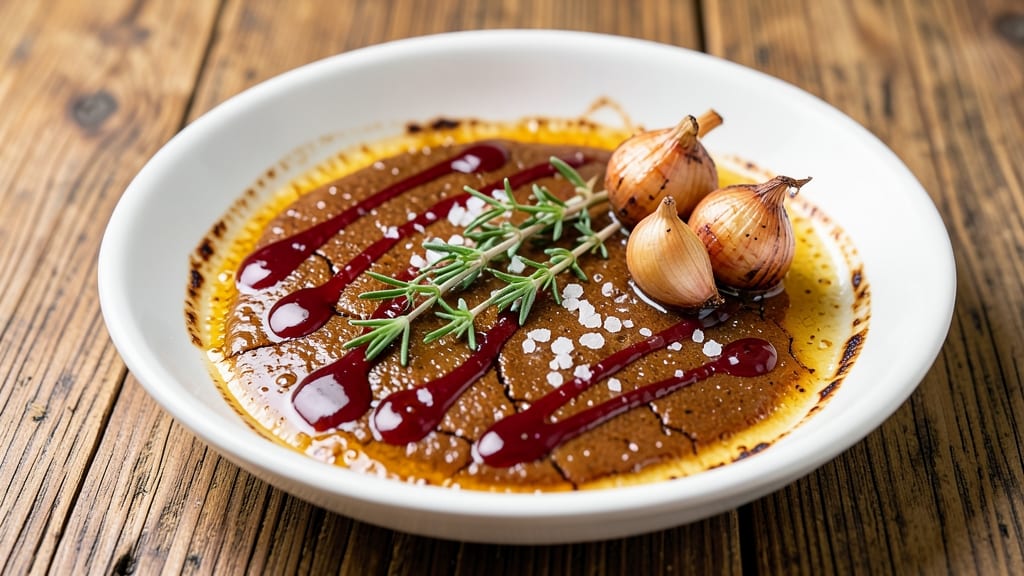
This balsamic brown butter sauce recipe transforms simple pantry staples into a luxurious, umami-packed sauce that elevates any dish in just 10 minutes. The contrast of nutty brown butter with tangy balsamic creates a perfect balance—sweet, savory, and deeply flavorful without overpowering.
I developed this sauce after years of experimenting with quick, restaurant-quality condiments that deliver restaurant-level depth at home.
The secret lies in browning the butter until it reaches that golden, nutty aroma, then carefully reducing balsamic vinegar to intensify its flavor. A touch of honey or sugar helps smooth out any sharpness, while optional herbs like thyme or rosemary add freshness.
What makes this sauce exceptional is its versatility—it works as a drizzle over pasta, a glaze for grilled meats, or a finishing touch for roasted vegetables.
By the time you’re done, you’ll have a silky, glossy sauce that adds richness and complexity to any dish. The texture is smooth yet clings beautifully, and the flavor profile is bold enough to stand alone or subtle enough to complement.
This isn’t just a sauce—it’s a game-changer for turning simple meals into something extraordinary.
Store it in the fridge for up to a week, or freeze for longer shelf life. The best part? It’s ready in the time it takes to cook dinner, making it the perfect foolproof addition to your weeknight repertoire. Let’s get started!
Ingredients for balsamic brown butter sauce
Eight ingredients transform into a restaurant-worthy sauce that's quick, luxurious, and packed with umami depth.
| Ingredient | Amount | Notes |
|---|---|---|
| Unsalted Butter 🧈 | ½ cup | Cold cubes for even browning |
| Balsamic Vinegar 🍷 | ¼ cup | Aged 12+ months preferred |
| Honey 🍯 | 1 tbsp | Wildflower for floral notes |
| Fresh Thyme Leaves 🌿 | ¼ cup | Or 1 tsp dried thyme |
| Garlic Cloves 🧄 | 2 cloves | Minced for subtle flavor |
| Diamond Crystal Kosher Salt 🧂 | ½ tsp | Adjust to taste |
| Fresh Rosemary Sprigs 🌿 | 1 sprig | Optional for herbal depth |
| Extra-Virgin Olive Oil 🫒 | 1 tbsp | For finishing drizzle |
The butter is non-negotiable—European-style unsalted like Plugrá or Land O'Lakes has higher fat content for better browning. Grab a pound at Whole Foods or your local gourmet shop, but the regular supermarket stuff works in a pinch. Balsamic vinegar is where the magic happens: aged 12+ months from Trader Joe's or a specialty store delivers that rich, caramel-like depth. Fresh thyme and rosemary? Farmers market has the best, but grocery store bundles work too—just skip the dried stuff here. The honey should be raw and unfiltered for that floral complexity; Manuka or wildflower from Costco is ideal.
No balsamic vinegar? Red wine reduction works in a bind, but it lacks that signature sweet-tangy balance. Short on honey? Maple syrup or agave at the same amount keeps things smooth. Thyme and rosemary optional but game-changers—skip them if you're in a hurry, but trust me, they elevate this sauce to next-level. The garlic can be pre-minced from a jar (the fancy kind, not the sad little packets), but fresh is always better. Salt is key: Diamond Crystal kosher dissolves perfectly, but sea salt works too—just taste as you go. The olive oil? Extra-virgin with peppery notes finishes it beautifully.
This sauce keeps like a dream—1 week in the fridge sealed in a jar, or 3 months in the freezer if you make a big batch. For freezing, portion into ice cube trays and pop them into a bag; thaw overnight in the fridge. The texture stays silky, and the flavors only deepen. Double the recipe—it disappears fast. I always make extra for pasta nights or to drizzle over grilled chicken. The best part? It's ready while you're cooking dinner, so no waiting around.
Why You'll Love This Recipe
- Five-Ingredient Magic: I swear by this list—no fancy prep, no measuring headaches. Just melt butter, toss in vinegar and garlic, then let the thyme and honey do their thing. That’s it. Honestly, the hardest part is waiting for the butter to turn golden.
- Umami Bomb: The second that browned butter hits your tongue, you’ll get it. Rich, nutty, with that tangy balsamic kick and a whisper of honey sweetness. Between us, it’s the kind of flavor that makes you pause mid-bite and think, “Wait, is this too good?”
- Weeknight Swiss Army: Drizzle it over roasted chicken, toss with pasta, or spoon it onto grilled fish—it’s my go-to for when I’m too tired to plan. Even my picky teenage nephew asks for it on Tuesdays. (Yes, even on a Tuesday night.)
- Pantry Goldmine: You’re using stuff you already have—no specialty trips, no wasted ingredients. That jar of balsamic? Now it’s the star. The honey? Suddenly fancy. And leftovers? Just reheat and repeat—it only gets better the second time around.
Step-by-step instructions for balsamic brown butter sauce
This sauce comes together faster than you can say "umami bomb"—let's make it.
Brown the Butter Until Nutty and Golden
Cut the 0.5 cup unsalted butter into ½-inch cubes and place them in a medium saucepan over medium heat. Watch closely as the butter begins to melt and foam—this is when the magic starts. The butter will bubble vigorously and begin to turn a pale golden color, then deepen to a rich amber. You're looking for deep golden brown flecks and a nutty aroma that fills your kitchen. This process takes about 5-7 minutes total, but don't rush it. The longer you brown it, the more complex the flavor becomes.
Here's the thing—if the butter starts to smoke or burn, immediately reduce the heat to low and let it recover. You want nutty, not acrid. Once the butter reaches that perfect golden brown stage with visible browned flecks, remove the pan from heat and let it cool slightly for 1 minute. This cooling step prevents the butter from continuing to cook when you add the vinegar, which could cause splattering.
Deglaze with Balsamic Vinegar and Honey
Return the pan to medium-low heat and carefully pour in the 0.25 cup balsamic vinegar. The vinegar will bubble and sizzle dramatically—this is normal! Let it simmer for 2-3 minutes until the liquid reduces by about half and the sauce begins to thicken slightly. You'll notice the aroma becomes more complex, with sweet and tangy notes mingling beautifully.
After the vinegar reduces, add the 1 tablespoon honey and stir gently. The honey will help balance the acidity of the vinegar while adding a subtle floral sweetness. Let the mixture simmer for another 1-2 minutes until the honey is fully incorporated and the sauce begins to coat the back of a spoon. This is where the sauce starts building its signature depth—don't skip this reduction step, as it concentrates all those incredible flavors.
Build Flavor with Aromatics and Herbs
Add the 2 minced garlic cloves and 1 sprig fresh rosemary sprigs (stripped of needles) to the pan. Stir for 30-45 seconds until the garlic is fragrant but not browned—you want subtle garlic flavor, not a bitter bite. Then add the 0.25 cup fresh thyme leaves and the 0.5 teaspoon kosher salt. Stir everything together and let it simmer for 1 minute to allow the herbs to infuse their aromatic qualities into the sauce.
I always taste at this point to check the seasoning. The sauce should be balanced—sweet from the honey, tangy from the vinegar, and herbaceous from the thyme and rosemary. If it needs more salt, add a pinch more of the kosher salt. If it needs more depth, you could even add a splash of water or a pinch of black pepper. The goal is a harmonious blend where no single flavor stands out too prominently.
Finish with Olive Oil for Silky Texture
Remove the pan from heat and let the sauce cool for 2 minutes. Then stir in the 1 tablespoon extra-virgin olive oil. This final step is crucial—it creates a silky, velvety texture that coats everything beautifully. The olive oil also helps balance the richness of the brown butter while adding a touch of fruity brightness.
For the smoothest sauce, strain it through a fine-mesh sieve to remove any herb stems or garlic pieces. This isn't strictly necessary, but it gives you a perfectly polished result. The sauce should be thick enough to coat the back of a spoon but still flow smoothly. If it's too thick, whisk in 1-2 teaspoons of warm water to reach your desired consistency. Serve immediately over grilled meats, roasted vegetables, or drizzled over fresh pasta for an instant flavor upgrade.
Pro Tips For Making Balsamic Brown Butter Sauce
- CRANK THE HEAT: Brown butter fast and furious—medium-high heat is your friend here. I used to simmer it gently, and it took forever to turn that golden nutty color. Now I watch it like a hawk, swirling the pan constantly until it’s a deep amber, not burnt. That’s when the magic starts.
- SKIM THE FOAM: As soon as the butter starts foaming and smells like popcorn, grab a spoon and skim off the white bits. Ignore this step, and your sauce will taste bitter and off. (Yes, even if you’re impatient like me.)
- USE REAL THYME: Fresh thyme leaves make all the difference—no dried stuff here. Strip the leaves from the stems right before adding them to the sauce, or they’ll turn to mush. If you’re short on time, a tiny pinch of dried thyme works in a pinch, but it’s not the same.
- SWIRL THE BALSAMIC: Don’t just dump the balsamic vinegar in and walk away. Swirl it into the butter slowly, letting it reduce right in the pan. This keeps the sauce rich and glossy instead of watery. (Your future self will thank you.)
Dietary considerations for this dish
Gluten-Free Adaptation
This sauce is naturally gluten-free as written, but always double-check your balsamic vinegar label—some brands use gluten-containing additives. I recommend Annie's Homegrown or Bragg balsamic vinegars, which are certified gluten-free. The butter, honey, herbs, and olive oil are all safe for gluten-sensitive diets.
For extra assurance, use a dedicated gluten-free kitchen toolkit if you share cooking spaces with gluten-containing ingredients. 🌾
Dairy-Free Option
Swap the butter for vegan butter like Miyoko's Creamery or Earth Balance to make this sauce dairy-free. Brown it exactly the same way—just watch closely as plant-based butters can burn faster. The texture will be slightly different but still delicious.
For extra richness, add 1 tablespoon coconut oil to the finished sauce. The flavor profile remains balanced, just with a subtle coconut undertone.
Low-Sugar Version
Reduce the honey to ½ tablespoon or omit it entirely for a lower-sugar option. The balsamic vinegar's natural sweetness will still shine through. If you prefer, use monk fruit sweetener or erythritol at ½ teaspoon—these won't affect the sauce's texture.
Taste as you go, as the vinegar's acidity might need extra balancing with a pinch of salt. This version works beautifully over grilled fish or steamed vegetables.
Nut-Free Considerations
This recipe is naturally nut-free, but always verify your honey source if allergies are a concern. Some commercial honeys may contain trace amounts of nuts. For strict nut-free kitchens, use agave nectar instead of honey—it provides sweetness without any risk of cross-contamination.
The sauce's flavor remains rich and balanced, with the agave adding a mild caramel note that complements the balsamic beautifully.
Vegetarian & Vegan Flexibility
As mentioned, the dairy-free swap makes this perfect for vegetarians. For vegans, ensure your butter substitute is plant-based and check honey alternatives like maple syrup or date syrup. The sauce works wonderfully as a vegan-friendly glaze for roasted vegetables or as a drizzle over plant-based pasta.
The umami depth from the browned butter substitute (or oil) makes it surprisingly satisfying for meat-free meals. 🌱
Nutrition facts
Frequently asked questions
Can I make this sauce without honey?
The honey balances the acidity of the balsamic vinegar, but you can omit it if preferred. Try ½ teaspoon maple syrup or agave nectar instead for a similar effect. For a completely sugar-free version, simply reduce the vinegar by 1 tablespoon to compensate for the missing sweetness. The sauce will still be rich and flavorful—just slightly more tangy!
How do I prevent the butter from burning?
Watch the butter closely and reduce heat to medium-low as soon as you see golden flecks appear. If it starts smoking, immediately remove the pan from heat and let it cool for 1-2 minutes before continuing. The key is patience—browning takes 5-7 minutes, but rushing leads to bitter flavors. A light-colored saucepan helps too, as it's easier to monitor the butter's color.
What's the best way to store leftover sauce?
Transfer the sauce to an airtight container and refrigerate for up to 1 week. For longer storage, freeze in ice cube trays—just thaw overnight in the fridge. The texture remains smooth after freezing, though it may separate slightly. Stir well before using. Pro tip: Add a 1 tablespoon water before freezing to prevent thickening.
Can I use this sauce on seafood?
This sauce pairs beautifully with grilled salmon, shrimp skewers, or baked cod. The rich, tangy flavors complement seafood's delicate taste without overpowering it. For extra brightness, finish with a squeeze of lemon juice right before serving. Just avoid adding too much acidity if your seafood is already briny.
Why did my sauce turn out too thin?
This usually happens if you didn't reduce the vinegar enough or added too much liquid later. Next time, simmer the vinegar until it's reduced by half (about 2-3 minutes) and avoid adding water unless absolutely necessary. If your sauce is too thin, simmer it uncovered for 2-3 more minutes to thicken naturally. For immediate results, whisk in 1 teaspoon cornstarch mixed with 1 tablespoon water.