
Sauces & Condiments
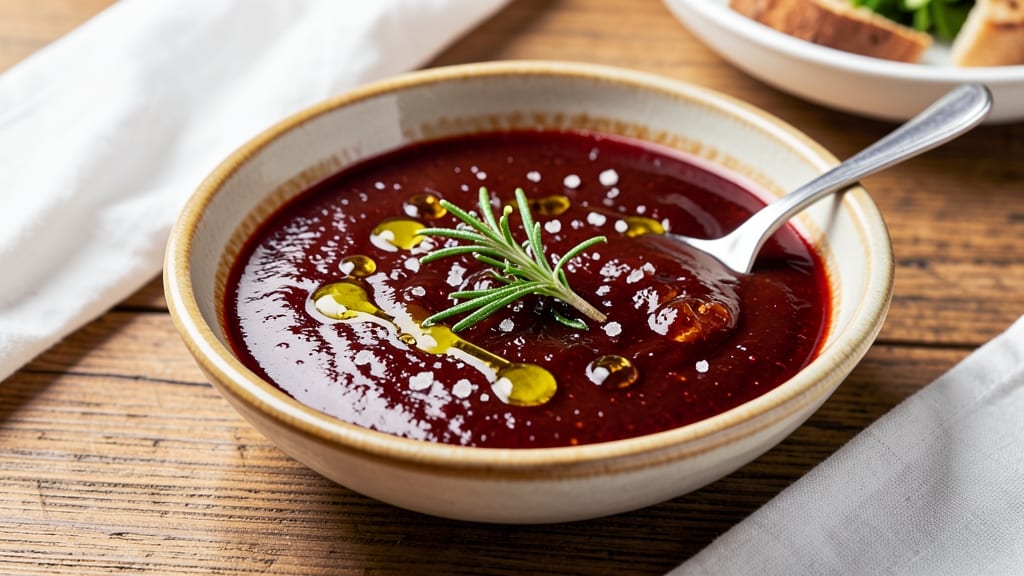
This balsamic brown sugar sauce transforms grilled meats into showstopping centerpieces with its glossy, caramelized drizzle. 💛 The perfect balance of tangy balsamic and deep brown sugar creates a sauce that's rich, slightly sweet, and packed with umami flavor that enhances any protein.
I developed this recipe after years of experimenting with glaze techniques, and it never fails to impress—whether you're cooking for a crowd or treating yourself to a special meal.
The secret lies in simmering balsamic vinegar and brown sugar until it thickens into a glossy, syrupy consistency that clings beautifully to meats. Unlike store-bought versions, this homemade sauce delivers layers of complexity from the caramelization process, with no artificial additives.
The process is straightforward, requiring just a few pantry staples and about 20 minutes of active time, making it ideal for busy weeknights or weekend entertaining.
What you'll end up with is a versatile sauce that elevates everything from grilled chicken and pork chops to salmon and even roasted vegetables. The glossy finish not only looks stunning on the plate but also adds a sticky, caramelized texture that enhances every bite.
This sauce keeps well in the refrigerator for up to two weeks, so you can make a big batch and use it throughout the week.
The possibilities don't stop at savory dishes—this sauce also works beautifully drizzled over vanilla ice cream, pancakes, or even fresh fruit for a sophisticated dessert twist. With just a few simple ingredients, you can create a sauce that's restaurant-quality and infinitely more flavorful than anything you'd find in a store.
Let's get started!
Ingredients for balsamic brown sugar sauce
Pantry staples that create a restaurant-worthy sauce for grilled meats and desserts alike.
| Ingredient | Amount | Notes |
|---|---|---|
| Balsamic Vinegar 🍷 | 1 cup | High-quality aged balsamic preferred |
| Light Brown Sugar 🍚 | 1 cup | Packed firmly for accuracy |
| Water 💧 | ½ cup | Room temperature preferred |
| Extra-Virgin Olive Oil 🫒 | 2 tbsp | For glossy finish and richness |
| Fresh Lemon Juice 🍋 | 1 tbsp | Brightens the sauce |
| Salt 🧂 | ½ tsp | Diamond Crystal preferred |
| Black Pepper 🌶️ | ¼ tsp | Freshly ground for best flavor |
The balsamic vinegar makes or breaks this sauce. Look for aged balsamic—it's richer and less acidic. Trader Joe's and Whole Foods carry excellent options, but even the regular grocery store stuff works if it's labeled 'aged.' Brown sugar should be light, not dark—it dissolves better and gives a smoother finish. The olive oil adds that glossy sheen, so don't skimp. I always grab California extra-virgin for its buttery notes, but any good quality works. Pro tip: if your vinegar smells funky, it's past its prime—toss it.
No aged balsamic? Regular balsamic vinegar plus 1 tsp maple syrup gets you close. Short on brown sugar? White sugar at the same amount works, but the sauce will be slightly lighter. The lemon juice can be bottled, but fresh is brighter. If you're making this ahead, store the sauce without the olive oil—add it just before using to keep it glossy. The sauce thickens as it cools, so if it's too stiff when warm, add a splash of water to loosen it up. For a deeper flavor, simmer the sauce for an extra 5 minutes.
This sauce keeps beautifully in the fridge for 2 weeks in an airtight jar. The olive oil separates, so give it a good stir before using. For a quicker version, microwave the sauce for 2 minutes instead of simmering—just know it won't be as caramelized. The sauce reheats perfectly, so double the batch and freeze half for later. I always make extra because it disappears fast—drizzled over grilled chicken, pancakes, or even vanilla ice cream. Trust me, you'll want seconds.
Why You'll Love This Recipe
- Five-Ingredient Magic: This sauce is my secret weapon—just vinegar, sugar, water, oil, and lemon. No fancy techniques, no stress, and no excuse to skip it.
- Sweet-Tart Balance: That first tangy hit of balsamic mellows into caramelized sweetness, then the lemon cuts right through. It’s like dessert and dinner had a baby, and I’m obsessed.
- Glazes Everything: Drizzle it over grilled chicken, toss it with roasted veggies, or even stir it into yogurt for a dip. Honestly, I’ve used it on everything—and it never lets me down.
- Make-Ahead Gold: Simmer it down, let it cool, and store it for weeks. No waste, no last-minute scrambling, and it only gets richer with time. (Yes, even on a Tuesday night.)
Step-by-step instructions for balsamic brown sugar sauce
This glossy, caramelized drizzle comes together in minutes but delivers restaurant-quality flavor.
🔥 Step 1: Combine Ingredients in a Saucepan
In a medium saucepan, whisk together the 1 cup balsamic vinegar, 1 cup light brown sugar, 0.5 cup water, 2 tablespoons extra-virgin olive oil, 1 tablespoon fresh lemon juice, 0.5 teaspoon salt, and 0.25 teaspoon black pepper. I use a whisk to ensure the sugar dissolves completely—no grainy bits allowed. This is your flavor foundation, so don't skip the lemon juice; it brightens the deep caramel notes.
Place the saucepan over medium-high heat and bring the mixture to a gentle boil. Watch closely—you want bubbles forming steadily, but not a violent rolling boil that could cause spattering. The sugar needs time to dissolve fully before we reduce, so let it simmer for 3-4 minutes until the sugar is completely incorporated and the mixture looks smooth and uniform.
🍳 Step 2: Reduce Until Thick and Syrupy
Once boiling, reduce the heat to medium-low and let the sauce simmer uncovered. This is where the magic happens—the sauce will gradually thicken as the water evaporates. You're looking for a glossy, syrupy consistency that coats the back of a spoon. This typically takes 15-20 minutes, but don't rush it; patience here ensures a rich, concentrated flavor.
Stir occasionally with a wooden spoon, scraping the bottom of the pan to prevent any sugar from sticking or burning. You'll notice the sauce darkening slightly and developing an intense aroma—this is your cue that the caramelization process is working. The sauce should reduce to about half its original volume, becoming thick enough to drizzle but still pourable.
⏰ Step 3: Finish with Glossy Sheen
When the sauce reaches your desired consistency, remove it from heat and let it cool for 5 minutes. This resting period allows the flavors to meld and the sauce to thicken slightly more as it cools. For an extra glossy finish, stir in 1 tablespoon fresh lemon juice again (if needed) to brighten the depth of flavor.
For a silky texture, I like to strain the sauce through a fine-mesh sieve to remove any potential sugar crystals or pepper specks. Transfer it to a clean jar or bowl and let it cool completely to room temperature. The sauce will continue to thicken as it sits, so if it's too thin after cooling, you can reheat it gently over low heat and reduce it further until it reaches your preferred consistency.
🍽️ Step 4: Store and Use
Store the sauce in an airtight container in the refrigerator for up to 2 weeks. When ready to use, reheat gently over low heat, stirring occasionally, until warmed through. This sauce is incredibly versatile—drizzle it over grilled meats, roasted vegetables, or even pancakes for a sweet-savory twist. The balance of balsamic tang, caramelized sugar, and bright lemon makes it a crowd-pleaser every time.
For an extra touch, garnish with a sprinkle of freshly cracked black pepper just before serving. The contrast of the pepper's heat against the sauce's sweetness elevates the dish to new heights. Enjoy your homemade balsamic brown sugar sauce—it's a game-changer for any meal!
Pro Tips For Making Balsamic Brown Sugar Sauce
- STIR CONSTANTLY FIRST 5 MINUTES: I learned this the hard way—skipping the stir turns your sauce into a sticky, uneven mess. The sugar burns before the vinegar can mellow it out, so keep that spoon moving until the sugar fully dissolves and the mixture turns glossy.
- USE AGED BALSAMIC VINEGAR: Cheap balsamic vinegar tastes like vinegar. Splurge on the aged stuff (look for "aceto balsamico di Modena")—it’s smoother, sweeter, and adds depth without needing extra sugar. If you’re pinched for cash, reduce store-brand vinegar by half first to concentrate the flavor.
- DON’T RUSH THE SIMMER: This sauce needs time to marry. After combining everything, let it bubble gently for at least 10 minutes—no peeking or stirring constantly. The longer it simmers, the richer the caramelized notes become. (Yes, even if you’re impatient like me.)
- FINISH WITH OLIVE OIL: Adding the olive oil at the very end—just before serving—keeps it from breaking or separating. Drizzle it in slowly while stirring, and the sauce will coat everything beautifully. Skip this step, and you’ll end up with a gloppy, oil-slicked mess.
Common mistakes when making this recipe
Overcooking the Sauce
One of the most common mistakes is letting the sauce simmer too long, which turns it bitter and overly thick. I’ve ruined batches by walking away—don’t do that! The sauce should reduce to about half its original volume in 15-20 minutes on medium-low heat.
If it starts to darken too much or smell burnt, remove it immediately. A quick fix: stir in 1 teaspoon fresh lemon juice to balance the bitterness. 🌶️
Skipping the Sugar Dissolution
Rushing the initial boil can leave undissolved sugar crystals, making the sauce grainy. Always bring the mixture to a gentle boil for 3-4 minutes to ensure the sugar fully dissolves.
If you see gritty bits, strain the sauce through a fine-mesh sieve before using. Pro tip: Use light brown sugar—it dissolves more smoothly than dark.
Ignoring the Resting Time
Sauces thicken as they cool, so skipping the 5-minute rest after simmering can leave it too thin. Let it cool slightly before tasting or adjusting. If it’s still too thin, reheat it gently and reduce further. I’ve learned this the hard way—patience here makes all the difference. ⏰
Adding Olive Oil Too Early
The olive oil should be added at the end to maintain its glossy finish. If you add it too soon, it can separate or burn. Instead, stir it in after the sauce has cooled slightly. For extra shine, add 1 tablespoon just before serving. This keeps the sauce looking restaurant-worthy.
Using Low-Quality Balsamic
Cheap balsamic vinegar lacks depth and can make the sauce taste harsh. Invest in aged balsamic vinegar—it’s richer and less acidic. If you’re in a pinch, add 1 teaspoon maple syrup to regular balsamic for a smoother flavor. Trust me, your taste buds will thank you. 🍷
Not Adjusting for Altitude
High-altitude cooking can cause the sauce to reduce faster and thicken more quickly. If you’re above 3,000 feet, reduce the heat to low and watch the sauce closely. It may only need 10-12 minutes to thicken. Always keep a close eye on it to avoid overcooking. 🌄
Nutrition facts
Frequently asked questions
Can I make this sauce without balsamic vinegar?
Yes! For a similar flavor, substitute with 1 cup apple cider vinegar plus 1 teaspoon maple syrup to mimic the tangy depth. The sauce will be slightly less complex but still delicious. Alternatively, use red wine vinegar (½ cup) plus ½ cup water for a fruity twist.
How do I use this sauce beyond grilled meats?
This versatile sauce works beautifully on roasted vegetables, pancakes or waffles, vanilla ice cream, or even as a marinade for tofu or chicken. For desserts, reduce the sugar slightly (use ¾ cup) to balance sweetness. The tangy-sweet profile shines in unexpected places!
Why did my sauce turn out too thick?
Sauces naturally thicken as they cool, but if it's too stiff when warm, you likely reduced it too long. Thin with 1-2 teaspoons water and reheat gently. For future batches, remove from heat when it coats the back of a spoon while still warm. Pro tip: Simmer uncovered on medium-low heat for precise control.
Can I make this sauce in a slow cooker?
Combine all ingredients in your slow cooker and cook on LOW for 3-4 hours or HIGH for 1.5-2 hours, stirring occasionally. The slow method enhances caramelization for deeper flavor. Just watch for evaporation—add water as needed to maintain consistency.
What's the best way to reheat leftover sauce?
Gently reheat in a small saucepan over low heat for 2-3 minutes, stirring constantly. Avoid microwaving—it can make the sauce grainy. If it thickens too much, add ½ teaspoon water at a time. For extra shine, stir in ½ teaspoon olive oil before serving.