
Sauces & Condiments
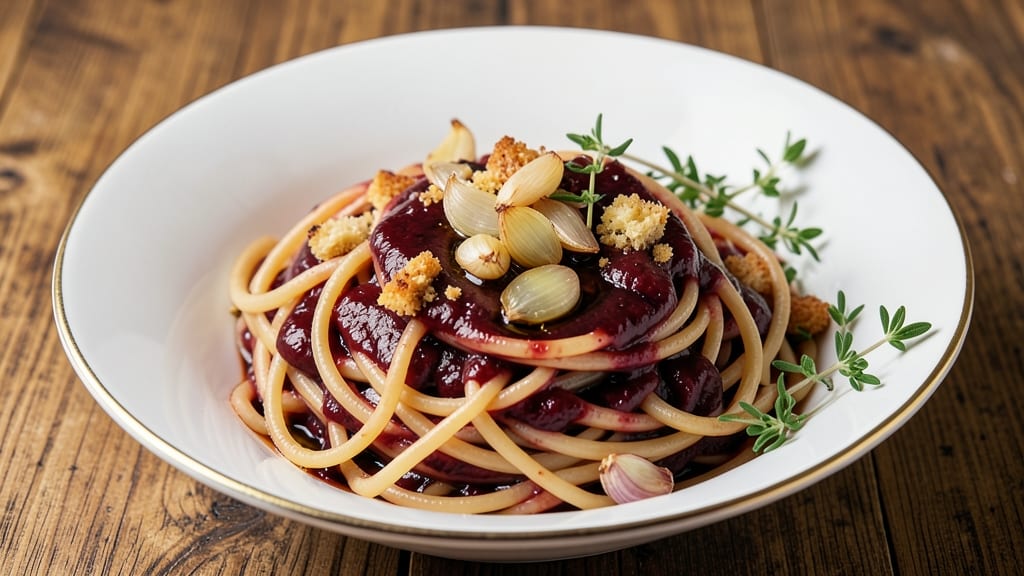
This balsamic vinegar pasta sauce recipe transforms simple ingredients into a rich, caramelized masterpiece that elevates any dish. The secret lies in slow simmering, where the vinegar's acidity mellows into deep, sweet complexity—perfect for coating al dente pasta or drizzling over salads.
I've refined this sauce over years, ensuring it delivers restaurant-quality depth without requiring advanced techniques.
The process is straightforward yet transformative: sugar and vinegar combine to create a glossy reduction, while olive oil adds silkiness. Simmering until syrupy ensures every strand of pasta gets coated in that glossy, tangy-sweet glaze.
What you'll end up with is a sauce that's versatile enough for weeknight dinners or elegant gatherings, yet simple enough to make with pantry staples.
This sauce isn't just for pasta—it's a game-changer for roasted vegetables, grilled meats, or even as a finishing drizzle on fresh bread. The caramelized sweetness balances perfectly with savory flavors, making it a pantry essential. Once you taste the difference between this homemade version and store-bought, you'll never go back.
Ready in just 30 minutes, this sauce requires minimal effort but maximum flavor development. The key is patience—letting the ingredients meld together creates that unmistakable depth. Whether you're feeding a crowd or treating yourself to a special meal, this sauce will deliver consistent, professional results every time.
Ingredients for balsamic vinegar pasta sauce
Eight simple pantry staples transform into a restaurant-worthy sauce with just 30 minutes of simmering.
| Ingredient | Amount | Notes |
|---|---|---|
| Balsamic Vinegar 🍷 | 1 cup | High-quality aged variety preferred |
| Granulated Sugar 🍚 | ½ cup | White or brown sugar works |
| Extra-Virgin Olive Oil 🫒 | ½ cup | For silkiness and richness |
| Shallots 🧅 | 2 whole | Minced finely for depth |
| Garlic Cloves 🧄 | 3 cloves | Peeled and minced |
| Dried Thyme 🌿 | 1 tsp | Or 1 tbsp fresh thyme |
| Salt 🧂 | 1 tsp | Diamond Crystal preferred |
| Black Pepper 🌶️ | ½ tsp | Freshly ground for best flavor |
The balsamic vinegar is non-negotiable here—aged varieties from Italian specialty stores or the gourmet aisle at Whole Foods deliver that deep, caramelized richness. Look for labels mentioning 'aged' or 'extra aged'—these cost more but make a world of difference. Sugar isn't just for sweetness; it's what creates that glossy, syrupy texture. Trader Joe's sells organic cane sugar in bulk for a great price, but any granulated sugar works. The shallots? Don't skip them—they add a subtle sweetness that rounds out the acidity beautifully. If you can't find shallots, small yellow onions work in a pinch.
No aged balsamic? White balsamic vinegar plus a splash of honey (or maple syrup) gets you close. Fresh thyme is ideal but dried works at one-third the amount. The olive oil matters here—use something you'd drizzle on bread, not the cheap cooking oil. For extra depth, toast the garlic and shallots in olive oil for 2-3 minutes before adding vinegar. That caramelized aroma is what makes this sauce sing. If you're making this ahead, reduce the sugar slightly—it'll caramelize more during storage.
This sauce keeps beautifully—1 week in the fridge or 6 months in the freezer. For freezing, portion into ice cube trays first, then transfer to a bag. The texture thickens when chilled, so stir in a splash of warm water before reheating. I always make double batches—one for pasta, one to drizzle over roasted Brussels sprouts. The flavor actually improves after simmering, so don't rush the process. Patience here means restaurant-quality results every time.
Why You'll Love This Recipe
- Here’s what sold me: the sugar cuts the vinegar’s bite just enough to make it addictive. Sauté the shallots until golden, add that garlic, then let the balsamic and sugar melt together—suddenly, you’ve got depth that tastes like hours of work.
- Five-Ingredient Magic: I swear by this—just vinegar, sugar, oil, shallots, and garlic. That’s it. No fancy reductions, no hidden pantry raids, just a simmer that transforms into something rich and tangy without the fuss.
- Sweet-Savory Balance: Here’s what sold me: the sugar cuts the vinegar’s bite just enough to make it addictive. Sauté the shallots until golden, add that garlic, then let the balsamic and sugar melt together—suddenly, you’ve got depth that tastes like hours of work.
- Weeknight & Potluck Star: This sauce is my go-to for both lazy Tuesdays and Sunday dinners. Drizzle it over spaghetti, toss with roasted veggies, or even slather it on grilled chicken. Honestly, I’ve served it at picnics, book club meetups, and even my mom’s house—no one’s ever questioned it.
Step-by-step instructions for balsamic vinegar pasta sauce
Here's how to craft a velvety-sweet sauce with layers of caramelized depth and aromatic complexity.
Sweat the Shallots Until Translucent
Heat the 0.5 cup extra-virgin olive oil in a medium saucepan over medium-low heat. Add the 2 whole shallots, minced finely, and cook for 5-6 minutes until completely soft and just beginning to turn golden. You'll know they're ready when they look translucent and their raw bite disappears.
This gentle cooking process extracts all their sweet, floral notes without burning. Stir occasionally to prevent browning—you're aiming for a silky base, not crispy bits. If the shallots start to stick, add a splash of water and scrape up any fond from the bottom of the pan.
Add Garlic and Thyme for Aromatic Depth
Push the shallots to one side of the pan and add the 3 cloves garlic cloves, minced. Cook for 30 seconds until fragrant but not browned—garlic burns quickly, and you want that sweet, mellow flavor, not bitter notes. Stir the shallots back into the garlic and add the 1 teaspoon dried thyme.
Let everything mingle for 1 minute while the thyme releases its earthy aroma. This is where the sauce builds its aromatic foundation. The thyme should smell vibrant, not dusty—if it's been stored for years, consider using fresh thyme instead for brighter flavor.
Build the Sweet-Savory Base
Increase heat to medium-high and add the 0.5 cup granulated sugar and 1 teaspoon salt. Stir constantly for 2-3 minutes until the sugar begins to dissolve and caramelize slightly at the edges. You're looking for a light golden color—not deep amber, just a subtle hint of toffee notes.
This step creates the perfect balance of sweetness that will later meld beautifully with the acidity of the balsamic. If the mixture starts to stick, add another splash of water and scrape vigorously to incorporate any browned bits—they're packed with flavor.
Simmer the Balsamic Vinegar to Rich Perfection
Pour in the 1 cup balsamic vinegar and bring to a gentle simmer. Reduce heat to low and let it reduce for 15-20 minutes until the sauce thickens to a syrupy consistency. You'll see the liquid darken dramatically as it concentrates, developing complex caramelized notes.
Stir occasionally to prevent sticking, and taste after 10 minutes—this is where you'll experience the magic. The sauce should be thick enough to coat the back of a spoon but still flow smoothly. If it reduces too quickly, cover loosely with a lid to slow evaporation while maintaining the reduction.
Finish with Pepper and Adjust Seasoning
Remove from heat and stir in the 0.5 teaspoon black pepper. Let the sauce rest for 5 minutes to allow all the flavors to meld completely. Taste and adjust seasoning—you may need a pinch more salt to balance the acidity, or a touch more sugar if you prefer it sweeter.
The sauce should be rich, glossy, and perfectly balanced between sweet, tangy, and savory notes. For serving, toss with cooked pasta or drizzle generously over grilled meats. This sauce keeps well in the refrigerator for up to 5 days—its flavors actually deepen over time.
Pro Tips For Making Balsamic Vinegar Pasta Sauce
- Cook Shallots Slow: I learned this the hard way—ditch the sizzle. Cook shallots in olive oil over medium-low heat until they’re translucent but not browned (about 5 minutes). Rushed cooking turns them bitter, and you’ll taste it in every bite.
- Balance Sugar First: Add the granulated sugar to the vinegar before heating—this prevents grainy clumps. Stir until fully dissolved, then reduce heat to medium. Skipping this step means you’ll end up scraping sugar chunks off your plate later.
- Simmer Vinegar Low: Don’t walk away while the balsamic vinegar reduces. Keep heat at a gentle simmer (small bubbles, not a full boil) to concentrate the flavor without burning it. I’ve ruined batches by letting it boil dry—now I watch it like a hawk.
- Use Garlic Late: Add minced garlic only in the last 30 seconds of cooking. Overcooking turns it bitter, and you’ll be left with a harsh aftertaste. If you’re impatient, toss it in raw at the end—it’ll still soften in the sauce.
Essential equipment for balsamic vinegar pasta sauce
Saucepan Essentials
Start with a medium saucepan—I prefer stainless steel for even heat distribution and easy cleanup. A 3-quart pan gives you enough room to stir without splattering.
For a deeper caramelized flavor, use a heavy-bottomed pan like All-Clad or Le Creuset to prevent hot spots that can burn your sauce. 🔥
Avoid nonstick pans—they can't handle the prolonged simmering and may release harmful fumes at high heat. If you're making this sauce often, consider a saucepan with a lid to help control reduction speed when needed.
Heat Control Tools
An instant-read thermometer is my secret weapon for perfect reduction. Aim for a gentle simmer between 190-200°F—this ensures even cooking without burning. I use a ThermoWorks Thermapen One for precision, but even a basic OXO Good Grips model works well.
For temperature control, I recommend a gas stove if possible—it gives you more precise heat adjustments than electric. If you're on electric, use the back burner and keep heat at medium-low to maintain steady simmering throughout the reduction process.
Stirring & Scraping
A heat-resistant silicone spatula is perfect for stirring without scratching your pan. I love the OXO Good Grips version—it's flexible enough to reach all corners while being sturdy enough to handle thick reductions.
For scraping up flavorful browned bits from the bottom, a wooden spoon works well, though I avoid metal utensils that can scratch.
For larger batches, a whisk helps incorporate air and prevent lumps when adding sugar. I keep a stainless steel whisk in my kitchen specifically for sauces—it's durable and won't degrade like plastic tools can over time.
Measuring & Storage
For precise measurements, use a liquid measuring cup for the balsamic vinegar and dry measuring cups for the sugar. I prefer Pyrex glass measuring cups—they're heat-resistant and easy to read. For storage, transfer the cooled sauce to glass jars with airtight lids to preserve freshness.
A small funnel helps prevent spills when transferring sauce to storage containers. I keep one in my pantry for this exact purpose—it's a small investment that saves big on messes. For freezing, use silicone ice cube trays to portion individual servings before transferring to freezer bags.
Nutrition facts
Frequently asked questions
Can I substitute white balsamic vinegar for traditional balsamic?
Yes, but you'll need to adjust for flavor depth. Use white balsamic vinegar plus 1 tablespoon honey or maple syrup to mimic the caramelized sweetness. Simmer the mixture slightly longer (25-30 minutes) to concentrate the flavors. The result will be lighter in color but still delicious.
How do I prevent the sauce from crystallizing when it cools?
Crystallization happens when sugar separates. To avoid this, stir in 1 teaspoon corn syrup or extra olive oil at the end while warm. This helps maintain a smooth texture. If it does crystallize, simply reheat gently while stirring until smooth again.
What's the best pasta to pair with this sauce?
This sauce shines with al dente pasta shapes that hold up to coating: penne, fettuccine, or farfalle work beautifully. For extra texture, try rigatoni or pappardelle. Avoid delicate pastas like angel hair that might break when tossed.
Can I make this sauce without sugar?
Technically yes, but the sauce will be more acidic and less glossy. If you want to reduce sugar, try 1-2 tablespoons of date syrup or agave instead. The sugar helps balance the vinegar's acidity while creating that signature caramelized finish.
How much sauce should I make for a meal?
This recipe yields about 1.5 cups of finished sauce—enough to generously coat 1 pound of pasta (about 2 servings