
Sauces & Condiments
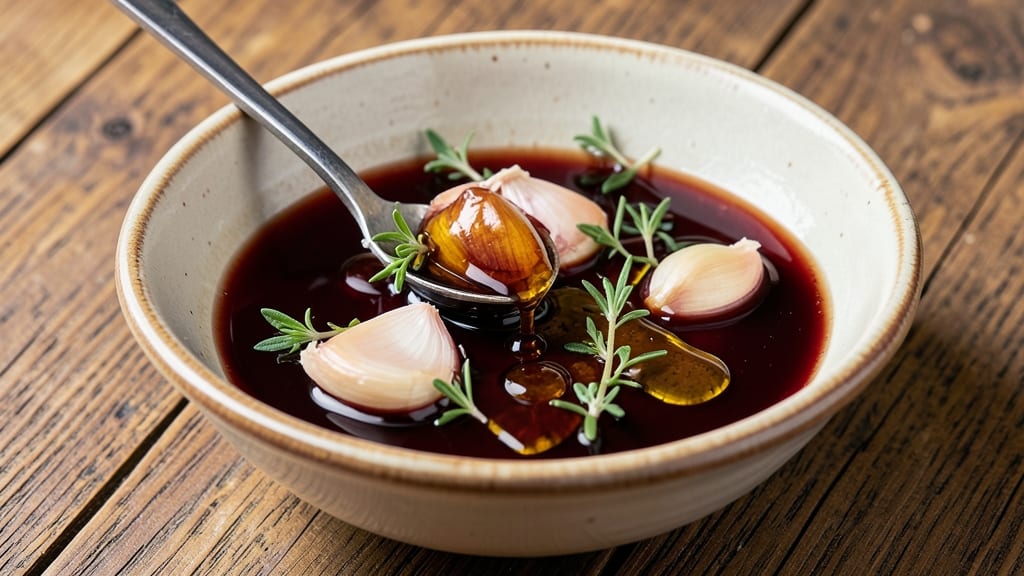
This balsamic dipping sauce recipe transforms simple ingredients into a velvety, tangy-sweet glaze that elevates everything from golden fries to grilled vegetables. The secret lies in balancing rich balsamic vinegar with just the right amount of honey and garlic—creating a sauce that's both bold and versatile.
Professional chefs rely on this technique to add depth to dishes without overpowering flavors, and you can achieve the same results at home with basic pantry staples.
The process is straightforward: simmer balsamic vinegar, honey, and garlic until the mixture thickens slightly, then finish with fresh herbs for brightness. This sauce isn’t just for dipping—it’s a game-changer for drizzling over charcuterie boards, enhancing grilled meats, or even glaze roasted vegetables.
The key is patience; letting the flavors meld during simmering ensures a harmonious balance of sweet, tangy, and savory notes that stick with every bite.
What makes this recipe stand out is its foolproof simplicity—no fancy techniques required, just a few minutes of active time and a little patience. The sauce keeps beautifully in the refrigerator for up to a week, making it perfect for meal prep or hosting.
Whether you're serving it alongside crispy fries, pairing it with artisanal cheeses, or using it as a marinade, this balsamic glaze adds a touch of restaurant-quality elegance to any dish.
For extra depth, consider adding a pinch of red pepper flakes or a splash of Dijon mustard to the mixture. The possibilities are endless, but the foundation remains the same: a perfect harmony of sweet, tangy, and umami that turns ordinary meals into something extraordinary. Let’s get started!
Ingredients for balsamic dipping sauce
Nine simple components create a velvety glaze that transforms ordinary dishes into restaurant-quality creations.
| Ingredient | Amount | Notes |
|---|---|---|
| Balsamic Vinegar 🍷 | ½ cup | High-quality aged variety preferred |
| Honey 🍯 | ¼ cup | Wildflower or clover preferred |
| Garlic Cloves 🧄 | 3 cloves | Minced for even distribution |
| Extra-Virgin Olive Oil 🫒 | ¼ cup | For richness and smooth texture |
| Fresh Thyme Leaves 🌿 | 1 tbsp | Chopped finely for freshness |
| Dijon Mustard 🍽️ | 1 tsp | For subtle tang and depth |
| Red Wine Vinegar 🍷 | 1 tbsp | Optional for additional acidity |
| Salt 🧂 | ½ tsp | Diamond Crystal preferred |
| Black Pepper 🌶️ | ¼ tsp | Freshly cracked for aroma |
The balsamic vinegar should be aged at least 12 years for optimal depth—Giovanni Rossi or Barbiano are professional-grade choices available at specialty stores. Honey quality matters too; local wildflower varieties add subtle floral notes that elevate the sauce. Garlic should be fresh, with no green shoots—Whole Foods or Trader Joe's carry excellent pre-minced garlic if you're short on time. The extra-virgin olive oil must be cold-pressed; California-based brands like Corto deliver robust flavor without bitterness, which can overpower the delicate balance of this sauce.
Substitutions are possible but require precision. For honey, maple syrup works in a pinch (use half the amount), though it lacks floral complexity. No fresh thyme? Dried thyme at one-third the quantity suffices, but fresh is ideal for that bright herbaceous note. Red wine vinegar can be omitted entirely, but if you prefer extra tang, apple cider vinegar at the same measurement provides a different fruit-forward profile. The Dijon mustard is crucial for emulsification—Maille or Grey Poupon are reliable brands that won't overpower the sauce's delicate balance.
Store the sauce in a clean glass jar with a tight seal, submerged in olive oil to preserve freshness. Keeps for up to 2 weeks in the refrigerator, though flavor peaks within 5-7 days. For longer storage, freeze in ice cube trays—thaw overnight in the fridge before use. The sauce thickens as it cools; simply whisk in a splash of warm water to restore its velvety consistency. Leftovers make excellent marinades for grilled vegetables or tenderizers for tougher cuts of meat.
Why You'll Love This Recipe
- Five-Ingredient Magic: I swear by this combo—just heat, stir, and wait. No peeling endless garlic cloves or measuring cups of weird spices. The honey and balsamic balance each other out perfectly with zero effort.
- Garlic-Thyme Kiss: That first whiff of simmering garlic in olive oil? Chef’s kiss. The thyme leaves add a bright, earthy note that makes it taste like you slaved over it for hours—not like you threw it together between Zoom calls.
- Game for Any Meal: Slather it on grilled chicken, drizzle it over roasted veggies, or serve it cold with crusty bread. Honestly, I’ve used it for everything from weeknight dinners to lazy Sunday brunches, and it never lets me down.
- Lasts All Week: Between us, this sauce tastes better the next day—yes, really. Store it in the fridge, and it’s ready to elevate leftovers or last-minute snacks without extra work. My fridge’s secret weapon.
Step-by-step instructions for balsamic dipping sauce
This method delivers a perfectly balanced, glossy sauce with depth of flavor and smooth texture.
Infuse the Garlic and Thyme
Heat the 0.25 cup Extra-Virgin Olive Oil in a small saucepan over low heat. Add the 3 cloves Garlic Cloves (minced) and 1 tbsp Fresh Thyme Leaves (chopped), stirring constantly for 2-3 minutes until the garlic becomes fragrant but doesn't brown. This gentle cooking releases the aromatic oils without bitterness.
Watch the color carefully—you want a pale golden hue, not dark brown. Remove from heat immediately once fragrant, then strain through a fine-mesh sieve into a clean bowl, pressing gently on the solids to extract all the infused oil. Discard the garlic and thyme solids. This step creates the aromatic base that carries through the entire sauce.
Combine Wet Ingredients
In a medium saucepan, combine the infused oil with the 0.5 cup Balsamic Vinegar and 0.25 cup Honey. Bring to a simmer over medium-low heat, stirring occasionally to prevent scorching. Add the 1 tbsp Red Wine Vinegar and 1 tsp Dijon Mustard, stirring until fully incorporated.
Simmer for 5-7 minutes until the mixture reduces slightly and becomes syrupy. You'll notice the sauce thicken and develop a glossy sheen. This reduction process concentrates the flavors while balancing the sweetness and acidity. Taste occasionally to monitor the flavor development—you want the honey to mellow while the vinegars maintain their bright acidity.
Season and Finish
Remove the saucepan from heat and stir in the 0.5 tsp Salt and 0.25 tsp Black Pepper. Let the sauce rest for 5 minutes to allow the flavors to meld completely. The resting period lets the salt dissolve evenly and the pepper disperse throughout the sauce.
For a smoother texture, strain the sauce through a fine-mesh sieve into a serving bowl, pressing gently on the solids. This ensures a silky finish perfect for dipping. The sauce should coat the back of a spoon with a glossy, velvety consistency. If it's too thick, whisk in 1-2 teaspoons of warm water to reach your desired dipping consistency.
Serve Immediately
Transfer the sauce to a serving bowl or small pitcher. Serve warm or at room temperature—both work beautifully. The sauce pairs exceptionally well with crispy fries, roasted vegetables, or grilled meats, adding a tangy-sweet contrast that elevates any dish.
For best results, use within 2-3 days when refrigerated. If storing, reheat gently in a small saucepan over low heat until warmed through, stirring occasionally to maintain the glossy texture. The sauce thickens slightly when cold, so a quick whisk with a splash of warm water restores its ideal consistency.
Pro Tips For Making Balsamic Dipping Sauce
- Simmer Low and Slow: If you rush this sauce on high heat, you’ll end up with a sharp, vinegary mess instead of something rich and balanced. Keep it at a gentle simmer—just enough to see tiny bubbles breaking the surface—and let it develop flavor over 8-10 minutes. I learned this the hard way after burning the garlic into oblivion.
- Crush Garlic, Don’t Mince: Whole cloves stay stubbornly al dente, while minced garlic burns in seconds. Lightly crush them with the flat side of your knife first—just enough to expose the edges without turning them into paste. This way, they’ll infuse the sauce without overpowering it.
- Balance the Sweet Early: Adding all the honey at once can turn your sauce cloying. Start with half, taste as you go, and adjust. The goal is a harmony, not a candy glaze—think "drizzle, then refine," not "dump and pray."
- Skip the Fresh Thyme, Use Dried: Fresh thyme leaves can float awkwardly and lose their flavor in the simmer. Tear a sprig of dried thyme into the pan instead—it blends in smoothly and releases aroma steadily. (Yes, even if you’re impatient like me.)
Storing and reheating your balsamic dipping sauce
Refrigerator Storage
Transfer your balsamic dipping sauce to a clean glass jar with an airtight lid—I recommend Ball mason jars for their durability. Store it in the refrigerator at 40°F or below, where it’ll keep for up to 2 weeks.
The sauce actually improves in flavor as it sits, with the balsamic and honey melding beautifully over time. 🌿
For longer freshness, submerge the sauce under 1 inch of extra-virgin olive oil in the jar. This creates a protective barrier that preserves the delicate balance of flavors and prevents oxidation. I like to use Corto olive oil for its rich, buttery notes that complement the sauce.
Freezer Preservation
Freeze the sauce in ice cube trays for portion control, then transfer the cubes to a freezer bag once solid. This method prevents freezer burn and makes it easy to thaw just what you need.
The sauce will last for up to 3 months in the freezer while maintaining its quality.
To thaw, move the cubes to the refrigerator overnight. Once thawed, whisk in 1 teaspoon of warm water to restore the original glossy consistency. The sauce may separate slightly after freezing, but a quick whisk brings it back together beautifully.
Reheating Techniques
For best results, reheat the sauce gently in a small saucepan over low heat. Add 1-2 tablespoons of water to prevent scorching, then stir constantly for 2-3 minutes until warmed through. This method preserves the sauce's velvety texture and prevents the honey from crystallizing.
If using a microwave, transfer the sauce to a microwave-safe bowl and heat in 20-second intervals, stirring between each interval. The sauce thickens when cold, so always adjust with warm water if needed before serving.
Texture Restoration
The sauce naturally thickens when refrigerated. To restore its ideal dipping consistency, whisk in 1 teaspoon of warm water at a time until smooth. For a more pronounced gloss, add ½ teaspoon of extra-virgin olive oil while whisking vigorously. This step ensures every dip delivers that perfect tangy-sweet balance. ✨
If the sauce separates after storage, simply whisk vigorously for 30 seconds to re-emulsify. The Dijon mustard in the recipe helps stabilize the mixture, but a quick whisk always brings it back to perfection.
Nutrition facts
Frequently asked questions
Can I make this balsamic dipping sauce without honey?
Yes, you can substitute honey with maple syrup or agave nectar at a 1:1 ratio, though honey provides the best floral depth. For a savory version, try 1 tablespoon of brown sugar instead—it adds caramel notes that pair beautifully with the balsamic's tang. The sauce will still work, but the flavor profile shifts toward a more pronounced umami balance.
How do I adjust the thickness for dipping vs. drizzling?
For a thicker dipping sauce, simmer the mixture 2-3 minutes longer to reduce further. For a thinner drizzling consistency, whisk in 1-2 teaspoons of warm water after cooling. The sauce should coat the back of a spoon for dipping or flow smoothly for drizzling. Adjust gradually—you can always thin more, but you can't thicken it back up easily.
What's the best way to use up leftover balsamic dipping sauce?
Leftover sauce makes an excellent marinade for grilled chicken or pork—just brush it on before cooking. It also works as a glaze for roasted vegetables or a finishing drizzle on flatbreads. For a creative twist, mix it with 1 teaspoon of soy sauce and use it as a dip for spring rolls or dumplings. The sauce's versatility means it rarely goes to waste!
Why did my sauce turn cloudy when refrigerated?
Cloudiness usually means the sauce separated due to temperature changes or insufficient emulsification. Whisk vigorously to re-combine, then reheat gently over low heat while stirring. The Dijon mustard helps stabilize the mixture, but adding ½ teaspoon of olive oil while whisking can restore its velvety texture. This is normal—just part of the sauce's natural behavior when cooling.
Can I use this sauce as a salad dressing?
Thin it with 2-3 tablespoons of olive oil and whisk until smooth. The tangy-sweet balance works beautifully with bitter greens like arugula or endive. For extra richness, add 1 teaspoon of balsamic reduction (store-bought or homemade) to intensify the flavor. It's a fantastic alternative to traditional vinaigrettes.