
Sauces & Condiments
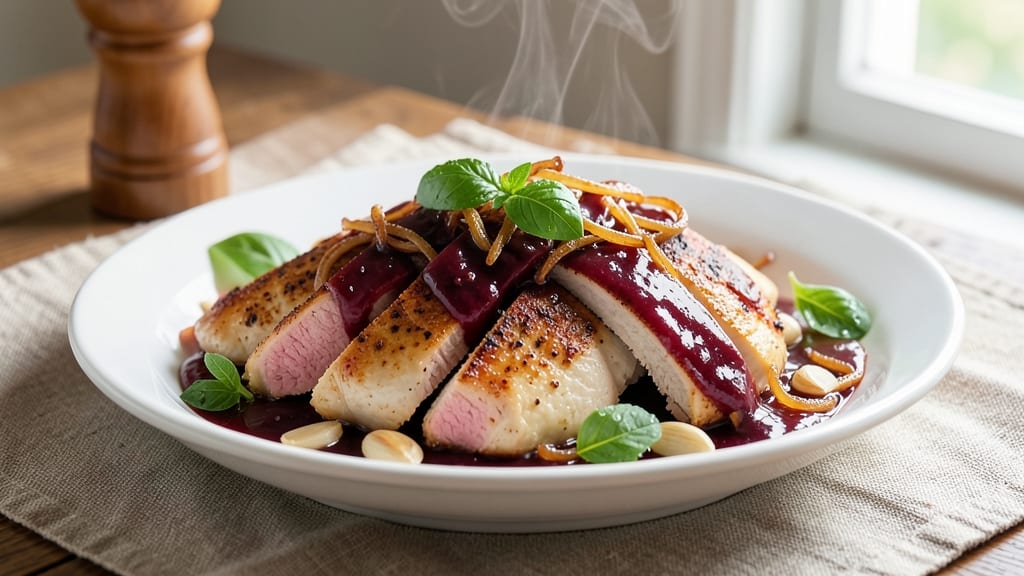
This balsamic chicken sauce recipe transforms simple pantry staples into a rich, velvety sauce that elevates grilled chicken, roasted vegetables, or even pasta to restaurant-quality levels. The key lies in balancing sweet balsamic vinegar with tangy tomato and aromatic herbs—no fancy techniques required, just precise timing and patience. I developed this sauce after years of experimenting with balsamic reductions, and it never fails to impress.
The foundation of this sauce is a slow simmer that allows the flavors to meld into a harmonious blend—sweet, tangy, and slightly smoky. Unlike store-bought versions, this recipe builds depth through proper caramelization of the onions and gradual reduction of the sauce.
The addition of fresh herbs at the end ensures brightness, while a splash of chicken stock keeps the sauce luscious without being heavy.
What you’ll end up with is a glossy, smooth sauce that clings beautifully to chicken, vegetables, or noodles, delivering layers of flavor in every bite. The natural sweetness of the balsamic vinegar balances the acidity, while the herbs add freshness that cuts through richness.
This sauce is equally at home drizzled over grilled chicken, tossed with roasted potatoes, or stirred into pasta for an instant upgrade.
Best of all, it keeps well in the refrigerator for up to 5 days, making it perfect for meal prep. Double the batch—you’ll want to use it again. Let’s make this sauce!
Ingredients for balsamic chicken sauce
Pantry basics meet restaurant-quality sauce—just 11 ingredients for bold flavor.
| Ingredient | Amount | Notes |
|---|---|---|
| Extra-Virgin Olive Oil 🫒 | ½ cup | High-quality, fruity variety |
| Yellow Onion 🧅 | 1 whole | Thinly sliced for caramelization |
| Garlic Cloves 🧄 | 4 cloves | Minced for aromatic depth |
| Balsamic Vinegar 🍷 | ½ cup | Aged, creamy variety preferred |
| Tomato Paste 🍅 | 2 tbsp | Smooth, no-sugar-added |
| Chicken Stock 💧 | 1 cup | Homemade or low-sodium |
| Fresh Basil Leaves 🌿 | ¼ cup | Packed, stems removed |
| Fresh Thyme Leaves 🌿 | 1 tbsp | Or 1 tsp dried thyme |
| Granulated Sugar 🍚 | 1 tbsp | Balances acidity |
| Diamond Crystal Kosher Salt 🧂 | 1 ½ tsp | Adjust to taste |
| Black Peppercorns 🌶️ | ½ tsp | Freshly cracked |
The balsamic vinegar is your secret weapon here. Look for aged, creamy balsamic at Whole Foods or Trader Joe's—the cheaper stuff lacks depth. The tomato paste? Squeeze tubes from Trader Joe's are perfect—no waste, and they keep for months. Fresh thyme is ideal, but dried works at one-third the amount. For onions, yellow or red both work, but yellow caramelizes slightly better. The olive oil should be fruity and peppery—California brands like Corto or Bertolli are my go-tos.
No balsamic vinegar? Substitute 2 tbsp red wine vinegar plus 1 tbsp brown sugar—it won’t be identical, but it’ll work. Fresh basil wilt fast—chop it last and add it right before serving. Short on chicken stock? Vegetable stock works too, just taste and adjust the salt. The sugar balances the acidity, but if you’re avoiding it, a pinch of cinnamon adds warmth without sweetness. For extra richness, stir in 1 tbsp unsalted butter at the end—trust me on this.
This sauce keeps beautifully—5 days in the fridge sealed in a jar. Double the batch and freeze half in ice cube trays for easy single servings. The flavors actually deepen overnight, so make it the night before if you can. If it thickens too much, just whisk in a splash of warm water. Leftovers? Toss with pasta, drizzle over grilled chicken, or use as a marinade—it’s that versatile.
Why You'll Love This Recipe
- Pantry Magic: I swear by this recipe on nights when I’ve got nothing but olive oil and a half-empty balsamic bottle. Five ingredients, one pan—no fancy prep, just sauteed onions until they’re sweet, a splash of vinegar that cuts through the richness, and that tomato paste? It’s the secret glue holding everything together.
- Umami Bomb: That moment when the balsamic reduces into a glossy, tangy-sweet sauce—it’s like a flavor explosion. The garlic sizzles, the onions caramelize, and the vinegar deepens into something almost syrupy. Honestly, it’s the kind of sauce that makes you pause mid-bite and go, “Wait, how is this so good?”
- Leftovers That Shine: Between us, this sauce gets better the next day. I make a double batch on Sundays, toss it with chicken thighs, and freeze half for when I’m too tired to cook. Reheated? Even richer. Slather it on toast, drizzle it over pasta, or just eat it with a spoon—it’s my go-to when I need something effortless but still feels special.
- Budget Stretch: I’m not kidding when I say this recipe costs me less than $5 for a full batch. Olive oil, onions, garlic—those are staples I always have. The balsamic vinegar? A little goes a long way, and it turns something simple into something restaurant-worthy. It’s my way of making frugality feel indulgent.
Step-by-step instructions for balsamic chicken sauce
Here's how to build that rich, tangy sauce that clings perfectly to chicken.
Caramelize the Onion and Garlic
Heat the 0.5 cup extra-virgin olive oil in a large saucepan over medium-low heat. Add the 1 whole yellow onion, sliced into thin half-moons, and cook for 12-15 minutes until the onions turn a deep golden brown and are soft enough to mash between your fingers. This slow cooking process develops natural sweetness that balances the acidity of the balsamic.
When the onions are nearly done, add the 4 cloves minced garlic and cook for another 1-2 minutes until fragrant—you should smell that sweet garlic aroma filling your kitchen. Be careful not to burn the garlic; it should just barely turn golden. Remove the pan from heat for now and set aside.
Build the Sauce Base
Return the pan to medium heat and stir in the 2 tbsp tomato paste, scraping up any browned bits from the bottom of the pan. These bits are packed with flavor, so don't miss them. Cook for 1 minute until the tomato paste darkens slightly and loses its raw taste.
Pour in the 0.5 cup balsamic vinegar and 1 cup chicken stock, then add the 1 tbsp granulated sugar and 1.5 tsp kosher salt. Bring the mixture to a gentle simmer, then reduce heat to low and let it cook uncovered for 10-12 minutes until it thickens slightly. The sauce should coat the back of a spoon but still be pourable.
Finish with Herbs and Pepper
Stir in the 0.25 cup fresh basil leaves and 1 tbsp fresh thyme leaves, letting them wilt into the sauce for 2-3 minutes. This infuses the sauce with their bright, fresh flavors. Remove from heat and stir in the 0.5 tsp freshly cracked black peppercorns—this adds a subtle, aromatic bite that cuts through the richness.
Taste and adjust seasoning if needed. The sauce should be tangy, slightly sweet, and deeply savory. If it's too acidic, add a pinch more sugar. If it's too thin, simmer uncovered for another 3-5 minutes to reduce it further. The sauce is best used immediately, but it will keep in the refrigerator for up to 3 days if stored in an airtight container.
Pro Tips For Making Balsamic Chicken Sauce
- Sweat the Onion Slowly: I used to rush this step, and my onions would either burn or turn to mush. Instead, cut them into even ¼-inch slices, cook them over medium-low heat for 8-10 minutes, and stir every 30 seconds. You want them soft and translucent—not golden, just broken down.
- Deglaze with Warm Vinegar: Cold balsamic vinegar in a hot pan just makes your sauce taste harsh. Warm it in a small saucepan for 30 seconds first, then pour it in while scraping up the browned bits. The sauce will thicken faster and taste richer.
- Simmer the Tomato Paste: Skip the "just toss it in" approach. Cook the tomato paste in the same oil for 2-3 minutes before adding liquids—it’ll deepen the flavor and prevent a raw, starchy taste. Stir constantly, or it’ll stick like glue.
- Balance the Vinegar Early: Balsamic vinegar is strong, and once it’s in, you can’t take it out. Taste the sauce after adding it, then adjust with a pinch of sugar (½ tsp) or a splash of chicken broth if it’s too sharp. Better to fix it now than regret it later.
Best sauces and condiments for balsamic chicken sauce
Creamy Garlic Twist
For a velvety texture, stir in 2 tbsp heavy cream or ¼ cup Greek yogurt at the end for a luxurious finish. I like Full Fat Greek Yogurt from Chobani—it adds tang without overpowering.
Add this after removing the pan from heat to prevent curdling. The creaminess pairs beautifully with grilled chicken and roasted potatoes. 🥄
Spicy Kick
Increase the heat by adding 1 tsp red pepper flakes or ½ tsp cayenne pepper when you stir in the herbs. For a smoky depth, add ½ tsp smoked paprika with the tomato paste.
This version works especially well with chicken thighs or spicy pasta dishes. I love using Penzeys brand smoked paprika for that authentic smokiness.
Herb Variations
Swap out the basil and thyme for other fresh herbs to match your dish. Try ½ cup chopped parsley and 1 tsp dried oregano for a Mediterranean vibe, or ¼ cup chopped rosemary and 1 tsp dried marjoram for a rustic touch.
Fresh rosemary needs to be added earlier—simmer it with the onions for 5-7 minutes to release its aroma.
Sweet & Tangy Glaze
Reduce the sauce by 25% more for a thicker glaze perfect for drizzling. Add 1 tbsp honey or 1 tbsp maple syrup with the sugar to enhance sweetness.
This version is fantastic over grilled chicken or as a marinade. I often use Wildflower brand honey for its floral notes that complement the balsamic.
Umami Boost
Add depth with 1 tbsp soy sauce or 1 tsp fish sauce when building the base. For a vegetarian option, use 1 tbsp mushroom powder or ½ cup finely chopped mushrooms sautéed with the onions.
This works wonderfully with tofu or vegetable stir-fries. The umami enhances the sauce's savory profile beautifully. 💡
Nutrition facts
Frequently asked questions
Can I make this sauce without balsamic vinegar?
Yes, but the flavor will differ. Replace 0.5 cup balsamic vinegar with 0.3 cup red wine vinegar plus 1 tbsp brown sugar for a similar tangy profile. For extra depth, add 1 tsp Dijon mustard with the tomato paste to mimic the sauce's complexity. The sauce will still taste great but lose that signature sweet-tart balance.
How do I prevent the sauce from getting too thick?
Keep the sauce on low heat and stir frequently. If it thickens too much, whisk in 1-2 tbsp warm water or chicken stock to loosen it. For a glossy finish, cover the pan for the last 2-3 minutes of cooking to trap steam. The sauce should coat the back of a spoon but remain pourable.
What's the best way to use leftover sauce?
Leftover sauce is incredibly versatile! Drizzle it over grilled chicken, toss with roasted vegetables, or stir into pasta for an instant upgrade. For extra flavor, simmer the sauce with 1 tbsp butter and 1 clove minced garlic to refresh it. It also makes a fantastic marinade—just thin it with a little water if needed.
Can I make this sauce in a slow cooker?
Sauté the onions and garlic as directed, then transfer everything to a slow cooker. Cook on low for 4-5 hours or high for 2-3 hours, stirring occasionally. The slow cooker method enhances the caramelization naturally, creating an even deeper flavor. Just watch the liquid level and add a splash of water if needed to prevent over-thickening.
Why did my sauce turn bitter?
Overcooking or burning the onions/garlic is the most common cause. Always cook onions on medium-low heat and remove them before they brown too darkly. If the sauce tastes bitter, balance it with 1 tsp honey or sugar and a splash of lemon juice to cut through the bitterness. For future batches, reduce heat after adding vinegar to prevent harsh flavors.