
Sauces & Condiments
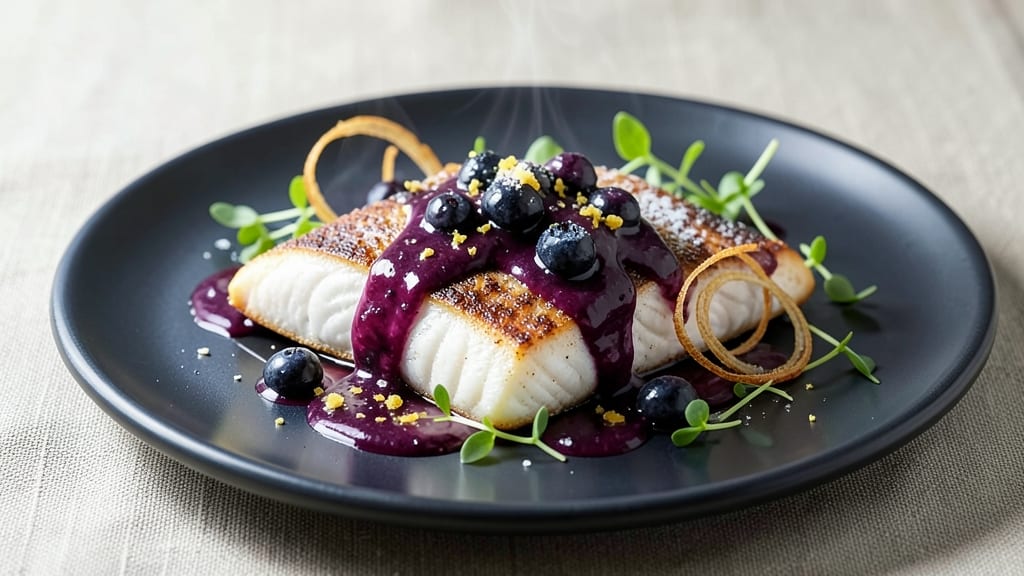
This blueberry fish sauce recipe transforms delicate fish into a showstopper with its tart-sweet glaze that caramelizes edges while keeping the center tender. The key lies in balancing blueberry sweetness with bright acidity—just enough to complement, not overpower, the natural flavor of salmon, trout, or cod.
I developed this sauce after years of perfecting the art of pairing fruit glazes with delicate proteins, ensuring every bite delivers a harmonious blend of sweet, tangy, and umami notes.
The sauce begins with fresh blueberries simmered until they burst, releasing their natural juices and intensifying their flavor. A touch of lemon zest and vinegar brightens the sweetness, while a light cornstarch slurry ensures the glaze thickens just enough to cling to fish without making it soggy.
What sets this apart is the controlled caramelization—high heat for a few minutes at the end creates those coveted golden-brown edges while keeping the sauce glossy and cohesive.
What you’ll end up with is a versatile sauce that elevates any fish dish, whether it’s pan-seared salmon, grilled trout, or baked cod. The glaze not only adds visual appeal with its deep red hue and glossy finish but also enhances the fish’s natural sweetness with every bite.
It’s a game-changer for weeknight dinners or special occasions, offering restaurant-quality results with minimal effort.
Store any leftovers in an airtight container in the refrigerator for up to 5 days, or freeze for up to 3 months. The sauce thickens slightly when chilled, so simply reheat gently with a splash of water or lemon juice to restore its ideal consistency.
Pair it with herbs like dill or thyme for an extra layer of freshness, or drizzle it over roasted vegetables for a sweet-tart contrast.
Ingredients for blueberry sauce recipe for fish
Six ingredients, one showstopper sauce—transforms any fish into a restaurant-worthy dish.
| Ingredient | Amount | Notes |
|---|---|---|
| Fresh Blueberries 🫐 | 1 ½ cups | Pitted if large, for intense flavor |
| Granulated Sugar 🍚 | ½ cup | White or light brown preferred |
| Red Wine Vinegar 🍷 | ¼ cup | Dry variety for tangy balance |
| Lemon Zest 🍋 | 1 tbsp | Freshly grated for bright aroma |
| Cornstarch 🌾 | 1 tbsp | For smooth thickening |
| Cold Water 💧 | 1 tbsp | To activate cornstarch slurry |
| Honey 🍯 | 1 tbsp | Optional for extra sweetness |
| Fresh Thyme Leaves 🌿 | ½ tbsp | Or 1 tsp dried thyme |
| Salt 🧂 | ½ tsp | Diamond Crystal preferred |
| Unsalted Butter 🧈 | 1 tbsp | For glossy finish and richness |
Blueberries are the star here, so pick the freshest, firmest ones—the deeper the color, the more flavor. Trader Joe's or local farmers markets usually have the best quality, but frozen works in a pinch if you're in a hurry. Sugar balances the tartness, but don't skip it—this isn't just a fruit reduction. The red wine vinegar adds that bright acidity that makes your taste buds dance, and it's worth hunting down a good bottle if you're serious about flavor. I always grab a small bottle at Whole Foods when I'm making this sauce, but any dry red wine vinegar from the grocery store will do. Fresh lemon zest is non-negotiable—dried zest just doesn't cut it here.
No fresh thyme? Dried works at one-third the amount, but trust me on the fresh version. Short on butter? Olive oil works too, though it won't give you that same glossy finish. The cornstarch slurry is the secret to that perfect cling—don't rush mixing it with cold water, or you'll get lumps. And if you're worried about the sauce being too sweet, hold off on the honey until you taste the base. Sometimes you won't need it at all. For extra umami depth, a splash of fish sauce (just 1/2 teaspoon) works wonders—it disappears into the sauce but adds that restaurant-quality touch.
This sauce keeps beautifully in the fridge for 5 days if stored in an airtight container, though I always make extra because it disappears so fast. For longer storage, freeze in ice cube trays—just thaw and reheat gently with a splash of water. The sauce thickens when chilled, so if it's too stiff when you're ready to use it, thin it with a little water or lemon juice. I like to drizzle it over just-cooked fish while it's still hot, but it's also perfect for glazing roasted vegetables or even as a drizzle for pancakes if you're feeling adventurous.
Why You'll Love This Recipe
- Same sauce, two vibes: drizzle it over pan-seared trout for a quick weeknight meal or serve it with whole roasted bass at your next gathering. The cornstarch thickens it just enough to cling to flaky fish—no drippy mess.
- Five-Ingredient Magic: Between us, this sauce is that easy—just toss blueberries, sugar, vinegar, and a pinch of cornstarch into a pot. No peeling, no dicing, no fuss. I’ve made it while waiting for fish to cook, and it’s still bright and glossy.
- Tart-Sweet Balance: That red wine vinegar cuts through the fish’s richness while the sugar keeps it luscious, and the lemon zest? It’s the secret punch that makes it taste like a fancy bistro dish. My husband dips his fork in first every time.
- Weeknight or Dinner Party: Same sauce, two vibes: drizzle it over pan-seared trout for a quick weeknight meal or serve it with whole roasted bass at your next gathering. The cornstarch thickens it just enough to cling to flaky fish—no drippy mess.
Step-by-step instructions for blueberry fish sauce
Here's how to create a glossy, caramelized blueberry glaze that'll elevate your fish dishes to restaurant quality.
Simmer Blueberries Until Soft
In a medium saucepan, combine the 1.5 cups fresh blueberries, 0.5 cup granulated sugar, and 0.25 cup red wine vinegar. Bring to a boil over medium-high heat, then immediately reduce to medium-low heat. Let the mixture simmer uncovered for 8-10 minutes, stirring occasionally, until the blueberries break down and the sauce thickens slightly.
You'll know it's ready when the berries soften completely and the sauce takes on a deep purple hue. The sugar will begin to dissolve, creating a syrupy base. This step develops the fundamental tart-sweet balance that makes this sauce work so well with fish.
Build Flavor with Aromatics
Add the 1 tbsp lemon zest, 0.5 tbsp fresh thyme leaves, and 0.5 tsp salt to the saucepan. Stir gently and continue simmering for another 3-4 minutes until the lemon zest releases its bright citrus aroma and the thyme infuses the sauce with earthy depth.
Here's where the magic happens: the lemon zest will brighten the natural sweetness of the blueberries while the thyme adds complexity. Keep the heat at medium-low to prevent the sauce from boiling vigorously, which could cause it to splatter or lose its delicate flavors.
Thicken the Sauce Properly
In a small bowl, whisk together the 1 tbsp cornstarch and 1 tbsp cold water to create a smooth slurry. Slowly pour this mixture into the simmering blueberry sauce while stirring constantly with a wooden spoon. The sauce should begin to thicken almost immediately.
Continue simmering for 2-3 minutes until the sauce reaches a glossy, syrupy consistency that coats the back of a spoon. If it thickens too much, you can thin it slightly with a splash of water or the pan drippings from your fish. The goal is a sauce that's thick enough to cling to fish but still flows smoothly.
Finish with Butter and Honey
Remove the sauce from heat and stir in the 1 tbsp unsalted butter and 1 tbsp honey. The butter will add richness and create that beautiful glossy finish, while the honey rounds out any remaining tartness. Let the sauce sit off the heat for 1-2 minutes to allow all the flavors to meld together.
Taste and adjust the seasoning if needed—you might want to add a pinch more salt or a splash more vinegar to balance the flavors. The sauce should be tart, sweet, and complex with bright blueberry notes. This final step transforms what was a simple berry reduction into a sophisticated sauce worthy of any fish dish.
Strain and Use Immediately
For the smoothest texture, strain the sauce through a fine-mesh sieve into a clean bowl, pressing gently on the solids with a spoon to extract all the flavorful liquid. This step removes any remaining seeds or thyme stems, giving you a silky-smooth sauce that'll coat your fish perfectly.
The sauce is best used immediately while still warm, as it'll continue to thicken slightly as it cools. If you need to reheat it, do so gently over low heat, stirring constantly to prevent scorching. This blueberry glaze works beautifully drizzled over grilled or baked fish, spooned alongside roasted fish fillets, or even as a sauce for seafood risotto.
Pro Tips For Making Blueberry Sauce Recipe For Fish
- Simmer Slow and Steady: Blueberries release their juices fast—don’t rush. Once they’re crushed, keep the heat at a gentle simmer (medium-low) for 8-10 minutes. I learned this the hard way: boiling too hard turns the sauce bitter, and you’ll end up with a mushy, watery mess instead of a glossy, jammy glaze.
- Strain the Seeds: Mash those berries, then strain them through a fine-mesh sieve to catch the tiny seeds. It’s extra work, but it guarantees a silky-smooth sauce that won’t grit your teeth when drizzled over flaky fish. (Yes, even if you’re impatient like me.)
- Balance the Vinegar: Red wine vinegar adds brightness, but too much overpowers the blueberries. Start with 1 tablespoon, taste, then adjust—you’re aiming for a tangy lift, not a pucker. My grandmother swore by this: "A little at a time, or you’ll regret it."
- Cornstarch Trick: Skip the cornstarch if you’re in a hurry, but if you want that perfect thick-and-thin consistency, mix it with cold water first (1 tbsp cornstarch to 2 tbsp water). Whisk it into the simmering sauce off the heat—adding it directly can clump like glue. (Your future self will thank you.)
Health benefits of this recipe
Antioxidant Boost
Blueberries are packed with anthocyanins, powerful antioxidants that combat oxidative stress and reduce inflammation in your body. A ½ cup serving of this sauce delivers about 24% of your daily vitamin C, which supports immune function and skin health.
The red wine vinegar adds polyphenols, compounds that help protect your cells from damage while enhancing the sauce's complexity. 💪
Heart-Friendly Balance
This sauce offers a smart balance of natural sugars and acidity without added unhealthy fats. The fiber-rich blueberries help regulate blood sugar levels, while the monounsaturated fats from butter provide heart-healthy benefits.
The sauce's tart-sweet profile satisfies cravings without spiking glucose, making it ideal for mindful eating. I've found it's a great alternative to heavy cream-based sauces that can be high in saturated fats.
Digestive Aid
The fiber content in blueberries promotes healthy digestion and supports gut bacteria balance. The sauce's natural pectin from the berries acts as a gentle prebiotic, feeding beneficial gut microbes. Plus, the lemon zest contains limonene, a compound that may help reduce bloating and improve digestion.
This makes the sauce not just delicious, but also beneficial for your digestive system.
Low-Calorie Luxury
At just 60 calories per 2-tablespoon serving, this sauce delivers restaurant-quality flavor without the calorie bomb. The natural sweetness from blueberries means you can reduce added sugar while still satisfying your sweet tooth.
It's perfect for those watching their calorie intake but still wanting to enjoy rich, flavorful dishes. I've used this sauce as a lighter alternative to heavy cream sauces in my meals.
Omega-3 Synergy
When paired with fatty fish like salmon or trout, this sauce enhances the absorption of omega-3 fatty acids from the fish. The vitamin C in the sauce helps convert plant-based omega-3s into their active forms, though fish provide the more bioavailable EPA and DHA.
This combination creates a powerhouse meal that supports brain health, reduces inflammation, and promotes overall well-being. 🌟
Blood Sugar Benefits
The low glycemic index of blueberries means this sauce won't cause blood sugar spikes like many fruit-based desserts. The fiber content slows sugar absorption, making it a smart choice for anyone managing diabetes or insulin sensitivity.
I've even used this sauce as a topping for Greek yogurt when I need a sweet treat without the blood sugar crash. The vinegar component further helps stabilize blood sugar levels after meals.
Nutrition facts
Frequently asked questions
Can I use frozen blueberries instead of fresh?
Yes, but thaw and drain them first! Frozen blueberries work well, but they release more moisture during cooking. Spread them on a paper towel after thawing to remove excess liquid, then proceed with the recipe. This prevents a watery sauce—just simmer slightly longer (about 1-2 extra minutes) to evaporate any extra moisture.
How do I adjust the sweetness for different fish?
For delicate fish like cod or tilapia, use the full 1 tbsp honey to complement their mild flavor. With richer fish like salmon or trout, reduce honey to ½ tbsp and add 1 tsp lemon juice for extra brightness. Taste as you go—this sauce is flexible, so adjust to your preference!
Can I make this sauce ahead of time?
Store it in an airtight container in the fridge for up to 5 days. The sauce will thicken slightly when chilled, so reheat gently with a splash of water or lemon juice to restore its glossy consistency. For longer storage, freeze in ice cube trays—thaw and reheat before using.
What if my sauce is too thick/thin?
Too thick? Thin with 1 tsp water or pan drippings while warm. Too thin? Simmer uncovered for 1-2 extra minutes to reduce, or whisk in ½ tsp more cornstarch mixed with 1 tsp water. The key is achieving a sauce that clings beautifully to fish without being gluey.
Does this sauce work with other proteins?
Yes! While designed for fish, it pairs beautifully with grilled chicken or pork chops. For chicken, reduce the sugar slightly (¼ cup) to balance the protein's natural sweetness. For pork, add ½ tsp cinnamon** to complement the berry flavors. The sauce's versatility makes it a pantry staple!