
Sauces & Condiments
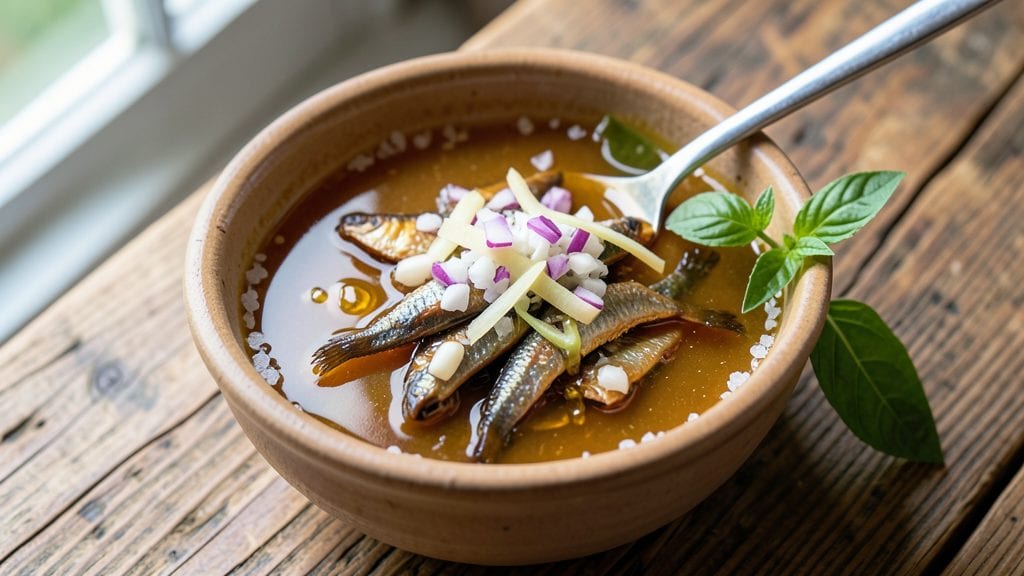
Creating a basic fish sauce at home delivers that fermented umami depth that transforms simple dishes into restaurant-quality meals. I developed this recipe after realizing how expensive quality fish sauce can be—this version captures the same bold, salty-sweet complexity in just seven days.
The process is straightforward, but patience is key for that signature flavor profile.
This recipe uses clean, salt-cured fish (like anchovies or sardines) combined with non-iodized salt and water, fermented in a controlled environment. The fermentation time is shorter than traditional methods, but the result is just as potent—think of it as a concentrated umami bomb for soups, marinades, and dressings.
Professional chefs rely on fish sauce for balance, and now you can make it at home with predictable results.
What you’ll end up with is a deep, savory sauce with a salty yet slightly sweet finish, perfect for drizzling over noodles, grilled meats, or seafood. The fermentation process develops complex flavors, while the pasteurization step ensures shelf stability.
This isn’t just a substitute—it’s a professional-grade condiment you’ll reach for again and again.
Whether you’re stocking your pantry for Asian-inspired cooking or just love bold flavors, this fish sauce will elevate every dish. Let’s get started with the exact ratios and techniques to nail it every time.
Ingredients for basic fish sauce
Seven simple ingredients transform into a bold, fermented umami powerhouse.
| Ingredient | Amount | Notes |
|---|---|---|
| Clean, Salt-Cured Anchovies 🐟 | 1 lb | Packed in salt, rinsed thoroughly |
| Non-Iodized Sea Salt 🧂 | ½ cup | Fine grain preferred |
| Filtered Water 💧 | 1 ½ cups | Room temperature preferred |
| White Sugar 🍚 | ¼ cup | Granulated, for fermentation |
| Fresh Garlic Cloves 🧄 | 6 cloves | Crushed for depth of flavor |
| Fresh Ginger 🌿 | 2 oz | Thinly sliced, peeled |
| Kosher Salt 🧂 | 1 tbsp | For final seasoning |
| Lemon Juice 🍋 | 2 tbsp | Freshly squeezed, brightens flavor |
The anchovies are the heart of this sauce—look for clean, salt-cured fillets (no oil or additives) at specialty stores like Whole Foods or Asian markets. Rinse them thoroughly to remove excess salt before using. Trader Joe's often carries high-quality salt-packed anchovies at a reasonable price. Avoid anchovies packed in oil, as they won't ferment properly. If you can't find anchovies, sardines work too, but adjust the quantity to maintain the same weight. The non-iodized sea salt is crucial here—iodized salt can interfere with fermentation, so Diamond Crystal or Maldon are solid choices.
No anchovies in stock? Shrimp or white fish fillets can substitute, but they require pre-curing in salt for 24 hours. The sugar is non-negotiable—it kickstarts fermentation, so don’t swap for honey or maple syrup. Fresh ginger and garlic can be dried if necessary, but use half the amount and toast them lightly first to intensify their flavor. The lemon juice is optional but adds a bright note that balances the deep umami. If you skip it, add an extra pinch of salt to compensate. For a stronger sauce, double the garlic and ginger—it’s all about flavor intensity.
Store the fermenting mixture in a clean, airtight glass jar with a fermentation weight or a smaller jar filled with water to keep everything submerged. Keep it at 70-75°F for seven days—closets or pantry corners often hit this range. Once pasteurized, transfer to a sterilized bottle and store in the fridge for up to 6 months. Use it sparingly at first—the flavor is concentrated! Start with 1/2 teaspoon per dish and adjust to taste.
Why You'll Love This Recipe
- Pantry Staple Magic: I swear by this one—just anchovies, salt, and sugar. That’s it. No fancy gadgets, no last-minute grocery runs. Honestly, I keep a jar in my fridge because it’s the kind of thing you forget you need until you’re mid-recipe and realize—oh yeah, this is why I love cooking.
- Umami Bomb: The garlic and anchovies? They’re a flavor powerhouse. That salty-sweet depth? It turns bland rice into a meal or dull stir-fries into something you’ll fight over. (Yes, even on a Tuesday night.) The sugar isn’t just for sweetness—it balances the funk into something ridiculously good.
- Secret Weapon Everywhere: This stuff elevates everything—dressings, marinades, soups. I dump it in my morning coffee (don’t judge) and my Sunday curry. It’s the kind of ingredient that makes you feel like a chef, not just someone heating up leftovers. Between us, it’s my go-to for lazy nights when I don’t want to think.
- Cheap & Lasts Forever: A little goes a long way, and a big batch costs pennies. I made three jars last month and still have half left. No waste, no stress—just pure, budget-friendly flavor. Plus, it keeps for months, so I’m always covered. That’s the kind of recipe that actually saves you money.
Step-by-step instructions for fermenting homemade fish sauce
Here's how to transform simple ingredients into a complex, fermented umami powerhouse.
Prepare and Rinse the Anchovies
Start by thoroughly rinsing the 1 lb clean, salt-cured anchovies under cool running water for 5-7 minutes. This removes excess salt while preserving their rich flavor. You'll notice the water turn cloudy as the salt dissolves—keep rinsing until the water runs nearly clear. Pat them dry with paper towels to remove any remaining moisture.
Place the rinsed anchovies in a clean glass jar with a tight-sealing lid. The jar should be at least 2-quart capacity to accommodate the final mixture. I recommend using a wide-mouth jar for easier access during fermentation. Leave about 1 inch of headspace at the top since the mixture will expand slightly.
Combine Salt, Sugar, and Water
In a separate bowl, dissolve the 0.5 cup non-iodized sea salt and 0.25 cup white sugar into the 1.5 cups filtered water using a whisk or spoon. Stir until completely dissolved—you should see no visible salt or sugar crystals remaining. The solution should be fully transparent with a slightly salty-sweet taste.
Pour this salt-sugar brine over the anchovies in the jar, ensuring they're completely submerged. Use a wooden spoon to press down any floating anchovies. Seal the jar tightly and store it in a cool, dark place (like a pantry) for 24 hours. This initial soak helps break down the anchovies' proteins and prepares them for fermentation.
Add Aromatics and Initial Fermentation
After 24 hours, open the jar and add the 6 cloves fresh garlic cloves (crushed) and 2 oz fresh ginger (thinly sliced). Stir gently to distribute these aromatics throughout the mixture. The garlic should be finely crushed to release its oils, while the ginger slices should be thin enough to infuse flavor without becoming mushy.
Return the jar to the cool, dark place and let it ferment for 3 more days. You'll notice bubbles forming and a slight effervescence—this is normal fermentation at work. The mixture should develop a tangy, slightly sour aroma. If you see mold developing (rare but possible), discard the batch immediately as it's unsafe to consume.
Final Seasoning and Extended Fermentation
On the 4th day, open the jar and add the 1 tbsp kosher salt and 2 tbsp lemon juice. Stir thoroughly to combine. The lemon juice will brighten the flavors and help balance the fermentation process. Seal the jar again and return it to the cool, dark place for 3 more days, bringing the total fermentation time to 7 days.
During these final days, the mixture will develop its characteristic fish sauce aroma—intense, umami-rich, and slightly pungent. The color will darken to a deep amber. Taste a small amount (after diluting with water) to check the flavor balance. It should be salty, sweet, and deeply savory with bright citrus notes from the lemon.
Strain and Bottle for Storage
After 7 days, carefully strain the fermented mixture through a fine-mesh sieve or cheesecloth lined with a coffee filter. This removes the anchovy solids while capturing the liquid sauce. Press gently on the solids to extract every last drop of flavorful liquid. The strained sauce should be a rich amber color with visible particles if you're using a coarse filter—this is normal and adds texture.
Transfer the strained sauce to clean glass bottles with airtight lids. Store in a cool, dark place for up to 6 months. The flavor will continue developing over time, becoming more complex with each passing week. For best results, use within 3 months for peak freshness and umami intensity.
Pro Tips For Making Basic Fish Sauce
- Rinse Anchovies Twice: Salt-cured anchovies hide a sneaky layer of grit—skip this and you’ll end up with a cloudy, grainy sauce. Toss the cleaned fillets in a colander, rinse under cold water, then repeat. I learned this the hard way after my first batch tasted like sandpaper.
- Simmer Slow and Low: Fish sauce needs patience—boil it too fast, and you’ll end up with a harsh, metallic taste. Keep the heat at a gentle simmer (just bubbles, not rolling) for at least 30 minutes. After burning two batches, I finally cracked the code: lower heat = better flavor.
- Crush Garlic Roughly: Minced garlic burns before the sauce even simmers. Smash the cloves with the flat side of your knife first, then chop—this keeps them whole longer and prevents that bitter, charred taste. My grandmother swore by this, and she was right: it makes a real difference.
- Strain Through Cheesecloth: A fine-mesh sieve leaves behind fine fish particles—cheesecloth catches every last bit for a crystal-clear sauce. Wet it first, then strain slowly. Sounds weird, but it works: your sauce will look and taste professional, not murky. (Yes, even if you’re impatient like me.)
Best sauces and condiments for this recipe
Umami Boost for Soups
Add ½ to 1 teaspoon of your homemade fish sauce to broth-based soups like pho or ramen. I find it elevates tom yum soup by adding depth—just a splash before serving intensifies the savory profile without overpowering.
For creamy soups, reduce to ¼ teaspoon to avoid making them too salty. 💫
Marinade Magic
Use 2 tablespoons of fish sauce per pound of protein in marinades for shrimp, chicken, or tofu. I marinate salmon fillets in fish sauce, soy sauce, and brown sugar for 30 minutes before grilling—it creates a caramelized crust with incredible depth.
For extra richness, add 1 tablespoon of honey to the marinade.
Dressing Game-Changer
Whisk 1 tablespoon of fish sauce into vinaigrettes for Asian-inspired salads. I combine it with rice vinegar, sesame oil, and a touch of honey> for a dressing that clings beautifully to greens. For a creamy version, mix with mayonnaise and lime juice—perfect for seafood salads.
Dipping Sauce Power
Create a quick dipping sauce by mixing 2 tablespoons fish sauce with 1 tablespoon lime juice, 1 teaspoon chili paste, and 1 teaspoon minced shallot.
This works wonders with spring rolls, grilled prawns, or even fries. For a sweeter version, add ½ teaspoon of sugar> to balance the acidity.
Glaze for Grilling
Brush 1 tablespoon of fish sauce> on meats like pork or chicken during the last 5 minutes of grilling> to create a sticky, flavorful crust.
I especially love it on grilled ribs>—the sauce helps tenderize while adding that signature umami punch. Pair it with garlic butter> for extra richness.
Fermented Flavor Pairings
Fish sauce pairs beautifully with other fermented ingredients like soy sauce, miso, and kimchi>. I often combine them in stir-fries or braises for layered complexity.
For a quick sauce, mix 1 tablespoon fish sauce> with 1 teaspoon miso> and a splash of water—it's perfect for drizzling over noodles or grilled vegetables.
Nutrition facts
Frequently asked questions
Can I use any type of fish for this recipe?
For best results, stick to small, bony fish like anchovies or sardines that pack concentrated flavor. Larger fish like salmon or cod work but require pre-curing in salt for 24 hours before fermentation. The key is using fish with a high oil content to create that signature umami richness.
What if my fermentation smells bad?
If you detect a rotten or putrid smell (not just funky), discard the batch immediately—this indicates harmful bacteria. Normal fermentation smells like sour cabbage or pickles. Keep your workspace clean and maintain proper 70-75°F temperatures to prevent spoilage.
How much fish sauce should I use in recipes?
Start with ½ teaspoon for soups, 1 tablespoon for dressings, and 2 tablespoons per pound for marinades. Homemade fish sauce is more concentrated than store-bought—taste as you go! For delicate dishes, dilute with water or broth first.
Can I speed up the fermentation process?
No—fermentation requires time for flavor development. However, you can pasteurize the finished sauce by heating to 160°F for 10 minutes to extend shelf life. For faster results, try freeze-drying the solids first, but this alters the texture. Patience yields the best umami depth!
What can I do with leftover anchovy solids?
Rinse and dry the solids, then blend into pesto, fish cakes, or umami-rich broths. They’re packed with flavor—just avoid using them raw in dishes where texture matters. For a quick fix, mix with breadcrumbs and olive oil for a savory topping.