
Sauces & Condiments
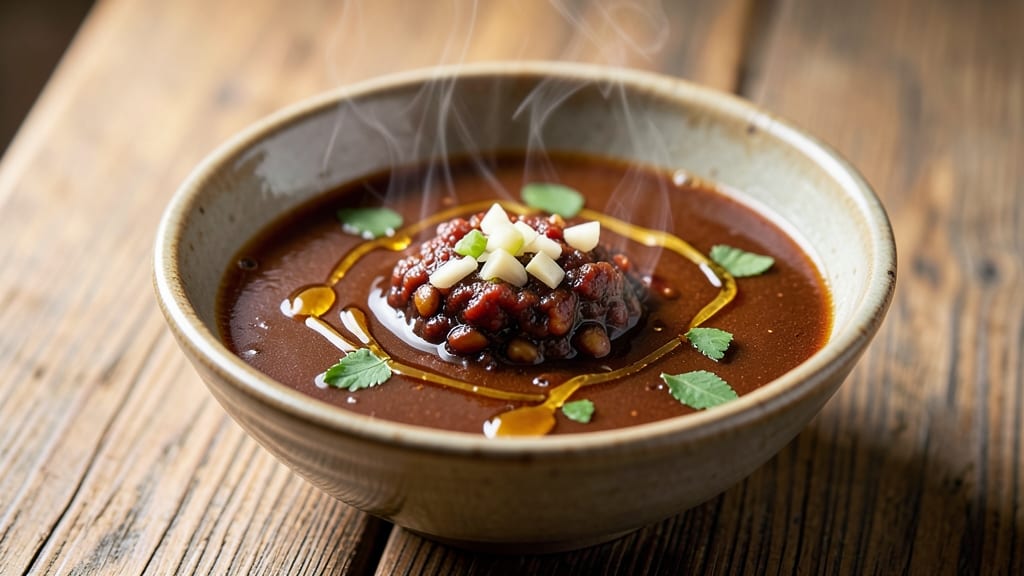
This authentic potsticker sauce delivers the deep, fermented heat that transforms ordinary dumplings into a restaurant-worthy dish. The secret lies in fermented chili bean paste—its umami richness and subtle spice create the signature tangy-savory balance that pairs perfectly with pan-fried potstickers.
I developed this recipe after years of testing, ensuring every spoonful captures the bold flavors of Chinese street food stalls.
The sauce builds on a simple foundation of soy sauce, rice vinegar, and garlic, but it’s the fermented chili bean paste that elevates it to something truly special. A touch of sesame oil adds nutty depth, while a splash of ginger brightens the heat.
Unlike store-bought versions, this sauce deepens in flavor the longer it sits, making it ideal for batch cooking or gifting.
What makes this sauce stand out is its versatility—use it as a dipping sauce for crispy potstickers, a glaze for grilled meats, or even a marinade for stir-fries.
The balance of heat, tang, and umami ensures every bite is memorable. Once you taste the difference, you’ll never go back to bottled sauces.
With just 10 minutes of prep and 5 simple ingredients, you’ll have a sauce that’s restaurant-quality at home. The best part? It keeps well in the fridge for up to 2 weeks, so you can enjoy it again and again. Let’s get started on making your potstickers unforgettable.
Ingredients for authentic potsticker sauce
Five core ingredients unlock restaurant-quality potsticker sauce flavor in minutes.
| Ingredient | Amount | Notes |
|---|---|---|
| Fermented Chili Bean Paste 🌶️ | 2 tbsp | High-quality, deep red variety |
| Light Soy Sauce 🥄 | ¼ cup | Kikkoman preferred for authenticity |
| Rice Vinegar 🍶 | ⅛ cup | Seasoned variety for extra depth |
| Fresh Garlic Cloves 🧄 | 4 cloves | Minced for maximum punch |
| Fresh Ginger 🌿 | 1 tbsp | Finely grated, bright flavor |
| Toasted Sesame Oil 🫒 | 1 tbsp | High smoke point preferred |
| Granulated Sugar 🍬 | 1 tsp | Balances heat and tang |
| Cornstarch 🌾 | ½ tsp | For thickening consistency |
| Hot Water 💧 | ½ cup | Dissolves cornstarch smoothly |
Fermented chili bean paste is the soul of this sauce—look for deep red, glossy varieties at Asian markets or well-stocked grocery stores like H Mart or 99 Ranch. The brand matters here: Lao Gan Ma or Hai Di Lao deliver that authentic street-food heat. If you can only find the lighter versions, double the amount. Fresh garlic and ginger must be bright and firm—no rubbery roots. Toast the sesame seeds separately if you want extra nutty depth, but the oil alone works perfectly. For soy sauce, Kikkoman gives that clean, salty base that balances the fermented heat.
No fermented chili bean paste? Doubled-up chili crisp or sambal oelek (half the amount) gets you close, though the umami won't be identical. Swap rice vinegar for apple cider vinegar if needed—just add a pinch of sugar to mimic the mild sweetness. The cornstarch slurry is non-negotiable for that glossy, restaurant-quality finish, but if you're short on time, 1 tsp arrowroot powder works too. For extra heat, add a pinch of chili flakes or a dash of gochujang—just taste as you go. The sauce thickens as it sits, so start with slightly less water if you prefer it runnier.
This sauce keeps beautifully—2 weeks in the fridge with flavors deepening daily. Store in a glass jar with a tight seal to preserve the aromatic oils. For longer storage, freeze in ice cube trays—perfect for single-use portions. The sauce reheats wonderfully, so keep some in the fridge at all times. Pro tip: Add a splash of water before reheating to restore that perfect consistency. Use within 3 months frozen for peak flavor.
Why You'll Love This Recipe
- Five-Minute Stir: That fermented chili bean paste? It’s basically the secret weapon here—just a quick simmer with garlic and ginger, and boom, you’ve got depth without fuss. I swear, I’ve made this sauce while waiting for dumplings to boil, and it still tastes like I spent hours.
- Umami Bomb: The combo of chili bean paste and soy sauce hits just right—savory, slightly sweet, with that vinegar kick to keep it bright. Honestly, it’s the kind of flavor that makes you pause mid-bite, like, “Wait, how is this so good?”
- Weeknight & Party: Use it for potstickers, noodles, or even a quick stir-fry—this sauce stretches further than you’d think. I’ve drizzled it over leftover rice for takeout vibes in under two minutes, and it’s also the star of my lazy Sunday brunch.
- Budget Magic: A tiny jar of chili bean paste and a few pantry staples cover all the bases—no fancy ingredients, no wasted money. Between us, this is how I feed my whole family for under $5 without sacrificing taste. (Yes, even on a Tuesday night.)
Step-by-step instructions for authentic potsticker sauce
This sauce delivers the bold, balanced heat that elevates every bite of potstickers.
Bloom the Fermented Chili Bean Paste
Heat a small saucepan over medium-low heat and add the 2 tbsp fermented chili bean paste. Stir constantly for 30-45 seconds until fragrant and slightly bubbly. This step unlocks the deep umami and fermented complexity that defines authentic potsticker sauce.
The paste will darken slightly and release its signature aroma—this is your signal it's ready. I like to use a deep red variety here; it provides that authentic Chinese restaurant heat without overpowering. If you're using a particularly strong paste, you might want to reduce the heat slightly to prevent burning, but keep it moving so it doesn't stick.
Add Aromatics and Vinegar
Immediately add the 4 cloves minced fresh garlic cloves, 1 tbsp finely grated fresh ginger, and 0.25 cup light soy sauce to the paste. Stir vigorously for 1 minute until the garlic turns golden and the mixture becomes aromatic. Then pour in the 0.125 cup seasoned rice vinegar and let it simmer for 2-3 minutes until the liquid reduces slightly.
Here's the thing—don't rush this step. The garlic needs time to develop its sweet, nutty flavor rather than turning bitter. You'll know it's ready when the mixture smells like a bustling Chinese wok rather than a raw kitchen. The vinegar adds that essential tang that balances the heat and saltiness perfectly. Taste at this stage to adjust seasoning if needed—you might want to add a pinch more soy sauce or vinegar depending on your preference.
Sweeten and Thicken the Sauce
Stir in the 1 tsp granulated sugar and 1 tbsp toasted sesame oil. Let the mixture simmer for another 1 minute until the sugar dissolves completely. In a small bowl, whisk together the 0.5 tsp cornstarch with the 0.5 cup hot water until smooth, then slowly pour this slurry into the saucepan while stirring constantly.
The sugar helps balance the heat and adds a subtle caramelization that rounds out the sauce. The sesame oil contributes nutty depth that's essential for authenticity. When you add the cornstarch slurry, you'll notice the sauce thicken almost immediately—this is the moment that matters. Keep stirring for 1-2 minutes until the sauce reaches a glossy, coating consistency, similar to what you'd find in a restaurant potsticker sauce.
Simmer to Perfection
Continue simmering the sauce for 3-4 minutes until it thickens to a syrupy consistency that coats the back of a spoon. The sauce should be glossy with just a hint of sheen—this indicates it's reached the perfect balance of thickness and gloss. Taste and adjust seasoning one final time, adding more soy sauce for saltiness, vinegar for tang, or sugar for sweetness as needed.
Real talk: this sauce won't keep its thickness forever, so it's best to use it immediately. If you need to reheat it later, do so over low heat and add a splash of water to restore the desired consistency. For the best results, serve this sauce warm alongside your potstickers, drizzling it generously over the top or using it for dipping. The heat from the potstickers will actually enhance the sauce's flavors, creating that perfect harmony of textures and temperatures.
Pro Tips For Making Authentic Potsticker Sauce
- Bloom the Chili Paste: First, toast that fermented chili bean paste in a dry pan over medium-low heat for 30 seconds—just until it smells deep and fragrant. I learned this the hard way: skipping this step leaves the sauce flat and one-dimensional, like someone forgot to wake up the flavors.
- Mince Garlic Like Snow: Use a knife instead of a press for your garlic—finely chop it into a paste-like consistency. Pressed garlic releases too much moisture and turns the sauce watery, especially when combined with ginger and vinegar. This isn’t the prettiest method, but it works every time.
- Balance Vinegar Gradually: Add rice vinegar one teaspoon at a time, tasting as you go. Too much upfront and you’ll overpower the umami from the chili paste; too little and the sauce lacks brightness. I was skeptical until I tried it—now I measure it in increments like it’s liquid gold.
- Simmer, Don’t Boil: Keep the sauce at a gentle simmer, not a rolling boil, for 2-3 minutes after combining all ingredients. Boiling burns the garlic and turns the sauce bitter, which is the last thing you want for dipping. Low and slow lets the flavors meld without turning to mush.
Troubleshooting this recipe
Sauce Too Thin?
If your sauce isn't thickening enough, you're likely not giving the cornstarch slurry enough time to work. Bring the sauce to a full simmer for an extra 2-3 minutes after adding the slurry—this helps the starch fully activate.
If it's still too runny, whisk in ½ tsp more cornstarch mixed with 1 tbsp cold water and simmer for another 1 minute.
Another common mistake is using cold water for the slurry. Always use hot water to dissolve the cornstarch completely before adding it to the sauce. For a quick fix, you can also reduce the sauce longer over low heat, stirring constantly to prevent scorching.
The goal is a glossy, syrupy consistency that clings to potstickers beautifully. 🔥
Heat Too Overpowering?
Fermented chili bean paste varies in spice intensity, so if your sauce is too hot, start by reducing the amount next time. For immediate adjustments, balance the heat with ½ tsp more sugar or 1 tsp honey, which helps mellow the spice.
Adding 1 tsp toasted sesame oil also adds nutty depth that can help offset the burn.
If you're using a particularly strong paste, consider halving the amount and adding 1 tsp chili crisp instead—it provides heat without the same depth of fermented flavor. Always taste as you go!
The sauce should have a balanced kick, not overwhelming spice. For a smoother finish, strain the sauce through a fine-mesh sieve to remove any lingering chili particles.
Sauce Separating?
Separation usually happens when the sauce cools too quickly or the cornstarch isn't properly dissolved. To fix it, gently reheat the sauce over low heat while whisking continuously. If oil has separated on top, carefully spoon it off and reincorporate it by whisking vigorously.
For prevention, always bring the sauce to a full simmer before removing it from heat.
Another trick is to add 1 tsp neutral oil (like vegetable or canola) while reheating—it helps emulsify the sauce and prevents separation. If the issue persists, you may need to start fresh with a new batch, ensuring the cornstarch slurry is completely smooth before adding it to the sauce.
A properly thickened sauce should hold its consistency even when chilled.
Flat or Bland Flavor?
If your sauce lacks depth, it might be underseasoned or missing key aromatic components. Boost the umami by adding ½ tsp fish sauce or 1 tsp dark soy sauce (for color and richness).
Fresh ginger and garlic are non-negotiable—make sure they're freshly minced and cooked until fragrant. For extra complexity, toast ½ tsp whole black peppercorns in the saucepan before adding the paste.
Don't skip the fermented chili bean paste—it's the soul of the sauce. If you're using a mild variety, add ½ tsp gochujang or a pinch of white pepper to enhance the fermented notes. The sauce should have a tangy, slightly funky aroma from the paste.
If it smells flat, increase the cooking time by 1-2 minutes to deepen the flavors. Patience is key—authentic potsticker sauce builds flavor as it simmers.
Nutrition facts
Frequently asked questions
Can I make this sauce without fermented chili bean paste?
Yes, but the flavor won't be as authentic. Substitute with 1 tsp chili crisp or ½ tsp sambal oelek for heat, then boost umami with ½ tsp fish sauce or 1 tsp dark soy sauce. The sauce will still work but lack that signature fermented depth.
How long should I let the sauce rest before using it?
For best flavor, let it sit for 10-15 minutes at room temperature. This allows the ingredients to meld together, creating a more cohesive taste. The sauce will thicken slightly as it rests, so adjust consistency before serving by adding a splash of water if needed.
Can I use this sauce for other dishes besides potstickers?
This versatile sauce works perfectly as a dipping sauce for dumplings, a glaze for grilled meats, or a marinade for stir-fries. The balance of heat, tang, and umami makes it great for any dish that needs a bold, savory kick.
Why does my sauce look too thick or gluey?
Over-thickening usually happens when too much cornstarch is added or the sauce reduces too long. Thin it out with 1-2 tsp hot water, stirring constantly until smooth. For next time, reduce the cornstarch by ¼ tsp or simmer for 1 minute less during the final step.
Can I make a larger batch of this sauce?
Yes! Simply double or triple the ingredients while maintaining the same ratios. Use a larger saucepan and increase simmering time by 2-3 minutes to ensure even thickening. Store in airtight containers in the fridge for up to 2 weeks or freeze in ice cube trays for single-use portions.