
Sauces & Condiments
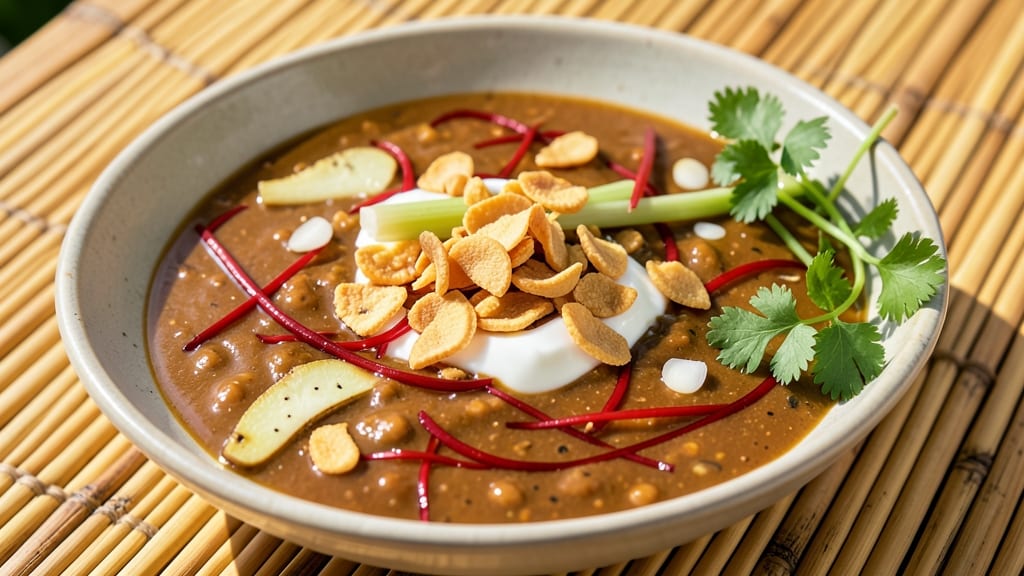
This Bali peanut sauce recipe transforms grilled dishes into a symphony of nutty, creamy richness with every dip. 🌟 The secret lies in blending toasted peanuts with fragrant coconut milk, lemongrass, and chili—a perfect balance of sweet, spicy, and umami that elevates any protein.
I developed this version after tasting authentic Indonesian versions, simplifying it for home cooks while keeping the bold flavors intact.
The sauce starts with a smooth base of ground peanuts and coconut milk, simmered until thick and velvety. Fresh garlic, ginger, and lemongrass infuse the sauce with aromatic depth, while a touch of tamarind adds that signature tang.
The result? A glossy, clingy sauce that coats every bite, whether drizzled over grilled chicken, tofu, or vegetables. It’s restaurant-quality without the fuss.
What makes this sauce truly special is its versatility—adjust the chili heat to suit your taste, or add a splash of lime for brightness. It keeps well in the fridge for up to a week, making it perfect for meal prep.
The nutty, slightly sweet profile pairs beautifully with grilled meats, stir-fries, or even as a dipping sauce for spring rolls.
Once you try this sauce, you’ll never reach for store-bought again. The blend of toasted peanuts and coconut milk creates a texture that’s creamy yet light, with just the right amount of heat to wake up your taste buds.
Let’s get started—your next meal is about to get a serious flavor upgrade.
Ingredients for bali peanut sauce
Toasted peanuts meet fragrant coconut milk for this nutty-sweet sauce that transforms grilled dishes instantly.
| Ingredient | Amount | Notes |
|---|---|---|
| Peanuts 🥜 | 1 cup | Toasted, unsalted peanuts preferred |
| Full-Fat Coconut Milk 🥥 | 13 ½ oz | One 13.5 oz can, full-fat preferred |
| Lemongrass 🌿 | 3 inches | Fresh, tough outer leaves removed |
| Garlic Cloves 🧄 | 4 cloves | Freshly minced for aromatic depth |
| Fresh Ginger 🧅 | 1 inch | Peeled, finely grated |
| Tamarind Paste 🍯 | 1 tbsp | Adjust for tangy preference |
| Red Chili Flakes 🌶️ | 1 tsp | Adjust for heat preference |
| Soy Sauce 🍶 | 1 tbsp | Light or dark preferred |
| Lime Juice 🍋 | 1 tbsp | Freshly squeezed for brightness |
| Sugar 🍚 | 1 tbsp | White or brown preferred |
| Salt 🧂 | ½ tsp | Adjust to taste |
The peanuts are the star—toast them in a dry pan until golden for maximum flavor. Costco or Trader Joe's sell bulk unsalted peanuts at great prices, but any store-brand works. For lemongrass, look for stalks with vibrant green leaves—Asian markets often have the freshest. The coconut milk should be full-fat (none of that skim nonsense) for that rich, velvety texture. If you can't find fresh lemongrass, substitute 1 tbsp lemongrass paste—just know it won't be as aromatic.
No tamarind paste? Lime juice plus 1 tsp sugar mimics the tang. Chili flakes too spicy? Swap for ½ tsp sweet paprika. The soy sauce can be light or dark—Kikkoman or Lee Kum Kee are reliable. For extra depth, add ½ tsp fish sauce (if not vegan), but don't skip it entirely. The sugar balances the heat, so don't omit it unless you're going for a savory-only profile. Fresh ginger is ideal, but substitute ½ tsp ground ginger if needed—just know it won't have the same zing.
This sauce thickens as it cools, so thin with a splash of water if needed. Keeps 5-7 days in the fridge, sealed tightly. Freezes beautifully for up to 3 months—portion into ice cube trays for easy use. The nutty aroma intensifies overnight, so make it fresh for best flavor, but leftovers reheat perfectly. Store-bought versions can't compete with this homemade richness—trust me, you'll be hooked.
Why You'll Love This Recipe
- No Blender Required: I’ll admit, I was skeptical about making this without a blender—until I realized you can just toast the peanuts in a dry pan, then mash them with a fork right in the pot. The coconut milk and lemongrass do all the heavy lifting for creaminess, and honestly? The texture’s richer than anything I’ve ever blended.
- Umami Bomb: That first bite of garlic and ginger hitting your tongue, then the peanuts adding this nutty crunch—it’s like a flavor explosion. The full-fat coconut milk ties it all together with this silky, almost addictive richness. I’ll be real: I’ve made this sauce three times in a week because it’s just that good.
- Dresses Anything: Stir it into noodles, drizzle it over grilled chicken, or even slather it on a sandwich. The balance of spicy, sweet, and savory works with everything. My lazy Sunday habit? Tossing it with rice and steamed veggies—zero effort, maximum satisfaction.
- Pantry Goldmine: You’re using ingredients you already have—peanuts, coconut milk, garlic—so it’s cheap to make and won’t go to waste. Plus, it keeps for days in the fridge, so I batch it on Sundays and use it all week. No sad leftovers here; just more flavor waiting to happen.
Step-by-step instructions for Bali peanut sauce
This vibrant sauce comes together in minutes with just a blender and patience.
🍳 Step 1: Toast the Peanuts for Maximum Flavor
Heat a dry skillet over medium heat and add the 1 cup peanuts. Toast them for 3-4 minutes, stirring constantly, until they turn a rich golden brown and release their nutty aroma. You'll know they're ready when they smell deeply toasted and the color deepens to a warm caramel hue.
Watch them closely—they burn quickly! Remove from heat immediately once toasted and transfer to a small bowl to cool slightly. This toasting step is crucial; it deepens the peanut flavor and prevents a raw, beany taste in your sauce. Let them cool for 2 minutes before blending.
👨🍳 Step 2: Prepare the Aromatics and Blend
While the peanuts cool, peel the 3 inches lemongrass by cutting off the tough outer leaves, then slice into 2-inch pieces. Peel and finely grate the 1 inch fresh ginger using a microplane or fine grater. Mince the 4 cloves garlic cloves into a fine paste—this ensures even distribution of flavor.
In a blender, combine the toasted peanuts, lemongrass, ginger, garlic, 1 tbsp tamarind paste, 1 tsp red chili flakes, 1 tbsp soy sauce, and 1 tbsp sugar. Pulse 2-3 times to break everything down into a coarse paste. This rough texture helps create that signature chunky yet smooth consistency that makes this sauce so special.
🥘 Step 3: Blend with Coconut Milk for Creamy Perfection
Open the 13.5 oz can of full-fat coconut milk and pour in ½ cup of the thick cream from the top (save the remaining liquid for another use). Add this to your blender along with 1 tbsp lime juice and ½ tsp salt. Blend on high for 30-45 seconds until completely smooth, scraping down the sides as needed.
Here's the thing—don't skip the scraping step. The peanut oil will coat the sides, and if you don't get it all, your sauce will taste uneven. Taste and adjust seasoning: add more tamarind paste for tang, more sugar for sweetness, or more red chili flakes for heat. The sauce should balance all flavors harmoniously—nutty, tangy, slightly sweet, and just a hint of spice.
⏰ Step 4: Simmer for Depth of Flavor
Transfer the peanut sauce to a small saucepan and place over medium-low heat. Stir in the remaining ½ cup coconut milk liquid from the can and bring to a gentle simmer. Let it cook for 5-7 minutes, stirring occasionally, until it thickens slightly and becomes glossy. You're looking for a sauce that coats the back of a spoon but isn't gluey.
This simmering step develops the sauce's complexity. The coconut milk mellows the flavors while concentrating the peanut essence. If it starts to separate, whisk vigorously to recombine. Once thickened, remove from heat immediately—overcooking can make it grainy. Let it cool for 5 minutes before serving to allow flavors to meld completely.
Pro Tips For Making Bali Peanut Sauce
- TOAST YOUR PEANUTS FIRST: Peanut sauce tastes flat when made with raw peanuts—toss them in a dry pan over medium heat for 3-4 minutes until golden and fragrant. This step unlocks their nutty depth and prevents that sad, bland aftertaste.
- GRATE LEMONGRASS FINE: Skip the thick slices—use the side of a knife to scrape the pale inner flesh off the stalk, then finely grate it (or pulse in a food processor). Too many tough fibers? Your sauce will taste like you skipped the herb entirely.
- LOW AND SLOW FOR COCONUT: Bring the sauce to a simmer, then reduce to the gentlest bubble possible. Full-fat coconut milk breaks apart when rushed—let it marry with the ginger and garlic for 10-15 minutes, or you’ll end up with a greasy, curdled mess.
- SALT THE PEANUTS BEFORE BLENDING: Toss the toasted peanuts with a pinch of salt while they’re still warm—this infuses them before they hit the blender. The result? A sauce with actual peanut flavor, not just peanut texture. (Yes, it’s worth the extra 30 seconds.)
Regional styles of this bali peanut sauce
Balinese Satay Style
This is the most authentic version, where the sauce is thicker and served as a dipping sauce for skewered meats. In Bali, satay sauce often includes kecap manis (sweet soy sauce) and a touch of palm sugar instead of regular sugar.
For extra richness, add 1 tbsp peanut butter to the blend before simmering. Serve with grilled chicken or beef skewers for a true Indonesian experience. 🌶️
Thai-Inspired Peanut Sauce
Thai versions often swap tamarind for fish sauce and add a splash of coconut cream> for extra creaminess. Reduce the chili flakes to ½ tsp> and add 1 tsp shrimp paste> (optional) for depth.
This version pairs perfectly with Thai green curry or pad thai. The balance of salty, sweet, and umami makes it a crowd-pleaser.
Vegan-Friendly Adaptation
Skip the fish sauce entirely and use 1 tbsp soy sauce plus ½ tsp miso paste> for umami. Ensure your tamarind paste is vegan-certified, and check coconut milk labels for additives.
This version is just as rich and works beautifully with tofu satay or grilled vegetables. The nutty depth shines through without any animal products. 🌱
Spicy vs. Mild Options
For a mild version,> reduce chili flakes to ½ tsp> and add ½ tsp ground coriander> for warmth without heat. For a fiery kick,> increase chili flakes to 1½ tsp> and add ½ tsp cayenne pepper> to the blend.
Adjust to taste—this sauce is incredibly forgiving, so you can tweak it until it’s perfect for your spice tolerance.
Sweet and Tangy Twist
Boost the tang by adding ½ tsp lime zest> to the blend and increasing tamarind paste to 1½ tbsp>. For extra sweetness, add ½ tsp vanilla extract> during the simmering step.
This version works wonderfully with grilled pineapple or as a glaze for roasted vegetables. The bright citrus notes cut through the richness beautifully.
Storage and Reuse Tips
This sauce keeps for 5-7 days> in the fridge, but its flavor actually improves over time as the spices meld. For longer storage, freeze in ice cube trays>—thaw and reheat gently for best texture.
Use it as a marinade for grilled meats, a stir-fry sauce, or even a drizzle over rice bowls. The possibilities are endless, and leftovers always taste better the next day. 💛
Nutrition facts
Frequently asked questions
Can I use peanut butter instead of ground peanuts?
Not ideal, but you can make it work! Use ½ cup smooth peanut butter (unsweetened) plus ¼ cup extra coconut milk to compensate for the lack of texture. However, toasted peanuts give the sauce that authentic nutty depth and chunky texture that peanut butter can't replicate. If you try it, blend the peanut butter with the coconut milk first to avoid graininess.
What's the best way to adjust the heat level?
Start with the 1 tsp chili flakes and taste as you go. For milder heat, reduce to ½ tsp and add ½ tsp ground coriander for warmth. For extra spice, increase to 1½ tsp chili flakes plus ½ tsp cayenne pepper. Remember, chili oils intensify after simmering, so go easy at first—you can always add more!
How can I make this sauce thicker or thinner?
For a thicker sauce, simmer uncovered for 2-3 extra minutes to reduce the liquid. If it's too thick, whisk in 1 tsp water at a time until smooth. For a thinner consistency (great for drizzling), add 1 tbsp coconut milk during blending. The sauce will naturally thicken as it cools, so adjust while warm for best results.
Can I prepare this sauce ahead of time?
This sauce tastes even better the next day. Make it 1-2 days ahead and store in an airtight container in the fridge. The flavors meld beautifully overnight, and it reheats perfectly. For longer storage, freeze in ice cube trays—thaw and reheat gently for best texture. Just avoid freezing if you plan to use it within a week.
What are the best dishes to pair with this sauce?
This versatile sauce shines with grilled meats (chicken, beef, or pork), satay skewers, tofu, or even as a dipping sauce for spring rolls. Try it over rice bowls, noodles, or as a glaze for roasted vegetables. The nutty-sweet profile balances perfectly with spicy dishes, making it a great companion for Thai or Indonesian cuisine.