
Sauces & Condiments
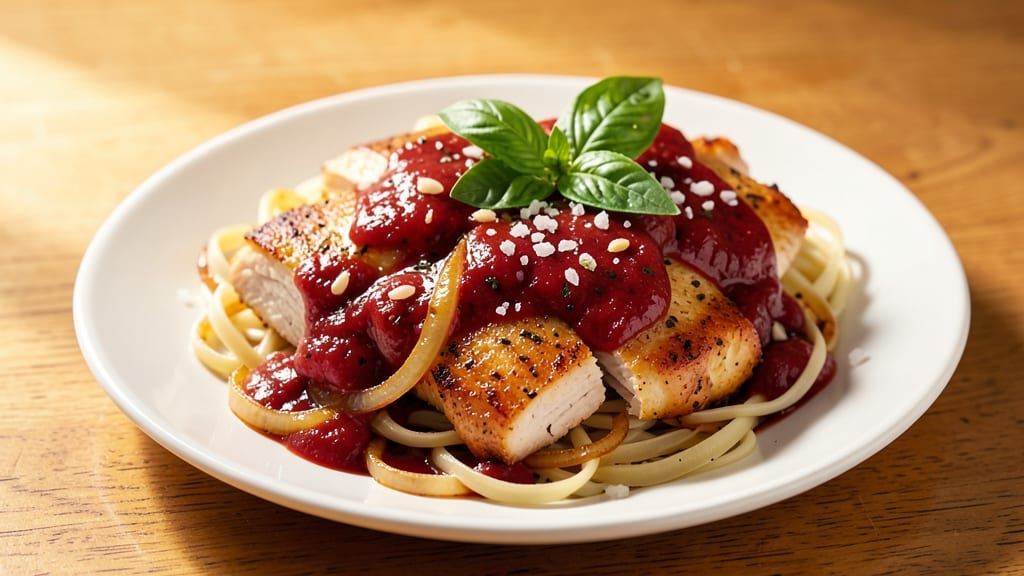
This baked chicken with pasta sauce recipe delivers restaurant-quality flavor in a single pan—juicy chicken simmered in rich tomato sauce until fork-tender. The secret lies in balancing acidity and sweetness in the sauce while baking the chicken low and slow, ensuring every bite is moist and packed with flavor.
I've perfected this method over years of weeknight cooking, where simplicity meets bold taste without sacrificing depth.
The beauty of this dish is its foolproof technique: no complicated steps, just a few pantry staples and 45 minutes of hands-off time. The chicken thighs (or breasts) bake directly in the sauce, absorbing its caramelized richness while developing a golden crust.
This method transforms a basic tomato sauce into something complex—thanks to garlic, herbs, and a touch of sugar that rounds out the acidity. Even beginners will achieve perfect results every time.
What you'll end up with is a complete meal ready in one pan: tender chicken swimming in a velvety, slightly sweet tomato sauce with just the right balance of herbs and acid.
The sauce thickens beautifully as it simmers, coating the chicken and creating a dish that's hearty enough for a family dinner but easy enough for a weeknight. Serve it over pasta or straight from the pan with crusty bread to soak up every last drop.
This recipe works equally well with chicken thighs or breasts, and the sauce doubles perfectly for leftovers—freeze half for another night when you crave this comforting classic.
The key to success? Patience—letting the sauce reduce and the chicken cook through ensures a dish that tastes like it simmered all day, not just 45 minutes. Let's get started on this one-pan wonder.
Ingredients for baked chicken with pasta sauce
Juicy chicken baked in rich tomato sauce—just 13 ingredients for a restaurant-worthy weeknight meal.
| Ingredient | Amount | Notes |
|---|---|---|
| Boneless, Skinless Chicken Thighs 🍗 | 1 ½ lb | Cut into even pieces |
| Onions 🧅 | 1 whole | Yellow or red, diced |
| Garlic Cloves 🧄 | 4 cloves | Minced for sauce |
| Canned Crushed Tomatoes 🍅 | 1 can | 28 oz, San Marzano preferred |
| Chicken Broth 💧 | 1 cup | Low-sodium preferred |
| Olive Oil 🫒 | ¼ cup | Extra-virgin for richness |
| Dried Oregano 🍃 | 1 tsp | Or 1 tbsp fresh |
| Dried Basil 🌿 | 1 tsp | Or 1 tbsp fresh |
| Sugar 🍚 | 1 tbsp | Brown or white |
| Salt 🧂 | 1 ½ tsp | Kosher or sea salt |
| Black Pepper 🌶️ | ½ tsp | Freshly ground preferred |
| Red Wine Vinegar 🍷 | 1 tbsp | Or balsamic vinegar |
| Pasta 🍝 | 8 oz | Any short shape |
The chicken thighs are the star here. Thighs stay juicier than breasts during the long bake, but breasts work if you prefer. Look for plump, evenly sized pieces at the grocery store—avoid those with grayish edges. For the tomatoes, San Marzano cans have the best flavor, but any good-quality crushed tomatoes will do. The onions and garlic are your flavor base, so don't skip browning them—they're the secret to depth in this sauce. I always grab my spices from Penzeys or the bulk section at Whole Foods for maximum freshness.
No red wine vinegar? Balsamic or apple cider vinegar works just as well. Short on fresh herbs? Dried oregano and basil are fine, but use half the amount. The sugar might seem odd, but it's essential—it rounds out the acidity from the tomatoes and vinegar, balancing the sauce perfectly. For the pasta, any short shape works, but penne or rigatoni hold the sauce best. If you're making this ahead, cook the pasta fresh when you're ready to serve—it's best that way.
This sauce gets better the next day—tastes like it simmered all day. Store leftovers in the fridge for 4-5 days or freeze for 3 months. I always double the recipe because it reheats beautifully for lunches. The sauce thickens as it cools, so you might want to add a splash of broth or water when reheating. For extra richness, stir in a pat of butter or a drizzle of olive oil when serving.
Why You'll Love This Recipe
- One-Pan Magic: I swear by this recipe when I’m too tired to scrub pots—just toss the chicken thighs, onions, and garlic on a sheet pan, pour the crushed tomatoes and broth over them, and bake. The sauce thickens right on the pan, so cleanup is basically nonexistent.
- Sauce That Sticks: Between us, the crushed tomatoes and chicken broth create a sauce that clings to the chicken like a second skin. That deep, savory richness? It’s the kind of flavor that makes you slow down mid-bite, and honestly, that’s my favorite kind of meal.
- Leftovers That Don’t Suck: This dish actually improves the next day—yes, really. The chicken gets even more tender, and the sauce thickens into something almost stew-like. I pack half for lunch because it’s that good, and no one ever complains.
- Budget-Friendly Feast: Chicken thighs and canned tomatoes are my go-to for stretching meals without breaking the bank. A single pan serves four, and the leftovers feed me for another two lunches. That’s five meals for less than $15—math I can get behind.
Step-by-step instructions for baked chicken with pasta sauce
This one-pan method delivers tender chicken and rich tomato sauce in a single dish.
Prep the Chicken and Sauté the Aromatics
Preheat your oven to 375°F. Cut the 1.5 lb boneless, skinless chicken thighs into even pieces about 1.5-inch thick. Season both sides generously with 1.5 tsp salt and 0.5 tsp black pepper, then set aside.
Heat 0.25 cup olive oil in a large oven-safe skillet over medium-high heat. Add the 1 whole diced onions and cook for 5-6 minutes until softened and slightly golden. Add the 4 minced garlic cloves and cook for 30 seconds until fragrant—don't let it brown or it'll turn bitter.
Build the Sauce Base
Pour in the 1 can crushed tomatoes, 1 cup chicken broth, 1 tbsp sugar, 1 tbsp red wine vinegar, 1 tsp dried oregano, and 1 tsp dried basil. Stir well to combine, scraping up any browned bits from the bottom of the pan. These bits pack serious flavor.
Bring the mixture to a gentle simmer over medium heat, then reduce heat to low and let it cook uncovered for 10 minutes. This step develops the sauce's depth and balances the acidity from the vinegar. You'll see the sauce reduce slightly and the flavors meld together.
Brown the Chicken and Combine
Working in batches if needed, add the seasoned chicken thighs to the skillet. Cook for 3-4 minutes per side until golden brown—this creates a flavorful crust. You'll know they're ready when they release easily from the pan.
Once all chicken is browned, transfer everything to the oven. Spread the chicken thighs in a single layer, ensuring they're partially submerged in the sauce. This guarantees even cooking and maximum flavor absorption.
Bake to Tender Perfection
Bake uncovered for 25-30 minutes until the chicken reaches an internal temperature of 165°F and the sauce has thickened. The chicken should be fork-tender with no pink remaining in the center. If the sauce thickens too much, stir in 2-3 tablespoons of water to loosen it.
While the chicken bakes, cook the 8 oz pasta in salted boiling water according to package directions until al dente. Drain and set aside. The pasta will finish cooking in the sauce, so don't overcook it.
Finish and Serve
Remove the skillet from the oven and let it rest for 5 minutes. Stir the sauce gently to redistribute any settled flavors. Taste and adjust seasoning if needed—you may want to add a pinch more salt or a splash of vinegar to balance the flavors.
Add the cooked pasta to the skillet and toss everything together until the pasta is fully coated with the rich tomato sauce. Serve immediately, ensuring each serving gets a generous portion of both chicken and sauce. The combination of tender chicken and flavorful tomato sauce makes this a complete, satisfying meal.
Pro Tips For Making Baked Chicken With Pasta Sauce
- Sear Before Baking: Hit the chicken thighs with a quick 3-minute sear in a hot pan—no oil needed, just the natural fat. This locks in moisture and builds flavor that won’t dissolve into the sauce later. (Yes, even if you’re impatient like me, resist skipping this.)
- Slice Onions Like a Pro: Dice those onions into ¼-inch pieces—small enough to soften fast, but not so fine they turn to mush. I learned this the hard way when my sauce ended up watery because overcooked onions released all their liquid. A sharp knife and a steady hand make this easy.
- Don’t Crowd the Pan: If you’re browning garlic, keep it in a single layer—even if it means doing it in batches. Overlapping cloves steam instead of sizzle, and that means bland, raw garlic in your sauce. (Your future self will notice the difference.)
- Simmer, Don’t Boil: Once the crushed tomatoes and broth hit the pan, let it bubble hard for 2 minutes, then drop to a gentle simmer. Boiling turns the sauce into a watery mess, and you’ll end up with mushy pasta later. This isn’t the prettiest method, but it’s the tastiest.
Serving suggestions for baked chicken with pasta sauce
Pasta Pairings
This dish shines with short pasta shapes that hold the rich tomato sauce beautifully. I always use penne or rigatoni (about 8 oz per serving) because their ridges trap the sauce and chicken pieces.
For extra indulgence, try fettuccine or farfalle—just cook them 1 minute less than package instructions since they'll finish in the sauce. 🍝
Bread Sides
Crusty bread is a must for soaking up that delicious sauce. I love garlic bread made with a baguette brushed with 2 tbsp olive oil and 2 minced garlic cloves, then toasted until golden.
For a heartier option, serve with cheesy breadsticks or focaccia—the contrast of soft bread with the savory sauce is pure comfort food magic. 🥖
Vegetable Additions
Fresh vegetables brighten up the dish while adding texture. Sauté 1 cup spinach or baby kale in the last 5 minutes of baking—they'll wilt beautifully into the sauce. For a heartier bite, add ½ cup diced bell peppers or zucchini when browning the onions.
I also love finishing with ¼ cup cherry tomatoes for a fresh pop of acidity. 🥦
Cheese Finishes
A sprinkle of cheese elevates this dish to restaurant-quality. I recommend ½ cup grated Parmesan or Pecorino Romano stirred in at the end for a salty, umami kick. For creaminess, add ¼ cup ricotta cheese dollops on top before serving.
If you love it spicy, mix in 1 tsp red pepper flakes with the cheese for a kick. 🧀
Wine Pairings
An Italian red wine complements this dish perfectly. I reach for Chianti or Sangiovese—their bright acidity cuts through the richness of the tomato sauce. For white wine lovers, a crisp Pinot Grigio works beautifully. Avoid heavy, oaky whites or bold Cabernets that might overpower the delicate flavors. 🍷
Make-Ahead Serving
This dish tastes even better the next day! Store leftovers in an airtight container in the fridge for up to 4 days. When reheating, add 2 tbsp water or broth to loosen the sauce.
For a quick weeknight meal, serve over toasted bread or with a side of roasted Brussels sprouts—the contrast of textures makes it feel like a gourmet dinner. ✨
Nutrition facts
Frequently asked questions
Why do you use chicken thighs instead of breasts?
Chicken thighs stay juicier during the long bake because they have more fat and connective tissue. Breasts can dry out at 375°F for 25-30 minutes, but thighs stay tender and flavorful. If you prefer breasts, cut them into smaller pieces and bake for 20-25 minutes instead.
Can I make this recipe without tomatoes?
Swap the crushed tomatoes for 1 cup tomato paste mixed with 1 cup water and 1 tbsp vinegar. For a different flavor profile, try a white wine sauce with mushrooms or a creamy Alfredo base. The key is balancing acidity and richness in the sauce.
How do I prevent the sauce from getting too thick?
Simmer the sauce uncovered for 10 minutes before adding chicken, then bake uncovered. If it thickens too much, stir in 2-3 tbsp water or broth during baking. The sauce should coat the back of a spoon but still be spoonable, not gluey.
Is this dish gluten-free?
Yes, if you use gluten-free pasta! The recipe itself is naturally gluten-free (no flour or wheat). Just ensure your pasta, broth, and any bread sides are certified gluten-free. The tomato sauce base remains perfectly safe for gluten-sensitive diets.
Can I use frozen chicken?
Frozen chicken works, but thaw it completely first in the fridge overnight. Pat it dry before seasoning to help develop a better crust. Never use frozen chicken straight from the freezer—it won't cook evenly and may stay undercooked inside.