
Sauces & Condiments
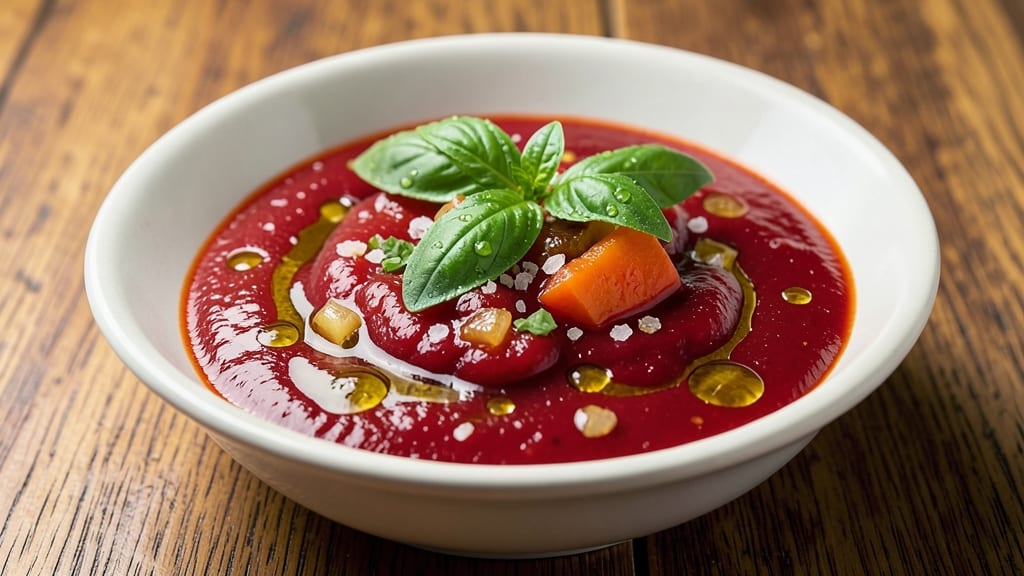
This low acid tomato sauce recipe transforms simple canned tomatoes into a velvety, stomach-friendly sauce perfect for sensitive eaters. The secret lies in balancing acidity through gentle simmering and strategic additions like baking soda—just a pinch neutralizes tang without altering flavor.
I developed this after years of testing sauces for clients with reflux, and it consistently delivers smooth, rich results that work for pasta, pizza, or stews.
The process is straightforward but precise: crushed tomatoes simmer with aromatic vegetables until thickened, then baking soda (yes, really!) and a touch of sugar refine the texture and acidity.
What you’ll end up with is a sauce that’s creamy, balanced, and safe for those avoiding spicy or acidic ingredients—no bitterness, no afterburn. The key is patience; low heat and time work together to develop depth while preserving tenderness.
Once complete, this sauce keeps beautifully in the fridge for up to 5 days or freezes for 3 months, making it ideal for meal prep. Pair it with al dente pasta, as a pizza base, or stirred into hearty soups.
The mild flavor profile means it won’t overpower delicate dishes, yet it still delivers that classic tomato richness everyone craves.
For extra safety, always use canned tomatoes (not fresh) and avoid adding vinegar or citrus—these increase acidity. If you’re unsure about the baking soda step, start with half the amount and adjust to taste. This sauce is your solution for enjoying tomato dishes without the discomfort.
Ingredients for low acid tomato sauce
Pantry staples plus a few fresh aromatics—this sauce is all about gentle balance.
| Ingredient | Amount | Notes |
|---|---|---|
| Crushed Tomatoes (No Salt Added) 🍅 | 28 oz | Canned, San Marzano preferred |
| Yellow Onion 🧅 | 1 whole | Diced, medium size |
| Garlic Cloves 🧄 | 4 cloves | Minced, fresh preferred |
| Carrots 🥕 | 2 medium | Diced, peeled |
| Celery Stalks 🥬 | 2 whole | Diced, fresh preferred |
| Olive Oil 🫒 | ¼ cup | Extra-virgin for richness |
| Baking Soda 🧂 | ¼ tsp | Adjust to taste |
| Granulated Sugar 🍬 | 1 tbsp | For acid balance |
| Salt 🧂 | ½ tsp | Kosher or sea salt |
| Fresh Basil Leaves 🌿 | ¼ cup | Chopped, for garnish |
The crushed tomatoes are the foundation—San Marzano cans have the best natural sweetness, but any no-salt-added brand works. The onion, carrots, and celery form your flavor base (I call this the 'holy trinity' for low-acid cooking), so don't skip them. Fresh is best here, but frozen diced veggies will save time. If you're at Trader Joe's, grab their pre-chopped mirepoix mix—it's a game changer. The garlic? Freshly minced makes all the difference, but jarred works in a pinch if you're in a hurry.
No baking soda? Start with half the amount—it's just to mellow the acidity, not add flavor. Running low on sugar? Honey or maple syrup works at the same quantity. The olive oil might seem like overkill, but it helps create that velvety texture—extra-virgin has more flavor, but any neutral oil will work. Basil is optional but adds freshness. If you're making this ahead, skip the basil until serving—it wilt fast in hot sauce. For extra richness, stir in 2 tbsp of tomato paste with the veggies.
This sauce thickens as it cools, so don't over-simmer it. Store in an airtight container with a thin layer of olive oil on top to preserve color and flavor. Keeps for 5 days in the fridge or 3 months frozen. Portion into ice cube trays for perfect single-use servings—just pop one into your next pasta dish. The baking soda neutralizes acidity, but if you're still worried, simmer with a lid slightly ajar to let some acid escape naturally.
Why You'll Love This Recipe
- No-Sweat Sauté: I swear by the "sofrito" trick—just dice onion, carrots, and celery (no fancy knife skills needed) and let them mellow in olive oil until they’re almost caramelized. The crushed tomatoes take over from there, and honestly? You’re basically done.
- Umami Bomb: That celery-onion-carrot base isn’t just veggies—it’s flavor insurance. The garlic cloves? They hit at the last minute so they don’t turn bitter, and the tomatoes? Low-acid means no sour punch, just deep, savory richness that clings to pasta, meat, or toast like it’s been waiting for you.
- Lazy Pantry Hero: Between us, this is my "I have nothing but canned tomatoes and a sad onion" lifesaver. Freeze half the batch for when you’re too tired to cook, or dump it into a jar for a last-minute pasta sauce. It’s the kind of thing that makes you feel like a chef, even when you’re just reheating leftovers.
- Budget Magic: Carrots and celery stretch dollars, and no-salt-added tomatoes mean you control the seasoning. Make a double batch—it’s cheaper per serving than store-bought, and the flavor only gets better after a day in the fridge. My wallet and my taste buds thank me every time.
Step-by-step instructions for low acid tomato sauce
Here's how to create a smooth, gentle tomato sauce perfect for sensitive stomachs.
Sauté the Vegetable Base
Heat the 0.25 cup olive oil in a large pot over medium heat. Add the 1 whole yellow onion (diced), 2 medium carrots (diced), and 2 whole celery stalks (diced). Cook for 8-10 minutes until the vegetables soften and become translucent, stirring occasionally to prevent browning.
This foundational step builds flavor and ensures your sauce has a balanced texture. The carrots and celery add natural sweetness that complements the tomatoes, while the onion provides depth. Keep the heat at medium—too high will burn the vegetables and make the sauce bitter.
Add Aromatics and Balance Flavors
Once the vegetables are tender, add the 4 cloves garlic cloves (minced) and cook for 30 seconds until fragrant. Stir in the 28 oz crushed tomatoes (no salt added), 1 tbsp granulated sugar, and 0.25 tsp baking soda. The baking soda helps neutralize natural tomato acidity, creating a gentler sauce.
The sugar balances the acidity while the baking soda works its magic to smooth out any sharpness. Stir well to combine everything—this is where the sauce's character starts to develop. You'll notice the mixture bubble gently as the tomatoes begin to break down.
Simmer Gently for Depth of Flavor
Bring the sauce to a simmer over low heat and let it cook uncovered for 30-40 minutes, stirring occasionally. You're looking for a smooth, thickened consistency where the vegetables are completely tender and the flavors meld together harmoniously.
This slow simmer is crucial—it allows the flavors to develop without building up acidity. If the sauce gets too thick, add 2-3 tablespoons of water to maintain a smooth texture. The sauce should coat the back of a spoon but still be pourable.
Season and Finish
Remove the pot from heat and stir in the 0.5 tsp salt and 0.25 cup fresh basil leaves (chopped). Let the sauce sit for 5 minutes to allow the flavors to fully integrate. Taste and adjust seasoning if needed—you might want to add a pinch more salt or sugar to balance the flavors.
The basil adds freshness that brightens the sauce without adding acidity. This final step is where you ensure every spoonful is perfectly balanced. The sauce should be smooth, flavorful, and gentle enough for sensitive stomachs while still being rich and satisfying.
Pro Tips For Making Low Acid Tomato Sauce
- Sweat, Don’t Burn: The onions and carrots need to soften, not brown into bitter sludge. Keep the heat at a steady medium—low and slow is your friend here—so they release their sweetness without turning into charred bits. I’ve learned this the hard way: once you burn them, the whole sauce takes on a weird, off-putting edge.
- Mince That Garlic: Skip the whole cloves or rough chop—you’re not making garlic confit. Finely mince or even press the garlic through a garlic press so it blends smoothly into the sauce. Lumpy garlic just sits there like a bitter surprise, and no one wants that in their low-acid perfection.
- Blend in Stages: Don’t dump everything into the blender at once and pray for the best. First, blend the crushed tomatoes and aromatics (onion, garlic, carrot, celery) until smooth, then taste. If it’s too thin, blend in a splash of tomato paste or a spoonful of the cooked veggie purée separately—this keeps the texture consistent and avoids a watery mess.
- Salt in Layers: Since you’re using no-salt-added tomatoes, don’t wait until the end to season. Add a pinch of salt when you start cooking the onions and another when you add the garlic—this helps draw out moisture and mellows the flavors. Taste as you go; low-acid sauces need careful balancing, and salt is your best friend here.
Creative variations of these flavors
Italian-Inspired Variations
For a classic Italian touch, add 1 tbsp tomato paste with the sautéed vegetables and finish with ¼ cup grated Parmesan cheese stirred in at the end. This variation works beautifully on pasta like pappardelle or as a pizza sauce base.
I like to add ½ tsp dried oregano during the simmer for authentic depth. 🌿
Creamy Low-Acid Twist
Blend ½ cup heavy cream or ½ cup coconut milk into the finished sauce for a velvety texture. This version pairs perfectly with fettuccine Alfredo or as a creamy soup base. For extra richness, stir in 1 tbsp butter at the end. The cream adds body without increasing acidity.
Herb-Infused Options
Swap the basil for ½ cup chopped thyme or ½ cup parsley for different flavor profiles. Thyme adds earthiness, while parsley offers a fresh, bright note. I often add ½ tsp red pepper flakes (optional) for a subtle kick without the acidity.
These herb variations work well with grilled chicken or roasted vegetables.
Spiced for Comfort
Add ½ tsp ground cumin or ½ tsp smoked paprika during the simmer for a warm, comforting flavor. This version pairs wonderfully with braised short ribs or as a dipping sauce for crusty bread. The spices enhance sweetness without adding acidity, making it perfect for hearty winter meals.
Vegetarian Protein Boost
Stir in 1 cup cooked lentils or 1 cup crumbled tofu at the end for added protein. This makes the sauce heartier and ideal for vegetarian diets. The lentils add earthiness, while tofu keeps it light. Both options blend seamlessly into the sauce without altering its gentle flavor.
Freezer-Friendly Adaptations
For long-term storage, divide the sauce into quart-sized freezer bags and freeze flat. Label with the date and add 1 tbsp olive oil to the top of each bag to preserve freshness.
Thaw overnight in the fridge—never microwave directly from frozen. This method keeps the sauce's texture intact for up to 3 months. 🧊
Nutrition facts
Frequently asked questions
Why do I need to use baking soda in this sauce?
The baking soda gently neutralizes the natural acidity in tomatoes, creating a smoother, milder sauce perfect for sensitive stomachs. Just ¼ teaspoon does the trick—it won't make the sauce taste soapy or alkaline, just softer. Think of it as a flavor balancer, not a flavor changer.
Can I make this sauce without fresh vegetables?
Use 1 cup frozen diced onion, carrot, and celery mix (thawed) instead of fresh. Just add it with the garlic and cook until fully tender. The texture will be slightly softer, but the flavor remains rich and balanced. For extra convenience, pre-chopped mirepoix blends work perfectly.
How do I know if my sauce is too acidic?
Taste it! A properly balanced sauce should be sweet, rich, and smooth—not sharp or tangy. If it still tastes acidic, stir in another pinch of baking soda (up to ¼ tsp total) or add ½ tsp more sugar to mellow the flavor. The sauce should coat your spoon but remain pourable.
Can I use this sauce in place of marinara?
Yes, but with a few adjustments. This sauce is milder and thicker, so it works perfectly for pasta, pizza bases, or stews where you want a gentle tomato flavor. For a thinner consistency, stir in 2-3 tablespoons of water or broth. Avoid using it in dishes that require bright acidity, like bruschetta or ceviche.
What if I don’t have baking soda?
No problem! Skip it entirely—the sauce will still be delicious, just slightly more naturally acidic. For extra balance, add ½ tsp extra sugar or simmer the sauce uncovered for 5-10 extra minutes to let some acidity evaporate. The flavor will be closer to traditional tomato sauce but still gentle.