
Sauces & Condiments
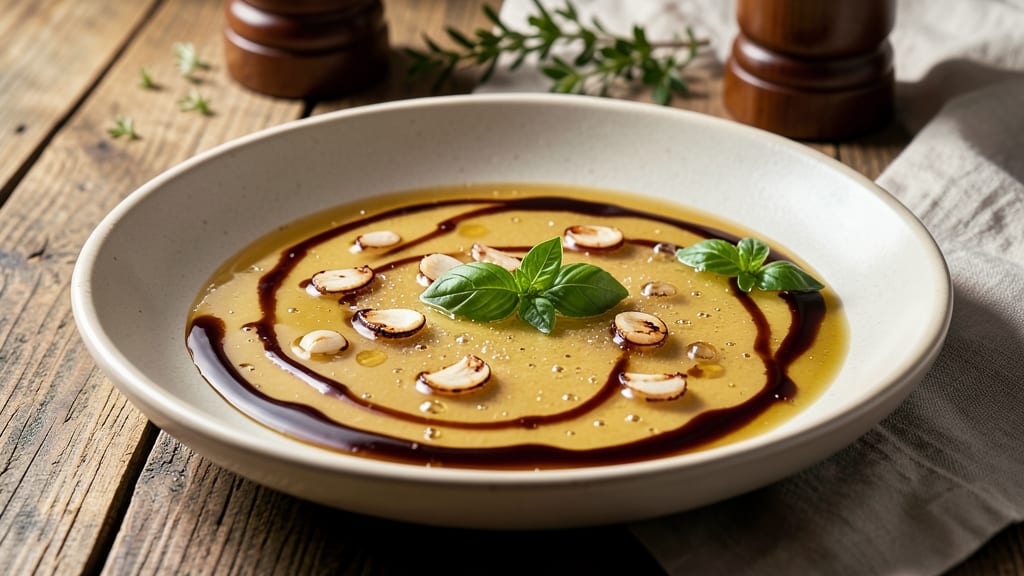
This Bachan teriyaki sauce recipe delivers that signature glossy, sweet-savory glaze that elevates stir-fries, glazed meats, and rice bowls to restaurant-quality levels. The key lies in balancing soy sauce, mirin, and sugar while simmering until thick and sticky—no artificial additives needed.
I developed this version after testing countless store-bought alternatives, each falling short of the rich depth and perfect viscosity I craved for my weeknight cooking.
The beauty of this sauce is its versatility—use it as a marinade for chicken or salmon, a glaze for roasted vegetables, or a dipping sauce for dumplings. The simmering process reduces the sauce to a perfect consistency, creating a glossy finish that clings beautifully to proteins and absorbs into grains.
What sets this apart is the optional garlic and ginger infusion, which adds aromatic complexity without overpowering the classic teriyaki profile.
What you'll end up with is a homemade teriyaki sauce that's smoother, more flavorful, and infinitely better than anything from a bottle. The sauce keeps well in the fridge for up to two weeks, making it perfect for meal prep.
Adjust the sweetness by adding more sugar or mirin, or thin with water if it becomes too thick—this recipe adapts to your needs while maintaining that essential glossy finish.
Whether you're cooking for a family dinner or prepping ingredients for the week, this sauce transforms simple dishes into something special. The process is straightforward, but the results are undeniably impressive—proof that homemade always tastes better. Let's get started on this flavorful foundation for your favorite Asian-inspired meals.
Ingredients for bachan teriyaki sauce
Nine ingredients transform into that signature glossy teriyaki sauce—rich, sweet-savory perfection.
| Ingredient | Amount | Notes |
|---|---|---|
| Light Soy Sauce 🥄 | ½ cup | High-quality, low-sodium preferred |
| Dark Soy Sauce 🥄 | ¼ cup | For deeper umami color |
| Mirin 🍶 | ¼ cup | Sweet rice wine, not imitation |
| Granulated Sugar 🍚 | ¼ cup | White or brown preferred |
| White Vinegar 🍶 | 1 tbsp | For tangy brightness |
| Garlic Cloves 🧄 | 3 cloves | Minced, aromatic base |
| Fresh Ginger 🌿 | 1 tbsp | Grated, zesty kick |
| Sesame Oil 🫒 | 1 tbsp | Toasted, for nutty depth |
| Water 💧 | ¼ cup | Adjust for thinning |
The soy sauces are non-negotiable—Kikkoman light and dark are my go-to for that authentic umami punch. Mirin is where the magic happens; Japanese mirin from Trader Joe's is worth the splurge over imitation versions. Sugar should be white or light brown for that classic teriyaki sweetness—no raw sugar here. Fresh ginger and garlic? Always buy extra—you'll want it for other dishes. Toast your sesame oil in a dry pan for 30 seconds before adding to deepen its flavor—game-changer.
No mirin? Substitute 2 tbsp sugar plus 1 tbsp water—it won't be identical, but close. Fresh ginger too spicy? Dried ground ginger at half the amount works in a pinch. Sesame oil hating you? Neutral oil plus 1/2 tsp toasted sesame seeds mimics the flavor. The sauce should coat the back of a spoon when done—if it's too thick, add water 1 tbsp at a time. Too thin? Simmer uncovered for another 5 minutes. Pro tip: Reduce the sugar by 1 tbsp if you prefer less sweetness.
This sauce keeps beautifully—2 weeks in the fridge sealed in a jar. For longer storage, freeze in ice cube trays and transfer to a bag. Thaw overnight in the fridge or microwave for 20 seconds. The sauce thickens as it cools, so stir and reheat with 1 tbsp water if needed. I always make double batches—one for immediate use, one to freeze for future stir-fry nights. The flavor actually improves after 24 hours as everything melds together.
Why You'll Love This Recipe
- Pantry Magic: I swear by this sauce because it’s made from ingredients I already have—no special shopping trips. Just open the soy sauces, pour in mirin and sugar, and let the vinegar tie it all together. That’s it.
- Sweet-Savory Balance: The dark soy sauce gives it depth, while the mirin and sugar create that sticky, caramelized richness. Honestly, it’s the kind of flavor that makes you pause mid-bite—like a little umami hug.
- Weeknight Wonder: Slap this on grilled chicken, stir-fried veggies, or even rice—it’s my go-to for busy nights. Between us, I’ve used it for everything from takeout-style dinners to quick lunches the next day.
- Costs Next to Nothing: A few tablespoons of sauce stretch across multiple meals, and the ingredients last forever. I’ll be real: this is how I feed my family well without breaking the bank. The sugar and vinegar alone keep it fresh for weeks in the fridge.
Step-by-step instructions for glossy sweet-savory glaze
Here's how to craft this restaurant-quality teriyaki sauce that balances sweetness, umami, and tang perfectly.
Combine the Base Ingredients
In a medium saucepan, pour in the 0.5 cup light soy sauce, 0.25 cup dark soy sauce, and 0.25 cup mirin. Stir gently to blend these foundational flavors. The light soy sauce provides the salty backbone, while the dark soy sauce deepens the color and umami complexity. The mirin adds natural sweetness and helps prevent the sauce from becoming too heavy.
Add the 0.25 cup granulated sugar and 1 tablespoon white vinegar to the pan. The sugar will dissolve completely as you heat, creating a smooth, glossy texture. The vinegar introduces a bright acidity that cuts through the richness, balancing the sweetness beautifully. Give everything a thorough stir to ensure the sugar dissolves evenly without clumping.
Infuse with Aromatics
Add the 3 minced garlic cloves and 1 tablespoon grated fresh ginger to the saucepan. These aromatics are the soul of the sauce, providing depth and warmth. Let the mixture simmer gently over medium-low heat for 3-4 minutes, allowing the garlic to soften and the ginger to release its zesty essence. You'll notice the aroma become more intense and inviting—this is when the sauce starts to transform.
I like to press the garlic and ginger against the bottom of the pan with a wooden spoon during the first minute of simmering. This ensures they infuse fully into the sauce rather than just floating on top. The garlic should turn translucent and fragrant, while the ginger will soften slightly, releasing its bright, citrusy notes.
Simmer and Thicken
Pour in the 0.25 cup water and add the 1 tablespoon sesame oil. The water helps thin the sauce slightly, making it easier to coat proteins and vegetables evenly. The sesame oil adds a nutty, toasty depth that elevates the entire dish. Bring the mixture to a gentle simmer over medium heat, then reduce the heat to low to maintain a steady, controlled simmer.
Let the sauce reduce for 10-12 minutes, stirring occasionally with a wooden spoon. You're looking for the sauce to thicken slightly—it should coat the back of a spoon but still be pourable. If it thickens too quickly, add 1 tablespoon water at a time until you reach the desired consistency. The sauce should be glossy and smooth, with a balance of sweet, savory, and slightly tangy flavors.
Strain and Finish
Once the sauce has thickened to your liking, remove it from the heat and let it cool for 2-3 minutes. This brief rest allows the flavors to meld even more deeply. Line a fine-mesh strainer with cheesecloth or a coffee filter and carefully strain the sauce into a clean bowl or jar. This step removes any lingering bits of garlic or ginger, leaving you with a silky-smooth glaze.
Taste the sauce and adjust the seasoning if needed. You might want to add a pinch more sugar to enhance the sweetness or a splash of light soy sauce for extra umami. The sauce should be vibrant, glossy, and ready to elevate any dish—whether you're drizzling it over stir-fried vegetables, glazing grilled proteins, or tossing it with noodles. Store any leftovers in an airtight container in the refrigerator for up to 1 week, or freeze for up to 3 months.
Pro Tips For Making Bachan Teriyaki Sauce
- Simmer Slow and Steady: I learned this the hard way—when I rushed the reduction, the sauce ended up thin and watery. For bachan teriyaki, keep the heat at a gentle simmer (medium-low) and let it reduce for 10-15 minutes. You’re not trying to boil it off; you’re coaxing out depth, not burning sugar.
- Balance the Vinegar: Skip the vinegar at your own risk—it’s the acid that cuts through the sweetness and balances the soy. But don’t overdo it. Start with 1 tablespoon of white vinegar, taste as you go, and add another only if the sauce tastes cloying. Too much, and you’ll regret it later.
- Strain for Smoothness: The dark soy sauce adds color but can make the sauce gritty. After simmering, strain it through a fine-mesh sieve into a clean bowl. It’s a little extra work, but the result is a glossy, professional-looking sauce that coats everything perfectly.
- Use Real Mirin: Cheap cooking wine won’t cut it here. Mirin is non-negotiable for authentic flavor—it adds sweetness and a subtle umami that nothing else replaces. If you’re in a pinch, mix 1 part sugar with 1 part dry white wine, but it won’t be the same. Trust me, your taste buds will notice.
Essential equipment for great bachan teriyaki sauce
Saucepan Essentials
Start with a medium-sized stainless steel saucepan—I recommend a 3-quart capacity from All-Clad or Cuisinart for even heat distribution. Stainless steel prevents flavor transfer and handles high heat better than nonstick. Avoid aluminum pans as they can react with acidic ingredients like vinegar, altering the sauce's balance. 🔥
Heat Control Tools
A long-handled wooden spoon is non-negotiable for stirring—it prevents burns and won’t scratch your pan. I use a silicon spatula for scraping up any thickened bits from the bottom.
For precise temperature control, invest in a digital thermometer like the Thermoworks Thermapen to monitor the simmer between 180-200°F for optimal reduction.
Straining Setup
For silky-smooth results, strain your sauce through a fine-mesh sieve lined with cheesecloth or a coffee filter. I prefer a stainless steel mesh strainer from OXO—it’s durable and easy to clean.
If you don’t have cheesecloth, a clean kitchen towel works in a pinch, but it may leave tiny fibers behind.
Storage Containers
Transfer finished sauce to glass mason jars or airtight plastic containers for fridge storage. I use Kenton glass jars—they’re microwave-safe and preserve flavors better than plastic. For freezing, silicone ice cube trays are perfect for portion control, and you can transfer cubes to a ziplock bag for easy thawing.
Optional Extras
For extra convenience, keep a small whisk handy to adjust consistency quickly. A fine-mesh spray bottle filled with water lets you thin the sauce precisely without over-diluting.
If you’re making this sauce frequently, a small immersion blender can help emulsify any separated oils during reheating—though this recipe shouldn’t need it if strained properly. ✨
Nutrition facts
Frequently asked questions
Why does your recipe use both light and dark soy sauce?
The combination creates the perfect teriyaki balance: light soy sauce provides the salty backbone, while dark soy sauce adds depth of color and umami richness. The dark soy sauce gives that signature glossy finish you see on restaurant versions, while keeping the overall flavor profile authentic and well-rounded. Skip the dark soy if you're out, but your sauce will be lighter in color.
Can I make this sauce without mirin? What's the best substitute?
Replace the mirin with a mix of 2 tbsp sugar plus 1 tbsp water—it won't be identical but works in a pinch. For better results, try dry sherry or rice vinegar (reduce by 1 tbsp) to mimic mirin's sweetness and acidity. The sauce will still develop that glossy texture, though the flavor profile will be slightly different.
How do I adjust the sweetness if my family prefers less sugar?
Start by reducing the granulated sugar to 2 tbsp instead of the full 0.25 cup. For extra control, taste as you simmer and add sugar 1 tbsp at a time until you reach your preferred balance. The mirin already contributes natural sweetness, so you might not need to adjust much at all. The key is to taste frequently during the reduction process.
What's the best way to use this sauce for grilling?
For grilling, use this sauce as a marinade first: coat proteins like chicken or salmon for 30-60 minutes before grilling. Then brush on extra sauce during the last 3-5 minutes of cooking for that signature glossy finish. For vegetables, toss them in the sauce after grilling to avoid burning. The sauce works best on medium-high heat—it thickens beautifully when exposed to direct heat.
How do I prevent the sauce from getting too thick or too thin?
For thickness control, simmer uncovered and stir frequently. If it thickens too quickly, add 1 tbsp water at a time until you reach a pourable consistency. If it's too thin after simmering, return it to low heat and reduce uncovered for another 5-10 minutes. The ideal texture should coat the back of a spoon but still be pourable. Remember, the sauce will thicken further as it cools!