
Sauces & Condiments
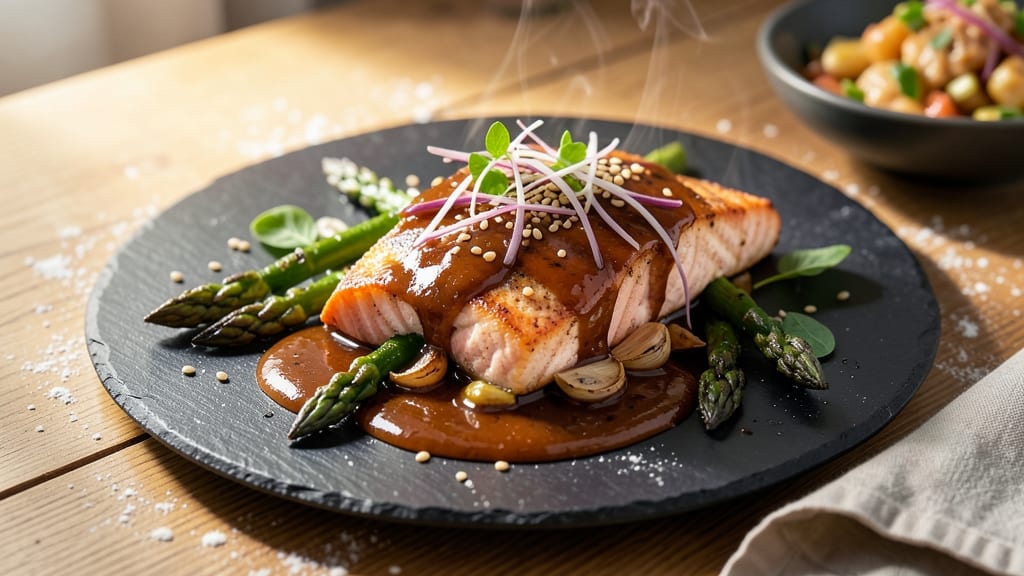
Aldi teriyaki sauce recipe transforms store-bought ingredients into a restaurant-quality glaze that’s smoother, sweeter, and more balanced than anything in a bottle. This 10-minute version cuts through the richness of grilled meats and stir-fries with its perfect harmony of umami, sweetness, and subtle heat—no artificial additives or thickeners required. The secret lies in simmering soy sauce, mirin, and sugar until the flavors meld into a glossy, velvety sauce that clings beautifully to everything it touches.
The beauty of this homemade version is its versatility—use it as a marinade for chicken or salmon, a glaze for roasted vegetables, or a dipping sauce for spring rolls. Unlike store-bought sauces, this one lets you control the sweetness, saltiness, and depth of flavor by adjusting the soy-to-mirin ratio.
A quick strain removes any unwanted bits, leaving you with a silky, professional-grade sauce that’s ready to elevate any dish.
What sets this recipe apart is how effortlessly it delivers restaurant-quality results without special equipment. A simple simmer on the stovetop reduces the sauce to the perfect consistency, while a splash of rice vinegar brightens the flavor profile.
The sauce thickens as it cools, making it ideal for batch prep—just store it in the fridge for up to two weeks or freeze for longer shelf life.
Whether you’re cooking for a weeknight dinner or prepping for meal prep, this teriyaki sauce is a game-changer. It’s the kind of homemade condiment that makes you question why you ever bought store-bought again. Let’s make it—your taste buds will thank you.
Ingredients for aldi teriyaki sauce
Eight simple ingredients transform into a velvety glaze that rivals any restaurant version.
| Ingredient | Amount | Notes |
|---|---|---|
| Aldi Soy Sauce 🍶 | ½ cup | Use the store-brand for authenticity |
| Mirin 🍶 | ¼ cup | Sweet rice wine, don't substitute with sugar |
| Granulated Sugar 🍚 | ¼ cup | White sugar preferred for smooth texture |
| Rice Vinegar 🍶 | 1 tbsp | White rice vinegar for brightness |
| Garlic Cloves 🧄 | 2 cloves | Freshly minced for depth |
| Fresh Ginger 🌿 | 1 tbsp | Finely grated, not powdered |
| Sesame Oil 🫒 | 1 tsp | Toasted sesame oil for aroma |
| Water 💧 | ¼ cup | Adjust for desired consistency |
| Cornstarch 🌾 | 1 tsp | For thickening, optional |
| Red Pepper Flakes 🌶️ | ½ tsp | Adjust for heat preference |
Aldi's soy sauce is the secret weapon here—it's sweeter and more balanced than other brands, which is exactly what we want for this sauce. Grab the store-brand version from the Asian foods aisle, not the generic soy sauce. Mirin is non-negotiable for that authentic sweetness; Trader Joe's carries a great budget-friendly option. For ginger, look for fresh root pieces—they keep for weeks in the fridge. The garlic should be fresh and pungent, not dried or jarred. Sesame oil adds that nutty aroma, but use sparingly—it's potent stuff. If you can't find mirin, white grape juice works in a pinch but the flavor won't be identical.
No mirin? White grape juice plus 1 tsp sugar gets you closest. Fresh ginger hard to find? Ground ginger at half the amount, but you'll lose that fresh zing. The cornstarch is optional—skip it if you prefer a thinner sauce. For extra umami, add 1 tsp fish sauce (if not vegetarian) or 1 tsp soy sauce instead. The red pepper flakes can be omitted entirely if you prefer no heat. This sauce thickens as it cools, so if it's too thin after simmering, mix 1 tsp cornstarch with 1 tbsp water and stir in at the end. For a smoother texture, strain through a fine-mesh sieve before serving.
This sauce keeps beautifully—2 weeks in the fridge sealed in a jar. It even freezes well for up to 6 months, though the texture may separate slightly upon thawing. I like to make double batches and freeze half in ice cube trays—just pop out what I need for quick meals. The flavor actually improves after a day or two as everything melds together. For best results, let it sit at room temperature for 10 minutes before using to reach peak glossiness. Store sesame oil separately if you want to preserve its aroma for future uses.
Why You'll Love This Recipe
- Pantry Magic: Honestly, I keep a bottle of this in my fridge at all times—it’s made from ingredients I already have. Five minutes of simmering Aldi’s soy sauce with mirin and sugar, and suddenly you’ve got a sauce that tastes like it came from a jar and cost you pennies.
- Sweet-Savory Balance: That first spoonful? Chef’s kiss. The mirin and sugar caramelize just enough to cut through the saltiness, while the garlic cloves add a punchy, toasty depth. It’s the kind of flavor that makes you pause mid-bite—even if the sauce itself isn’t the prettiest.
- Weeknight Superhero: Between us, this is my go-to for anything from stir-fries to grilled chicken. I’ve drizzled it over leftover rice in 30 seconds flat, tossed it with tofu for a quick dinner, and even used it as a marinade. The rice vinegar keeps it bright, so it never feels heavy or tired.
- Leftovers That Work: Here’s what sold me—the sauce actually improves the next day. The flavors meld even more, and it’s perfect for batch cooking. I make a big batch on Sundays, freeze half, and still have enough to jazz up takeout noodles or a lazy weeknight scramble. No waste, all win.
Step-by-step instructions for Aldi teriyaki sauce
This homemade teriyaki sauce delivers authentic restaurant flavor with simple pantry staples.
Combine Wet Ingredients in a Saucepan
In a medium saucepan, pour in the 0.5 cup Aldi Soy Sauce, 0.25 cup Mirin, and 0.25 cup Granulated Sugar. Stir until the sugar dissolves completely—you should see a smooth, golden liquid with no graininess. This creates the sweet-savory base that defines teriyaki.
Next, add the 1 tbsp Rice Vinegar and bring the mixture to a gentle simmer over medium heat. You'll notice small bubbles forming at the edges of the pan, signaling the liquid is heating through. Keep the heat steady—too high will cause the sauce to boil over before it thickens properly.
Infuse with Aromatics and Simmer
Add the 2 cloves Garlic Cloves (minced) and 1 tbsp Fresh Ginger (finely grated). Stir once to distribute these aromatic ingredients evenly. Let the mixture simmer uncovered for 5 minutes, allowing the garlic and ginger to release their essential oils into the sauce.
After 5 minutes, you'll notice the sauce has reduced slightly and developed a subtle pink hue from the soy sauce. Taste it now—it should be sweet, tangy, and aromatic but still quite thin. This is your flavor foundation before thickening. If you prefer more heat, add the 0.5 tsp Red Pepper Flakes now and stir.
Thicken the Sauce with Cornstarch Slurry
In a small bowl, whisk together the 1 tsp Cornstarch and 0.25 cup Water until completely dissolved. This creates a smooth slurry that will thicken your sauce beautifully. Pour it into the simmering saucepan while stirring continuously.
Return the sauce to a gentle simmer and cook for 2-3 minutes until it reaches your desired consistency. You're looking for a glossy, syrupy texture that coats the back of a spoon—this should take about 2 minutes with this amount of cornstarch. If it thickens too quickly, add 1 tablespoon Water at a time until perfect.
Finish with Sesame Oil and Rest
Remove the saucepan from heat and stir in the 1 tsp Sesame Oil. This final touch adds a nutty aroma that elevates the sauce from good to exceptional. The oil should disperse evenly, giving the sauce a subtle sheen.
Let the sauce rest for 5 minutes before using. This resting period allows the flavors to meld completely and the sauce to reach its ideal consistency. For best results, use immediately on grilled meats, roasted vegetables, or noodles—this sauce doesn't keep its peak texture when reheated.
Pro Tips For Making Aldi Teriyaki Sauce
- Simmer Slow and Steady: After burning three batches of teriyaki, I learned: low heat is your friend. Once the sugar dissolves in the Aldi soy sauce, drop the heat to a bare simmer—just enough to see tiny bubbles. Too hot, and you’ll end up with a bitter, caramelized mess instead of that glossy, balanced sauce. (Yes, even if you’re impatient like me.)
- Mince That Garlic Fine: Skip the rough chop—this isn’t a garlic confit. Use a knife to smash the cloves flat first, then mince into a paste. That way, the flavor melds evenly into the sauce instead of floating as chunks. I used to skip this, and the garlic always tasted like an afterthought.
- Balance the Sweet Early: Taste the sauce after 5 minutes of simmering, not at the end. If it’s cloyingly sweet, add a splash of rice vinegar (start with ½ tablespoon) to cut through. The sugar in Aldi’s soy sauce is sneaky—better to fix it now than drown the whole batch in vinegar later.
- Strain for Smoothness: This isn’t the prettiest method, but it’s the tastiest: strain the sauce through a fine-mesh sieve into a clean jar. You’ll catch bits of garlic and undissolved sugar crystals that would otherwise make your sauce gritty. (Your future self will thank you—trust me.)
Make-ahead tips for this dish
Batch Prep Secrets
Make a double batch of this teriyaki sauce and freeze half in ice cube trays—perfect for quick marinades or stir-fry boosts. Once frozen, transfer cubes to a ziplock bag and store for up to 6 months.
Thaw overnight in the fridge for instant flavor. I always prep this on Sundays so I’m ready for weeknight meals. 💫
Fridge Storage Tips
Store your homemade sauce in a clean glass jar with an airtight lid. The flavors actually deepen over 2-3 days, so it’s perfect for meal prep. Keep it in the fridge for up to 2 weeks—just
Freezing for Long-Term Use
For longer storage, pour the cooled sauce into freezer-safe containers, leaving ½ inch headspace for expansion. Label with the date—it keeps best for 3 months. When ready to use, thaw overnight in the fridge. If the sauce separates slightly, just stir or gently reheat on the stovetop with 1 tbsp water to restore smoothness.
Sauce Consistency Hacks
If your sauce thickens too much after chilling, thin it with 1 tsp warm water at a time. For extra gloss, simmer the sauce uncovered for 1 extra minute before removing from heat. I’ve found that adding ½ tsp honey after simmering helps maintain that restaurant-quality sheen when reheated.
Reviving Stored Sauce
If your teriyaki sauce has lost some vibrancy after freezing, revive it by gently reheating in a saucepan over low heat for 3-4 minutes. Add 1 tsp mirin or rice vinegar to brighten the flavor.
For best results, use it immediately after reheating—this sauce is at its peak when fresh. 🔥
Portioning for Meals
Divide the sauce into small containers (like 4-ounce jars) for easy grab-and-go use. I keep one in my fridge for quick stir-fries and another in the freezer for backup.
Label each portion with the date and intended use—like "marinade" or "glaze"—to stay organized. This system saves time and prevents waste.
Nutrition facts
Frequently asked questions
Can I make this teriyaki sauce without mirin?
Yes! For every 0.25 cup mirin called for, substitute 0.25 cup white grape juice plus 1 tsp sugar. This keeps the sweetness balanced while adding a subtle fruity note. If you prefer a more traditional approach, use 0.25 cup dry white wine plus 1 tsp sugar instead. The sauce will still develop depth, though the flavor profile will differ slightly.
How do I adjust the sweetness level?
Start with the recipe as written, then taste the sauce after simmering. For more sweetness, add 1 tsp sugar at a time while warm. Need less? Add 1 tsp rice vinegar to balance. Pro tip: The sauce will thicken and taste slightly sweeter as it cools, so adjust while hot to avoid over-sweetening. For a savory version, reduce sugar to 0.125 cup and add 1 tsp extra soy sauce.
Can I use this sauce as a marinade?
This teriyaki sauce makes an excellent marinade for chicken, salmon, or tofu. For best results, use ½ cup sauce per pound of protein and marinate for 30-60 minutes in the fridge. The acidity from the rice vinegar helps tenderize, while the soy and sugar caramelize beautifully during cooking. For extra flavor, add 1 tbsp grated ginger and 1 clove minced garlic directly to the marinade.
Why did my sauce turn out too thin? This usually happens if you didn't simmer long enough or if the cornstarch didn't activate properly. For future batches,
What's the best way to use leftover sauce?
Leftover teriyaki sauce is incredibly versatile! Use it as a dipping sauce for spring rolls or dumplings, a glaze for roasted vegetables, or a quick stir-fry sauce. For extra richness, whisk in 1 tbsp butter or coconut milk before using. The sauce also makes a fantastic base for homemade ramen or noodle soups—just add 1 cup chicken or vegetable broth and simmer for 5 minutes to create a flavorful broth.