
Sauces & Condiments
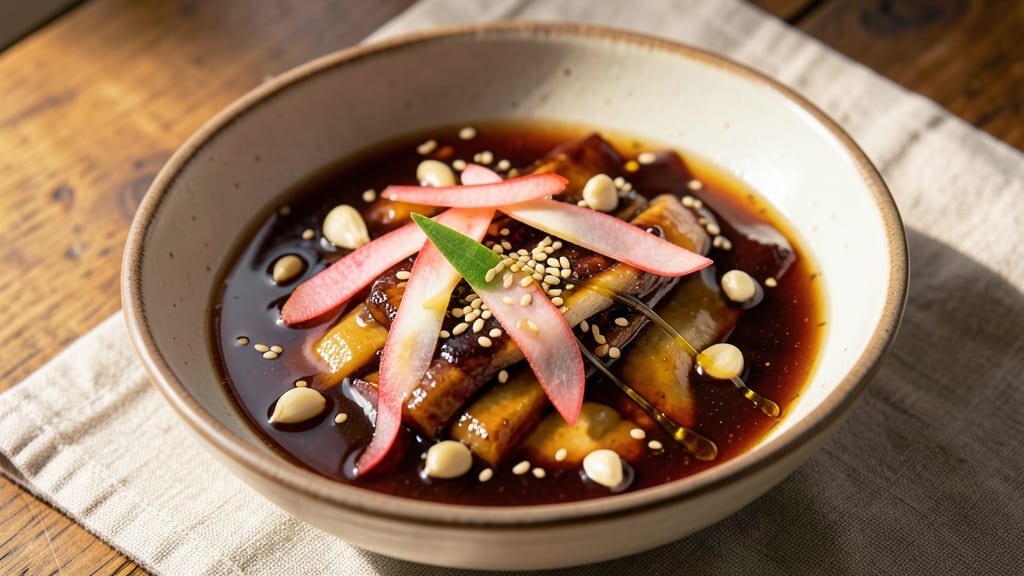
This authentic teriyaki sauce recipe from scratch delivers the perfect balance of glossy sweetness and deep umami that elevates everything from grilled meats to stir-fried vegetables. 💛 The secret lies in simmering soy sauce, mirin, and sugar until it thickens into a velvety, caramelized sauce with layers of complexity—no artificial ingredients or shortcuts here.
What sets this recipe apart is the careful ratio of ingredients: Japanese soy sauce for authentic flavor, mirin for natural sweetness and depth, and a touch of ginger and garlic for warmth.
The sauce reduces slowly on the stove, developing a rich, glossy texture that clings beautifully to proteins and vegetables. Unlike store-bought versions, this one builds flavor through controlled caramelization, not just sugar.
By the time you’re done, you’ll have a sauce that’s perfectly balanced—sweet enough to satisfy, savory enough to stand up to bold flavors, and thick enough to coat without being syrupy.
It keeps well in the fridge for up to 2 weeks, making it ideal for meal prep or gifting to fellow home cooks who crave restaurant-quality results at home.
The best part? This sauce transforms ordinary dishes into extraordinary ones—think perfectly glazed salmon, tender chicken thighs, or crispy tofu—all with that signature teriyaki shine. Let’s make it from scratch.
Ingredients for authentic teriyaki sauce recipe from scratch
Nine ingredients transform into restaurant-quality teriyaki sauce with deep umami and glossy sweetness.
| Ingredient | Amount | Notes |
|---|---|---|
| Japanese Soy Sauce (Shoyu) 🍶 | ¾ cup | High-quality, preferably Kikkoman or Yamasa |
| Mirin 🍶 | ½ cup | Sweet cooking rice wine, not mirin substitute |
| Granulated Sugar 🍚 | ½ cup | White sugar for caramelization |
| Fresh Ginger 🌿 | 1 tbsp | Finely grated, aromatic |
| Garlic Cloves 🧄 | 3 cloves | Minced, fresh for authentic flavor |
| Sesame Oil 🫒 | 1 tbsp | Toasted, for nutty aroma |
| Cornstarch 🌾 | 1 tbsp | For thickening, dissolved in water |
| Water 💧 | ¼ cup | For cornstarch slurry |
The Japanese soy sauce is non-negotiable for authentic flavor—Kikkoman or Yamasa are industry standards, but any high-quality shoyu works. Mirin adds natural sweetness and depth, but never use mirin substitute (it lacks the delicate rice wine essence). For sugar, white granulated caramelizes beautifully, but you could use light brown sugar for subtle molasses notes. Fresh ginger and garlic are essential for warmth; pre-grated ginger from the jar works in a pinch, but fresh is superior. Sesame oil provides that signature nutty aroma—toasted sesame oil from Trader Joe's is my go-to for intensity.
No mirin? Substitute 2 tbsp honey plus 2 tbsp rice vinegar (though flavor won’t be identical). Running low on cornstarch? Arrowroot powder thickens just as effectively. The sauce relies on slow reduction, so don’t rush it—the longer it simmers, the deeper the caramelization. For extra umami, add 1 tsp fish sauce (if vegetarian, use 1 tsp soy sauce). If you prefer a smoother texture, strain the sauce through a fine-mesh sieve after cooking. The garlic can be roasted for a sweeter profile—wrap whole cloves in foil, roast at 400°F for 10 minutes before mincing.
This sauce keeps beautifully in an airtight glass jar in the fridge for up to 2 weeks, or 3 months frozen (portion into ice cube trays for easy use). The flavor actually improves after a day as the ingredients meld. For meal prep, double the recipe—it’s perfect for glazing proteins or drizzling over stir-fries. If it thickens too much, thin with water or mirin before reheating. The sesame oil should be added last to preserve its aroma, so store it separately if you prefer to toast it fresh each time.
Why You'll Love This Recipe
- No-Fuss Simmer: I swear, this sauce comes together while you’re waiting for the chicken to thaw. Just toss shoyu, mirin, sugar, and a thumb-sized ginger knob into a pot—no peeling, no measuring cups, just eyeballing. The garlic gets minced in 30 seconds while the sauce reduces, and honestly? That’s all it takes.
- Umami Bomb: The moment that crispy garlic hits the simmering soy and mirin? My mouth waters just thinking about it. The sugar caramelizes into a glossy sheen, while the ginger lingers like a warm hug—sweet, salty, and just a little funky. This isn’t the watery stuff from a bottle; it’s real teriyaki, with layers you’ll taste on every bite.
- Glazes Everything: Between us, I’ve drizzled this on everything from grilled salmon to roasted Brussels sprouts, and it works. The leftovers? Perfect for stir-fries or even a quick noodle toss. I keep a jar in the fridge because, let’s be real, you won’t want to stop at one use.
- Budget Magic: A single batch costs me pennies and stretches for weeks. Mirin and shoyu are cheap staples, and I buy ginger in bulk—no fancy ingredients, just honest flavor. Plus, it’s the kind of sauce that turns a $5 chicken thigh into something that feels like a restaurant dish. My wallet and my taste buds thank me.
Step-by-step instructions for authentic teriyaki sauce
Master the balance of sweet, salty, and umami with this precise method for restaurant-quality teriyaki.
🍳 Step 1: Caramelize the Sugar for Depth
In a medium saucepan over medium heat, combine the 0.5 cup granulated sugar and 0.25 cup water. Stir constantly with a wooden spoon until the sugar completely dissolves—this should take about 3-4 minutes. You'll see the mixture transform from grainy to clear liquid.
Continue cooking without stirring until the sugar reaches a deep amber color—this creates the caramelized base that gives authentic teriyaki its rich, complex flavor. Watch carefully as it progresses from light gold to rich amber (5-7 minutes total). The aroma will become noticeably deeper and more caramel-like as it develops. If it starts to smoke, reduce the heat slightly to medium-low to prevent burning.
🍳 Step 2: Build the Sauce Base with Aromatics
Remove the pan from heat and carefully whisk in the 0.75 cup Japanese soy sauce (shoyu) and 0.5 cup mirin. Return to medium heat and bring to a gentle simmer, stirring constantly for 3-4 minutes until the mixture is fully combined and steaming.
Add the 1 tbsp finely grated fresh ginger and 3 minced garlic cloves, stirring for another 1-2 minutes until fragrant. The ginger should dissolve completely while the garlic infuses its subtle sweetness. This is where the umami foundation forms—don't rush this step or the flavors won't meld properly. You'll notice the sauce becoming more aromatic as the ginger and garlic release their essential oils.
🥘 Step 3: Thicken with Cornstarch Slurry
In a small bowl, whisk together the 1 tbsp cornstarch and remaining 0.25 cup water until completely dissolved—this is your thickening agent. Pour this slurry into the simmering sauce while stirring continuously with a wooden spoon.
Return to medium heat and cook for 2-3 minutes until the sauce thickens to a glossy, coatable consistency. It should now cling to the back of a spoon and leave a slight trail when drizzled. Stir frequently to prevent lumps from forming. The sauce should reduce slightly, becoming more concentrated and flavorful. If it thickens too quickly, add 1 tablespoon water at a time until you reach the perfect balance between glossy and spreadable.
🔥 Step 4: Finish with Sesame Oil for Authentic Flavor
Remove the sauce from heat and stir in the 1 tbsp toasted sesame oil. The aroma will immediately become richer and more complex, with nutty undertones that elevate the sauce's depth. Taste and adjust the seasoning if needed—you may want to add a pinch more soy sauce for saltiness or a touch more sugar for sweetness, but this recipe should be perfectly balanced.
Let the sauce rest for 10 minutes at room temperature. This allows all the flavors to fully meld and the sauce to reach its optimal consistency. The resting period is crucial—it prevents the sauce from being too thin when you're ready to use it. For best results, use immediately or store in an airtight container in the refrigerator for up to 1 week. When reheating, warm gently over low heat, stirring constantly to prevent skin formation.
Pro Tips For Making Authentic Teriyaki Sauce Recipe From Scratch
- Simmer Low and Slow: After burning the first batch of sauce by cranking the heat, I learned: keep it at a gentle boil—tiny bubbles, not rolling. Too fast and the sugar seizes, turning your glossy sauce into a sticky mess. If it starts to thicken too quick, add a splash of water and ease back on the flame.
- Use Real Mirin, Not Substitutes: That "mirin substitute" in a bottle? It’s not the same. Real mirin has natural sweetness and acidity that balance the soy sauce’s saltiness. If you’re stuck, mix 2 parts sugar with 1 part water and reduce it to thicken—it won’t be identical, but it’ll save you from a flat, one-dimensional sauce.
- Mince the Ginger Fine: I used to just grate it, but mincing the ginger into a paste—almost like a salsa—makes it dissolve completely. No lingering chunks, no weird texture. If you’re lazy (I know, I’ve been there), blend it with the garlic first, then strain it out. Your sauce will taste smoother, and you’ll notice the difference.
- Balance the Sweet and Salty: Taste as you go. If the sauce tastes like syrup, you need more soy sauce. If it’s too briny, add a splash of mirin or a pinch of sugar. The goal is a harmony where neither flavor dominates—like a well-choreographed dance. Trust your palate, not the recipe’s measurements.
Health benefits of authentic teriyaki sauce recipe from scratch
Umami Powerhouse
This teriyaki sauce is a protein powerhouse thanks to the Japanese soy sauce, which provides a concentrated dose of umami—that savory depth that makes your taste buds dance.
A 0.75 cup serving delivers about 1,200mg of sodium (watch portions if monitoring intake) but also includes small amounts of iron and manganese from the soy. The mirin adds natural sweetness without refined sugar spikes, while the ginger and garlic contribute anti-inflammatory compounds. 💪
Blood Sugar Balance
Unlike many store-bought teriyaki sauces loaded with high-fructose corn syrup, this recipe uses mirin and caramelized sugar in moderation. The cornstarch thickening creates a slow-digesting carbohydrate that helps stabilize blood sugar better than liquid sweeteners.
For a lower-glycemic option, reduce sugar to 0.375 cup and compensate with extra mirin. The ginger also helps regulate glucose metabolism, making this sauce surprisingly blood-sugar-friendly.
Heart-Healthy Fats
The toasted sesame oil adds 1 tablespoon of heart-healthy monounsaturated fats per serving, which support cholesterol balance when replacing saturated fats. These fats also enhance the absorption of fat-soluble vitamins from your meal.
For extra heart benefits, use extra-virgin olive oil instead of sesame oil—it provides similar flavor with even more cardiovascular advantages. The soy sauce's polyphenols may further contribute to heart health by reducing LDL cholesterol.
Digestive Aid
Fresh ginger is a digestive superstar—just 1 tablespoon contains compounds that stimulate stomach enzymes and reduce nausea. The garlic provides alicin, which supports gut health by promoting beneficial bacteria growth.
Together, these aromatics make this teriyaki sauce particularly soothing after heavy meals. For extra digestive support, add ½ teaspoon grated galangal (a ginger relative) during simmering—it has even stronger stomach-settling properties.
Antioxidant Boost
The caramelization process creates melanoidins, powerful antioxidants formed when sugars and amino acids react during cooking. These compounds have been shown to reduce oxidative stress in the body. The soy sauce also contains isoflavones, plant compounds with potential cancer-fighting properties.
For an extra antioxidant kick, add 1 teaspoon black garlic paste (fermented garlic) when finishing the sauce—it's 100 times richer in antioxidants than regular garlic. ✨
Meal Prep Nutrition
This sauce's balanced profile makes it perfect for nutrient-dense meal prep. The combination of protein-building soy, fiber-rich ginger, and healthy fats creates a satisfying sauce that helps keep you full longer.
For extra protein, brush the sauce on tofu or chicken before cooking—this adds 10-15g protein per serving while keeping the sauce's nutritional benefits intact. The sauce's natural preservation qualities also make it ideal for glazing proteins that you'll reheat throughout the week.
Nutrition facts
Frequently asked questions
Can I substitute mirin in this authentic teriyaki sauce?
Yes, but with adjustments! For every 0.5 cup mirin, mix 2 tablespoons honey or maple syrup with 2 tablespoons rice vinegar. The flavor won't be identical, but it'll work in a pinch. For best results, use sake plus a pinch of sugar (1 tbsp sake + 1 tsp sugar = 2 tbsp mirin). The sauce will be slightly less sweet but still delicious.
How do I prevent my homemade teriyaki from being too sweet?
Reduce the sugar to 0.375 cup and increase mirin to 0.6 cup for a more balanced flavor. The caramelization process naturally adds depth, so don't rush the 5-7 minute sugar cooking time—this develops rich, savory notes. Taste as you go and add 1 tsp soy sauce at a time if it needs more umami. The sauce should be sweet enough to coat but not overpowering.
Can I make this sauce without cornstarch?
For a gluten-free option, use 1 tbsp arrowroot powder instead—it thickens just as well. If avoiding all thickeners, simmer the sauce longer (15-20 minutes) to reduce naturally, but you'll lose some of that glossy finish. For a smoother texture, blend the cooked sauce briefly to remove any ginger fibers. The flavor will still be authentic, just with a slightly different mouthfeel.
What's the best way to store and reheat this sauce?
Store in an airtight glass jar in the fridge for up to 2 weeks or freeze for 3 months. When reheating, warm gently over low heat, stirring constantly to prevent skin formation. If it thickens too much, thin with 1 tsp water or mirin. For best flavor, use within 1 week—the sauce develops deeper complexity as it rests.
Why does my teriyaki sauce look thin after cooking?
This usually happens from one of two issues: either the cornstarch slurry wasn't fully dissolved before adding, or the sauce wasn't simmered long enough. For next time, whisk the cornstarch with cold water until completely smooth, then simmer for 3-4 minutes after adding. If it's already too thin, mix 1 tsp cornstarch with 1 tsp water, stir into the sauce, and cook for 1 more minute. The sauce should thicken immediately.