
Sauces & Condiments
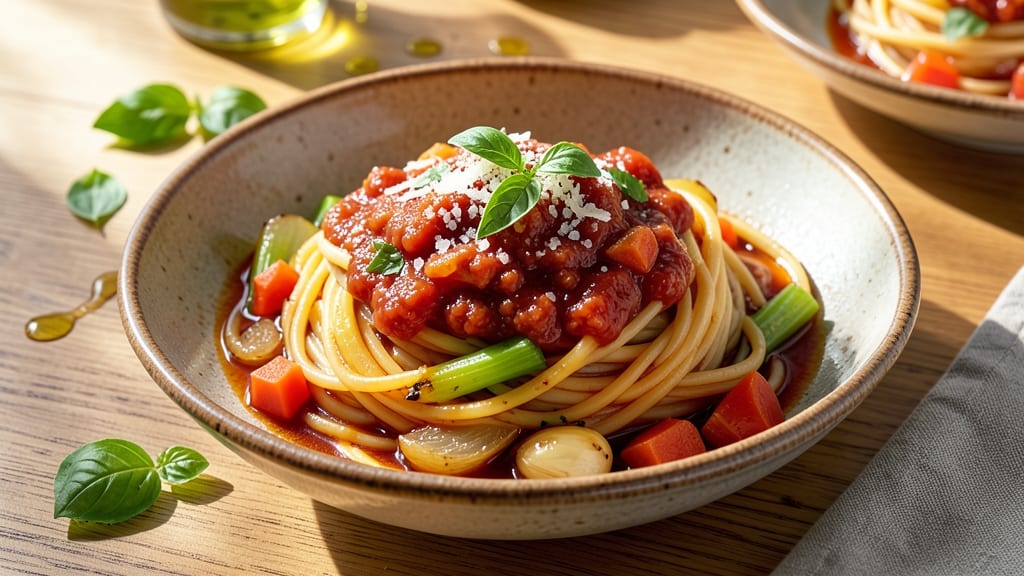
This authentic spaghetti sauce recipe from scratch transforms simple ingredients into a rich, slow-simmered masterpiece that develops deeper flavor with every hour on the stove. The secret lies in caramelizing onions and garlic until they're golden, then building layers of umami through tomatoes, herbs, and a touch of sweetness.
I've perfected this version over years of testing, ensuring it delivers restaurant-quality depth without shortcuts.
What makes this sauce truly authentic is the balance of acidity and sweetness—crushed tomatoes provide the base, while a splash of red wine and a pinch of sugar create harmony. Aromatics like celery and carrots form the classic "soffritto" foundation, while fresh basil at the end brightens the final flavor.
The slow simmer allows flavors to meld and intensify, resulting in a sauce that's complex yet approachable.
By the time you're done, you'll have a sauce that's velvety, aromatic, and packed with layers of flavor—perfect for drizzling over pasta, topping meatballs, or serving with crusty bread. The best part?
It tastes even better the next day as the flavors continue to develop. This is the kind of sauce that makes homemade Italian meals feel like a true restaurant experience.
Store it in the fridge for up to a week or freeze for months, ensuring you always have rich, homemade sauce on hand. Let's get started on creating your own slow-simmered masterpiece.
Ingredients for authentic spaghetti sauce recipe from scratch
Simple ingredients that build restaurant-quality depth through slow simmering and layered flavors.
| Ingredient | Amount | Notes |
|---|---|---|
| Extra-Virgin Olive Oil 🫒 | ½ cup | High quality, fruity variety |
| Yellow Onions 🧅 | 2 whole | Thinly sliced, about 2 cups |
| Celery Stalks 🥬 | 3 whole | Diced, about 1 cup |
| Carrots 🥕 | 2 whole | Diced, about 1 cup |
| Garlic Cloves 🧄 | 6 cloves | Minced, not pre-minced jars |
| Canned San Marzano Tomatoes 🍅 | 28 oz | Crushed, high-quality |
| Dry Red Wine 🍷 | ½ cup | Bold, like Cabernet Sauvignon |
| Tomato Paste 🍅 | 2 tbsp | Smooth, not chunky |
| Fresh Basil Leaves 🌿 | ½ cup | Packed, stems removed |
| Fresh Oregano Leaves 🌿 | ¼ cup | Or 1 tbsp dried |
| Granulated Sugar 🍚 | 1 tbsp | Balances acidity |
| Kosher Salt 🧂 | 1 ½ tsp | Diamond Crystal preferred |
| Ground Black Pepper 🌶️ | ½ tsp | Freshly cracked |
| Bay Leaves 🌿 | 2 whole | Removed before serving |
The soffritto—onions, celery, and carrots—is your flavor foundation. Freshly diced from the produce section (not pre-chopped bags) gives the best texture. Whole Foods or local markets have the freshest, but any grocery store works if you prep it the same day. Garlic? Smash the cloves with the flat side of your knife first—they'll release more flavor. Skip the pre-minced jars; they're dull and often rancid. For the tomatoes, San Marzano cans are worth the splurge—they're sweeter and less acidic than regular brands, which is key for authentic depth.
No red wine? Substitute beef broth with a splash of balsamic vinegar—it mimics the acidity. Fresh herbs unavailable? Dried oregano at one-third the amount works, but fresh basil is non-negotiable at the end. The tomato paste can be swapped for extra crushed tomatoes if you're out, but it won't be as concentrated. Sugar balance off? Add a pinch more if your tomatoes taste too tart. For the wine, Cabernet Sauvignon or Merlot add the best depth—whatever's open in your fridge will do in a pinch, but avoid sweet wines like Zinfandel.
This sauce only gets better with time—3-4 days in the fridge lets the flavors meld perfectly. For longer storage, freeze in 1-cup portions (ice cube trays work great). Label everything! The bay leaves can stay in during simmering but must be removed before serving. Basil wilts fast, so store it in a damp paper towel in a bag in the fridge. Double batches freeze beautifully for lazy weeknights—just thaw overnight in the fridge before reheating.
Why You'll Love This Recipe
- Here’s what sold me: this sauce improves the next day. The flavors marry overnight, deepening into something richer, almost wine-like (without the wine). I make a double batch on Sundays, freeze half, and serve it to coworkers who swear they didn’t know I could cook. (They’re not wrong.)
- Sofa-Scraping Good: I swear, the moment that onion and celery sweat in the olive oil—that aroma alone makes me pause mid-chop. No fancy tricks, just the holy trinity (plus carrots, because my nonna insists) simmering until it’s sweet and jammy. That’s the flavor magic right there, building layer by layer without a single jar in sight.
- One-Pot Wonder: Between us, I’ve burned enough stovetop sauces to know this is the move: dump everything in one pot, let it bubble, then walk away. The carrots and celery break down into this ridiculously smooth base—no blender, no straining, just pure, unfiltered comfort. My lazy Sundays thank me every time.
- Leftovers That Lie: Here’s what sold me: this sauce improves the next day. The flavors marry overnight, deepening into something richer, almost wine-like (without the wine). I make a double batch on Sundays, freeze half, and serve it to coworkers who swear they didn’t know I could cook. (They’re not wrong.)
Step-by-step instructions for slow-simmered spaghetti sauce
Here's how to build deep, layered flavor from scratch—just like Nonna would make.
Sauté the Vegetable Base Until Soft
Heat the 0.5 cup extra-virgin olive oil in a heavy pot or Dutch oven over medium heat. Add the 2 whole yellow onions, 3 whole celery stalks, and 2 whole carrots—all diced as specified. Cook for 10-12 minutes, stirring occasionally, until the vegetables soften and the onions turn translucent.
This slow cook is crucial—it develops the sweetness of the vegetables, which forms the foundation of your sauce. If the onions start to brown too quickly, reduce the heat slightly. I like to stir every few minutes to ensure even cooking. The vegetables should be tender enough to mash between your fingers but not mushy.
Add Garlic, Wine, and Tomato Paste
Stir in the 6 cloves minced garlic and cook for 30 seconds until fragrant—don't let it brown or it'll turn bitter. Pour in the 0.5 cup dry red wine and let it simmer for 3-4 minutes until mostly evaporated. This step deepens the sauce's complexity with wine's acidity and alcohol, which will cook off.
Next, add the 2 tbsp tomato paste and stir well to coat the vegetables. Cook for another 2 minutes until the paste darkens slightly. This creates a rich, concentrated base that will carry all the flavors. If the mixture sticks to the bottom, add a splash of water to deglaze—just enough to keep it moving without diluting too much.
Build the Sauce with Tomatoes and Herbs
Pour in the 28 oz crushed San Marzano tomatoes, then add the 1 tbsp granulated sugar, 1.5 tsp kosher salt, 0.5 tsp ground black pepper, and 2 whole bay leaves. Stir everything together, then bring the sauce to a gentle simmer. Here's the thing—this sauce needs time to develop its depth. Simmer uncovered for 45 minutes at a steady medium-low heat, stirring occasionally.
After about 30 minutes, add the 0.5 cup fresh basil leaves and 0.25 cup fresh oregano leaves. The herbs should infuse the sauce gradually, not just sit on top. If the sauce gets too thick, add 1-2 tablespoons of water to loosen it. The goal is a smooth, velvety texture with concentrated flavor—not watery, but not gluey either.
Simmer Until Rich and Flavorful
Continue simmering for another 30-45 minutes, stirring occasionally, until the sauce thickens and the flavors meld together. You'll know it's ready when it coats the back of a spoon and has a deep, rich color. Taste and adjust the seasoning—you might need a little more salt or a splash of wine if it's too acidic.
Remove the 2 whole bay leaves before serving, as they can be bitter if left in too long. The sauce should be vibrant, aromatic, and full of layers—sweet from the sugar and tomatoes, savory from the vegetables, and bright from the herbs. Let it sit for 10 minutes off the heat before serving to let the flavors settle. This patience pays off in every spoonful.
Pro Tips For Making Authentic Spaghetti Sauce Recipe From Scratch
- Sweat the Veggies Slow: I used to rush the onion, celery, and carrot mirepoix, but that’s where the sauce’s depth lives. Cook them over medium-low heat for 15-20 minutes—until the onions are translucent and the carrots break down into the oil. This isn’t just softening; it’s building flavor. (Yes, it’ll smell like your childhood kitchen.)
- Slice Carrots Paper-Thin: Skip the big chunks—thinly sliced carrots (almost like matchsticks) cook faster and sweeten up more. Use a mandoline if you’re impatient, but even a sharp knife works if you stack and slice in one motion. They’ll melt into the sauce instead of sitting like chewy afterthoughts.
- Don’t Crowd the Garlic: After the veggies soften, add the garlic in batches and stir like you’re stirring a pot of gold. Too much at once burns before it infuses, leaving a bitter taste. I’ve learned this the hard way—now I wait 30 seconds between additions, even if it looks messy.
- Deglaze with Red Wine: After browning the meat (if using) or caramelizing the veggies, hit the pot with a splash of dry red wine—just ¼ cup. Let it bubble for 2 minutes before adding tomatoes. The alcohol burns off, but the wine’s acidity cuts through the richness and brightens the sauce. (No wine? A splash of vinegar works in a pinch.)
Perfect pairings for authentic spaghetti sauce recipe from scratch
Classic Italian Wine Pairings
For an authentic Italian experience, pair this sauce with a glass of Chianti Classico from Tuscany. Its bright acidity and cherry notes complement the sauce's richness beautifully. I love Castello di Volpaia Chianti Classico—it's a crowd-pleaser that won't overpower the dish. 🍷
If you prefer white wine, a crisp Vermentino from Sardinia works wonderfully. Its citrusy profile cuts through the sauce's depth while enhancing the tomato flavors. Look for Cantina Mesa Vermentino—it's widely available and affordable.
Bold Red Wine Options
For red wine lovers, a Montepulciano d'Abruzzo offers a perfect balance of earthiness and fruitiness. Brands like Cantalupi are excellent choices that pair beautifully with the sauce's umami notes. The wine's velvety texture mirrors the sauce's smooth consistency.
Avoid heavy, oaky wines like Cabernet Sauvignon—they can overpower the delicate herbaceous notes in the sauce. Instead, opt for medium-bodied Italian reds that let the sauce shine through.
Beer Complements
A crisp Italian lager like Moretti or Peroni is my go-to beer pairing. The light, effervescent quality cleanses the palate between bites, allowing you to appreciate the sauce's complex flavors. For craft beer enthusiasts, a Belgian witbier with its citrus and peppery notes creates an interesting contrast.
Dark beers like stouts or porters can be too heavy—stick to lighter options that won't compete with the sauce's vibrant character. A cold Birra del Borgo IPA offers a nice bitterness that balances the sauce's richness.
Non-Alcoholic Options
For non-drinkers, sparkling water with a splash of San Pellegrino and a lemon twist works beautifully. The bubbles refresh your palate, while the citrus enhances the sauce's bright tomato notes. I also love Sanbitter, an Italian bitter soda that adds a unique herbal touch.
Herbal teas like Italian chamomile or peppermint tea served chilled provide a soothing complement to the rich sauce. The mint's coolness contrasts perfectly with the warm, savory flavors.
Dessert Pairings
Finish your meal with a classic Italian dessert like tiramisu or panna cotta. The creamy textures and coffee notes in tiramisu create a satisfying contrast to the sauce's acidity. For something lighter, try limoncello sorbet—its bright citrus cleanses the palate beautifully. 🍋
Avoid overly sweet desserts that might clash with the sauce's savory depth. Instead, opt for balanced options that let the meal's flavors linger pleasantly. A small plate of affogato (espresso with vanilla gelato) is another perfect closer.
Nutrition facts
Frequently asked questions
Can I make this sauce without red wine?
Yes! Replace the 0.5 cup red wine with 0.5 cup beef broth plus 1 tablespoon balsamic vinegar for similar acidity. The sauce will still develop depth, though wine adds subtle complexity that's hard to replicate. For a non-alcoholic version, use 0.5 cup tomato juice instead.
Why does my homemade sauce taste thin compared to store-bought?
Store-bought sauces often contain thickeners like guar gum or cornstarch. For your sauce, simmer uncovered for 1-2 extra hours to reduce liquid naturally. If it's still too thin, blend 1 cup of the sauce and stir it back in—this breaks down fibers and thickens it. Never add flour directly to tomato sauce.
How do I prevent the sauce from sticking to the pot?
Use a heavy-bottomed pot (like Dutch oven) and keep the heat at medium-low. Deglaze with 1-2 tablespoons water if needed, but don't overdo it. Stir frequently during the initial cooking phase. For extra insurance, add a pinch of salt to the oil before heating—it prevents sticking by creating a thin barrier.
Can I add meat to this sauce?
Brown 1 pound ground beef or Italian sausage separately first, then add it to the sauce after the wine has evaporated. For pork, use 1/2 pound pancetta or guanciale—cook it crispy before adding to the pot. Never add raw meat directly to the sauce; always brown it first to develop flavor.
How long will this sauce keep in the fridge?
The sauce tastes best after 3-4 days in the fridge as flavors deepen. Store in an airtight container with a splash of oil on top to preserve freshness. It keeps for up to 1 week, though texture may change slightly. For longer storage, freeze in 1-cup portions for up to 6 months—thaw overnight in the fridge.