
Sauces & Condiments
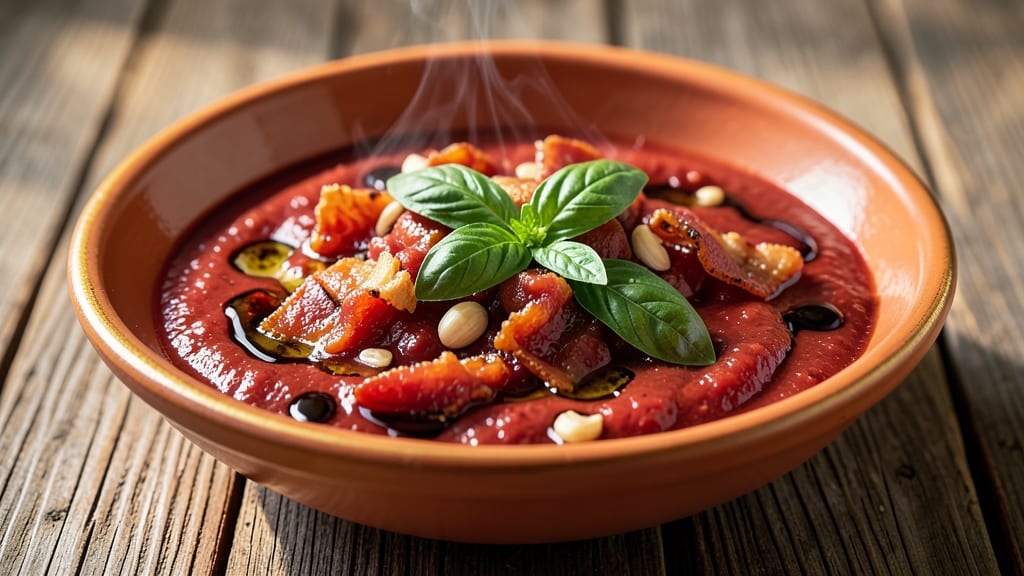
This authentic Italian pasta sauce recipe from scratch transforms simple ingredients into the rich, slow-simmered tomato base you crave for al dente pasta. The secret lies in patience—letting tomatoes caramelize and flavors meld over 45 minutes on low heat.
My version skips shortcuts like canned tomatoes and jarred bases, focusing instead on fresh, vibrant ingredients that build depth naturally.
What makes this sauce truly authentic is the balance: bright acidity from fresh basil and lemon, earthy richness from garlic and olive oil, and a touch of sweetness from ripe tomatoes.
I use a mix of crushed tomatoes and tomato paste for body, then reduce the sauce until it coats the back of a spoon—a technique that guarantees a velvety consistency without breaking. The result? A sauce that clings to pasta perfectly, with layers of flavor in every bite.
This isn’t just a sauce—it’s the foundation of Italian comfort. The aroma alone will transport you to a trattoria in Rome, while the taste delivers restaurant-quality richness at home.
Whether you’re tossing it with spaghetti, using it as a dipping sauce, or freezing leftovers for later, this recipe delivers authentic results every time. The process is straightforward, but the reward is unmistakably Italian.
For extra depth, I include optional variations like adding pancetta for umami or fresh mozzarella for creaminess. The beauty of this sauce is its versatility—it adapts to your preferences while staying true to its roots. Let’s get started on creating a sauce that tastes like home.
Ingredients for authentic italian pasta sauce recipe from scratch
Eleven ingredients transform into restaurant-quality sauce with slow-simmered depth and fresh herb brilliance.
| Ingredient | Amount | Notes |
|---|---|---|
| Extra-Virgin Olive Oil 🫒 | ½ cup | High-quality, fruity variety preferred |
| Garlic Cloves 🧄 | 6 cloves | Fresh, minced for even distribution |
| Fresh Basil Leaves 🌿 | 1 ½ cups | Packed, stems removed for brightness |
| Crushed Tomatoes 🍅 | 2 cups | San Marzano preferred for sweetness |
| Tomato Paste 🍅 | ½ cup | High-quality, no added salt |
| Red Wine 🍷 | ½ cup | Bold, dry red like Chianti or Sangiovese |
| Lemon Juice 🍋 | 2 tbsp | Freshly squeezed for acidity balance |
| Fresh Mozzarella 🧀 | 4 oz | Optional, for creaminess (drained) |
| Pancetta 🥓 | 2 oz | Optional, diced for umami depth |
| Kosher Salt 🧂 | 1 ½ tsp | Diamond Crystal preferred for accuracy |
| Freshly Ground Black Pepper 🌶️ | ½ tsp | Freshly cracked for sharpness |
The tomatoes are non-negotiable—San Marzano from a reputable brand like Mutti or Barilla delivers that perfect balance of sweetness and acidity. I grab mine from Whole Foods or Trader Joe's when they're in season, but any high-quality canned tomatoes work in a pinch. The olive oil should be extra-virgin, not just 'pure'—look for Italian brands like Colavita or Bertolli that have that fruity punch. Fresh basil? Farmers markets have the best—bright green, no wilting—and I always buy extra since it's the heart of that fresh Italian flavor. For the red wine, any bold, dry red works here—Cab Sauv, Merlot, whatever's open—but avoid sweet varieties.
No fresh basil? Dried oregano at one-third the amount gets you close, though nothing beats the fresh stuff. Running low on crushed tomatoes? Fresh tomatoes blended work too—just remove skins and seeds first. The pancetta is optional but adds incredible depth; substitute crispy bacon if that's what you've got (use half the amount). For a vegetarian version, skip the pancetta entirely and add an extra splash of red wine. The tomato paste is key for that thick, velvety texture—Trader Joe's squeeze tubes are perfect for this recipe since you only need half a cup. And if you can't find San Marzano, any good-quality canned tomatoes will do, but you might need to adjust the salt since some brands are saltier than others.
This sauce tastes even better the next day once all the flavors meld together. Store it in an airtight container in the fridge for up to 5 days, or freeze portions for 3 months—it's perfect for meal prep. I like to freeze it in ice cube trays, then transfer to a bag so I can grab just what I need. The basil wilts fast, so store it in a jar with a little water, covered with a plastic bag to keep it fresh for up to a week. And if you make extra? Toss it with fresh pasta or use it as a dip for crusty bread—trust me, you'll want seconds.
Why You'll Love This Recipe
- No Chopping Needed: I swear by this—just crush the garlic, tear the basil, and dump the tomatoes. The only knife work is opening a can (or bag of crushed tomatoes), and honestly, that’s half the battle won.
- Garlic-Basil Magic: That first hit of olive oil sizzling with garlic? Pure gold. Then the fresh basil at the end—bright, peppery, and impossible to resist. It’s the kind of flavor that makes you pause mid-bite, like, “Wait, is this really just sauce?”
- Weeknight to Party: Same sauce, endless uses. Slap it on spaghetti for Tuesday, toss it with grilled chicken for Thursday, or serve it in a rustic bread bowl when friends drop by. The tomato paste gives it depth, so it never tastes flat, no matter what you pair it with.
- Leftovers That Taste Better: Between us, this sauce only gets richer overnight. I’ve reheated a jar from three days ago and still gotten compliments—thanks to the tomato paste thickening it just right. Plus, it’s cheap to make, so you’re not stressing over wasted food. Win-win.
Step-by-step instructions for authentic Italian pasta sauce
Let's build this sauce from scratch—where every ingredient transforms into rich, herb-infused tomato perfection.
Develop the Flavor Base with Pancetta and Garlic
Heat the 0.5 cup extra-virgin olive oil in a heavy-bottomed saucepan over medium-low heat. Add the 2 oz diced pancetta and cook gently for 5-6 minutes until the fat renders out and the pancetta becomes crispy and golden. Here's the thing—don't rush this step. The pancetta should release its fat slowly, creating a fragrant foundation without burning.
Once the pancetta is crispy, remove it from the pan with a slotted spoon and set aside, leaving the rendered fat in the pan. Add the 6 minced garlic cloves to the fat and cook for 1-2 minutes until they're fragrant but not browned. You'll know it's perfect when the kitchen fills with that irresistible garlic aroma—this is where the authentic Italian flavor begins to develop.
Build Depth with Tomato Paste and Wine
Reduce the heat to low and stir in the 0.5 cup tomato paste, spreading it evenly across the bottom of the pan. Cook for 2-3 minutes, stirring constantly, until the paste darkens slightly and becomes smooth. This step is crucial—it creates a rich, concentrated base that prevents the sauce from becoming watery later.
Next, pour in the 0.5 cup red wine and scrape up any browned bits from the bottom of the pan with a wooden spoon. Let the wine simmer for 3-4 minutes until it reduces by about half. The alcohol will cook off, leaving behind deeper, more complex flavors. Here's a pro tip: If you're using a bold red wine like Chianti, you'll notice the sauce developing a beautiful, glossy sheen as it reduces.
Incorporate Tomatoes and Simmer Slowly
Add the 2 cups crushed tomatoes and 1.5 tsp kosher salt to the pan. Stir well to combine, then increase the heat to medium-low. Let the sauce simmer uncovered for 20-25 minutes, stirring occasionally. The goal is to reduce the sauce slightly while allowing the flavors to meld together. You'll see the sauce transform from a bright red to a deeper, richer hue—this is the magic of slow simmering.
After 20 minutes, taste the sauce and adjust the seasoning if needed. The acidity from the tomatoes should be balanced by the sweetness of the San Marzano tomatoes and the depth of the wine. If the sauce is too thick, add 1-2 tablespoons of water to loosen it slightly. The sauce should coat the back of a spoon but still be vibrant, not syrupy.
Finish with Fresh Herbs and Brightness
Reduce the heat to low and stir in the 1.5 cups fresh basil leaves and 2 tbsp lemon juice. Simmer for an additional 5 minutes, allowing the basil to wilt slightly and release its aromatic oils. The lemon juice adds a bright, fresh contrast to the rich tomato base—this is what makes the sauce truly authentic and balanced.
If you're using the 4 oz fresh mozzarella, add it now and let it melt gently into the sauce. Stir in the reserved crispy pancetta and 0.5 tsp freshly ground black pepper. The mozzarella should create a creamy, velvety texture without making the sauce too heavy. Here's where it gets fun—taste the sauce one last time and adjust the seasoning with a pinch more salt or a splash of lemon juice if needed.
Rest and Serve with Pasta
Remove the sauce from heat and let it rest for 10 minutes. This resting period allows the flavors to fully meld together and the sauce to thicken slightly. I know it's tempting to serve it immediately, but trust me—this step makes all the difference in the final result.
Serve the sauce immediately over al dente pasta, tossing it gently to coat each strand. The sauce should cling beautifully to the pasta, creating a harmonious blend of rich tomato, fresh herbs, and crispy pancetta. Each bite should deliver layers of flavor—sweet tomatoes, bright lemon, earthy garlic, and the umami depth of the pancetta. This is the kind of sauce that makes you feel like you're dining in a rustic Italian trattoria.
Pro Tips For Making Authentic Italian Pasta Sauce Recipe From Scratch
- Cook Garlic Low: I learned this the hard way—sizzling garlic in olive oil until it’s golden is a myth for this sauce. Keep the heat low after adding the cloves, or they’ll burn before the tomatoes even hit the pan. You want aroma, not smoke.
- Crush Tomatoes Properly: Skip the blender if you’re in a hurry—just grab a handful of crushed tomatoes and squeeze them over a strainer to remove skins and seeds. This keeps the sauce silky and cuts down on cooking time. (Yes, even if you’re impatient like me.)
- Sweat the Paste First: Bloom the tomato paste in olive oil for 2–3 minutes before adding anything else. This deepens the flavor and prevents a raw, pasty taste. I used to rush this, and the sauce always tasted flat.
- Add Basil Late: Tossing in fresh basil at the very end keeps its bright flavor from turning bitter. If you’re using dried, add it with the tomatoes—but fresh? Save it for plating. (Your future self will notice the difference.)
Essential equipment for this recipe
Heavy-Bottomed Saucepan
You'll need a stainless steel or enameled cast iron saucepan with a 3-4 quart capacity—I use my All-Clad 3.5-quart for perfect heat distribution. This prevents scorching and helps develop deep, caramelized flavors.
Avoid nonstick pans; they can't handle the slow simmering needed for authentic texture. A wooden spoon is essential for stirring and scraping up those flavorful browned bits from the bottom. 🌡️
High-Quality Olive Oil
Invest in a good extra-virgin olive oil like Colavita or Bertolli—the fruity, peppery notes elevate the sauce. I measure 0.5 cup for this recipe, but buy a larger bottle since you'll use it often.
A small funnel helps prevent spills when measuring sticky tomato paste. For extra authenticity, use a garlic press to mince those 6 cloves evenly—no knives required!
Wooden Spoon Essentials
Your wooden spoon should be heat-resistant and wide enough to scrape the pan's bottom. I prefer hickory or oak handles—they're durable and won't warp. Keep one dedicated to sauces to avoid cross-contamination. A small offset spatula comes in handy for spreading tomato paste evenly during the 2-3 minute cooking time.
Pro tip: Soak wooden utensils in hot, soapy water for 10 minutes to remove stuck-on bits.
Fine-Mesh Strainer
A fine-mesh strainer helps remove basil stems and pancetta bits if you prefer a smoother sauce. I use my OXO Good Grips for this purpose—it's sturdy and easy to clean. For the 1.5 cups fresh basil, I tear leaves by hand rather than chopping to preserve their delicate aroma.
If you're adding 4 oz fresh mozzarella, use a mandoline for even slices that melt beautifully into the sauce.
Kitchen Timer
Set a kitchen timer for each critical stage—5-6 minutes for pancetta, 20-25 minutes for simmering tomatoes, and 5 minutes for finishing with herbs. I use a digital timer with vibration so I don't miss any steps while stirring.
The 10-minute rest before serving is just as important—don't skip it! A small bowl nearby helps catch any drips while you let the sauce thicken naturally. ✨
Nutrition facts
Frequently asked questions
Can I make this sauce without wine? What's a good substitute?
Yes! For a non-alcoholic version, replace the 0.5 cup red wine with 0.5 cup vegetable or chicken stock or even 0.5 cup tomato juice. The key is to use something acidic to balance the tomatoes. If you want to keep the depth of flavor, try 1/4 cup red wine vinegar + 1/4 cup stock—it mimics the acidity and complexity. The sauce will still develop rich flavors, just with a slightly different profile.
Why does my homemade sauce taste different from store-bought?
Store-bought sauces often contain additives like sugar, salt, and preservatives to enhance flavor and shelf life. This recipe uses fresh ingredients and slow simmering to build depth naturally. The difference comes from the tomato paste caramelization, reduced wine, and fresh herbs—none of which are in jarred sauces. Think of it as the difference between a fresh tomato and one from a can!
How do I adjust the thickness of the sauce?
For a thicker sauce, simmer uncovered for an extra 5-10 minutes to evaporate more liquid. If it's too thick, add 1-2 tablespoons water or stock at a time, stirring well. The ideal consistency should coat the back of a spoon but still be vibrant, not syrupy. Pro tip: If you're serving it immediately, slightly thicker works better for clinging to pasta. For freezing, a slightly thinner consistency prevents separation.
Can I make this sauce ahead of time? How long does it keep?
This sauce tastes even better the next day! Store in an airtight container in the fridge for up to 5 days. For longer storage, freeze portions in ice cube trays or small containers for up to 3 months. Thaw overnight in the fridge—never at room temperature. The flavors meld beautifully over time, making it perfect for meal prep. Just reheat gently on low heat before serving.
What's the best pasta shape to pair with this sauce?
This rich, herb-infused sauce works beautifully with long, thin pasta like spaghetti or linguine, but don't limit yourself! Try pappardelle or fettuccine for a more substantial bite. For extra texture, use rigatoni or penne—the ridges help the sauce cling. Avoid delicate shapes like angel hair unless you prefer a lighter sauce-to-pasta ratio. The key is al dente pasta that holds up to the sauce's richness.