
Sauces & Condiments
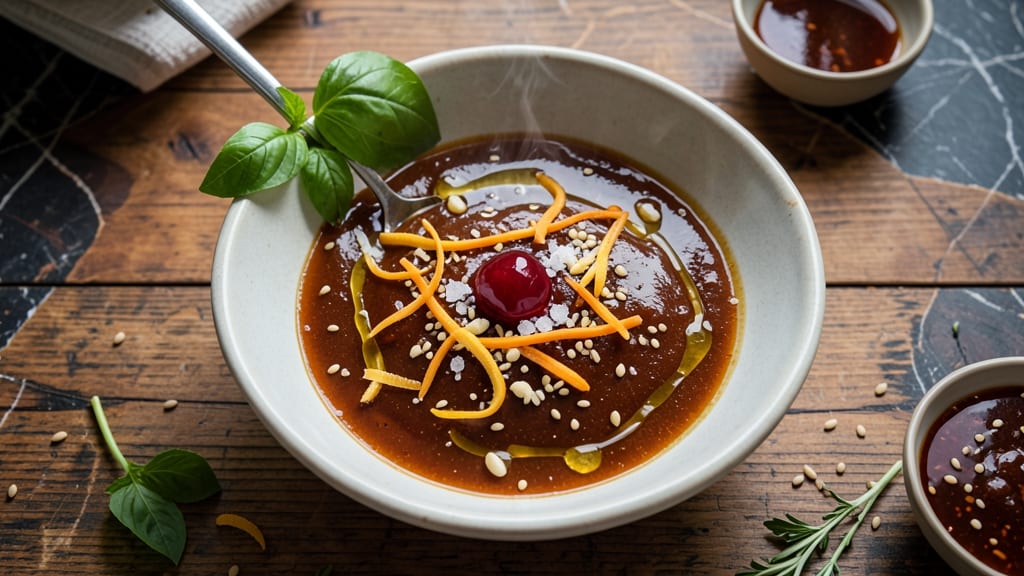
This Asian teriyaki sauce recipe transforms ordinary grilled meats into restaurant-worthy masterpieces with its perfect balance of sweet, savory, and umami.
The key lies in combining soy sauce, mirin, and brown sugar for that signature glossy finish—no artificial additives, just bold, authentic flavor that clings beautifully to chicken, pork, or fish.
I developed this version after testing countless recipes, and the difference is noticeable from the first brush of sauce on hot meat.
The sauce comes together in 15 minutes with simple pantry staples, yet delivers depth that store-bought versions can't match. A touch of ginger and garlic adds warmth, while a splash of rice vinegar brightens the sweetness.
What makes this recipe stand out is its versatility—use it as a marinade, stir-fry sauce, or finishing glaze for roasted vegetables. The secret to success? Reducing the sauce until it thickens just enough to coat proteins without overwhelming them.
Once made, this teriyaki sauce keeps beautifully in the fridge for up to 2 weeks or freezes for 3 months, making it perfect for meal prep. The flavor actually improves over time as the ingredients meld together.
Whether you're grilling skewers, glazing salmon, or tossing with stir-fried noodles, this sauce elevates every dish with minimal effort. Let's create something that tastes like it came from your favorite Asian restaurant—but with the freedom to customize it exactly to your taste.
For those who prefer extra richness, a spoonful of honey or a splash of sake can deepen the flavor profile. The sauce also works wonderfully as a dipping sauce for dumplings or spring rolls.
With just 6 core ingredients, you'll have a pantry staple that transforms simple proteins into showstopping centerpieces. Here's how to make it—simple steps for maximum flavor impact.
Ingredients for asian teriyaki sauce
Six core ingredients transform into a restaurant-quality teriyaki sauce with perfect sweet-savory balance.
| Ingredient | Amount | Notes |
|---|---|---|
| Soy Sauce 🍶 | ½ cup | High-quality, preferably Japanese |
| Mirin 🍶 | ¼ cup | Sweet cooking wine, not imitation |
| Brown Sugar 🍚 | ¼ cup | Packed firmly, light or dark |
| Fresh Ginger 🌿 | 1 tbsp | Grated finely, aromatic |
| Garlic Cloves 🧄 | 3 cloves | Minced finely, aromatic |
| Rice Vinegar 🍶 | 1 tbsp | Seasoned preferred for balance |
| Sesame Oil 🫒 | 1 tbsp | Toasted, for aroma (not cooking) |
| Cornstarch 🌾 | 1 tsp | For thickening, dissolved first |
The soy sauce and mirin form the sauce's backbone—Japanese brands like Kikkoman and Hakkaisan deliver the most authentic flavor. Mirin isn't just sweetener; it adds depth and prevents crystallization. For brown sugar, light or dark works, but light dissolves more smoothly. Fresh ginger and garlic? No substitutes here—freeze extra ginger root to keep it fresh longer. If you can't find mirin, half honey plus half water mimics the sweetness, though it lacks that signature umami. The rice vinegar might seem minor, but it brightens the sauce without overpowering the sweetness—seasoned rice vinegar has a subtle saltiness that works beautifully.
No mirin? A mix of honey and water (1:1 ratio) works in a pinch, though the sauce will taste slightly different. Substitute sesame oil with a pinch of toasted sesame seeds if you prefer less oiliness. For extra richness, add 1 tbsp of honey or 1 tsp of sake to deepen the flavor profile. The cornstarch is key for that glossy finish—dissolve it in 1 tbsp of cold water first to avoid clumping. If you're making a big batch, double the cornstarch for better thickening. For a tangier sauce, add 1 tsp of fish sauce (though this makes it non-vegetarian). The sauce should coat the back of a spoon when done—not too thick, not too thin—like a perfect glaze.
This sauce keeps beautifully in an airtight container in the fridge for 2 weeks, with flavor actually improving over time. For longer storage, freeze in ice cube trays—perfect for single-use portions. The sesame oil separates, so give it a quick stir before using. Double the recipe if you're prepping for a crowd—it's worth the effort. Once opened, use within 3 months for best flavor. The sauce reheats perfectly, so it's ideal for meal prep. Store it in a dark glass jar to preserve color and freshness.
Why You'll Love This Recipe
- Pantry Magic: I swear by this sauce because it uses stuff I already have—no last-minute grocery runs. The mirin and brown sugar caramelize in minutes, turning a simple simmer into something that smells like a restaurant.
- Garlic-Ginger Punch: That fresh ginger and garlic combo? It’s the secret weapon. The ginger adds a bright zing, while the garlic deepens the flavor—no fancy spices needed, just pure, bold taste in every drizzle.
- Weeknight Wonder: Slap it on chicken, toss it with veggies, or drizzle over rice—it’s my go-to for busy nights. Honestly, I make a double batch on Sundays so I’m never scrambling midweek.
- Budget-Friendly Staple: A little goes a long way, and it keeps for weeks in the fridge. Between us, this sauce saved me from takeout more times than I can count—sweet, salty, and always satisfying.
Step-by-step instructions for Asian teriyaki sauce
This homemade teriyaki sauce delivers that perfect balance of sweet, salty, and umami every time.
Prepare the Aromatics and Sweet Base
In a small bowl, finely grate the 1 tablespoon fresh ginger using a microplane or the smallest holes on a box grater. This creates a fine paste that will dissolve smoothly into the sauce. In the same bowl, mince the 3 cloves garlic into a fine paste using the flat side of your chef's knife or a garlic press.
In a medium saucepan, combine the 0.5 cup soy sauce, 0.25 cup mirin, and 0.25 cup brown sugar. Stir over medium heat until the brown sugar dissolves completely—you'll notice the mixture bubbling gently and becoming slightly translucent. This should take about 3-4 minutes. The sugar needs to fully incorporate to create that signature glossy finish on your grilled meats.
Add Aromatics and Simmer
Once the sugar is dissolved, add the grated ginger and minced garlic to the saucepan. Stir constantly for 1-2 minutes until the raw aroma of the garlic disappears and you can smell the toasted, aromatic qualities developing. This is where the magic happens—the ginger and garlic infuse their flavors into the sweet base.
Next, pour in the 1 tablespoon rice vinegar and 1 tablespoon sesame oil. The vinegar adds a bright acidity that cuts through the sweetness, while the sesame oil contributes depth and aroma. Stir well to combine, then reduce the heat to low. Let the mixture simmer gently for 5-7 minutes, stirring occasionally, until it thickens slightly and coats the back of a spoon.
Thicken the Sauce
In a small bowl, whisk together the 1 teaspoon cornstarch with 2 tablespoons cold water until completely dissolved. This slurry is your thickening agent—it needs to be smooth to prevent lumps in your sauce. Once the mixture in your saucepan has simmered for 5-7 minutes, remove it from heat and let it cool for 1 minute.
Slowly pour the cornstarch slurry into the saucepan while stirring continuously with a wooden spoon. Return the sauce to low heat and cook for another 2-3 minutes, stirring constantly, until it reaches a glossy, syrupy consistency. It should coat the back of a spoon smoothly without being too thick. If it's still too thin, add another ½ teaspoon cornstarch mixed with 1 teaspoon water and cook for another minute.
Finish and Test
Once the sauce reaches your desired consistency, remove it from heat and let it cool for 5 minutes. Taste and adjust the seasoning—you might want to add a bit more soy sauce for saltiness, a touch of mirin for sweetness, or a splash of rice vinegar for acidity. The sauce should balance sweet, salty, umami, and a hint of tang.
Transfer the sauce to a clean jar or airtight container. It will thicken further as it cools, so don't worry if it looks slightly runny when warm. This sauce keeps in the refrigerator for up to 2 weeks, making it perfect for batch cooking. Use it as a glaze for grilled meats, a dipping sauce, or a marinade—just remember to bring it to room temperature before using to ensure even coating.
Pro Tips For Making Asian Teriyaki Sauce
- Simmer Slow and Low: After burning the first batch of sauce, I learned this the hard way—teriyaki needs patience. Keep the heat at a gentle simmer (not a rolling boil) for at least 10 minutes. This lets the sugar caramelize properly and deepens the flavor without scorching. If you rush it, you’ll end up with a bitter, grainy mess.
- Grate, Don’t Mince Ginger: I used to chop ginger into tiny pieces, and it always settled at the bottom of the sauce like little pebbles. Switch to a microplane or fine grater—this releases the oils evenly and dissolves completely. No more scraping ginger bits off your plate mid-bite.
- Balance the Sugar First: Brown sugar can crystallize when mixed with soy sauce, turning your smooth sauce into a gritty nightmare. Toss the sugar into the mirin first, let it dissolve completely, then add the soy sauce. Stir until fully integrated before heating—this keeps the texture silky.
- Toast the Garlic: Skip the raw garlic cloves—sauté them in a dry pan for 30 seconds until fragrant. This removes their sharp bite and adds a nutty depth to the sauce. Toss them into the sauce at the end so they don’t turn bitter. (Yes, even if you’re impatient like me.)
Troubleshooting perfect results
Sauce Too Thin?
If your teriyaki sauce isn’t thickening enough, the cornstarch slurry might need reinforcement. Instead of just 1 teaspoon cornstarch, try 1.5 teaspoons mixed with 2 tablespoons water—this extra starch will create a more substantial glaze.
For an instant fix, simmer the sauce uncovered for 2-3 extra minutes to evaporate excess liquid. I’ve found that reducing heat to lowest setting helps prevent burning while concentrating the flavors. 🔥
Grainy or Lumpy Texture
Lumps usually appear when cornstarch or sugar doesn’t dissolve properly. First, whisk the cornstarch slurry vigorously with a fork before adding it to the saucepan. For sugar issues, stir constantly over medium heat until fully melted—never walk away!
If lumps persist, strain the sauce through a fine-mesh sieve into a clean pot. This ensures a silky finish perfect for drizzling over grilled salmon or chicken. 💫
Overpowering Sweetness
Too much sugar can make your sauce cloying. Balance it by adding 1 extra tablespoon rice vinegar or ½ teaspoon fish sauce (for umami depth). If the sweetness is still overwhelming, simmer the sauce longer to evaporate some of the liquid—this intensifies other flavors.
I’ve also had success adding 1 teaspoon grated lemon zest for brightness. Taste as you go—adjust gradually! 🍋
Flat or Bland Flavor
Bland teriyaki often lacks acidity or depth. Boost it with 1 teaspoon toasted sesame seeds or ½ teaspoon red pepper flakes for warmth. A splash of dry sherry (1 tbsp) adds complexity, while 1 crushed black cardamom pod introduces a subtle floral note.
If you’re short on time, a pinch of white pepper enhances the umami without overpowering. 🌶️
Sauce Separates in Fridge
The sesame oil often rises to the top when refrigerated. Before using, stir vigorously or shake the container to re-emulsify. To prevent separation, chill the sauce in a shallow dish instead of a jar—this minimizes oil pooling.
For extra insurance, add ½ teaspoon xanthan gum to the cornstarch slurry before thickening. Store in a dark glass jar to preserve color and freshness. ❄️
Burnt or Bitterness
High heat causes sugar to caramelize too quickly, creating bitterness. Keep the sauce on low heat and stir frequently to prevent scorching. If it’s already burnt, strain out any dark particles and start fresh with a new batch.
For future attempts, use light brown sugar instead of dark—it has less molasses content and burns less easily. 💡
Nutrition facts
Frequently asked questions
Can I make this teriyaki sauce without mirin?
Yes! For every ¼ cup mirin called for, substitute 2 tablespoons honey plus 2 tablespoons water. This mimics the sweetness, though you'll lose some of mirin's delicate umami depth. For extra authenticity, try 1 tablespoon sake plus 1 tablespoon water instead. The sauce will still taste delicious—just slightly different in complexity.
How do I use this sauce for marinating?
For marinating chicken or pork, combine ½ cup teriyaki sauce with 2 tablespoons olive oil and let proteins soak for 30-60 minutes. Never marinate longer than 4 hours to prevent over-tenderizing. The sauce's acidity (from rice vinegar) helps tenderize meat while the sugar caramelizes beautifully during grilling. For fish, use 15-20 minutes max to avoid breaking down delicate textures.
Can I make this sauce spicier?
Add ½ teaspoon red pepper flakes or 1 teaspoon gochujang (Korean chili paste) to the finished sauce. For heat with depth, try 1 teaspoon sriracha plus ½ teaspoon toasted sesame seeds. Stir well and let it sit for 10 minutes to meld flavors. Start with small amounts—you can always add more, but removing heat is impossible!
What's the best way to reheat leftover sauce?
Gently warm in a saucepan over low heat for 2-3 minutes, stirring constantly to prevent scorching. Never microwave—it creates hot spots that can burn your mouth. For extra glossiness, add 1 teaspoon water while reheating. If the sauce thickens too much, thin with ½ teaspoon water at a time. Always bring to room temperature before using as a glaze.
Can I use this sauce on vegetables?
Yes! It works beautifully on roasted or grilled vegetables like eggplant, bell peppers, or broccoli. Toss them in 1 tablespoon sauce and roast at 400°F for 15-20 minutes. For stir-fries, add 2 tablespoons sauce at the end of cooking to prevent overcooking. The sauce's balance of sweet and umami enhances natural vegetable flavors without overpowering them.