
Sauces & Condiments
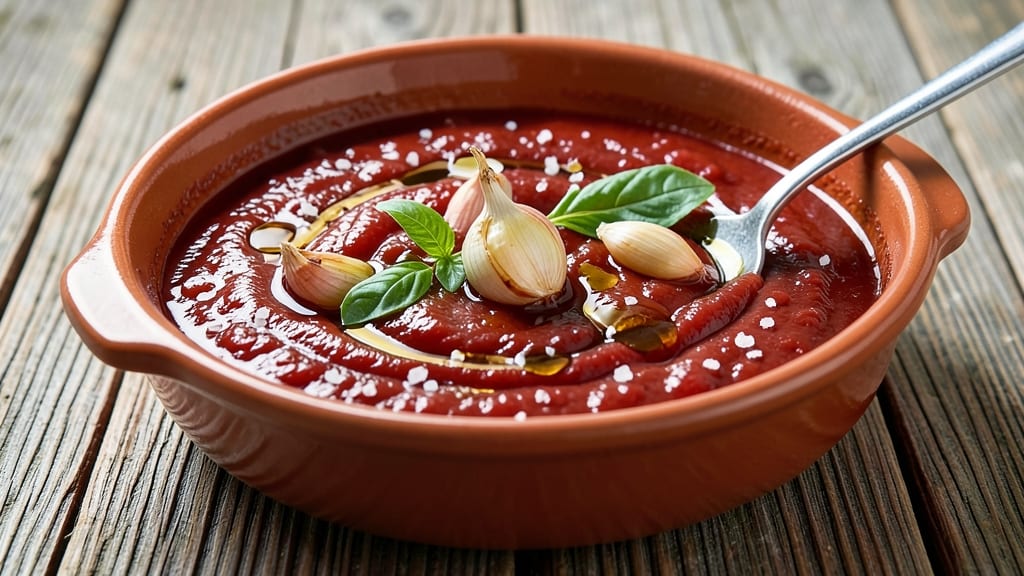
This authentic Sicilian tomato sauce transforms simple ingredients into a rich, slow-simmered masterpiece that captures the soul of Sicily. 🌿 The secret lies in San Marzano tomatoes—sweet, meaty, and packed with natural umami—simmered with garlic, olive oil, and a touch of red wine for depth.
Unlike quick sauces, this one develops layers of flavor over hours, creating a velvety texture that clings to pasta like a second skin.
The process is deceptively simple: saute garlic until fragrant, deglaze with wine, then add tomatoes and let them break down slowly. Fresh basil finishes the sauce just before serving, adding that signature brightness Sicilians swear by.
What makes this sauce truly special is its versatility—it elevates everything from al dente pasta to grilled meats, all while staying true to its roots.
What you’ll end up with is a sauce that tastes like a taste of Italy, with a balance of sweetness, acidity, and earthy undertones. The key is patience; rushing the simmering process results in a thin, watery sauce, while letting it work its magic transforms it into something luxurious.
This isn’t just a sauce—it’s a flavor experience that turns ordinary meals into something extraordinary.
Perfect for meal prep, this sauce keeps beautifully in the refrigerator for up to 5 days or freezes for months, making it the ultimate pantry staple. Whether you’re serving it over spaghetti, drizzling it on bruschetta, or using it as a marinade, this recipe delivers restaurant-quality results with minimal effort.
Let’s get cooking!
Ingredients for authentic sicilian tomato sauce
San Marzano tomatoes, olive oil, and fresh basil create Sicily's velvety sauce masterpiece.
| Ingredient | Amount | Notes |
|---|---|---|
| San Marzano Tomatoes 🍅 | 28 oz | Canned, whole, no salt added |
| Extra-Virgin Olive Oil 🫒 | ½ cup | Fruity, peppery variety preferred |
| Garlic Cloves 🧄 | 4 cloves | Fresh, peeled, thinly sliced |
| Dry Red Wine 🍷 | ½ cup | Bold, dry variety like Chianti |
| Fresh Basil Leaves 🌿 | ½ cup | Packed, stems removed |
| Sea Salt 🧂 | 1 tsp | Diamond Crystal preferred |
| Ground Black Pepper 🌶️ | ½ tsp | Freshly ground preferred |
| Sugar 🍚 | 1 tsp | Adjust to taste for balance |
| Red Wine Vinegar 🍶 | 1 tbsp | For acidity balance |
| Freshly Grated Parmesan Cheese 🧀 | ¼ cup | For finishing, optional |
The heart of this sauce lies in San Marzano tomatoes—their natural sweetness and thick texture are non-negotiable for authentic flavor. Look for canned, whole tomatoes with no added salt, preferably from reputable brands like Mutti or Cirio. The olive oil should be extra-virgin with noticeable peppery notes; California Olive Ranch or Colavita are excellent choices. Fresh garlic is a must—pre-minced varieties often contain anti-browning agents that dull the flavor. For the red wine, Chianti Classico or Sangiovese provide ideal depth, though any bold dry red will work. Always use fresh basil for that signature Sicilian brightness—dried simply won't cut it.
No San Marzano tomatoes? Crushed tomatoes work in a pinch, but add an extra 1 tbsp tomato paste to compensate for the thinner texture. Substitute the red wine with 1 cup beef broth plus 1 tbsp balsamic vinegar for similar depth. Fresh basil unavailable? Dried basil at one-third the amount provides some flavor, though the aroma will differ. For the olive oil, light olive oil can be used but lacks the fruity complexity. If you prefer less acidity, reduce the red wine vinegar to 1 tsp or omit entirely. The sugar is optional but helps balance acidity—omit if your tomatoes are particularly sweet.
This sauce develops flavor over time, so make it a day ahead if possible—it tastes even better the next day. Store in an airtight glass container in the refrigerator for up to 5 days, or freeze for 3 months in portions. For freezing, use ice cube trays for perfect single-serving portions. The sauce thickens as it cools, so add a splash of water or broth when reheating. Always finish with fresh basil and grated Parmesan just before serving to preserve their vibrant qualities.
Why You'll Love This Recipe
- No-Chop Necessary: I swear by this—just crush the garlic, tear the basil, and let the San Marzano tomatoes do the work. The sauce practically makes itself while you sip that red wine (yes, you’re allowed).
- Wine-Infused Magic: That splash of dry red wine? It’s not just for flavor—it deepens the sauce into something rich and complex, like a secret handshake between garlic and basil. One taste and you’ll understand why Sicilians don’t mess around.
- Pasta’s Best Friend: Use it tonight for spaghetti, freeze half for next month’s lasagna, or drizzle it over grilled chicken. It’s the one sauce that turns ordinary meals into something special—no excuses.
- Budget Luxury: San Marzano tomatoes and good olive oil cost more upfront, but a single batch stretches for weeks. I’ve fed my family for days on this—proof that the best things in life (and kitchens) don’t have to break the bank.
Step-by-step instructions for authentic Sicilian tomato sauce
This method delivers restaurant-quality Sicilian tomato sauce with deep flavor and perfect balance.
🍳 Step 1: Bloom the Garlic in Olive Oil
Heat the 0.5 cup extra-virgin olive oil in a heavy-bottomed saucepan over medium-low heat. Add the 4 cloves thinly sliced garlic cloves and cook gently for 3-4 minutes until the garlic turns golden brown but doesn't burn. This slow cooking develops sweet, nutty flavors that form the sauce's foundation.
Watch the garlic carefully—it burns quickly. When it releases its aroma and turns a rich golden color, it's ready. Remove the pan from heat immediately after the garlic browns to prevent bitterness. This step is crucial for authentic Sicilian flavor.
🍳 Step 2: Add Tomatoes and Wine for Depth
Return the pan to medium heat and add the 28 oz San Marzano tomatoes, crushing them lightly with your hands as you add them. Pour in the 0.5 cup dry red wine and scrape up any browned bits from the bottom of the pan with a wooden spoon. These bits contain concentrated flavor that will infuse your sauce.
Bring the mixture to a gentle simmer, then reduce heat to low. Let it cook uncovered for 20-25 minutes, stirring occasionally, until the tomatoes begin to break down and the sauce thickens slightly. You'll notice the sauce darkens and develops a rich, complex aroma—this is where the authentic Sicilian character emerges.
🥘 Step 3: Season and Simmer to Perfection
Add the 1 tsp sea salt, 0.5 tsp ground black pepper, 1 tsp sugar, and 1 tbsp red wine vinegar. Stir well to distribute the seasonings evenly. The sugar balances the acidity, while the vinegar adds brightness that cuts through the richness. Return to a gentle simmer and cook uncovered for another 15-20 minutes, stirring occasionally.
During this time, the sauce should reduce by about one-third, becoming thicker and more concentrated. You're looking for a sauce that coats the back of a spoon but still has a silky texture. Taste and adjust seasoning if needed—this is where you fine-tune the balance between sweet, salty, and acidic notes that define authentic Sicilian tomato sauce.
👨🍳 Step 4: Finish with Fresh Basil and Parmesan
Remove the sauce from heat and stir in the 0.5 cup fresh basil leaves. The basil should wilt slightly, releasing its bright, aromatic oils into the sauce. For an optional finishing touch, sprinkle in the 0.25 cup freshly grated Parmesan cheese and stir until melted and fully incorporated.
Let the sauce rest for 5-10 minutes before serving. This resting period allows the flavors to meld completely. The sauce will thicken slightly as it cools, achieving that perfect balance of intensity and approachability that makes Sicilian tomato sauce so universally loved.
Pro Tips For Making Authentic Sicilian Tomato Sauce
- SIMMER LOW AND SLOW: After burning my first batch of San Marzano sauce (yes, I was impatient), I learned to keep the heat at a gentle simmer—not a rolling boil. This lets the tomatoes break down into a rich, velvety texture without losing their natural sweetness or turning bitter. If your sauce looks like it’s fighting you, you’re doing it right.
- PEEL AND CRUSH TOMATOES: Skip the can opener and grab a paring knife—peel the San Marzano tomatoes first. The skins stay stubbornly intact when canned, and they turn slimy when cooked. Roughly crush them by hand (no food processor!) to release juices while keeping some texture. I used to strain mine for a smooth sauce, but the Sicilians don’t—chunky is better.
- DEGLAZE WITH WINE: Don’t just dump the red wine in after the garlic—let it sit for 30 seconds while the pan sizzles. The wine will caramelize slightly, adding depth that plain deglazing misses. If you’re using a bold wine like Nero d’Avola, reduce it by half first; cheaper wines can taste harsh otherwise.
- SALT THE BASIL WATER: When you rinse fresh basil leaves, toss them in a bowl of ice water with a pinch of salt. This keeps them vibrant and prevents them from turning to mush when added later. I used to just pat them dry, but this trick makes them last longer in the sauce—especially if you’re prepping ahead.
Serving suggestions for this authentic sicilian tomato sauce
Pasta Pairings
This sauce shines brightest with al dente spaghetti or bucatini, where its velvety texture clings perfectly to each strand. I recommend Bronze Die pasta for its signature ridges that hold sauce like a dream.
For a rustic touch, try orecchiette or rigatoni, which create delightful pockets for the sauce to nestle into. 🌿
For a lighter option, serve over whole wheat linguine or gluten-free spaghetti—just ensure the pasta is cooked to al dente (about 1 minute less than package instructions) to maintain its bite.
The sauce’s natural sweetness also pairs beautifully with freshly grated Pecorino Romano instead of Parmesan for a Sicilian twist.
Grilled Meats
Use this sauce as a marinade or finishing drizzle for grilled chicken breasts or pork chops. Toss 1.5 lbs boneless chicken in ½ cup sauce for 30 minutes before grilling, then brush with extra sauce in the final 2 minutes of cooking.
The acidity tenderizes the meat while infusing it with Sicilian flavor. 🍗
For beef lovers, try it with grilled sirloin steaks—drizzle 2 tbsp sauce over medium-rare steaks during the last 3 minutes of grilling. The sauce caramelizes slightly, creating a delicious crust. Pair with garlic-roasted potatoes for a complete meal.
Bruschetta
Transform this sauce into Sicilian bruschetta by spreading 2 tbsp sauce on toasted crusty baguette slices (toasted with 1 tsp olive oil). Top with fresh mozzarella pearls and a sprinkle of basil. The contrast of crispy bread and creamy cheese elevates the sauce’s flavors. 🥖
For a heartier version, layer thinly sliced prosciutto and roasted red peppers on top before drizzling with extra sauce. This makes a stunning appetizer for dinner parties—just assemble right before serving to keep everything fresh.
Egg Dishes
This sauce transforms shakshuka into a Sicilian-inspired dish. Simmer 4 eggs in the sauce for 5-6 minutes until whites are set but yolks remain runny. Top with crumbled feta and toasted bread for a comforting breakfast or brunch. 🍳
For a lighter option, use the sauce as a pasta carbonara twist—toss 4 eggs with ½ cup grated Pecorino and 1 cup cooked pasta, then stir in 1 cup warm sauce off the heat. The sauce’s acidity balances the richness of the eggs beautifully.
Nutrition facts
Frequently asked questions
Why do I need San Marzano tomatoes for authentic Sicilian sauce?
San Marzano tomatoes are the gold standard because their thick flesh and natural sweetness create a richer, more concentrated sauce. Their low acidity means you won't need extra sugar, and their meaty texture breaks down beautifully during slow simmering. Regular canned tomatoes often contain added salt or thinner textures that dilute the authentic flavor.
Can I make this sauce without red wine? Yes! Substitute with 1 cup beef broth plus 1 tbsp balsamic vinegar for similar depth. The wine adds complexity, but the broth-vinegar combo mimics the acidity and umami. For a non-alcoholic version, use 1 cup tomato juice plus 1 tbsp lemon juice instead. Just
How do I fix a sauce that's too thin?
Simmer uncovered for 10-15 more minutes to reduce naturally. If it's still too thin, mix 1 tbsp tomato paste with 1 tbsp water, stir into the sauce, and simmer another 5 minutes. For an instant fix, whisk in 1 tsp cornstarch mixed with 1 tbsp water—but this should only be a last resort as it changes the texture slightly.
What's the best way to store leftovers?
Let the sauce cool completely, then transfer to an airtight glass container. It keeps in the fridge for 5 days or freezes for 3 months. For freezing, portion into ice cube trays for perfect single-serving amounts. When reheating, warm gently on the stove with a splash of water or broth to restore its silky texture. Always add fresh basil after reheating to preserve its aroma.
Can I make this sauce in a slow cooker?
Follow the same steps but transfer everything to a slow cooker after the garlic blooms. Cook on low for 4-5 hours or high for 2-3 hours, stirring occasionally. The slow cooker's gentle heat enhances the tomatoes' natural sweetness. Just