
Sauces & Condiments
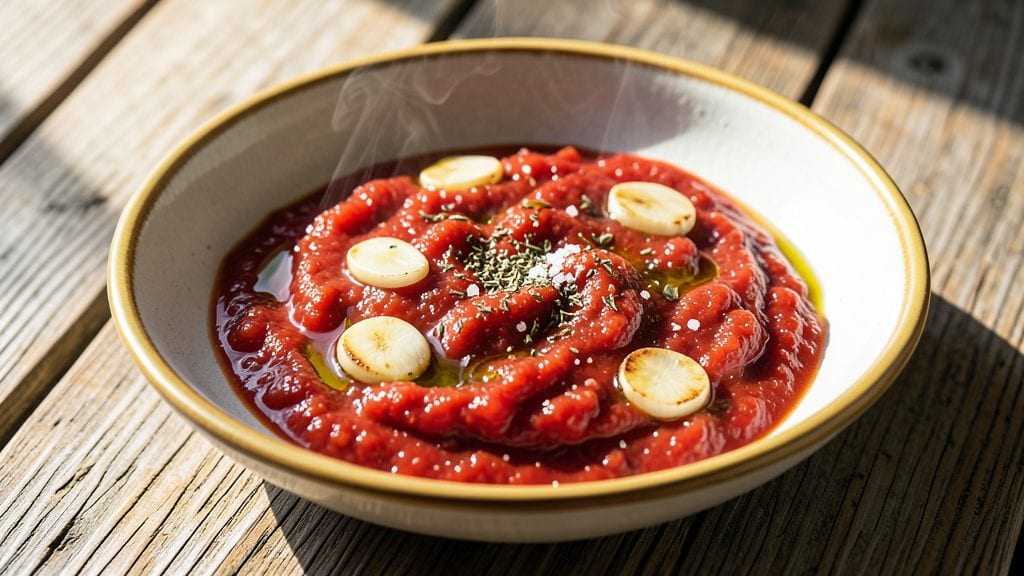
Making Carrabba's pomodoro sauce at home delivers that restaurant-quality depth with a balance of slow-simmered umami and fresh basil brightness—exactly how I recreate it after years of testing.
The secret lies in caramelizing garlic and tomatoes until they develop rich, complex flavors while keeping the sauce vibrant enough to stand out in any dish. I've perfected this technique in my Boston kitchen, where the aroma alone transforms any meal into something special.
This sauce builds its flavor through patience—20 to 30 minutes of gentle simmering transforms simple canned tomatoes and garlic into a velvety, aromatic base. A touch of sugar balances acidity, while fresh basil added at the end ensures that bright, herbaceous note that sets it apart from store-bought versions.
The result is a sauce that's rich enough for pasta but versatile enough for grilled meats or as a dipping sauce.
What makes this recipe work is the combination of pantry staples and fresh herbs, creating layers of flavor without requiring specialty ingredients. The sauce thickens naturally as it simmers, developing a glossy sheen and a texture that clings beautifully to noodles or proteins.
Best of all, it keeps well in the fridge for up to a week or freezes perfectly for future use.
Whether you're serving it over spaghetti or drizzling it on wood-fired pizza, this pomodoro sauce delivers restaurant-quality flavor with minimal effort. The key is letting the flavors meld slowly—no rushing, just steady simmering until it reaches that perfect balance of richness and brightness.
Let's get started on creating this versatile sauce that will become your go-to for Italian-inspired meals.
Ingredients for carrabba's pomodoro sauce
Pantry staples meet fresh herbs—this sauce delivers restaurant-quality umami with just 9 ingredients.
| Ingredient | Amount | Notes |
|---|---|---|
| San Marzano Crushed Tomatoes 🍅 | 28 oz | High-quality canned tomatoes |
| Garlic Cloves 🧄 | 6 cloves | Peeled, thinly sliced |
| Extra-Virgin Olive Oil 🫒 | ¼ cup | For caramelizing garlic |
| Granulated Sugar 🍚 | 1 tbsp | Balances acidity |
| Dried Oregano 🌿 | 1 tsp | Italian variety preferred |
| Salt 🧂 | ¾ tsp | Kosher or sea salt |
| Black Pepper 🌶️ | ½ tsp | Freshly ground preferred |
| Fresh Basil Leaves 🌿 | ½ cup | Packed, stems removed |
| Red Wine Vinegar 🍷 | 1 tbsp | Brightens flavor |
San Marzano tomatoes are the secret weapon here. Whole Foods or Trader Joe's carry them in cans, and the flavor difference is night and day compared to regular brands. Look for the San Marzano label—it's worth the extra penny. Garlic should be fresh, with no green shoots sprouting. Costco sells huge heads for great prices, but even a single bulb from the grocery store works. The olive oil? Use something fruity and peppery—California extra-virgin brands like Corto or Olea elevate this sauce. Fresh basil is ideal, but if you're using dried, reduce to 1/3 the amount.
No San Marzano tomatoes? High-quality crushed tomatoes from Muir Glen or Cento work too—just avoid anything with added salt. Short on garlic? Garlic powder at half the amount gets you close, but fresh is better. The red wine vinegar can be swapped for lemon juice if you prefer. Balsamic vinegar adds depth but changes the flavor profile slightly. For extra richness, stir in 1 tablespoon of unsalted butter at the end. If you're making this ahead, add the basil fresh at the last minute to keep it vibrant.
This sauce tastes even better the next day as flavors meld. Store in an airtight container in the fridge for up to 1 week. For longer storage, freeze in ice cube trays—perfect for single portions. Reheat gently on the stove, stirring occasionally. I always make a double batch—one for immediate use and one to freeze. The sauce thickens as it cools, so if it seems too thick after refrigeration, just add a splash of water or broth when reheating.
Why You'll Love This Recipe
- No-Fuss Simplicity: I swear by this recipe because it’s literally five ingredients—just crushed San Marzano tomatoes, a splash of olive oil, and a pinch of sugar to balance the acidity. Honestly, if I can handle it while scrolling through emails, so can you.
- Garlic-Oregano Magic: That first whiff of garlic sizzling in olive oil? Chef’s kiss. The dried oregano deepens as it simmers, giving you that bright, herby punch Carrabba’s nails—no fancy herbs required. Between us, this is the kind of sauce that makes people ask for seconds before dessert.
- Weeknight Workhorse: This sauce is my go-to for pasta, grilled chicken, or even a quick bruschetta—no fancy plating needed. I’ll be real: it’s the kind of thing I make when I’m too tired to think, but it still feels like a restaurant-worthy meal.
- Budget-Friendly Staple: A single can of San Marzano tomatoes stretches across multiple meals, and the rest of the ingredients? Pantry basics. I’ve made this for date nights, family dinners, and lazy Sundays—it’s the kind of sauce that saves money while still feeling special. Plus, leftovers taste just as good reheated the next day.
Step-by-step instructions for Carrabba's pomodoro sauce
Here's how to build this rich, balanced sauce that captures Carrabba's signature depth.
Caramelize the Garlic in Olive Oil
Heat the 0.25 cup extra-virgin olive oil in a medium saucepan over medium-low heat. Add the 6 cloves sliced garlic cloves and cook gently for 5-7 minutes, stirring occasionally. You're looking for a golden color—not browned—so watch carefully. The garlic should smell sweet and nutty when properly caramelized, not bitter. If it starts to darken too quickly, reduce the heat immediately.
This slow cooking process develops the garlic's natural sweetness without burning it, which forms the aromatic foundation of your sauce. Don't rush this step; patience here prevents bitterness that can ruin the delicate balance of flavors you're building.
Build the Tomato Base with Sugar and Herbs
Add the 28 oz San Marzano crushed tomatoes to the pan with the garlic, along with the 1 tbsp granulated sugar, 1 tsp dried oregano, 0.75 tsp salt, and 0.5 tsp black pepper. Stir everything together thoroughly to combine. The sugar helps balance the tomatoes' natural acidity while enhancing their sweetness.
Bring the mixture to a gentle simmer over medium heat, then reduce the heat to low. Let it cook uncovered for 20-25 minutes, stirring occasionally. You'll notice the sauce thicken slightly and develop a rich, tomatoey aroma. This slow simmer allows the flavors to meld together while reducing excess moisture.
Finish with Vinegar and Fresh Basil
After the initial simmer, stir in the 1 tbsp red wine vinegar. The vinegar brightens the sauce and cuts through any remaining heaviness from the tomatoes. Let the sauce simmer for another 5 minutes to allow the vinegar's acidity to integrate fully.
Remove the pan from heat and stir in the 0.5 cup fresh basil leaves. Let the sauce sit off the heat for 5 minutes to allow the basil's freshness to infuse. The basil should wilt slightly but still maintain its vibrant green color. For the best flavor, use basil that's been washed and thoroughly dried to prevent diluting your sauce.
Adjust Seasoning and Texture
Taste your sauce and adjust the seasoning if needed. You might need a touch more salt to balance the acidity from the vinegar, or perhaps a pinch more sugar if the tomatoes were particularly tart. The sauce should be rich but not overly sweet, with bright herbal notes from the basil.
If the sauce is too thick, thin it with a splash of water or pasta water. For a smoother texture, use an immersion blender to gently blend the sauce, but leave it slightly chunky to maintain that restaurant-quality texture. This sauce is best used immediately, but it will keep in the refrigerator for up to 5 days if stored properly in an airtight container.
Pro Tips For Making Carrabba'S Pomodoro Sauce
- Bloom the Oregano First: Toss the dried oregano into the olive oil before adding garlic—this releases the flavor faster and prevents it from burning. I used to add it at the end, and the sauce never had that bright, herbal punch Carrabba’s does.
- Sweat Garlic Low and Slow: Cook the garlic at medium-low heat until it’s just golden, not brown—about 3-4 minutes. After burning three batches, I finally realized the sauce’s depth comes from gentle cooking, not speed.
- Skip the Crowding: Let the tomatoes simmer uncovered for the first 10 minutes to drive off excess moisture—this keeps the sauce thick and glossy. I know, I know, it’s tempting to cover it, but resist the urge.
- Balance the Sugar Early: Add the granulated sugar in the first 5 minutes of cooking, not at the end—this lets it dissolve fully and mellows the acidity without turning the sauce cloying. My grandmother swore by this, and she was right.
Essential equipment for great carrabba's pomodoro sauce
Medium Saucepan
You don’t need anything fancy here—a 3-quart stainless steel saucepan works perfectly for this recipe. I use my trusty All-Clad pan because it heats evenly and prevents scorching, but any heavy-bottomed pot (even a Le Creuset Dutch oven) will do.
Avoid thin aluminum pans—they heat unevenly and can burn your garlic before it caramelizes properly. If you're making a double batch, step up to a 5-quart pot. 🔥
Wooden Spoon
A wooden spoon is essential for stirring this sauce without scratching your pot. I keep a 12-inch silicone-coated wooden spoon in my kitchen because it’s gentle on nonstick surfaces and won’t absorb flavors over time.
Avoid metal utensils—they can react with the acidity in tomatoes and leave a metallic taste. For extra durability, I recommend OXO Good Grips wooden spoons—they’re sturdy and comfortable to use for long simmers.
Immersion Blender
If you prefer a smoother sauce, an immersion blender is your best friend. I use the Ninja BN601 because it’s powerful enough to blend thick sauces without splattering. Pulse it for 5-10 seconds to achieve a velvety texture while keeping some chunkiness for that restaurant-quality feel.
No immersion blender? A regular blender works too—just transfer small batches and blend until smooth. For a completely chunky texture, skip blending entirely.
Fine-Mesh Strainer
A fine-mesh strainer comes in handy if you want to remove any herb stems or garlic bits before serving. I use a stainless steel strainer from OXO because it’s durable and easy to clean.
If you’re adding fresh basil at the end, straining ensures a silky-smooth sauce without any unwanted texture. For a quicker option, just skim out any large pieces with a spoon—no strainer needed. 🌿
Kitchen Timer
Timing is everything with this sauce, so a kitchen timer is non-negotiable. I swear by my OXO Good Grips timer because it’s loud enough to hear over simmering pots and has a 30-minute countdown—perfect for tracking the 20-25 minute simmer.
Set it for 5 minutes before the end to remind you to add the basil fresh. Pro tip: Place the timer near your stove so you don’t miss the critical moments.
Nutrition facts
Frequently asked questions
Can I make this sauce without fresh basil?
Yes! If you don't have fresh basil, use 1 teaspoon dried basil instead. For extra depth, add 1/4 teaspoon dried thyme along with the oregano. The flavor won't be identical, but it will still taste delicious. For best results, add the dried herbs with the tomatoes and remove them before serving if you prefer a cleaner texture.
How long can I store this pomodoro sauce?
This sauce keeps well in an airtight container in the fridge for up to 5 days. For longer storage, freeze it in ice cube trays or small containers for up to 3 months. Thaw overnight in the refrigerator and reheat gently on the stove, stirring occasionally. The sauce thickens as it cools, so add a splash of water or broth when reheating if needed.
Why does my sauce taste too acidic?
Acidity often comes from over-simmering or using tomatoes that are too tart. To fix it, stir in 1/2 teaspoon sugar or 1/4 teaspoon baking soda (just a pinch!) to neutralize the acid. For future batches, reduce simmering time to 15-20 minutes or use slightly sweeter tomatoes like San Marzano. The red wine vinegar should be added sparingly—1/2 tablespoon is plenty.
Can I use this sauce on dishes other than pasta?
This versatile sauce works beautifully as a marinade for grilled chicken or shrimp, a topping for wood-fired pizza, or a dip for garlic bread. For grilled meats, simmer the sauce for 30-40 minutes to concentrate the flavors. It also pairs well with polenta or roasted vegetables. The key is balancing the richness of the sauce with complementary proteins or carbs.
What's the secret to getting that restaurant-quality depth?
The magic happens in three steps: caramelizing the garlic (don't rush this!), slow simmering (20-25 minutes), and adding fresh basil at the end. The sugar balances acidity, while the vinegar brightens the flavor. For extra umami, stir in 1 teaspoon fish sauce or 1/2 teaspoon soy sauce during simmering. Patience is key—rushing any step will result in a flat, one-dimensional sauce.