
Sauces & Condiments
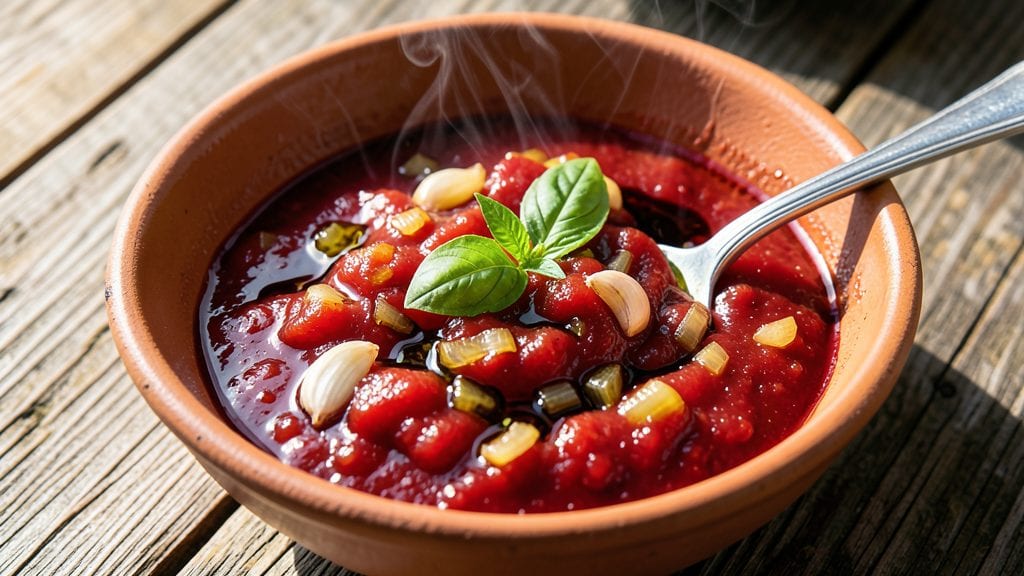
Lidia Bastianich's tomato sauce recipe transforms simple ingredients into a velvety, umami-rich masterpiece that elevates every Italian meal. This isn't just sauce—it's the foundation of authentic Italian cooking, where slow simmering unlocks deep, complex flavors that store-bought versions can't match.
The secret lies in balancing acidity with sweetness while letting the tomatoes reduce naturally, creating a sauce so versatile it works on pasta, pizza, or as a dip.
What sets this recipe apart is Lidia's professional technique: starting with a proper soffritto of onions, garlic, and celery, then building layers of flavor through caramelization before adding tomatoes. Fresh basil added at the end preserves its bright aroma, while a touch of red wine enhances depth.
The result is a sauce that's rich yet balanced, with just the right consistency to cling to everything it touches.
This method delivers restaurant-quality tomato sauce in just under an hour, with minimal effort but maximum flavor development. The slow reduction process intensifies the natural sweetness of the tomatoes while developing umami notes that make every bite unforgettable.
Whether you're making marinara for spaghetti or sauce for lasagna, this recipe ensures professional results every time.
The beauty of this sauce is its adaptability—use it immediately or store it for up to a week in the refrigerator, where the flavors actually improve. For longer storage, freeze portions for up to three months.
Once you taste the difference between this homemade version and anything from a jar, you'll never go back to the store-bought alternative again.
Ingredients for lidia's tomato sauce
Ten ingredients, one hour—this sauce transforms humble pantry staples into restaurant-quality Italian perfection.
| Ingredient | Amount | Notes |
|---|---|---|
| Extra-Virgin Olive Oil 🫒 | ½ cup | High-quality, fruity, cold-pressed |
| Yellow Onion 🧅 | 1 whole | Medium-sized, finely diced |
| Celery Stalks 🥬 | 2 whole | Fresh, stringy parts removed |
| Garlic Cloves 🧄 | 4 cloves | Fresh, peeled, minced |
| San Marzano Crushed Tomatoes 🍅 | 28 oz | High-quality, canned whole tomatoes |
| Dry Red Wine 🍷 | ½ cup | Bold, like Chianti or Cabernet |
| Fresh Basil Leaves 🌿 | ½ cup | Packed, stems removed |
| Diamond Crystal Kosher Salt 🧂 | 1 ½ tsp | Fine grain preferred |
| Freshly Ground Black Pepper 🌶️ | ½ tsp | Coarsely ground |
| Granulated Sugar 🍚 | 1 tsp | White cane sugar |
The soffritto base—onion, celery, and garlic—demands patience for proper caramelization. Fresh, vibrant vegetables from a farmers' market make all the difference; avoid wilted celery or bruised onions. For the tomatoes, San Marzano is non-negotiable—their natural sweetness and low acidity create the ideal foundation. The red wine should be bold and dry; Chianti or Cabernet Sauvignon work beautifully. If you're using a cheaper wine, decant it first to remove any sediment that might cloud your sauce. Fresh basil should be added at the very end to preserve its bright aroma—avoid pre-washed containers as they often contain stems and bruised leaves.
No San Marzano tomatoes? Whole peeled Italian tomatoes from a reputable brand are your next best option, but avoid sauces with added salt or preservatives. Running short on red wine? Dry vermouth or even tomato paste thinned with water can substitute in a pinch, though the flavor profile will differ slightly. Substituting fresh basil with dried is possible, but use one-third the amount—dried basil has a more concentrated flavor. For a sweeter sauce, increase the sugar slightly; for more depth, add a pinch of red pepper flakes or a bay leaf during simmering. The olive oil should be extra-virgin; avoid light or refined oils that lack the fruity complexity this sauce requires.
This sauce improves with time, so make extra—it keeps for up to one week in the refrigerator, with flavors deepening as it rests. For longer storage, freeze in airtight containers or ice cube trays for up to three months. When reheating, do so gently on low heat to prevent skin formation. The sauce can be used immediately on pasta, pizza, or as a dip, but its true magic unfolds after the first 24 hours when the flavors meld completely. Always taste and adjust seasoning before serving—a pinch of salt or splash of lemon juice can elevate it further.
Why You'll Love This Recipe
- Sofa-To-Stove Simple: I swear by this one—just dice an onion, chop celery, mince garlic, and you’re already halfway there. No fancy techniques, no stress, just a slow simmer that lets the San Marzano tomatoes shine while I sip my coffee.
- Umami Bomb: That golden caramelized onion and celery base? Chef’s kiss. The garlic hits just right, and the crushed tomatoes—oh, those San Marzano beauties—give it that sweet, tangy depth that makes every bite feel like a hug.
- Pasta Party Starter: Between us, this sauce is my secret weapon for game nights, potlucks, or when my college kid calls for “real food.” It’s the backbone of lasagna, marinara, or even a quick spaghetti toss—just reheat and serve. Zero excuses.
- Fridge Goldmine: Honestly, I make a double batch because it’s that good cold. Slap it on toast with cheese, toss it into eggs, or freeze it for those nights when takeout feels like work. Every spoonful saves me time and money—win-win.
Step-by-step instructions for Lidia's tomato sauce recipe
Aromatic foundation meets slow-simmered depth in this classic Italian technique.
Sauté the Aromatic Base
Heat the 0.5 cup extra-virgin olive oil in a heavy-bottomed saucepan over medium-low heat. Add the 1 whole yellow onion and 2 whole celery stalks, both finely diced, and cook for 8-10 minutes until the vegetables soften and begin to caramelize. This slow cooking develops their natural sweetness—don't rush it.
Once the vegetables are tender, add the 4 cloves minced garlic and cook for an additional 1-2 minutes until fragrant. The garlic should infuse the oil without browning, releasing its full flavor. Remove from heat immediately to prevent bitterness—garlic burns faster than you might expect. Here's the thing: this aromatic base is the flavor backbone of your sauce, so take your time with this step.
Deglaze and Incorporate Tomatoes
Return the pan to medium heat and carefully pour in the 0.5 cup dry red wine, scraping the bottom with a wooden spoon to release all the browned bits. This deglazing step captures the concentrated flavors that would otherwise stick to the pan. Let the wine simmer for 3-4 minutes until reduced by half—you should notice the alcohol smell dissipating as it cooks off.
Add the 28 oz San Marzano crushed tomatoes, 1.5 tsp diamond crystal kosher salt, 0.5 tsp freshly ground black pepper, and 1 tsp granulated sugar. Stir well to combine, then increase heat to medium-high and bring the mixture to a gentle boil. The sugar helps balance the acidity of the tomatoes while enhancing their natural sweetness.
Simmer for Deep Flavor Development
Reduce heat to low and let the sauce simmer uncovered for 45-60 minutes. Stir occasionally to prevent sticking, and use the back of a spoon to break up any tomato skins that rise to the surface. You'll know it's ready when the sauce thickens noticeably and coats the back of a spoon. This long simmer develops the sauce's umami richness and allows the flavors to meld perfectly.
Real talk: don't skip this step. The sauce will taste flat if rushed. The low heat ensures even cooking without scorching, and the uncovered simmer prevents a skin from forming. Taste occasionally and adjust seasoning if needed—you can always add more salt, but you can't remove excess salt once it's in.
Finish with Fresh Basil
Once the sauce reaches your desired consistency, remove it from heat. Add the 0.5 cup fresh basil leaves, stems removed, and stir gently to incorporate. The basil should wilt slightly but remain vibrant—this indicates it's been heated just enough to release its aroma without losing its bright flavor. Let the sauce sit off heat for 5 minutes to allow the basil to infuse fully.
This is the moment that matters: the fresh basil transforms the sauce from rich and savory to bright and aromatic. If you add it too early, the heat will turn it bitter. If you add it too late, it won't integrate properly. The 5-minute rest ensures perfect balance. Serve immediately over pasta or use as a base for other Italian dishes.
Pro Tips For Making Lidia'S Tomato Sauce
- Sweat, Don’t Burn: The onion, celery, and garlic should glisten like wet glass—not brown like a charred crime scene. Lower the heat if it’s smoking, and let them cook slowly for 15-20 minutes until they’re soft and translucent. I learned this the hard way—once I rushed and ended up with bitter, ashy flavors that ruined the whole sauce.
- Use Whole Garlic: Peel and smash the garlic cloves with the flat side of your knife instead of mincing them. This way, they infuse the oil without burning, and you’ll get that deep, mellow garlic flavor Lidia’s sauce is famous for. (Yes, even if you’re impatient like me.)
- Stir Like You Mean It: Don’t just poke the tomatoes with a spoon—actually stir vigorously as they cook to break them down and prevent clumping. The sauce should thicken gradually, not turn into a gloppy mess. This isn’t the prettiest method, but it’s the tastiest.
- Simmer, Don’t Boil: Once the tomatoes are added, keep the heat low enough that the sauce barely bubbles—just a few tiny ripples at the edges. Boiling it turns the sauce watery and dull. I was skeptical until I tried it, and now I can’t go back.
Perfect pairings for this lidia's tomato sauce
Pasta Pairings
This tomato sauce is a match made in heaven with spaghetti, linguine, or fettuccine—its silky texture clings beautifully to the strands. I like to toss 8 oz dried pasta with 2 tbsp olive oil and 1 minced garlic clove before adding the sauce to enhance flavor absorption.
For a heartier option, try rigatoni or penne, which hold the sauce in their ridges like a flavor trap. 🍝
Pizza Base
Transform this sauce into a Neapolitan-style pizza by spreading a thin layer on a 12-inch pizza dough (homemade or store-bought). Top with 1 cup shredded mozzarella, ½ cup sliced fresh basil, and a sprinkle of flaky sea salt.
Bake at 475°F for 12-15 minutes until the crust is golden and cheese is bubbly. The sauce’s acidity cuts through the richness perfectly.
Dipping Sauce
Serve it warm as a dip for garlic bread, crusty breadsticks, or vegetable crudités like carrots, celery, and bell peppers. I like to add a dollop of ricotta cheese or mascarpone to the sauce for extra creaminess.
For a spicy kick, stir in 1 tsp hot honey or a pinch of red pepper flakes before serving. 🥗
Meat Additions
For a meat lover’s twist, stir in ½ lb cooked Italian sausage or ground beef during the final 10 minutes of simmering. Alternatively, add 4 oz pancetta or prosciutto after the sauce is finished to crisp slightly.
The fat from the meat enriches the sauce while adding a savory depth that pairs beautifully with creamy polenta or roasted potatoes.
Beverage Pairings
A crisp Chianti Classico or Pinot Grigio complements the sauce’s bright acidity and herbal notes. For a non-alcoholic option, sparkling water with lemon or Italian sangria (mixed with white wine, fruit, and herbs) refreshes the palate. Avoid heavy reds like Cabernet—they’ll overpower the delicate tomato flavors. 🍷
Global Twists
Give it a Mexican flair by adding 1 tsp ground cumin and ½ tsp smoked paprika during simmering, then topping with cilantro and lime juice. For a Middle Eastern spin, stir in 1 tsp harissa and serve with warm pita bread.
The sauce’s versatility makes it a blank canvas for global flavors while keeping its Italian soul intact. ✨
Nutrition facts
Frequently asked questions
Why does Lidia's tomato sauce recipe call for red wine?
The red wine adds depth and complexity to the sauce by introducing subtle tannins and richness that complement the tomatoes. When simmered, the alcohol cooks off, leaving behind concentrated flavor that enhances the sauce's umami profile. It also helps balance the acidity of the tomatoes, creating a more harmonious taste.
Can I substitute San Marzano tomatoes with regular canned tomatoes?
While you can use regular canned tomatoes, San Marzano are preferred because of their natural sweetness and low acidity. For a similar result, choose high-quality whole peeled tomatoes and crush them by hand. Avoid tomato sauces with added salt or preservatives, as they can alter the sauce's balance.
How do I adjust the consistency of the sauce?
If the sauce is too thick, add a splash of water or tomato juice while simmering. For a thicker sauce, simmer uncovered for an extra 10-15 minutes to reduce it further. Always taste as you go—consistency depends on how long you simmer and the type of tomatoes used.
What's the best way to store leftover tomato sauce?
Store in an airtight container in the refrigerator for up to one week, where flavors actually deepen. For longer storage, freeze in portions for up to three months. Thaw overnight in the fridge and reheat gently on low heat to preserve texture.
Can I make this sauce without fresh basil?
Yes, but use one-third the amount of dried basil instead. For best results, add fresh basil at the end to preserve its bright aroma. If unavailable, omit it—the sauce will still be delicious, though slightly less aromatic.