
Sauces & Condiments
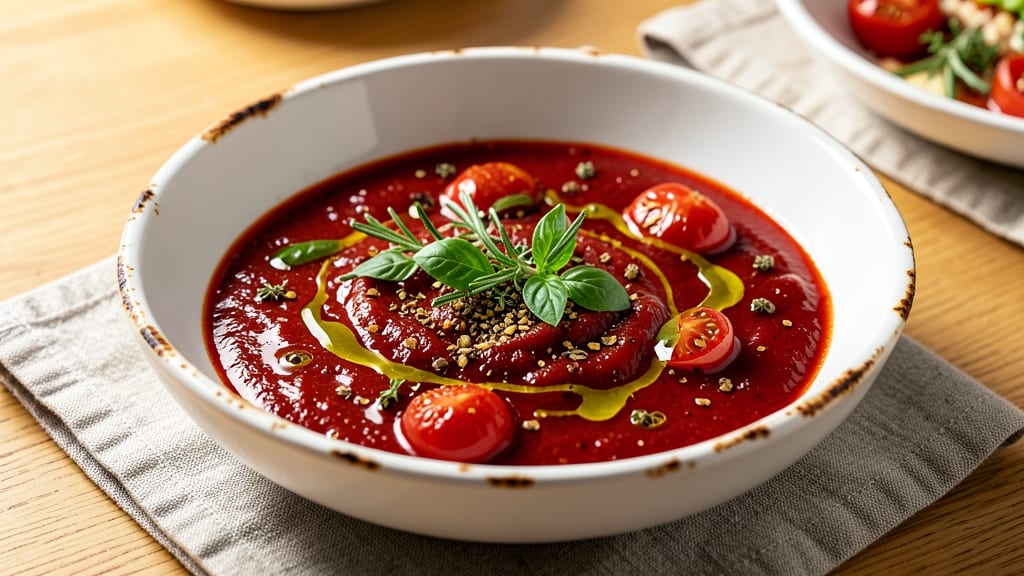
This Sunday sauce recipe without meat transforms simple ingredients into a velvety, herb-infused masterpiece that elevates every meal. The secret lies in slow-cooked tomatoes, fresh basil, and a touch of cream—creating a sauce so rich it feels like a hug for your taste buds.
Perfect for lazy Sundays when you crave restaurant-quality flavor without the effort, this recipe delivers depth and complexity in just 45 minutes of active time.
The foundation is a classic tomato base, but what sets this apart is the herb blend—thyme, rosemary, and oregano infuse the sauce with earthy warmth while fresh basil adds that bright, aromatic finish.
A splash of red wine and a sprinkle of sugar caramelize the tomatoes, turning them into a luscious, velvety sauce that coats pasta, roasted vegetables, or grilled bread like a dream. The sauce thickens beautifully as it simmers, ensuring every bite is packed with flavor.
What makes this sauce truly special is its versatility. Use it as a pasta sauce, drizzle it over roasted Brussels sprouts, or spread it on garlic toast for a quick appetizer.
The flavors develop even more after resting, so making a double batch means you’ll have a ready-to-use condiment for the week. Store it in the fridge for up to 5 days or freeze for months—because once you taste this, you’ll want it on hand all the time.
This isn’t just a sauce; it’s a flavor experience that turns ordinary meals into something extraordinary. Whether you’re cooking for family, hosting a dinner party, or simply treating yourself to a cozy Sunday night, this herb-infused tomato sauce will become your new go-to recipe.
Let’s get started—your taste buds will thank you.
Ingredients for sunday sauce recipe without meat
Simple pantry staples and fresh herbs create this velvety tomato masterpiece—perfect for lazy Sundays.
| Ingredient | Amount | Notes |
|---|---|---|
| Canned San Marzano Tomatoes 🍅 | 28 oz | Crushed by hand for texture |
| Extra-Virgin Olive Oil 🫒 | ½ cup | High quality, fruity variety |
| Fresh Basil Leaves 🌿 | ½ cup | Packed, stems removed |
| Fresh Thyme Leaves 🌿 | 1 tbsp | Or 1 tsp dried thyme |
| Fresh Rosemary 🌿 | 1 tbsp | Chopped, plus extra for garnish |
| Dried Oregano 🍃 | 1 tsp | Mexican oregano preferred |
| Garlic Cloves 🧄 | 4 cloves | Peeled and minced |
| Red Wine 🍷 | ¼ cup | Dry variety like Cabernet |
| Granulated Sugar 🍚 | 1 tbsp | Balances acidity |
| Heavy Cream 🥛 | ¼ cup | For velvety finish |
| Sea Salt 🧂 | 1 tsp | Diamond Crystal preferred |
| Black Pepper 🌶️ | ½ tsp | Freshly ground |
The tomatoes make all the difference—San Marzano is ideal, but any high-quality canned tomatoes work. Trader Joe's and Whole Foods carry excellent brands, but don't stress if you've got the basics. Fresh basil is non-negotiable for that bright finish, but if you're making this ahead, add it at the very end. The herbs? Thyme and rosemary should be fresh if possible—they add depth that dried can't match. For the wine, anything dry and bold works—Cabernet or Merlot are my go-tos.
No red wine? Substitute with extra tomato paste or beef broth—just add a splash of vinegar for acidity. Fresh herbs wilt fast, so if you're prepping ahead, store them separately and add them back when reheating. The sugar can be swapped for honey or maple syrup if you prefer, but keep it to the same amount. For a richer texture, add a splash of coconut milk instead of cream. The sauce thickens as it cooks, so if you prefer it thinner, add a splash of water or broth at the end.
This sauce tastes even better the next day—make a double batch and store half for later. Keeps in the fridge for 5 days or freezes beautifully for up to 3 months. To reheat, warm gently on the stove with a splash of water or broth. Garnish with fresh basil and a drizzle of olive oil before serving—trust me, it makes all the difference.
Why You'll Love This Recipe
- No-Chop Needed: I swear by this—just toss in whole basil leaves and thyme sprigs, let them steep in the San Marzano tomatoes. The heat pulls out their flavor without any prep, and honestly? That lazy-but-delicious approach works every time.
- Herb Bomb Flavor: Between us, the rosemary’s piney kick and the basil’s bright finish make this sauce ridiculously good. Simmer those whole sprigs in olive oil first, and you get layers of aroma that taste like a summer evening in a jar.
- Pasta to Pizza: This sauce is my weeknight MVP—toss it with al dente spaghetti, slather it on crusty bread, or use it as a marinara base for roasted veggies. The San Marzano’s natural sweetness balances everything, so it’s never one-note.
- Leftovers That Shine: Make a double batch and refrigerate it—it actually gets better after a day or two. The flavors meld, and it’s still vibrant enough to jazz up a quick weeknight meal. (Yes, even on a Tuesday night.)
Step-by-step instructions for herb-infused tomato velvety richness
This sauce comes together beautifully with simple techniques and fresh, vibrant flavors.
Sauté Aromatics in Olive Oil
Heat the 0.5 cup extra-virgin olive oil in a large, heavy-bottomed saucepan over medium heat. Add the 4 cloves minced garlic and cook for 30 seconds until fragrant—you should smell that sweet garlic aroma without any browning. Then add the 1 tbsp chopped fresh rosemary, 1 tbsp fresh thyme leaves, and 1 tsp dried oregano, stirring constantly for 1 minute until the herbs release their oils and the mixture smells deeply aromatic.
This step builds the flavor foundation. If the oil starts to smoke, reduce the heat slightly—you want the herbs to infuse without burning. I like to taste the oil at this point; it should have a bright, herby quality that will carry through the entire sauce.
Add Tomatoes and Simmer
Pour in the 28 oz crushed San Marzano tomatoes and stir to combine with the herbs. Add the 1 tbsp granulated sugar and 1 tsp sea salt, then increase heat to medium-high. Bring to a gentle boil, then immediately reduce heat to medium-low and let it simmer uncovered for 20 minutes. You'll see the sauce reduce slightly and the flavors meld together beautifully.
Here's where the magic happens: the acidity of the tomatoes balances with the sugar, and the herbs soften into the sauce. Stir occasionally to prevent sticking, and taste after 10 minutes—you should notice the flavors coming together. If the sauce looks too thick, add 2-3 tablespoons of water to keep it moving.
Deglaze with Red Wine
After the initial simmer, pour in the 0.25 cup red wine and stir well, scraping up any browned bits from the bottom of the pan. Increase heat to medium-high and let it simmer for 5 minutes until the wine has mostly evaporated and the sauce thickens slightly. This step adds depth and complexity—don't skip it, even if you're not a big wine drinker.
Watch for the alcohol to cook off; you'll know it's ready when the sauce smells rich and the wine's sharpness has mellowed. The sauce should now have a glossy sheen and be noticeably thicker. If you taste it now, you'll get hints of all the herbs working together with the tomatoes.
Finish with Cream and Herbs
Reduce heat to low and stir in the 0.25 cup heavy cream and 0.5 cup fresh basil leaves. Let the sauce simmer gently for 3-4 minutes until it's just heated through and the basil wilts slightly. The cream will give the sauce that velvety richness we're aiming for, while the basil adds a bright, fresh finish.
Taste and adjust seasoning with additional sea salt or black pepper if needed. The sauce should be perfectly balanced—sweet from the sugar, tangy from the tomatoes, herby from the aromatics, and rich from the cream. If it's too thick, add 1-2 tablespoons of water to reach your desired consistency.
Rest and Serve
Remove the sauce from heat and let it rest for 10 minutes. This resting period allows all the flavors to fully meld together. Before serving, taste again and make any final adjustments—perhaps a pinch more salt or a crack of black pepper to elevate the flavors.
This sauce is perfect for drizzling over pasta, spreading on bruschetta, or serving with crusty bread. The herb-infused richness makes it a star on its own, perfect for your Sunday meal. Store any leftovers in an airtight container in the refrigerator for up to 5 days, or freeze for up to 3 months—it actually tastes better after a few days as the flavors deepen.
Pro Tips For Making Sunday Sauce Recipe Without Meat
- CRUSH THE TOMATOES FIRST: Don’t just dump those whole San Marzano tomatoes into the pot—give them a quick rough chop or smash them with your hands (yes, even if you’re impatient like me). This breaks down the flesh faster and lets the flavors meld better. I used to skip this, and the sauce always tasted underdeveloped.
- SALT THE TOMATOES BEFORE COOKING: Add a pinch of salt to the crushed tomatoes right at the start—this draws out moisture and concentrates the flavor. After burning three batches where the sauce tasted flat, I finally figured out this simple step. Trust me, it’s not just about seasoning; it’s about depth.
- LOW AND SLOW WINS: This isn’t a race. Simmer the sauce on actual low heat—just above a bare bubble—so the oil and herbs infuse properly. I know, I know, you’re eager to eat, but rushing turns the olive oil bitter and the herbs bitter. Give it 45 minutes minimum, and the sauce will sing.
- STRIP THE HERBS RIGHT: Don’t just toss whole sprigs of thyme and rosemary into the pot—they’ll never release their flavor. Strip the leaves from the stems with your fingers (it’s faster than you think) and add them whole for easy removal later. Fresh basil? Tear it roughly—this keeps it vibrant and prevents clumping. (Yes, even if you’re lazy, do this part.)
Creative variations of this sunday sauce recipe without meat
Italian-Inspired Pasta Sauce
Transform this herb-infused sauce into a classic Italian-style pasta sauce by tossing it with 12 oz linguine or fettuccine. Cook the pasta al dente, then reserve ½ cup pasta water before draining.
Toss the hot pasta with 1½ cups sauce, adding reserved pasta water as needed to create a silky sauce. Finish with ¼ cup grated Parmesan cheese and extra fresh basil. 🍝
Cheesy Tomato Dip
For a crowd-pleasing appetizer, blend 1 cup of the sauce with ½ cup sour cream and ½ cup shredded mozzarella. Microwave for 30 seconds until melted, then serve warm with toasted baguette slices or pita chips.
Add a sprinkle of red pepper flakes for heat. This dip disappears fast at parties!
Roasted Vegetable Topper
Use this sauce as a finishing touch for roasted vegetables like Brussels sprouts or asparagus. Toss 2 cups halved Brussels sprouts with 1 tbsp olive oil, ½ tsp salt, and ¼ tsp black pepper, then roast at 400°F for 20 minutes.
Drizzle with ½ cup sauce and broil for 2 minutes to create a caramelized finish. 🥦
Vegan Cream Substitute
For a vegan version, replace the heavy cream with ½ cup coconut milk (full-fat for richness) or ¼ cup cashew cream. Add 1 tsp nutritional yeast for a cheesy depth. The sauce will still be velvety—just slightly lighter in texture. Garnish with extra herbs to keep it vibrant.
Breakfast Twist
Whip up a quick breakfast by spreading this sauce on toasted sourdough with scrambled eggs or crumbled feta. The herby tomato flavor pairs surprisingly well with runny yolks. Add a sprinkle of flaky sea salt and freshly cracked black pepper for a gourmet brunch experience.
Freezer-Friendly Batch
Double the recipe and freeze half for future meals. Portion into silicone molds or ice cube trays for easy single-serving portions. Thaw overnight in the fridge, then reheat gently on the stove with a splash of water. The sauce thickens slightly when reheated, so adjust consistency as needed. 🧊
Nutrition facts
Frequently asked questions
Can I make this sauce without fresh herbs?
Yes, but the flavor will be less vibrant. Use 1 tsp dried basil instead of fresh, and double the dried thyme and rosemary (2 tsp each). For best results, add the dried herbs with the tomatoes and let them simmer longer to release their oils. Fresh herbs are ideal, but dried works in a pinch!
How can I make this sauce spicier?
Add ½ tsp red pepper flakes when sautéing the aromatics, or stir in 1 chopped chipotle pepper in adobo sauce with the tomatoes. For heat without spice, add 1 tsp smoked paprika instead. Always taste as you go—you can adjust the heat level to your preference!
Can I use this sauce in place of marinara?
This rich, herb-infused sauce works perfectly as a marinara substitute. It's creamier and more flavorful, so it pairs especially well with hearty dishes like lasagna, meatball subs (without meat), or as a dipping sauce for fried mozzarella. Just reduce the amount by 20% if your recipe calls for marinara.
Why did my sauce turn out too thick?
This happens when the sauce reduces too much during simmering. Thin it with 1-2 tablespoons of water, broth, or reserved pasta water while reheating. For future batches, simmer uncovered but check the consistency after 15 minutes—add liquid early if needed. The cream also thickens the sauce, so reduce it by 2 tablespoons if you prefer a looser texture.
What's the best way to reheat this sauce?
Gently reheat on the stove over low heat with 1-2 tablespoons of water or broth to restore moisture. Avoid microwaving as it can make the sauce grainy. For frozen sauce, thaw overnight in the fridge first, then reheat. Always stir frequently to prevent scorching—this sauce tastes even better after reheating!