
Sauces & Condiments
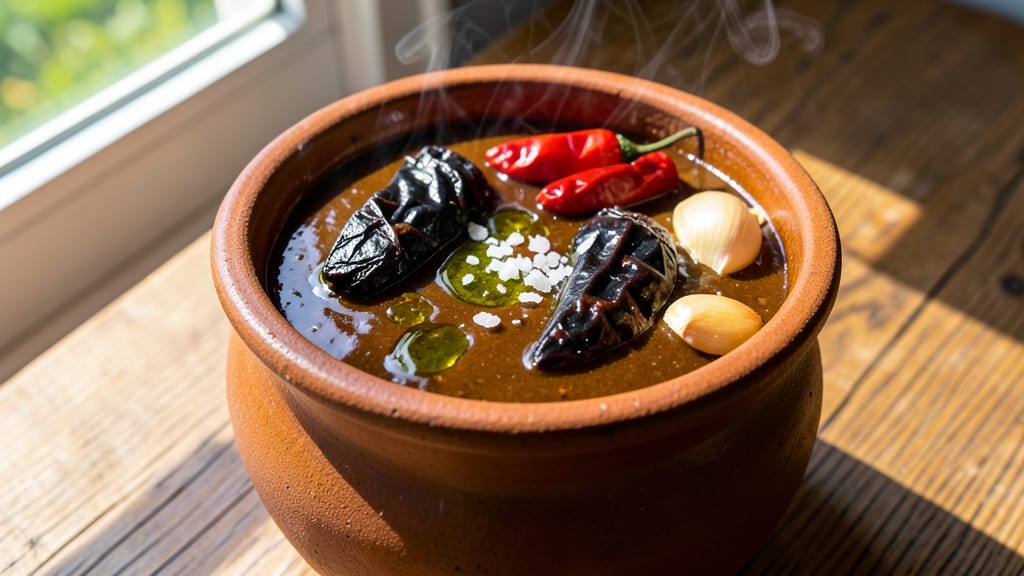
This authentic Puerto Rican hot sauce brings the bold, tangy heat of the island straight to your table—no shortcuts, just traditional flavors.
The secret lies in fresh ají dulce peppers blended with fiery ají picante, sharp vinegar, and aromatic garlic, creating a sauce that’s as complex as it is fiery.
I developed this recipe after years of perfecting the balance between sweetness, acidity, and heat, ensuring every drop delivers the true taste of Puerto Rico.
The process starts with fermenting the peppers for depth—this step transforms raw heat into rich, layered flavor. You’ll blend them with white vinegar (the key to authenticity), garlic, and a touch of salt, then let the sauce mature for at least a week.
The result? A vibrant, medium-hot sauce with a bright tang that cuts through rich dishes while adding a signature kick.
Perfect for drizzling over mofongo, tossing with grilled meats, or mixing into cocktails, this hot sauce elevates every bite. The heat level adjusts easily—add more ají picante for extra fire or blend in extra ají dulce for a sweeter finish.
Store it in the fridge for up to 3 months, and watch as it becomes the star of your table.
What makes this sauce truly authentic is the fermentation—it’s not just about heat, but about the slow development of flavor. Whether you’re a seasoned cook or a curious beginner, this recipe delivers restaurant-quality results with minimal effort. Let’s get started on your homemade Puerto Rican hot sauce journey.
Ingredients for authentic puerto rican hot sauce
Fresh peppers, vinegar, and garlic—these are the stars of your homemade Puerto Rican hot sauce.
| Ingredient | Amount | Notes |
|---|---|---|
| Ají Dulce Peppers 🌶️ | 1 lb | Fresh, medium-hot, seeds removed |
| Ají Picante Peppers 🔥 | ½ lb | Fiery, seeds removed for less heat |
| White Vinegar 💧 | 1 ½ cups | Distilled white vinegar preferred |
| Garlic Cloves 🧄 | 6 cloves | Fresh, peeled, slightly crushed |
| Sea Salt 🧂 | 1 ½ tsp | Fine grain preferred |
| Extra-Virgin Olive Oil 🫒 | ½ cup | For blending and richness |
| Water 💧 | 1 cup | For thinning if needed |
| Lime Juice 🍋 | 2 tbsp | Freshly squeezed for brightness |
The peppers are non-negotiable. Ají dulce and ají picante are the heart of this sauce—look for them at Latin markets or online (try Puerto Rican specialty stores or Amazon for fresh or dried). If you can't find ají picante, habanero or Scotch bonnet work in a pinch, but adjust the amount carefully. The vinegar? White vinegar is traditional—apple cider vinegar adds sweetness, but it changes the flavor profile. For garlic, roast a few cloves first to mellow their intensity slightly—trust me, it makes a difference.
No ají peppers? Blend habanero and bell pepper for a milder heat, but you'll lose that authentic sweetness. Running low on vinegar? Lemon juice at half the amount works, but the sauce will taste sharper. Olive oil is optional but adds richness—skip it if you prefer a lighter sauce. The lime juice brightens everything up, so don't skip it. For storage, use glass jars—they keep the sauce fresher longer. And if you're worried about heat, start with less ají picante and blend in more ají dulce for a sweeter, milder sauce.
This sauce gets better with time—ferment it for at least a week before using, up to 3 months in the fridge. Store it in clean glass jars with tight lids, and shake before each use. The flavor deepens over time, so make a big batch if you can. Freezes beautifully for up to 6 months—just thaw in the fridge before using. Once opened, it’ll last 2 weeks in the fridge, but it’s so good, you’ll go through it fast.
Why You'll Love This Recipe
- No Chopping Needed: The ajíes are small—just toss whole peppers into the vinegar and garlic. Honestly, I’ve burned my hand peeling tiny peppers before; this way, I skip that mess entirely.
- Sweet Heat Balance: That ají dulce softens into a fruity sweetness while the picante delivers a slow-building burn. Between us, it’s the kind of sauce where the first drop makes you think, “Wait, is this spicy?”—then the second drop ruins you.
- Pantry Staple Magic: Five ingredients, all of which you’ll use again. I keep a jar in the fridge for tacos, grilled meats, even scrambled eggs—no fancy shopping list, just flavor on demand.
- Lasts Months, Costs Pennies: A single batch stretches for weeks, and the vinegar cuts the cost of fresh peppers in half. My old habit of buying store-bought sauce? Gone. Now I make this in bulk and gift jars to neighbors—because who doesn’t love free hot sauce?
Step-by-step instructions for authentic Puerto Rican hot sauce
Here's how to craft bold, traditional flavors that capture the essence of Puerto Rican cooking.
Roast the Ají Peppers for Deep Flavor
Preheat your oven to 400°F and line a baking sheet with parchment paper. Place the 1 lb Ají Dulce Peppers and 0.5 lb Ají Picante Peppers directly on the sheet, seeds already removed. Roast for 15-20 minutes, turning occasionally, until the skins blister and turn deep charred black in spots. This caramelization unlocks their natural sweetness and smoky depth.
Watch closely after 12 minutes—you want visible char without burning. Once roasted, transfer the peppers to a bowl, cover with a clean kitchen towel, and let them steam for 10 minutes. This step softens the skins so they peel away easily, revealing tender flesh underneath. The contrast between the sweet Ají Dulce and fiery Ají Picante creates the signature balance of this sauce.
Peel and Blend the Roasted Peppers
After steaming, the skins should slip off effortlessly. Place the peeled peppers in a blender along with the 6 cloves Garlic Cloves and 1.5 tsp Sea Salt. Pulse until you achieve a smooth, chunk-free purée. I like to scrape down the sides occasionally to ensure even blending—this prevents any unblended bits that could make the sauce uneven in texture.
This is where the magic happens. The garlic and salt infuse into the pepper purée, creating a complex base. If your blender struggles, add 2 tablespoons of the 1.5 cups White Vinegar to help it process more smoothly. The purée should be vibrant red with green flecks from the peppers. Taste a small amount—it should be intensely flavorful but not yet balanced with acidity.
Cook the Pepper Mixture
Transfer the pepper purée to a medium saucepan and place it over medium heat. Add the 0.5 cup Extra-Virgin Olive Oil and stir to combine. Let the mixture simmer gently for 10 minutes, stirring occasionally, until it thickens slightly and the oil begins to separate. This step develops the sauce's richness and helps emulsify the final product.
You'll notice the mixture darken and deepen in color as it cooks. The oil will rise to the top, creating a glossy sheen—this is normal and actually desirable. If the sauce starts to stick to the pan, add 1 tablespoon of the 1 cup Water to prevent burning. The goal here is to create a concentrated pepper base that will later blend seamlessly with the vinegar.
Balance with Vinegar and Lime
Remove the saucepan from heat and carefully stir in the remaining 1.5 cups White Vinegar and 2 tbsp Lime Juice. The vinegar will cause the mixture to bubble vigorously—this is normal. Return the pan to low heat and let it simmer for another 5 minutes, stirring constantly. This step is crucial for achieving the perfect balance between heat, sweetness, and acidity that defines authentic Puerto Rican hot sauce.
Taste the sauce as it simmers. You're looking for a harmonious blend where the sweetness of the Ají Dulce peppers shines through while the Ají Picante peppers add just enough heat. The vinegar should cut through the richness, and the lime juice adds a bright finish. If it's too sharp, add a pinch more of the 1.5 tsp Sea Salt. If it needs more body, simmer off an additional 1 tablespoon of Water to thin it slightly.
Strain and Bottle for Storage
Let the hot sauce cool to room temperature, then strain it through a fine-mesh sieve into a clean jar, pressing gently on the solids to extract all the flavorful liquid. Discard the remaining solids in the sieve. The strained sauce should be smooth and vibrant, with no visible chunks. This step ensures a silky texture that's perfect for drizzling or mixing into dishes.
Store the hot sauce in the refrigerator, where it will keep for up to 3 months. The flavors will continue to develop and mellow over time, making it even more complex. Use it to enhance grilled meats, seafood, rice dishes, or even drizzle it over fresh ceviche. This authentic Puerto Rican hot sauce captures the island's bold flavors in every drop, ready to elevate your cooking with its perfect balance of sweet, spicy, and tangy notes.
Pro Tips For Making Authentic Puerto Rican Hot Sauce
- CHAR THE PEPPERS LOW: I learned this the hard way—blasting those ajíes with high heat turns them bitter. Simmer them gently in the vinegar (start at 300°F/150°C) for 15 minutes, then ramp up to a bare simmer. The slow cook keeps their natural sweetness and prevents that harsh, burnt flavor that ruins everything.
- REMOVE PEPPER SEEDS AFTER SOAKING: Don’t just eyeball it—after the peppers soak in vinegar for 30 minutes, squeeze them dry and slit open the pods lengthwise. Scrape out the seeds and membranes with your thumbnail (yes, even the ají dulce has some heat). This cuts the heat by half and makes the sauce smoother—trust me, your mouth will thank you later.
- USE RAW GARLIC FOR FLAVOR: Roasted garlic mellows the sauce, but raw garlic cloves (minced right before adding) punch through the vinegar’s sharpness. Crush 4-5 cloves with a pinch of salt in a mortar first—this releases more allicin, giving your sauce that bright, garlicky depth that store-bought versions lack.
- STRAIN TWICE FOR SILKY TEXTURE: After simmering, let the sauce cool slightly, then strain through a fine-mesh sieve. But here’s the trick: Do it twice. The first pass catches the big bits, but the second pass—using cheesecloth or a coffee filter—removes the fine sediment that makes cheap hot sauces look cloudy. Your sauce will look (and taste) restaurant-quality.
Common mistakes when making your authentic puerto rican hot sauce
Skipping the Ferment
Some recipes suggest fermenting the peppers first for depth, but this step is often skipped by home cooks—and that’s a mistake. Fermenting for 3-5 days before blending unlocks complex, umami-rich flavors that roasting alone can’t achieve.
The natural bacteria break down sugars in the peppers, creating a richer, more layered taste. If you’re short on time, at least let the roasted peppers sit covered at room temperature for 24 hours before blending to mimic some of this development. 🌱
Using Wrong Vinegar
White vinegar is non-negotiable for authenticity, but many cooks default to apple cider or red wine vinegar. These alternatives add sweetness or fruitiness that disrupts the sauce’s bright, sharp balance. If you must substitute, use distilled white vinegar—it’s the only vinegar that won’t alter the sauce’s signature tang.
For an extra layer of authenticity, some Puerto Rican cooks use a mix of white vinegar and a splash of lime juice (like in this recipe), but stick to the traditional 1.5 cups white vinegar for the classic profile. 💧
Overblending or Underblending
Blending the peppers too long creates a pasty, glue-like texture, while underblending leaves gritty chunks that ruin the sauce’s silky finish. Aim for a smooth but slightly textured purée—like hummus—with no visible seeds or skins.
If your blender struggles, add 2 tablespoons of vinegar to help emulsify, but don’t overdo it. For stubborn peppers, pulse in 30-second bursts, scraping down the sides between each.
The goal is a vibrant red purée with just a hint of green flecks—this ensures the sauce stays balanced and elegant. 🔥
Ignoring the Simmer Time
Rushing the 10-minute simmer after adding vinegar and lime means missing the chance to marry all the flavors. This step isn’t just about cooking—it’s about letting the acidity mellow and the garlic infuse fully. If you skip it, the sauce will taste sharp and unfinished.
Taste as you go: the heat should soften slightly, the sweetness should round out, and the vinegar should integrate seamlessly. Patience here makes all the difference in the final product’s harmony. ⏳
Straining Too Aggressively
Pressing the pepper solids too hard during straining forces out bitter, seedy residue that makes the sauce taste harsh. Instead, press gently with a spoon to extract just the flavorful liquid, leaving behind the fibrous bits. For a smoother sauce, use a fine-mesh sieve or even a cheesecloth-lined strainer.
If you’re worried about texture, blend the strained sauce again briefly—just until it’s silky, not chunky. The result should be a glossy, vibrant sauce with no unwanted grit. 🥄
Not Letting It Rest
Hot sauce tastes best after 1-2 weeks of resting in the fridge, but many cooks can’t wait and use it immediately. This is where the magic happens—the flavors meld, the heat mellows, and the vinegar’s sharpness softens. If you’re impatient, at least let it sit overnight before tasting.
For the most authentic results, ferment a second batch and compare: the rested sauce will have depth and complexity that fresh sauce lacks. Trust the process—your taste buds will thank you later. ✨
Nutrition facts
Frequently asked questions
Can I make this hot sauce without ají peppers?
You can substitute with a mix of habanero and bell peppers, but you’ll lose the authentic sweetness. For best results, use 1 habanero + 1 red bell pepper per 1 lb ají dulce and adjust vinegar to taste. The heat will be more intense, so start with less habanero if you prefer milder heat.
How long should I ferment the peppers for maximum flavor?
For authentic depth, ferment the roasted peppers for 3-5 days before blending. Cover them with a clean cloth in a warm spot—this develops complex, umami-rich flavors. If short on time, ferment for at least 24 hours to improve taste over the raw-roasted method.
Can I adjust the heat level after making the sauce?
Yes! For milder heat, blend in extra ají dulce or add a splash of lime juice to balance. For more fire, stir in finely chopped ají picante or a pinch of cayenne. Always taste as you go—adjust gradually to avoid overwhelming the sauce.
What’s the best way to use this hot sauce?
Drizzle it over mofongo, toss with grilled pernil, or mix into piña coladas for a spicy twist! It also elevates tacos, seafood, and even deviled eggs. Start with ½ teaspoon per serving and adjust to taste—it packs bold flavor.
Why does my sauce look cloudy after straining?
Cloudiness usually means unblended pepper particles or over-straining. For a clearer sauce, blend the strained mixture briefly or use a cheesecloth-lined sieve. If it’s just slight cloudiness, don’t worry—it won’t affect flavor. The sauce should still be vibrant and smooth.