
Sauces & Condiments
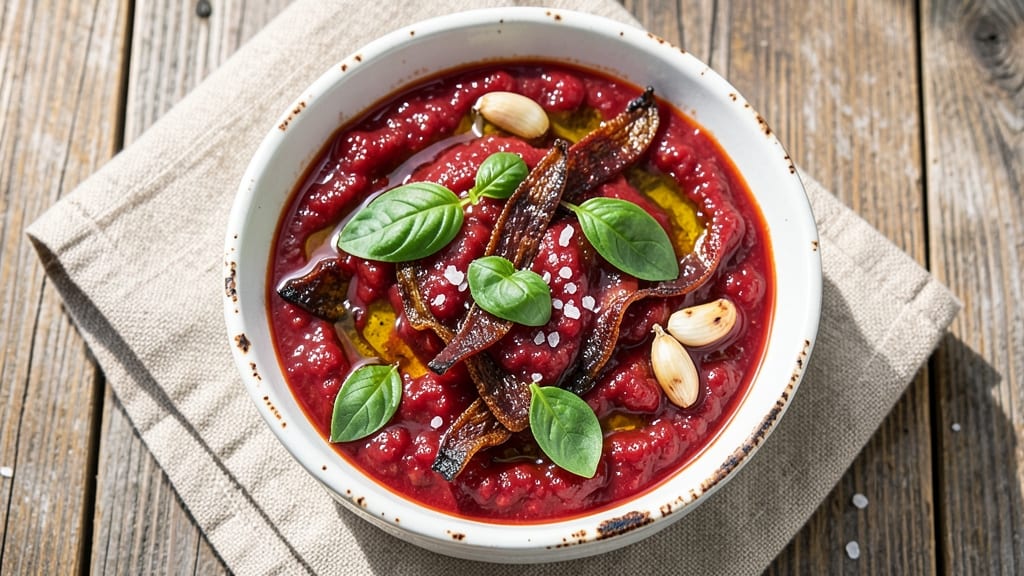
This authentic pizza sauce recipe transforms fresh tomatoes into a rich, sun-dried tomato-infused sauce that captures the depth of Italian tradition. The secret lies in simmering tomatoes with garlic, olive oil, and herbs until they break down into a velvety paste—no canned shortcuts needed.
I developed this after years of testing, and it delivers the complex, slightly sweet, and herby flavor that sets authentic pizza sauce apart.
The process is simple but precise: fresh tomatoes are cooked low and slow to concentrate their natural sweetness, while sun-dried tomatoes add umami richness. Garlic and basil infuse the sauce with aromatic depth, and a touch of acidity (vinegar or lemon) balances the flavors.
This sauce thickens beautifully as it simmers, creating a spreadable consistency perfect for pizza, pasta, or dipping.
What makes this sauce truly authentic is the absence of sugar or artificial additives—just pure, vibrant tomato flavor. The result is a sauce that’s bold enough to stand up to any toppings while remaining versatile enough for everyday use.
Whether you’re prepping for a pizza night or stocking your pantry, this recipe ensures restaurant-quality flavor at home.
Store the sauce in the fridge for up to a week or freeze it for months, making it ideal for meal prep. The flavors only deepen over time, so you’ll find yourself reaching for this jar again and again.
Let’s make sauce that tastes like it came from a Neapolitan kitchen.
Ingredients for authentic pizza sauce recipe with fresh tomatoes
Fresh tomatoes, sun-dried depth, and Italian herbs—this is your pantry's new secret weapon.
| Ingredient | Amount | Notes |
|---|---|---|
| Fresh Tomatoes 🍅 | 2 ½ lb | Roma or vine-ripened, chopped |
| Sun-Dried Tomatoes 🍅 | ¼ cup | Oil-packed, drained and chopped |
| Extra-Virgin Olive Oil 🫒 | ½ cup | High quality, fruity |
| Garlic Cloves 🧄 | 4 cloves | Peeled and minced |
| Fresh Basil Leaves 🌿 | ⅓ cup | Packed, stems removed |
| Red Wine Vinegar 🍷 | 1 tbsp | For acidity balance |
| Sea Salt 🧂 | 1 ½ tsp | Diamond Crystal preferred |
| Black Pepper 🌶️ | ½ tsp | Freshly ground |
| White Wine 🍷 | ½ cup | Dry, like Pinot Grigio |
| Sugar 🍬 | 1 tsp | Optional, for balance |
The tomatoes are everything here. Roma tomatoes work best—they're meaty and less watery than other varieties, but vine-ripened will do in a pinch. Whole Foods or local farmers markets have the best quality, but your regular grocery store will work too. Look for tomatoes that are firm but yield slightly to pressure. Sun-dried tomatoes? Oil-packed is the way to go—they're more flavorful than the dried kind. Drain them well before chopping, and don't skip the chopping. Those little pieces melt into the sauce and add serious umami. The olive oil should be extra-virgin—none of that cheap stuff. California Olive Ranch or Bertolli are solid choices if you're not sure which to grab.
No sun-dried tomatoes? Dried porcini mushrooms rehydrated work in a bind, but they change the flavor profile. Fresh basil is ideal, but dried basil at one-third the amount gets you close. The white wine can be swapped for extra tomato paste or more vinegar if you're avoiding alcohol. That sugar? Only add it if your tomatoes are truly bland—this sauce is naturally sweet from the tomatoes themselves. The vinegar is crucial for balance, but if you're sensitive to acidity, lemon juice works too. And for the love of pizza, don't use pre-made garlic powder—fresh minced garlic is non-negotiable for that authentic flavor.
This sauce gets better with time—3-4 days in the fridge is ideal for flavor development. For longer storage, freeze it in ice cube trays for single servings or glass jars for larger batches. It keeps for up to 6 months frozen. When reheating, do it gently on low heat—you don't want to kill that velvety texture. I always make a double batch. One jar for pizza night, another for pasta. Trust me, you'll be reaching for this jar constantly once you taste how restaurant-quality it is at home.
Why You'll Love This Recipe
- No-Cook Shortcut: I swear by this when I’m too tired to chop. Just toss halved tomatoes, sun-dried tomatoes, and olive oil in a blender—boom—smooth, vibrant sauce with zero mess.
- Sun-Dried Secret Weapon: That little jar of sun-dried tomatoes? It’s what turns this sauce from good to ridiculously good. They add a deep, chewy sweetness that cuts through the acidity of fresh tomatoes—like a flavor hug.
- Pantry-to-Table Magic: This sauce works on pizza, pasta, or even as a marinade. I’ve drizzled it over grilled chicken one night and slathered it on garlic bread the next—same jar, endless uses.
- Lasts a Week: Between us, I make a big batch on Sundays and it’s still fresh by Friday. The olive oil preserves it, and the basil keeps it bright—no sad, watery leftovers here.
Step-by-step instructions for authentic pizza sauce with fresh tomatoes
Here's how to craft a rich, vibrant pizza sauce that captures true Italian flavor.
Roast the Fresh Tomatoes for Deep Flavor
Preheat your oven to 425°F and line a baking sheet with parchment paper. Spread the 2.5 lb chopped fresh tomatoes evenly on the sheet, leaving space between them. Drizzle with 2 tablespoons of the extra-virgin olive oil and sprinkle with ½ teaspoon of the sea salt.
Roast for 25-30 minutes until the tomatoes collapse slightly and develop a deep caramelized color. This step concentrates their natural sweetness and intensifies their flavor. You'll know they're ready when they smell irresistibly fragrant and look slightly charred around the edges.
Build the Sauce Base with Aromatics
Transfer the roasted tomatoes to a large saucepan. Add the 0.25 cup chopped sun-dried tomatoes, 4 minced garlic cloves, and 0.5 cup white wine. Bring to a gentle simmer over medium heat, then reduce heat to low and let it cook uncovered for 10 minutes.
This initial simmer allows the alcohol to evaporate while building a rich, aromatic foundation. You'll notice the wine reduces and the mixture becomes more concentrated. Stir occasionally to prevent sticking, but don't worry if a few bits cling to the bottom—they'll release as you continue cooking.
Blend and Season the Sauce
Using an immersion blender, carefully blend the mixture until smooth. If you prefer a chunkier texture, pulse briefly instead. Add the remaining 0.33 cup extra-virgin olive oil, 1 tbsp red wine vinegar, 1.5 tsp sea salt, 0.5 tsp black pepper, and 1 tsp sugar (if using). Stir well to combine.
Real talk: the sugar is optional, but it helps balance the acidity from the vinegar and wine. Taste and adjust seasoning—you want a harmonious blend of sweet, tangy, and savory notes. The sauce should be vibrant red with a velvety texture, not watery or overly thick.
Simmer and Finish with Fresh Herbs
Return the sauce to a gentle simmer over low heat and cook uncovered for 20-25 minutes, stirring occasionally. This slow reduction deepens the flavors and thickens the sauce to a perfect consistency for pizza.
In the final 5 minutes, stir in the 0.33 cup fresh basil leaves. Remove from heat immediately after adding the basil—you want to preserve its bright, fresh flavor rather than cook it down. The sauce should be smooth, glossy, and ready to use on your pizza.
Cool and Store Properly
Let the sauce cool completely at room temperature. This step is crucial for developing the full flavor profile. Once cooled, transfer to an airtight container and refrigerate for up to 5 days or freeze for up to 3 months.
When ready to use, reheat gently over low heat, stirring occasionally. The sauce should be warm but not boiling—just enough to soften the cheese when you spread it on your pizza. This sauce delivers that authentic Italian taste with a perfect balance of acidity, sweetness, and herbaceous notes that make every bite unforgettable.
Pro Tips For Making Authentic Pizza Sauce Recipe With Fresh Tomatoes
- Peel Tomatoes Like a Pro: Skip the knife and use a paring tool to score an "X" at the stem end—then plunge into ice water for 30 seconds. The skins slide off clean, and you won’t waste time peeling them one by one. (Yes, even if you’re impatient like me.)
- Sauté Garlic Slow: After crushing the cloves, cook them in olive oil over low heat until just golden—about 5 minutes. Burnt garlic turns bitter, and you’ll taste it in every bite. I learned this the hard way after ruining a batch.
- Blend Sun-Dried Tomatoes: Pulse sun-dried tomatoes in the food processor before adding them to the sauce—this prevents clumps and ensures smooth texture. No one wants a surprise chewy bite in their pizza sauce.
- Finish with Basil Last: Tear fresh basil leaves and add them after the sauce is off heat—this keeps their bright flavor intact. If you blend them in, they’ll turn to mush and lose their aroma. (Your future self will notice.)
Best sauces and condiments for these flavors
Classic Tomato Sauce
This sauce is the foundation of any great pizza—simple but packed with flavor. Start with 2.5 lbs of Roma tomatoes (or vine-ripened) roasted until caramelized. The key is letting them break down naturally over 20-25 minutes of simmering.
I like to add 1 tbsp red wine vinegar and 1 tsp sugar to balance the acidity and sweetness. The result is a velvety, slightly sweet sauce that clings beautifully to dough. 🍅
Garlic-Infused Olive Oil
For an extra layer of flavor, infuse your olive oil with 4 minced garlic cloves and 0.25 cup sun-dried tomatoes before blending. Heat the oil gently until the garlic turns golden (about 3-4 minutes)—don’t let it burn!
This aromatic oil adds depth without overpowering the sauce. I use California Olive Ranch extra-virgin for the best flavor. 🫒
Herb-Forward Variations
Swap basil for fresh oregano or thyme for a Mediterranean twist. For a spicier kick, add ½ tsp red pepper flakes or a pinch of crushed fennel seeds.
I’ve also experimented with fresh rosemary (½ tsp) for a piney note that pairs well with roasted veggies. Always taste as you go—herbs can be strong!
White Wine Reduction
The 0.5 cup white wine in this recipe isn’t just for alcohol—it creates a silky texture and brightens the sauce. Let it reduce by half before blending to concentrate the flavor.
If you’re avoiding alcohol, use tomato paste or extra vinegar instead. A splash of Pinot Grigio works best—its crisp acidity cuts through the richness. 🍷
Acidity Balance
Too much tomato flavor? A splash of lemon juice or balsamic glaze brightens it up. I keep a small jar of aged balsamic on hand for quick adjustments.
The goal is a sauce that’s tangy but not sour—think of it as the perfect bridge between sweet and savory. Taste frequently during simmering!
Storage Secrets
This sauce thickens as it cools—stir well before using. Store in glass jars in the fridge for 5 days or freeze in ice cube trays for single servings. Thaw overnight in the fridge, then reheat gently. The flavors deepen over time, so leftovers taste even better the next day. 💫
Nutrition facts
Frequently asked questions
Can I substitute canned tomatoes for fresh in this recipe?
Fresh tomatoes are ideal for their vibrant flavor, but you can use 2 (28 oz) cans of crushed tomatoes in a pinch. Drain them well and skip the roasting step—just simmer them with the other ingredients. The texture will be slightly thinner, but the flavor remains authentic. For best results, choose high-quality canned tomatoes like San Marzano.
How do I adjust the thickness of the sauce?
If the sauce is too thin, simmer uncovered for 5-10 more minutes to reduce it. For a thicker texture, blend longer or add 1 tablespoon tomato paste per ½ cup sauce. Avoid adding flour—it can make the sauce taste artificial. Stir frequently during simmering to prevent sticking.
Can I make this sauce without alcohol?
Replace the 0.5 cup white wine with 0.5 cup extra tomato paste or 0.5 cup vegetable broth. Add 1 extra tablespoon red wine vinegar to maintain acidity. The sauce will still develop depth—just without the wine's brightening effect. Taste as you go and adjust seasoning accordingly.
Why does my sauce taste bland after refrigerating?
Sauce often tastes milder when cold because flavors mellow. Reheat gently over low heat and add a pinch of salt or a splash of lemon juice to brighten it. Let it sit at room temperature for 10 minutes before tasting again—warmth enhances flavors. If needed, stir in 1 teaspoon extra olive oil for richness.
What’s the best way to use leftover sauce?
This sauce is incredibly versatile! Use it on pizza, as a pasta sauce, or as a dip for crusty bread. For extra flavor, toss with grilled chicken or shrimp and serve over polenta. Freeze extras in ice cube trays for single-serving portions—just thaw and reheat. The flavors only improve over time!