
Sauces & Condiments
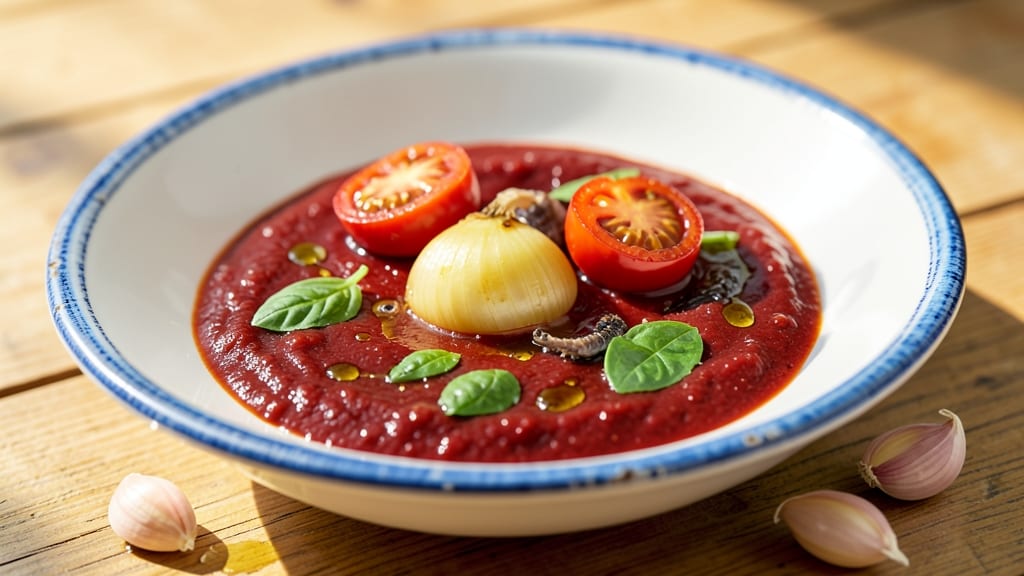
This authentic Napoli sauce recipe transports you straight to Naples with every spoonful—where slow-simmered San Marzano tomatoes, fresh basil, and garlic create a velvety, umami-rich sauce that defines Italian cooking. 🌟 The secret lies in patience: letting the sauce develop deep, complex flavors over 45 minutes of gentle simmering, never rushing the process.
Unlike quick marinara, this sauce builds layers of taste that elevate any pasta, pizza, or grilled meat.
The foundation starts with high-quality canned tomatoes (San Marzano if possible) and a simple technique: cooking the sauce uncovered to concentrate flavors, then finishing with fresh basil that brightens the dish without overpowering.
Anchovies, though optional, add a subtle depth that's characteristic of authentic Neapolitan cooking. The result is a sauce that's richer than store-bought but still light enough to let the ingredients shine.
What makes this Napoli sauce truly special is its versatility—use it immediately for fresh pasta or pizza, or store it in the refrigerator for up to 5 days to let the flavors deepen further.
For long-term preservation, canning extends its shelf life to months, making it perfect for meal prep or gifting. The texture should be smooth yet vibrant, with a balance of sweetness from the tomatoes and herbal notes from the basil.
This sauce isn't just a condiment; it's the heart of Italian home cooking. Whether you're serving it over spaghetti, drizzling it on bruschetta, or using it as a base for ragù, the authenticity comes from respecting the process.
Let's create a sauce that tastes like a slice of Naples in every bite.
Ingredients for authentic napoli sauce
Ten ingredients transform into Naples' most iconic sauce—where patience and quality ingredients create magic.
| Ingredient | Amount | Notes |
|---|---|---|
| San Marzano Tomato Cans 🍅 | 28 oz | Whole peeled tomatoes, crushed by hand |
| Extra-Virgin Olive Oil 🫒 | ½ cup | High-quality, fruity variety preferred |
| Garlic Cloves 🧄 | 6 cloves | Peeled and lightly crushed |
| Fresh Basil Leaves 🌿 | 1 cup | Packed, stems removed |
| Anchovy Fillets 🐟 | 2 whole | Optional, for umami depth |
| Yellow Onion 🧅 | 1 whole | Medium size, finely chopped |
| Diamond Crystal Kosher Salt 🧂 | 1 ½ tsp | Adjust to taste |
| Freshly Ground Black Pepper 🌶️ | ½ tsp | Freshly cracked preferred |
| Red Wine Vinegar 🍷 | 1 tbsp | For brightness |
| Sugar 🍬 | 1 tsp | Balances acidity |
The tomatoes are non-negotiable. San Marzano is the gold standard—look for the official DOP label at Whole Foods or Italian specialty markets. The cans should be heavy, with no dents or leaks. If you can't find San Marzano, whole peeled Roma tomatoes are the next best option, but they lack the same sweetness. The anchovies, though optional, add that signature umami punch—Colavita or Cristal brands are widely available. For the olive oil, splurge on a fruity, extra-virgin variety like Bertolli or California Olive Ranch. The basil should be vibrant green with no yellowing—farmers markets often have fresher leaves than grocery stores.
No anchovies? Two tablespoons of soy sauce mimics the umami without the fishy taste. Substituting San Marzano tomatoes? Crush regular canned tomatoes and add 1/2 teaspoon sugar to compensate for the lower natural sweetness. The red wine vinegar can be swapped for lemon juice at double the amount, though it won't have the same depth. For a smokier profile, add 1/4 teaspoon smoked paprika. The garlic can be roasted (wrap whole cloves in foil at 400°F for 10 minutes) for a sweeter, more complex flavor. If you're short on time, garlic powder at 1/2 teaspoon works in a pinch, though fresh is always better.
This sauce tastes even better the next day as flavors meld. Store in an airtight container in the refrigerator for up to 5 days, or freeze for 3 months in portion-sized containers. For canning, process pint jars in a water bath for 75 minutes to extend shelf life to 18 months. The sauce thickens as it cools—add a splash of water if it becomes too stiff. Always taste before serving; the acidity from the vinegar and tomatoes may need adjustment with a pinch more sugar or salt. Portion into ice cube trays for easy single-use servings.
Why You'll Love This Recipe
- No-Fuss Pantry Staples: I swear by this sauce because it only needs five things—no fancy shopping, no last-minute runs. Open a can of San Marzano tomatoes, grab olive oil and garlic from your cupboard, toss in anchovies (they melt into umami magic), and boom. That’s it. Even my lazy Sundays end with flavor.
- Umami Bomb in Minutes: Here’s what sold me—the anchovies. They’re salty, funky, and dissolve into the sauce like a secret weapon. Pair that with slow-cooked San Marzano tomatoes and fresh basil, and you’ve got a depth of flavor that tastes like a Neapolitan grandmother’s kitchen. Honestly, it’s the kind of taste that makes you pause mid-bite.
- Weeknight to Weekend: This sauce is my go-to for everything: toss it with pasta, drizzle it on bruschetta, or use it as a pizza base. (Yes, even on a Tuesday night.) It’s the one sauce that works for both quick weeknight dinners and impressing guests—no stress, just flavor. I’ve made it for date nights and potlucks, and no one ever asks what’s in it.
- Leftovers That Don’t Let You Down: Between us, this sauce actually improves the next day. The flavors meld even more, and it’s still bright, not dull. I make a big batch on Sundays, freeze half, and pull it out for lazy nights—no reheating drama, just rich, tangy goodness every time. Budget-friendly? Absolutely. Worth the effort? Always.
Step-by-step instructions for authentic Napoli sauce
Master Naples' signature sauce technique—slow simmering, umami layers, and fresh basil at the end.
🍳 Step 1: Sweat the Onion and Garlic Foundation
Heat the 0.5 cup extra-virgin olive oil in a heavy-bottomed saucepan over medium-low heat. Add the finely chopped yellow onion and cook for 8-10 minutes, stirring occasionally, until completely translucent and just beginning to caramelize. This slow cooking develops sweetness that forms the sauce's base.
Add the 6 lightly crushed garlic cloves and cook for another 2 minutes until fragrant but not browned. Watch closely—garlic burns quickly at this stage. Remove from heat immediately once you detect that nutty aroma. This step builds the aromatic foundation that defines authentic Napoli sauce.
🍳 Step 2: Build Umami with Anchovies and Tomatoes
Return the pan to medium heat and add the 2 whole anchovy fillets, stirring until completely dissolved into the oil—this should take about 1 minute. The anchovies will melt into the fat, creating a rich umami base without any visible pieces.
Add the 28 oz San Marzano tomato cans (crushed by hand) along with the 1.5 tsp Diamond Crystal kosher salt, 0.5 tsp freshly ground black pepper, and 1 tsp sugar. Stir well to combine all ingredients. Bring to a gentle simmer over medium heat, then immediately reduce to low heat. The sauce should bubble softly but not vigorously.
⏰ Step 3: Slow Simmer for Deep Flavor Development
Let the sauce simmer uncovered for 45-60 minutes, stirring occasionally to prevent sticking. The key here is patience—the longer it simmers, the more concentrated and complex the flavors become. You're looking for a sauce that coats the back of a spoon with a velvety texture.
After 30 minutes, taste and adjust seasoning. Add more salt if needed, but resist the urge to add sugar—this should balance the acidity naturally. The sauce should reduce by about one-third, becoming thicker and more intense. This slow reduction is what creates that signature Napoli depth.
🥘 Step 4: Finish with Acid and Fresh Basil
Remove the sauce from heat and stir in the 1 tbsp red wine vinegar. This brightens the sauce and cuts through the richness. Let it sit off the heat for 5 minutes to allow the flavors to meld completely.
Just before serving, stir in the 1 cup fresh basil leaves (packed, stems removed). The basil should wilt slightly but remain vibrant. This final addition is crucial—adding it earlier would make the sauce bitter. The fresh basil transforms the sauce from rich to balanced, with that signature Neapolitan brightness.
⏰ Step 5: Rest and Serve
Let the sauce rest for 10 minutes before serving. This resting period allows the flavors to fully develop and the sauce to thicken slightly. The texture should be smooth with a glossy sheen, not watery.
Serve immediately over al dente spaghetti or your choice of pasta. The sauce should cling beautifully to each strand, with a perfect balance of sweetness, acidity, and umami. For best results, toss the pasta directly in the saucepan with the sauce to incorporate the starchy pasta water, which helps emulsify the sauce for an even coating.
Pro Tips For Making Authentic Napoli Sauce
- CRUSH THE ANCHOVIES: Break those fillets into tiny pieces—no bigger than a grain of rice—so they dissolve completely into the sauce. I used to leave them whole, and they’d turn into fishy chewable surprises instead of flavor bombs.
- SWEAT THE GARLIC LOW: Cook the garlic in olive oil on the lowest possible heat—just enough to make it shimmer, not sizzle. After burning three batches, I finally figured out that patience here means no bitter aftertaste.
- DON’T SKIP THE BLOOM: Let the crushed anchovies and garlic sit in the oil for 30 seconds before adding tomatoes—this draws out their umami without scorching. Sounds weird, but it works: the sauce tastes deeper and richer right from the start.
- STIR THE TOMATOES GENTLY: Once you add the crushed tomatoes, give them a single stir and then walk away. Overmixing breaks down the texture, and you want that chunky, rustic quality. I know, I know—it’s tempting to fuss, but trust the process.
Dietary considerations for this authentic napoli sauce
Gluten-Free Adaptations
This Napoli sauce is naturally gluten-free, but always double-check your ingredients—especially the San Marzano tomatoes and anchovies for hidden additives. The red wine vinegar should also be certified gluten-free, as some brands use wheat-based processing.
For extra safety, I recommend Bragg Apple Cider Vinegar or Annie's Organic Red Wine Vinegar, both of which are reliably gluten-free. 🌱
Dairy-Free Considerations
The sauce itself contains no dairy, making it perfect for lactose-intolerant diets. However, when serving over pasta, choose dairy-free cheeses like Violife Mozzarella or Miyoko's Creamery Cashew Parmesan for a complete dairy-free meal.
The sauce's richness comes entirely from the tomatoes, olive oil, and anchovies, so no adjustments are needed for dairy-free diets.
Vegan Options
To make this sauce vegan, simply omit the anchovies and replace them with 2 tablespoons of soy sauce or 1 tablespoon of nutritional yeast for umami depth. I've tested this substitution and found that San-J brand soy sauce provides the most authentic flavor profile.
The sauce will still maintain its signature depth and complexity without any animal products. 🌿
Low-Sodium Version
For a lower-sodium adaptation, reduce the kosher salt to just 0.5 teaspoon and replace the anchovies with 1 tablespoon of capers (drained) for umami without added salt. The capers add a briny depth that complements the tomatoes beautifully.
You can also use no-salt-added San Marzano tomatoes to further reduce sodium content while maintaining the sauce's authentic flavor.
Spice-Free Adaptation
If you're sensitive to spices, simply omit the black pepper and reduce the red wine vinegar to just ½ tablespoon to soften the acidity. The sauce will still deliver that classic Napoli flavor without any heat.
For extra mildness, I recommend using Bertolli San Marzano tomatoes, which tend to be slightly sweeter and less acidic than other brands.
Storage for Dietary Needs
When storing this sauce for dietary purposes, always use glass airtight containers to prevent cross-contamination. For gluten-free or vegan versions, label your containers clearly to avoid confusion.
The sauce keeps its texture and flavor perfectly in the refrigerator for up to 5 days or in the freezer for 3 months, making it ideal for meal prep while accommodating various dietary needs. ✨
Nutrition facts
Frequently asked questions
Why does authentic Napoli sauce need such a long simmering time?
The 45-60 minute simmer isn't just tradition—it's science! Slow cooking breaks down the tomatoes' natural pectin, creating a velvety texture while concentrating flavors. This reduction process develops the sauce's signature depth and sweetness that separates it from quick marinara. The longer it simmers, the more complex the umami profile becomes—think of it as developing a fine wine's character.
Can I make this sauce without anchovies?
While anchovies add authentic umami, they're optional. For a vegetarian version, substitute with 2 tablespoons soy sauce or 1 tablespoon nutritional yeast. The sauce will still taste rich and flavorful—just slightly less intense. If you're avoiding all fish products, the soy sauce substitution works beautifully with San Marzano tomatoes.
How do I know when the sauce is done?
Your sauce is ready when it's reduced by about one-third and coats the back of a spoon smoothly. The texture should be glossy with a velvety consistency, not watery. Taste it at 30 minutes—if it's still too acidic or thin, continue simmering. The sauce will thicken more as it cools, so don't worry if it looks slightly loose when hot.
What's the best way to store leftover Napoli sauce?
For short-term storage, keep in an airtight container in the fridge for up to 5 days. The flavors actually improve overnight! For longer storage, freeze in portion-sized containers for 3 months. When reheating, warm gently on low heat and add a splash of water if it thickens too much. The sauce's texture will remain perfect when properly stored.
Can I use this sauce for dishes other than pasta?
This versatile sauce works beautifully on grilled meats, bruschetta, or even as a marinade! Its balanced acidity and umami make it perfect for chicken, fish, or vegetables. For pizza, use it as a base with fresh mozzarella and basil. The sauce's depth enhances any dish where you'd use tomato sauce.