
Sauces & Condiments
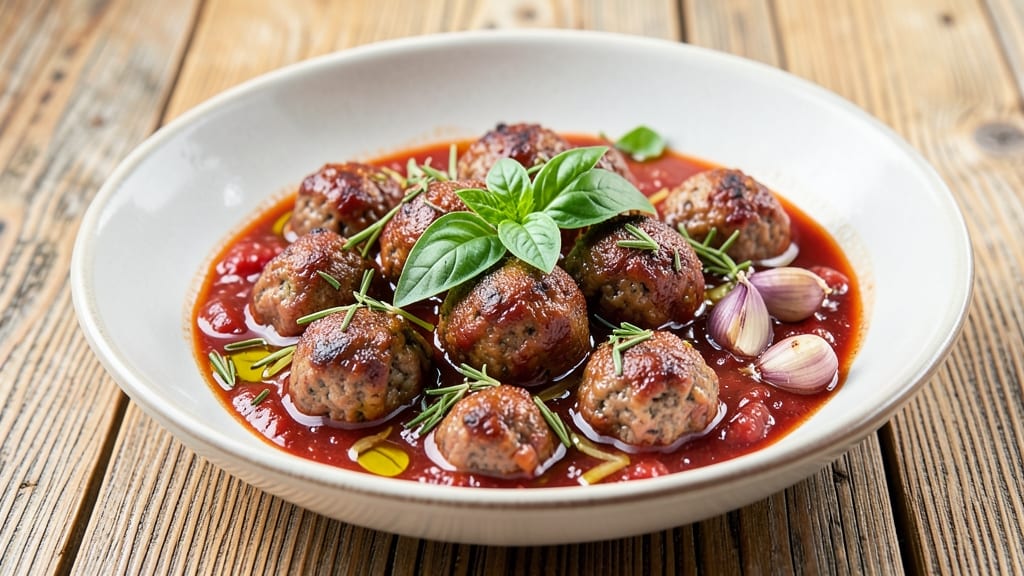
This authentic meatball sauce recipe delivers the rich, tomato-forward flavor that makes Italian-American classics unforgettable. The secret lies in slow simmering crushed tomatoes with garlic, onions, and fresh herbs until the flavors meld into a velvety, deeply aromatic sauce.
I've perfected this version after years of testing—it's the kind of sauce that transforms simple meatballs into a restaurant-worthy dish.
What sets this sauce apart is the balance of acidity and sweetness, achieved through a combination of canned tomatoes, tomato paste, and a touch of sugar. Fresh basil and oregano add bright herbal notes, while grated parmesan at the end brings depth and richness.
The sauce thickens naturally as it simmers, creating that perfect consistency that clings to meatballs without being overly heavy.
This recipe builds flavor gradually, so patience is key—letting it simmer for at least 45 minutes allows the tomatoes to break down and develop complex layers. The result is a sauce that's vibrant, aromatic, and packed with umami, with just the right balance of tang and sweetness.
It's the kind of sauce that tastes even better the next day as the flavors continue to develop.
The beauty of this sauce is its versatility—use it over meatballs, pasta, or even as a pizza topping. It keeps well in the refrigerator for up to a week, making it perfect for meal prep.
For an extra boost of flavor, consider adding a splash of red wine or a pinch of red pepper flakes during the simmering process.
Ingredients for authentic meatball sauce
Tomato-forward sauce with herbs and parmesan—authentic Italian flavor in every spoonful.
| Ingredient | Amount | Notes |
|---|---|---|
| Crushed Tomatoes 🍅 | 28 oz | San Marzano preferred for sweetness |
| Tomato Paste 🍅 | 2 tbsp | Squeeze tube or canned |
| Yellow Onion 🧅 | 1 whole | Medium size, finely chopped |
| Garlic Cloves 🧄 | 4 cloves | Fresh, minced for depth |
| Fresh Basil Leaves 🌿 | ½ cup | Packed, stems removed |
| Fresh Oregano Leaves 🌿 | ¼ cup | Or 2 tsp dried oregano |
| Granulated Sugar 🍚 | 1 tbsp | Balances acidity |
| Extra-Virgin Olive Oil 🫒 | ¼ cup | For richness |
| Red Wine 🍷 | ½ cup | Dry, bold variety |
| Parmesan Cheese 🧀 | ¼ cup | Freshly grated, reserved |
| Salt 🧂 | 1 ½ tsp | Kosher or sea salt |
| Ground Black Pepper 🌶️ | ½ tsp | Freshly cracked |
| Red Pepper Flakes 🔥 | ½ tsp | Optional for heat |
The tomatoes are the foundation. San Marzano makes all the difference with its natural sweetness and low acidity—Trader Joe's or Whole Foods carry excellent cans. If you can't find San Marzano, any high-quality crushed tomatoes work, but avoid the watery brands. The onion and garlic should be finely chopped; a food processor speeds this up. Fresh herbs are non-negotiable here—they bring that bright, aromatic quality that dried spices can't match. For the basil, I always grab extra because half gets torn over the top at the end.
No red wine? Substitute with extra vegetable broth—it won't be identical, but you'll still get depth. Dried oregano works at one-third the amount of fresh, but trust me, the fresh version is worth the extra minute to chop. The tomato paste can be a squeeze tube for convenience, but canned is fine too—just measure it out carefully. If you're sensitive to acidity, reduce the crushed tomatoes to 24 oz and add 4 oz extra tomato paste for balance. The sugar is key—it rounds out the acidity without making the sauce sweet.
This sauce tastes even better the next day as the flavors meld. Store in an airtight container in the fridge for up to 7 days, or freeze for 3 months. I like to portion it into containers so I can grab exactly what I need for pasta or meatballs. For freezing, let it cool completely first to prevent ice crystals. Reheat gently on the stove—never microwave, or the texture will suffer.
Why You'll Love This Recipe
- One-Pot Magic: I swear by this—just toss everything into one pot, stir, and let it simmer. No extra bowls, no mess, and honestly? The onions caramelize right into the sauce, so you don’t even notice the cleanup.
- Garlic-Basil Bomb: That crushed tomato and tomato paste combo? It’s the backbone, but the garlic and fresh basil? Chef’s kiss. The aroma alone makes my kitchen smell like a little Italian paradise, and the taste? It’s the kind of sauce that disappears faster than I can say “second helping.”
- Meal Prep Hero: Between us, this sauce is my secret weapon for lazy Sundays. Make a big batch, freeze half, and boom—you’ve got dinner covered for next week. (Yes, even on a Tuesday night when takeout sounds better than math.)
- Budget-Friendly Luxury: Tomatoes, onions, garlic—these are the ingredients that don’t break the bank, but they pack a flavor punch like you’d pay $20 for. Plus, the leftovers? They only get better the next day, so you’re basically getting twice the meal for half the effort.
Step-by-step instructions for authentic tomato-rich meatball sauce
This sauce builds flavor layer by layer—start with aromatics, then let the tomatoes and wine develop depth.
Sauté Onions and Garlic to Build Flavor Foundation
Heat the 0.25 cup extra-virgin olive oil in a large Dutch oven over medium heat. Add the 1 whole yellow onion, chopped into small dice, and cook for 8-10 minutes until softened and translucent. The onions should release their sweetness without browning—this prevents bitterness in the final sauce.
Reduce heat to medium-low and add the 4 cloves garlic cloves, minced. Cook for 1-2 minutes until fragrant but not browned. Garlic burns quickly, so watch carefully. Here's the thing—properly cooked garlic adds sweetness without bitterness, which balances the acidity of the tomatoes later.
Deglaze with Wine and Incorporate Tomato Paste
Pour in the 0.5 cup red wine and scrape up any browned bits from the bottom of the pot using a wooden spoon. This deglazing step captures all the flavor compounds that would otherwise stick to your pan. Let the wine simmer for 3-4 minutes until reduced by half—you'll see the liquid thicken slightly and the alcohol burn off.
Next, stir in the 2 tbsp tomato paste and cook for 2 minutes until it darkens slightly. This step deepens the sauce's color and adds a concentrated tomato flavor that carries through the entire cooking process. Don't skip this—it's what gives authentic Italian sauces their rich, velvety texture.
Combine Tomatoes and Seasonings for Balanced Flavor
Add the 28 oz crushed tomatoes, 1 tbsp granulated sugar, 1.5 tsp salt, 0.5 tsp ground black pepper, and 0.5 tsp red pepper flakes (if using). Stir well to combine, then bring the mixture to a gentle simmer over medium-low heat. The sugar helps balance the acidity of the tomatoes while the red pepper flakes add subtle heat that develops as it cooks.
Let the sauce simmer uncovered for 20 minutes, stirring occasionally. You'll notice the sauce thicken slightly as the tomatoes break down and release their juices. This is where patience pays off—the longer it simmers, the deeper the flavor becomes. If the sauce looks too thick, add 1-2 tablespoons of water to maintain proper consistency.
Finish with Herbs and Parmesan for Bright, Complex Flavor
Stir in the 0.5 cup fresh basil leaves and 0.25 cup fresh oregano leaves, removing any thick stems first. Simmer for an additional 10 minutes—this allows the herbs to infuse their bright, aromatic flavors without turning bitter. The basil should remain vibrant green, not wilted and dark.
Finally, reduce heat to low and stir in the 0.25 cup freshly grated Parmesan cheese. Let the sauce simmer for 5 more minutes, allowing the cheese to melt completely and create a silky texture. Taste and adjust seasoning if needed—authentic Italian sauces should be balanced with bright acidity, sweetness from the tomatoes, and a touch of saltiness from the cheese.
Rest and Thicken for Perfect Texture
Remove the sauce from heat and let it rest for 10 minutes before serving. This resting period allows the flavors to meld completely and the sauce to thicken naturally as it cools slightly. For an even thicker consistency, you can return the sauce to low heat for 5-10 minutes while stirring occasionally, adding small amounts of water as needed.
The final sauce should coat the back of a spoon with a velvety texture, not be watery or overly thick. If you're serving with meatballs, add them to the sauce during the last 15 minutes of simmering to allow them to absorb the flavors fully. This sauce keeps well in the refrigerator for up to 5 days or can be frozen for 3 months—making it perfect for meal prep.
Pro Tips For Making Authentic Meatball Sauce
- Sweat the Onions Low: After burning three batches, I finally figured out that cooking onions for this sauce should be slow and steady—no rushing. Use medium-low heat and let them soften for 8–10 minutes until they’re almost translucent but not browned. That deep, mellow flavor is the foundation, and skipping this step means your sauce will taste raw and sharp.
- Toast the Tomato Paste: I was skeptical until I tried it: cook the tomato paste for 2–3 minutes in the pot before adding anything else. It deepens the flavor and cuts through the acidity of the crushed tomatoes later. Just stir constantly—it burns faster than you think.
- Simmer Long and Slow: This isn’t the prettiest method, but it’s the tastiest. After adding the crushed tomatoes and other ingredients, bring the sauce to a boil, then drop it to a bare simmer. Let it cook uncovered for at least 45 minutes—yes, even if it looks thin. The flavors meld, and the sauce thickens naturally without gummy texture.
- Add Basil Late: Fresh basil wilts and turns bitter if cooked too long. Tear the leaves by hand (not chopping—it bruises) and stir them in only during the last 5 minutes of cooking. If you’re using it as a garnish, wait until serving—it’ll stay vibrant and bright.
Regional styles of authentic meatball sauce
Classic Roman Ragù
Roman cuisine takes its meatball sauce to another level with a richer, meatier approach. Instead of tomatoes as the base, Romans often use a bolognese-style ragù with ground beef, pork, and pancetta, all slow-cooked with white wine, milk, and just a touch of tomato paste. The key difference?
The sauce simmers for hours (I recommend 3-4 hours on low heat) until it reaches a near-dry consistency. This creates a deep, meaty sauce that clings to meatballs like glue. For authenticity, use San Pellegrino tomatoes—they're the Roman equivalent of San Marzano. 🍷
Sicilian-Style Tomato Sauce
In Sicily, the sauce is bold, spicy, and often includes anchovies, capers, and olives for a briny depth.
Start with 3 cloves garlic, 1 tbsp tomato paste, and 1 can (6 oz) crushed tomatoes, then add 1 tbsp capers, 2 anchovy fillets, and ½ cup Kalamata olives (pitted and chopped).
Simmer for 45 minutes and finish with 1 tsp red pepper flakes for heat. The anchovies dissolve completely, adding umami without fishy notes. I love this version over fried meatballs—the contrast of textures is amazing. 🌶️
Neapolitan Marinara
Neapolitan marinara is all about bright, tangy tomatoes with minimal ingredients. Use 28 oz San Marzano tomatoes, 3 cloves garlic, 1 tsp salt, and ½ tsp black pepper, then simmer uncovered for 1 hour to develop deep flavor.
The secret? No sugar—Neapolitans rely on the natural sweetness of the tomatoes. Finish with fresh basil and a drizzle of extra-virgin olive oil. This sauce is perfect for spaghetti alla marinara or as a dip for meatballs. It’s simple but packed with authentic Italian soul. 🌿
Northern Italian Creamy Sauce
Up north, meatball sauces often include cream or mascarpone for richness. Start with the base recipe, then stir in ½ cup heavy cream and ¼ cup mascarpone cheese during the last 10 minutes of simmering.
For extra depth, add 1 tsp nutmeg and a pinch of ground cinnamon—trust me, it works! This version pairs beautifully with pan-fried meatballs or gnocchi. The creaminess balances the acidity of the tomatoes perfectly. 🧀
Calabrian Spicy Variation
Calabria is Italy’s spiciest region, and their meatball sauce reflects that with ‘nduja—a spreadable, spicy salami made from pork and chili peppers. Mix 2 tbsp ‘nduja into the sauce during the last 15 minutes of simmering for a slow-building heat.
Add 1 tsp fennel seeds for a licorice-like depth. This sauce is fiery but balanced, with a smoky, spicy kick that’s addictive. Serve with crusty bread to soak up the heat. 🔥
Nutrition facts
Frequently asked questions
Why does this sauce need to simmer for so long?
Simmering for at least 45 minutes allows the tomatoes to break down and develop complex, layered flavors. This slow process deepens the sauce's richness and creates that velvety texture that clings perfectly to meatballs. The longer it simmers, the more the natural sweetness and acidity balance out, resulting in a truly authentic taste.
Can I make this sauce without red wine?
Yes! If you don't have red wine, substitute with ½ cup vegetable broth or even ½ cup water plus 1 tsp balsamic vinegar for acidity. The wine adds depth, but these alternatives will still create a flavorful sauce. Just know the flavor profile will be slightly different—less rich but still delicious.
How do I adjust the thickness of the sauce?
If your sauce is too thick, add 1-2 tablespoons of water or broth while simmering and stir until smooth. For a thicker sauce, simmer uncovered for an extra 10-15 minutes to reduce the liquid naturally. The ideal consistency should coat the back of a spoon lightly but not be gluey.
Can I use dried herbs instead of fresh?
You can, but fresh herbs make a noticeable difference in flavor. If using dried, reduce the amount to ⅓ of what's listed (e.g., ⅓ tsp dried oregano instead of ¼ cup fresh). Fresh herbs add brightness and aroma that dried versions can't fully replicate. For best results, stick with fresh basil and oregano.
What’s the best way to reheat leftover sauce?
Gently reheat on the stove over low heat, stirring occasionally, until warmed through. Avoid microwaving—it can make the sauce watery and break down the texture. If the sauce seems too thick after reheating, add a splash of water or broth to loosen it up. The flavors actually improve after resting overnight!