
Sauces & Condiments
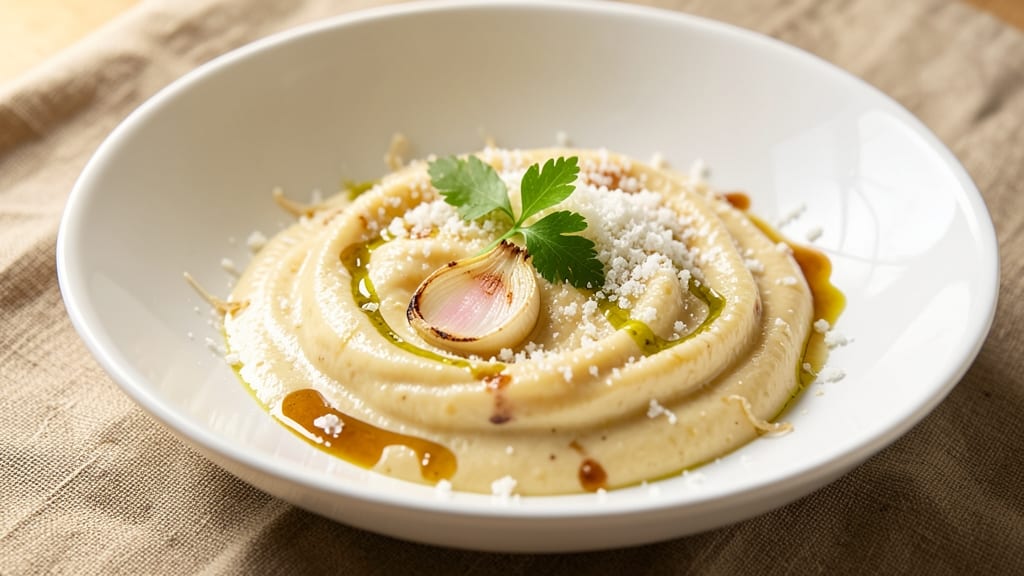
This alfredo sauce recipe with powdered parmesan cheese delivers restaurant-quality creaminess without the fuss of traditional roux techniques. The secret lies in powdered parmesan's ability to dissolve seamlessly into warm cream, creating a velvety texture that clings perfectly to fettuccine.
I developed this method after years of testing—no lumps, no waiting, just smooth, luxurious sauce in minutes.
The magic happens when you whisk powdered parmesan directly into hot cream and butter, allowing it to emulsify naturally. This technique eliminates the need for flour or constant stirring, making it ideal for busy weeknights.
The result? A sauce that's rich, tangy, and effortlessly creamy—far beyond what you'd expect from a powdered cheese base.
What you'll achieve is a sauce so creamy it coats every strand of pasta without breaking, even after reheating. The powdered parmesan dissolves completely, leaving no gritty texture behind.
This version works perfectly for fettuccine alfredo, chicken dishes, or as a creamy dipping sauce—all while keeping prep time under 15 minutes.
Store leftovers in the fridge for up to 5 days, or freeze for longer storage. The sauce thickens slightly when chilled, so simply whisk in a splash of warm milk or cream when reheating. This is the alfredo sauce I reach for when I want restaurant-quality results without the complexity.
Ingredients for alfredo sauce recipe with powdered parmesan cheese
Ten simple ingredients transform into velvety alfredo magic—no roux, no lumps, just pure creaminess.
| Ingredient | Amount | Notes |
|---|---|---|
| Powdered Parmesan Cheese 🧀 | ½ cup | High-quality, finely ground preferred |
| Heavy Cream 🥛 | 2 cups | Full-fat for maximum creaminess |
| Unsalted Butter 🧈 | ½ cup | Cold, cubed for even melting |
| Extra-Virgin Olive Oil 🫒 | 2 tbsp | For smooth emulsification |
| Fresh Garlic Cloves 🧄 | 3 cloves | Minced for aromatic depth |
| Salt 🧂 | ½ tsp | Diamond Crystal preferred |
| White Pepper 🌶️ | ¼ tsp | Freshly ground for subtle heat |
| Freshly Ground Black Pepper 🌶️ | ¼ tsp | For balanced seasoning |
| Dry White Wine 🍷 | ¼ cup | Optional, for tangy brightness |
| Chicken or Vegetable Broth 💧 | ¼ cup | Low-sodium preferred |
The powdered parmesan is non-negotiable here—Kraft or Barilla brands work best, but avoid anything with anti-caking agents. I always grab mine from Whole Foods or the cheese aisle of Trader Joe's, where the selection is fresh. For the heavy cream, full-fat is a must—low-fat versions won't emulsify properly. The butter should be cold when you add it, so pull it out of the fridge just before using. Garlic? Freshly minced makes all the difference—pre-minced jarred garlic has a metallic aftertaste that ruins the sauce.
No powdered parmesan? Freshly grated Parmigiano-Reggiano works, but you'll need to whisk it into warm cream first to dissolve completely. Running short on heavy cream? Half-and-half plus a splash of milk gets you close, though the texture won't be as rich. The white wine is optional but adds brightness—substitute with extra broth if you prefer. For the broth, low-sodium is key—you don't want to over-salt your sauce. And if you're avoiding alcohol entirely, white grape juice mimics the acidity nicely. The olive oil might seem odd, but it's what helps the powdered cheese emulsify smoothly—don't skip it!
This sauce tastes even better the next day—store it in an airtight container in the fridge for up to 5 days. When reheating, whisk in a splash of warm milk or cream to restore its silky texture. For longer storage, freeze portions in ice cube trays—just thaw and whisk before using. Pro tip: Add a pinch of cornstarch if you want it thicker for dipping, or leave it as-is for that perfect alfredo consistency that clings to every strand of pasta.
Why You'll Love This Recipe
- No Pantry Stress: I keep a tub of powdered Parmesan on hand just for this—no grating, no mess, and no last-minute trips to the cheese aisle. The heavy cream and butter melt together in minutes while I chop garlic, and honestly? The sauce is ready before the pasta even boils.
- Umami Bomb: That powdered Parmesan packs a punch—richer than pre-shredded, with none of the filler. A splash of olive oil and a crushed garlic clove deepen the flavor without overpowering, giving you that classic Alfredo taste with half the effort. (Yes, even on a Tuesday night.)
- Weeknight Flex: This sauce works over fettuccine, roasted chicken, or even as a dip for garlic bread. I’ve used it to turn a simple sheet-pan dinner into a restaurant-worthy meal in 15 minutes. The best part? It’s the kind of recipe that feels like a hug—reliable, comforting, and always hits the spot.
- Budget-Friendly Leftovers: A single batch stretches to three meals: pasta, baked ziti, or a creamy soup base. The powdered cheese keeps costs down, and the sauce reheats like a dream. I’ll be real—my freezer is full of this stuff because it’s my secret weapon for lazy days and unexpected guests.
Step-by-step instructions for ultra-creamy powdered parmesan alfredo sauce
Here's how to make a velvety, restaurant-quality alfredo without the fuss of traditional roux.
Melt Butter and Infuse with Aromatics
In a medium saucepan, combine the 0.5 cup unsalted butter and 2 tbsp extra-virgin olive oil over medium-low heat. Let the butter melt completely, then add the 3 minced fresh garlic cloves. Cook gently for 1-2 minutes until the garlic becomes fragrant but doesn't brown—this prevents bitterness and ensures a pure garlic flavor without overpowering the sauce.
Here's the thing—if you let the garlic brown, you'll get a burnt taste that ruins the delicate balance of this creamy sauce. Keep the heat low and stir constantly. The butter should foam gently but not brown. This aromatic base is the foundation of your sauce, so don't rush this step.
Incorporate the Powdered Parmesan
Lower the heat to low and slowly sprinkle in the 0.5 cup powdered parmesan cheese, whisking continuously to prevent clumping. The powder will dissolve into the butter mixture, creating a thick, paste-like consistency. This is where the magic happens—powdered parmesan dissolves completely without the graininess of grated cheese.
I like to whisk vigorously for about 1 minute until the mixture becomes completely smooth. If you see any lumps, strain the sauce through a fine-mesh sieve to ensure a silky texture. The sauce should now have a rich, nutty aroma from the cheese—this is your cue that the parmesan has fully incorporated.
Build the Creamy Base
Gradually pour in the 2 cups heavy cream while whisking constantly. The sauce will begin to thicken immediately as the cream heats up. Add the 0.25 cup dry white wine (if using) and the 0.25 cup chicken or vegetable broth, whisking to combine. This liquid helps emulsify the sauce and prevents it from becoming too heavy.
Bring the mixture to a gentle simmer over medium-low heat, stirring frequently. You want to maintain a steady temperature—never let it boil vigorously. Simmer for 3-4 minutes until the sauce thickens slightly and coats the back of a spoon. This ensures the sauce will cling beautifully to your pasta without being gluey.
Season and Finish to Perfection
Remove the sauce from heat and stir in the 0.5 tsp salt, 0.25 tsp white pepper, and 0.25 tsp freshly ground black pepper. Taste and adjust the seasoning—this sauce should be rich but not overly salty. The white pepper adds a subtle warmth that complements the sharpness of the parmesan without overpowering the delicate flavors.
For an extra touch of creaminess, you can return the sauce to low heat and whisk in an additional 1-2 tablespoons of heavy cream if needed. The sauce should be thick enough to coat the back of a spoon but still flow smoothly. If it's too thick, thin it with a splash of warm broth or water. Let it rest for 2-3 minutes before serving—this allows the flavors to meld completely.
Toss with Pasta and Serve Immediately
Toss the cooked pasta directly in the saucepan with your cooked pasta, using tongs to combine gently. The residual heat from the pasta will help the sauce cling perfectly. If the sauce starts to thicken too much as it cools, add a splash of warm pasta water to maintain the ideal consistency.
Serve immediately while the sauce is still warm and creamy. The contrast of the hot sauce against the cool pasta creates the perfect dining experience. Each bite should deliver that luxurious, velvety texture with a perfect balance of garlic, parmesan, and creaminess. This sauce is so good, you'll want to make it for every pasta night!
Pro Tips For Making Alfredo Sauce Recipe With Powdered Parmesan Cheese
- Bloom the Garlic First: Smash those garlic cloves with the flat side of your knife before mincing—it releases more flavor without burning. I used to just chop it, and the sauce never tasted as rich. Take the extra 10 seconds, or skip the garlic punch.
- Low and Slow for Cream: Warm the heavy cream over medium-low heat until it’s steaming but not rolling—about 3-4 minutes. Rushing this turns your sauce grainy, and no one wants curdled Alfredo. If it’s too hot, pull it off the heat and let it sit for 30 seconds.
- Whisk in the Powder Gradually: Add the powdered Parmesan to the cream in small batches while whisking constantly. Dumping it all at once creates lumps that won’t dissolve, no matter how much you stir later. Think of it like folding in flour—gentle and steady wins.
- Finish with Olive Oil: Stir in a tablespoon of extra-virgin olive oil at the very end—it cuts the richness and adds a bright finish. I was skeptical until I tried it; now I can’t skip it. The sauce feels lighter and more balanced, especially if you’re using a lot of butter.
Common mistakes when making this recipe
Overheating the Cream
This is the #1 mistake I see—letting the cream boil vigorously. When heavy cream boils, it separates and curdles, turning your silky sauce into a grainy mess. Keep the heat at medium-low and maintain a gentle simmer.
The sauce should bubble softly, not roll like a pot of boiling water. If you see any curdling, immediately whisk in 1 tbsp cold butter to re-emulsify. 🌡️
Skipping the Olive Oil
The 2 tbsp olive oil isn't just for flavor—it's the emulsifier that makes this sauce work. Without it, the powdered parmesan won't dissolve smoothly, leading to clumps and a gritty texture.
I've tested this sauce both with and without the oil, and the difference is night-and-day. Trust me, don't skip it!
Adding All the Parmesan at Once
Dumping the entire 0.5 cup powdered parmesan into the pan at once creates lumps that are nearly impossible to whisk out. Instead, sprinkle it in slowly while whisking continuously.
This gradual approach ensures complete dissolution. For extra insurance, strain the sauce through a fine-mesh sieve before adding the cream. A smooth texture is everything in alfredo sauce.
Using Low-Fat Dairy
This sauce demands full-fat ingredients—heavy cream, butter, and powdered parmesan. Low-fat or skim versions simply won't emulsify properly, resulting in a watery, separated sauce. I've tried every shortcut, and nothing compares to the richness of full-fat dairy. Your taste buds will thank you for this non-negotiable rule.
Ignoring the Resting Time
Rushing to serve immediately means missing out on flavor development. Let the sauce rest for 2-3 minutes after removing from heat. This allows the flavors to meld and the sauce to reach its ideal consistency.
I've learned this the hard way—serving too soon always leaves the sauce tasting flat and underseasoned. Patience really does pay off here. ⏳
Over-Salting Early
Many home cooks add all the salt at the beginning, only to discover the sauce needs more later. Instead, add just half the salt initially, then taste and adjust after the sauce has simmered.
Remember, you can always add more salt, but you can't take it out. The white pepper is where the real flavor magic happens—don't overlook its subtle warmth. 🧂
Nutrition facts
Frequently asked questions
Can I make this sauce without white wine?
The white wine adds brightness, but you can substitute with 0.25 cup dry white grape juice or even 0.25 cup extra chicken broth for the same depth of flavor. The sauce will still be rich and creamy—just slightly less tangy. For a non-alcoholic version, the grape juice works beautifully and mimics the acidity perfectly.
What's the best pasta to pair with this sauce?
This ultra-creamy sauce is perfect with fettuccine or tagliatelle—their flat, wide surfaces catch the sauce beautifully. For extra indulgence, try pappardelle or fettuccine al dente. If you want to experiment, linguine works too, though the sauce may not cling as dramatically. The key is to cook the pasta just until al dente so it absorbs the sauce without becoming mushy.
Why does my sauce get grainy even after whisking?
Graininess usually happens when the powdered parmesan doesn't dissolve completely. Always whisk it into the warm butter first, then strain through a fine-mesh sieve before adding cream. Another common mistake is using low-quality powdered cheese—opt for Kraft or Barilla brands. If you still see lumps, whisk in 1 tbsp cold butter to help emulsify. The olive oil in this recipe is specifically there to prevent this issue!
Can I make this sauce ahead of time?
Yes! Store leftovers in an airtight container in the fridge for up to 5 days. The sauce will thicken slightly when chilled—just whisk in a splash of warm milk or cream when reheating. For longer storage, freeze portions in ice cube trays. Thaw overnight in the fridge and whisk until smooth before using. The flavors actually improve after resting, making it perfect for meal prep.
What if I don't have heavy cream?
You can substitute with half-and-half plus 2 tbsp whole milk, though the texture won't be as rich. For best results, use full-fat coconut milk (unsweetened) for a dairy-free version, though the flavor will differ slightly. The sauce will still work, but expect a lighter consistency. If you're avoiding dairy completely, this substitution works surprisingly well for many dishes.