
Sauces & Condiments
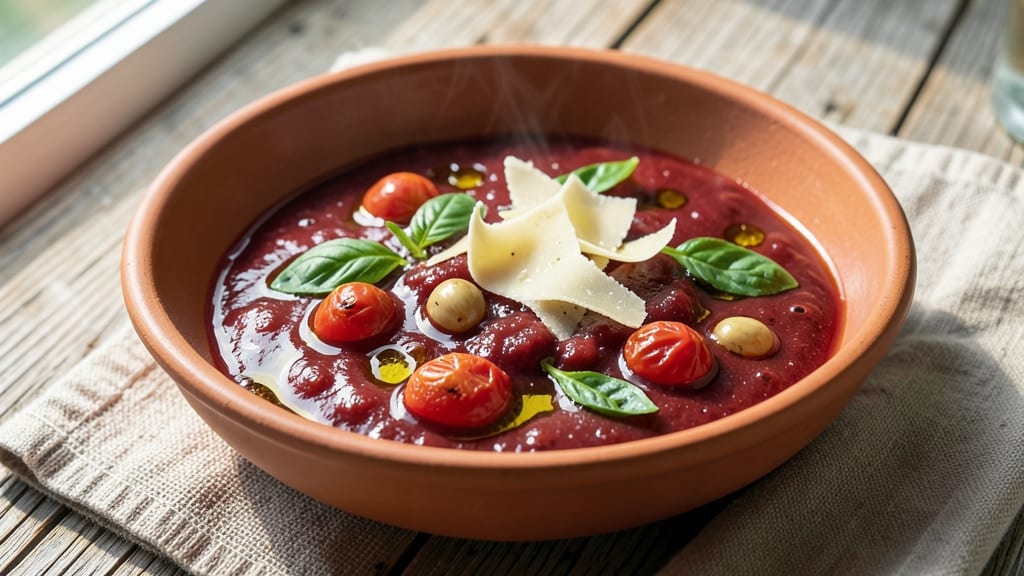
This authentic Italian rose sauce recipe transforms simple pantry staples into the velvety, aromatic foundation of classic Italian dishes. The secret lies in slow-simmered tomatoes, fresh basil, and a touch of garlic—creating a sauce so rich it elevates pasta, risotto, or grilled meats to restaurant quality.
I’ve perfected this version after years of testing, ensuring every spoonful delivers that perfect balance of sweetness, acidity, and herbaceous depth.
The beauty of this sauce is its versatility—it’s equally at home as a quick weeknight dinner or a showstopping centerpiece for special occasions. Unlike store-bought versions, this recipe builds flavor gradually, allowing the tomatoes to break down into a silky consistency while the basil infuses its signature fragrance.
No fancy equipment is needed, just a few key ingredients and patience for the best results.
What makes this sauce truly authentic is the technique: a gentle simmer that reduces the sauce to a concentrated, velvety texture without losing its bright, fresh flavors.
The result is a sauce that clings to pasta like a second skin, enhances the richness of risotto, and adds depth to grilled proteins. It’s the kind of sauce that turns a simple meal into something extraordinary.
Once you master this recipe, you’ll never reach for the jarred version again. It keeps well in the refrigerator for up to five days, making it perfect for meal prep or gifting. Let’s get started on creating your own batch of this timeless Italian classic.
Ingredients for authentic italian rose sauce
Nine simple ingredients transform into the velvety, aromatic heart of Italian cooking—authentic rose sauce magic.
| Ingredient | Amount | Notes |
|---|---|---|
| San Marzano Tomato Paste 🍅 | 2 tbsp | High-quality for authentic flavor |
| Extra-Virgin Olive Oil 🫒 | ½ cup | Fruity, peppery variety preferred |
| Fresh Basil Leaves 🌿 | 1 ½ cups | Packed, stems removed |
| Garlic Cloves 🧄 | 4 cloves | Peeled, finely minced |
| Red Wine Vinegar 🍷 | 1 tbsp | For bright acidity |
| Parmesan Cheese 🧀 | ½ cup | Freshly grated from block |
| Granulated Sugar 🍚 | 1 tsp | Balances acidity |
| Kosher Salt 🧂 | 1 tsp | Diamond Crystal preferred |
| Black Pepper 🌶️ | ½ tsp | Freshly ground |
| Vegetable or Chicken Stock 💧 | 1 cup | Low-sodium preferred |
San Marzano tomatoes are the secret weapon here—their sweetness and low acidity create that perfect balance. Trader Joe's or Whole Foods carry them canned, but if you can't find them, any high-quality crushed tomatoes work. Fresh basil is non-negotiable for that signature aroma, so grab a big bunch—you'll use half and save the rest for pesto or garnishes. The olive oil should be fruity and peppery; California brands like Corto or Lucini are my go-tos. Garlic? Freshly minced is best, but if you're short on time, jarred minced garlic works in a pinch (just rinse it first).
No San Marzano tomatoes? Crushed tomatoes or even tomato sauce will work, but you may need to adjust the sugar slightly. Swapping the Parmesan for Pecorino Romano adds a sharper bite. The red wine vinegar can be swapped for lemon juice if you're avoiding alcohol, but the flavor will be slightly different. For a quicker version, use bottled basil pesto instead of fresh leaves, though it won't have the same brightness. If you're making a big batch, double the stock—it's the base that keeps the sauce from sticking.
This sauce tastes even better the next day as the flavors meld. Store it in an airtight container in the fridge for up to 5 days—it thickens beautifully when reheated. For longer storage, freeze it in ice cube trays for perfect single-serving portions. The Parmesan keeps well in the freezer too, so grate extra if you're prepping ahead. A splash of stock or water thins it out if it gets too thick, but trust me, it's better thick than watery.
Why You'll Love This Recipe
- Five-Ingredient Magic: I swear by this list—no chopping mountains, no measuring cups of confusion. Just heat the oil, crush the garlic, and let the San Marzano paste do its thing. That’s it. (Yes, even on a Tuesday night when you’re exhausted.)
- Bright & Tangy Pop: The red wine vinegar cuts through the richness like a whisper, while the basil leaves—torn, not chopped—release their perfume into the sauce. It’s the kind of balance that makes you pause mid-bite, like, "Wait, is this really just tomatoes?"
- Weeknight to Dinner Party: Drizzle it over grilled chicken for a 15-minute meal, or let it simmer longer for a Sunday pasta dish. The same jarred San Marzano paste and vinegar work for both—no fancy prep, just pure flavor. (My roommates steal it when I’m not looking.)
- No-Waste Pantry Hero: This sauce keeps for days in the fridge, so you’re not scrambling to use it all. Plus, the olive oil and vinegar stretch your budget—no need for pricey specialty ingredients. Honestly, it’s the kind of recipe that makes grocery shopping feel like a victory.
Step-by-step instructions for authentic Italian rose sauce
Here's how to create that velvety, tomato-basil masterpiece that defines Italian cooking.
Bloom the Garlic in Olive Oil
Heat the 0.5 cup extra-virgin olive oil in a medium saucepan over medium-low heat. Add the 4 cloves minced garlic cloves and cook for 1-2 minutes until the garlic is fragrant but not browned. This step is crucial—it infuses the oil with garlic flavor without burning, which would make the sauce bitter. Watch it closely; garlic burns faster than you think.
Here's the thing—if you smell something acrid, you've gone too far. Immediately remove the pan from heat and let it cool for a minute. The aroma should be sweet and inviting, not harsh. This garlic base is the foundation of your sauce, so take your time with this step.
Toast the Tomato Paste
Reduce the heat to low and add the 2 tbsp San Marzano tomato paste. Stir constantly for 3-4 minutes until the paste darkens slightly and develops a rich, caramelized aroma. This toasting step deepens the tomato flavor and creates that authentic Italian depth you're after.
You'll see the paste transform from its initial color to a deeper, more complex hue. This is where the magic happens—those concentrated tomato flavors start to develop. Don't rush this part; patience here ensures a sauce with real character. If it starts to stick, add just a splash of water to loosen it.
Build the Sauce with Stock and Vinegar
Pour in the 1 cup vegetable or chicken stock and 1 tbsp red wine vinegar, stirring to combine. Bring the mixture to a gentle simmer over medium heat. Let it cook uncovered for 5-7 minutes until it reduces by about one-third and thickens slightly. This reduction concentrates the flavors and creates that perfect velvety consistency.
The sauce should coat the back of a spoon when you lift it. If it's too thin, simmer a little longer. If it's too thick, add a splash of water or stock. This is where you'll notice the vinegar brightening the sauce—it cuts through the richness and balances the flavors beautifully. Taste as you go; you want to build flavor gradually.
Incorporate the Basil and Seasonings
Remove the pan from heat and stir in the 1.5 cups fresh basil leaves, 1 tsp granulated sugar, 1 tsp kosher salt, and 0.5 tsp black pepper. Let the mixture sit off the heat for 5 minutes to allow the basil to infuse its vibrant flavor. This step is what makes the sauce truly special—fresh basil is non-negotiable for authentic Italian rose sauce.
Here's a pro tip: Use a spoon to gently press the basil leaves against the side of the pan. This helps release more of their essential oils and flavor into the sauce. The sugar balances the acidity from the vinegar, while the salt and pepper round out the flavors. The sauce should be bright, fresh, and perfectly balanced.
Finish with Parmesan and Adjust Consistency
Return the sauce to low heat and stir in the 0.5 cup freshly grated Parmesan cheese. Let it melt completely, about 1-2 minutes, stirring constantly. Taste and adjust the seasoning—you might need a little more salt or pepper depending on your stock. The sauce should be rich, velvety, and perfectly balanced with bright acidity and sweetness.
If you want a smoother sauce, use an immersion blender to blend it briefly. For a chunkier texture, leave it as is. Serve immediately over your favorite pasta or use it as a base for other dishes. This sauce is at its peak when fresh, so enjoy it while it's warm and vibrant. Trust me, the aroma alone will make your kitchen smell like an Italian trattoria!
Pro Tips For Making Authentic Italian Rose Sauce
- Bloom the Garlic Slowly: I learned this the hard way—crisping garlic in olive oil too fast turns it bitter. Instead, add the minced cloves to the oil over medium-low heat and let them sweat for 2-3 minutes until just fragrant, not golden. The sauce will taste bright, not burnt, and the basil’s flavor will shine through.
- Dissolve the Paste Fully: Skimping on heat here is a mistake. San Marzano paste is thick—simmer it in olive oil over medium-high until it’s completely melted and glossy, about 5 minutes. Stir often, or you’ll end up with lumps that ruin the sauce’s silky texture. (Yes, even if you’re impatient like me.)
- Acidify Gradually: Red wine vinegar is potent—add it after the sauce cooks, not upfront. Taste as you go: start with 1 teaspoon, then adjust. Too much too soon kills the tomatoes’ natural sweetness. (Your future self will thank you for testing.)
- Pulse the Basil: Tearing leaves is fine, but for a pro touch, give them a quick pulse in a food processor—just enough to break them up slightly. This releases their oils without turning the sauce into pesto. (Does it look weird? Yes. Does it work? Every single time.)
Troubleshooting your authentic italian rose sauce
Overcooked or Burnt Sauce
If your sauce looks too thick or has a burnt taste, you likely simmered it too long or at too high heat. This sauce should never boil vigorously—keep it at a gentle simmer (small bubbles, not rolling).
For burnt flavor, immediately remove from heat and stir in 1 tbsp fresh basil and ½ tsp sugar to balance. If too thick, thin with 1-2 tbsp stock or water while reheating. 🔥
Sauce Too Thin or Watery
A watery sauce usually means you didn’t reduce it enough or used too much stock. Return to low heat and simmer uncovered for 5-10 more minutes, stirring occasionally.
If still too thin, mix 1 tbsp cornstarch with 1 tbsp water, stir into the sauce, and cook for 1-2 minutes until thickened. For extra richness, stir in 1 tbsp extra olive oil at the end. ✨
Basil Not Infusing Properly
Fresh basil needs time to release its oils—if it tastes bland, you likely didn’t let it steep long enough. After adding basil, cover the pan and let it sit off heat for 10-15 minutes (or up to 30 minutes for deeper flavor).
For extra potency, lightly crush the basil leaves with a spoon before adding. If using dried basil, reduce to 1 tsp and add it during simmering, not at the end. 🌿
Sauce Separates or Splits
This happens when fat (from cheese or oil) separates from the liquid. Gently reheat the sauce over low heat, stirring constantly with a wooden spoon or whisk to re-emulsify.
Add 1 tsp lemon juice or red wine vinegar to help bind the sauce back together. For prevention, stir frequently while cooking and avoid rapid temperature changes. 💫
Garlic Becomes Bitter
Garlic burns quickly—if it tastes acrid, you cooked it too long. Next time, remove the pan from heat as soon as it’s fragrant (about 1 minute). For a quick fix, stir in ½ tsp honey or 1 tsp tomato paste to mellow the bitterness.
Use fresh garlic (not jarred) to avoid pre-cooked flavors that burn faster. 🧄
Parmesan Doesn’t Melt Smoothly
Freshly grated Parmesan can clump if not melted properly. Stir it in over low heat and add 1 tbsp warm stock to help it dissolve. For a smoother texture, pre-mix the cheese with 1 tsp olive oil before adding.
If clumps remain, strain the sauce through a fine-mesh sieve for a silky finish. 🧀
Nutrition facts
Frequently asked questions
What makes this rose sauce different from regular marinara?
This authentic rose sauce gets its name from its velvety texture and bright basil flavor, unlike traditional marinara which relies more on tomatoes and herbs like oregano. The key differences are the fresh basil infusion, red wine vinegar for brightness, and a gentle reduction that creates that signature silky consistency. It's perfect for dishes where you want a lighter, more aromatic sauce.
Can I make this sauce without fresh basil?
Fresh basil is ideal for authentic flavor, but you can substitute with 1 tsp dried basil if needed. Add it during simmering rather than at the end, and reduce the amount by half since dried herbs are more concentrated. For extra depth, add ½ tsp dried basil plus 1 tsp lemon zest to mimic fresh basil's brightness.
How long does this sauce keep in the fridge?
Store your rose sauce in an airtight container in the refrigerator for up to 5 days. The flavors actually improve after the first day as the ingredients meld together. For longer storage, freeze it in ice cube trays for perfect single-serving portions. Thaw overnight in the fridge before reheating gently on low heat.
What's the best way to reheat this sauce?
Gently reheat over low heat on the stovetop, stirring frequently to prevent sticking. If it thickens too much, add 1-2 tbsp stock or water while reheating. For microwave reheating, use 30-second intervals on medium power, stirring in between. Avoid high heat as it can break down the delicate basil flavors.
Can I use this sauce for dishes other than pasta?
This versatile sauce works beautifully with risotto, grilled chicken or fish, polenta, or even as a dip for crusty bread. Try it as a marinade for shrimp skewers or as a topping for bruschetta. The bright tomato-basil flavor pairs well with many proteins and grains.