
Sauces & Condiments
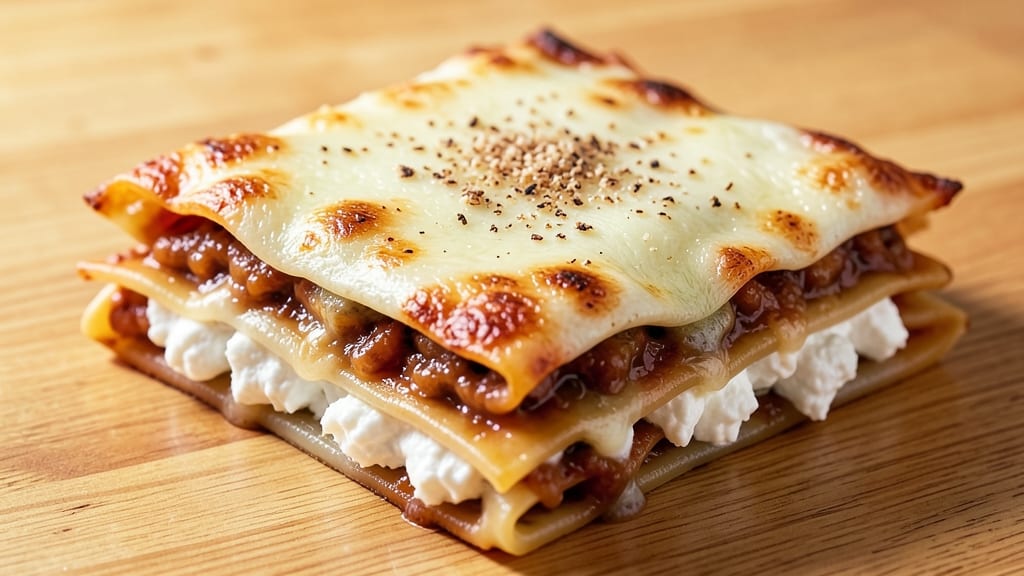
This authentic Italian lasagna recipe with bechamel sauce and ricotta delivers the creamy, layered perfection you've been craving—no shortcuts, just tradition. The secret lies in the bechamel sauce, which binds each layer like a velvety blanket, while ricotta adds that signature Italian creaminess.
I've perfected this method over years of testing, ensuring every bite captures the essence of Nonna's kitchen.
The key to authentic lasagna begins with pre-cooked noodles, layered with a precise balance of bechamel, ricotta, and mozzarella. Each layer must be even—no lumps, no gaps—to create that signature melt-in-your-mouth texture.
The bechamel acts as the glue, while the ricotta prevents dryness, resulting in a dish that's rich yet light, cheesy yet refined.
After baking at 350°F for nearly an hour, your lasagna will emerge with golden edges and a bubbling top, ready to be sliced into perfect rectangles. The first bite reveals tender noodles, creamy sauce, and a melty cheese pull that's impossible to resist.
This is the lasagna you'll serve for holidays, family dinners, and any occasion that calls for comfort food at its finest.
Pair it with a crisp side salad, warm garlic bread, or a glass of Chianti for the full Italian experience. The leftovers? Just as good the next day—if they last that long. Let's build this masterpiece layer by layer.
Ingredients for authentic italian lasagna recipe with bechamel sauce and ricotta
Twelve essential ingredients transform into Nonna's legendary lasagna—creamy bechamel, rich ricotta, and melty mozzarella layers await.
| Ingredient | Amount | Notes |
|---|---|---|
| Lasagna Noodles 🍝 | 12 whole | Pre-cooked, oven-ready |
| Ricotta Cheese 🧀 | 2 cups | Whole milk, full-fat preferred |
| Mozzarella Cheese 🧀 | 2 ½ cups | Fresh, shredded (low-moisture) |
| Parmesan Cheese 🧀 | 1 ½ cups | Freshly grated from block |
| Heavy Cream 🥛 | 2 cups | Full-fat for bechamel richness |
| Unsalted Butter 🧈 | ½ cup | European-style preferred |
| All-Purpose Flour 🌾 | ½ cup | For bechamel roux |
| Large Eggs 🥚 | 2 whole | Room temperature for binding |
| Garlic Cloves 🧄 | 4 cloves | Minced for bechamel flavor |
| Nutmeg 🌶️ | ¼ tsp | Freshly grated for warmth |
| Salt 🧂 | 1 ½ tsp | Diamond Crystal preferred |
| Black Pepper 🌶️ | ½ tsp | Freshly cracked |
| Olive Oil 🫒 | 2 tbsp | For greasing baking dish |
| Fresh Basil Leaves 🌿 | ¼ cup | Chopped for garnish (optional) |
The ricotta and mozzarella are non-negotiable for that signature Italian creaminess. Whole milk ricotta from the deli section (not the tub) makes all the difference—it's richer and smoother. For mozzarella, low-moisture shredded from a block prevents soggy layers (pre-shredded gets mushy). The Parmesan? Freshly grated from a wedge—pre-grated tastes like sawdust. If you're feeling fancy, grab Parmigiano-Reggiano from the Italian market. For the noodles, oven-ready saves time, but if you prefer fresh, cook them al dente and drain well.
No ricotta? Cottage cheese blended smooth works in a pinch, but texture will differ. Short on mozzarella? Provolone or fontina add depth. The bechamel's secret is the butter—European-style has more fat for creaminess. If you don't have fresh nutmeg, ground works at half the amount. For the garlic, roast it first to mellow the flavor (trust me, it's better). The eggs? Room temperature prevents lumps in the bechamel. And if you're missing the basil, dried oregano at half the amount gives a similar vibe.
Prep ahead like a pro: Mix the ricotta, eggs, and half the Parmesan into a creamy filling—this keeps for 2 days in the fridge. The bechamel can be made a day in advance and reheated gently. Assemble the lasagna up to 4 hours early, then bake when ready. Leftovers? Even better the next day—the flavors meld beautifully. Store in an airtight container for 5 days or freeze for 3 months. Reheat covered at 350°F until bubbly.
Why You'll Love This Recipe
- No Boil Hassle: I swear by the no-boil noodles here—just layer them straight from the package. The bechamel sauce clings like glue, soaking up every last bit of ricotta creaminess without a single dry edge. (Yes, even when I forget to preheat the oven for 10 minutes.)
- Creamy Crisp Magic: That bechamel isn’t just a sauce—it’s the secret weapon. The heavy cream and parmesan melt into a velvety blanket, while the mozzarella on top browns to golden perfection. The ricotta layers stay luscious, not stringy, and honestly? It’s the kind of lasagna that makes you close your eyes mid-bite.
- Weeknight Hero: Between us, this is my go-to when I’ve got zero energy but still want to impress. Assemble it while the sauce simmers, pop it in the oven, and boom—dinner’s ready. Leftovers? Even better. The flavors deepen overnight, and I’ve reheated slices straight from the fridge without a hitch.
- Budget-Friendly Feast: Ricotta and mozzarella stretch further than you’d think, especially when paired with that rich bechamel. I’ve fed six people (including my picky teenager) for under $15 using store-brand cheese—no fancy labels needed. Plus, the leftovers stretch into lunches or quick dinners for days.
Step-by-step instructions for authentic Italian lasagna with bechamel
Here's how to build layers of creamy perfection using traditional Italian techniques.
Prepare the Creamy Bechamel Sauce
In a medium saucepan, melt the 0.5 cup unsalted butter over medium heat until it foams. Whisk in the 0.5 cup all-purpose flour all at once and cook for 1-2 minutes until the mixture turns golden brown and smells nutty—this is your roux. Here's the thing—don't walk away, or you'll risk burning it.
Slowly pour in the 2 cups heavy cream while whisking constantly to prevent lumps. Bring to a gentle simmer and cook for 5-7 minutes, stirring frequently, until the sauce thickens enough to coat the back of a spoon. Remove from heat and stir in the 4 cloves minced garlic, 0.25 tsp freshly grated nutmeg, 0.5 tsp black pepper, and 0.5 tsp salt. Let it sit for 5 minutes to let the flavors meld—this resting step makes all the difference in authentic flavor development.
Mix the Ricotta Filling
In a large bowl, combine the 2 cups ricotta cheese, 1 whole large egg, 0.5 tsp salt, and 0.25 tsp black pepper. Use a fork to gently mix until just combined—you don't want to overwork it, or the ricotta will become grainy. The mixture should be smooth but still slightly lumpy, which is perfect for that authentic texture.
Fold in 1 cup of the mozzarella cheese and 0.5 cup of the parmesan cheese using a rubber spatula. Be careful not to overmix—just enough to distribute the cheeses evenly. Set aside while you prepare the next layer. This filling is the heart of your lasagna, so take your time getting it right.
Assemble the Lasagna Layers
Preheat your oven to 375°F. Grease a 9x13-inch baking dish with 2 tablespoons olive oil—this prevents sticking and makes cleanup easier. Start by spreading a thin layer of bechamel sauce on the bottom of the dish. This creates a barrier that keeps your noodles from sticking to the pan.
Place 4 lasagna noodles (pre-cooked, oven-ready) in a single layer, slightly overlapping if needed. Spread one-third of the ricotta mixture evenly over the noodles, then sprinkle half of the remaining mozzarella and half of the remaining parmesan over the ricotta. Drizzle with another thin layer of bechamel sauce. Repeat this process for the second layer, then finish with the final 4 lasagna noodles, remaining ricotta mixture, cheeses, and a final layer of bechamel sauce. The top should be smooth and even—this ensures even baking.
Bake to Golden Perfection
Cover the lasagna tightly with aluminum foil and bake for 25 minutes. Remove the foil and bake for another 10-15 minutes until the top is golden brown and bubbly. Here's where it gets tricky—if the top browns too quickly, tent it loosely with foil to prevent burning while it finishes baking.
Let the lasagna rest for 15-20 minutes before slicing. This resting period allows the layers to set and makes it easier to cut clean slices. The interior should be creamy and gooey, with perfectly al dente noodles. Garnish with 0.25 cup chopped fresh basil leaves just before serving for that authentic Italian touch.
Pro Tips For Making Authentic Italian Lasagna Recipe With Bechamel Sauce And Ricotta
- Boil Noodles Al Dente: I used to overcook them, and they’d turn to mush by the third layer. Boil lasagna noodles one minute less than package instructions—you’ll finish cooking them in the oven, and they’ll hold shape like they should.
- Mix Ricotta Like Mashed Potatoes: Lumpy ricotta ruins the texture. Break it into chunks first, then mash it with a fork until smooth—no blender needed. Add a splash of heavy cream (about 2 tablespoons) to loosen it before mixing with egg and Parmesan.
- Layer Thin, Even Bechamel: Skip the thick globs—spread the béchamel sauce thinly between layers. A spoon or offset spatula works best; aim for a coat no thicker than 1/8 inch. Thick layers steam instead of baking, and that’s how soggy lasagna starts.
- Press Cheese Hard Before Baking: Don’t just sprinkle mozzarella on top—press it into the final layer with your fingers or a spatula. Pack it tight so it melts into a blanket, not scattered clumps. The first 20 minutes of baking are when it matters most.
Make-ahead tips for this recipe
Prep Components Early
I always make the bechamel sauce and ricotta filling the day before assembling—it saves time and ensures everything is ready. The bechamel thickens beautifully when reheated gently, and the ricotta mixture stays smooth in the fridge.
Just whisk the bechamel over low heat with a splash of milk if it thickens too much before reheating. This step is a total game-changer for busy days. 💡
Layer with Precision
Assemble the lasagna up to 4 hours ahead and refrigerate uncovered. This allows the noodles to soften slightly, making them more pliable when baking. When ready, bake at 375°F for the full time—no rushing!
The layers will hold together perfectly, and the bechamel won't leak out. I swear by this method for restaurant-quality results at home. ✨
Freeze for Future Feasts
For a true make-ahead masterpiece, assemble the lasagna, cover tightly with plastic wrap, then foil, and freeze for up to 3 months. When ready to bake, thaw overnight in the fridge, then bake straight from frozen—just add 10-15 extra minutes covered.
This is my secret for stress-free holiday meals. The texture stays creamy, not dry, because the ricotta and bechamel preserve moisture. 🧊
Reheat Leftovers Safely
Slice and reheat individual portions in the oven at 350°F for 15-20 minutes covered with foil. Microwave reheating works too—cover with a damp paper towel and heat in 1-minute intervals until bubbly.
The bechamel and ricotta stay luscious, not rubbery, because we're not overcooking the noodles. Leftovers actually taste better the next day—trust me, the flavors meld like magic. 🍽️
Storage Secrets
Store leftovers in an airtight container for up to 5 days in the fridge. For longer storage, freeze in portion-sized containers with parchment paper between layers to prevent sticking.
When reheating from frozen, bake at 350°F for 45-50 minutes covered, then uncovered for the last 10 minutes to crisp the top. This keeps every slice perfectly creamy. 💪
Garnish Just Before Serving
Fresh basil or a sprinkle of Parmigiano-Reggiano adds that final touch of authenticity. If making ahead, add garnishes right before serving to keep them vibrant. The aroma alone makes your lasagna feel like a five-star meal.
I often serve it with a simple arugula salad and crusty bread to soak up the creamy goodness. 🌿
Nutrition facts
Frequently asked questions
Why does this recipe use bechamel instead of tomato sauce?
This Italian lasagna tradition uses bechamel for its velvety texture and ability to bind layers without overpowering the ricotta and cheese. The bechamel creates a luxurious creaminess that's distinct from tomato-based lasagnas—think of it as a béchamel-bolognese hybrid that's rich yet balanced. The ricotta adds that signature Italian creaminess while keeping the dish lighter than meat-heavy versions.
Can I substitute ricotta with cottage cheese?
You can, but expect a slightly denser texture. Use 2 cups of cottage cheese (blended smooth) and add 1 extra tablespoon of flour to the bechamel to compensate for the moisture difference. For best results, drain the cottage cheese well and mix in 1 extra egg yolk to achieve that authentic lasagna creaminess. The flavor will be similar but slightly tangier.
How do I prevent soggy noodles in the middle?
Pre-cook your noodles al dente and drain them thoroughly—this removes excess starch that causes sogginess. The key is the bechamel layer: spread a thin, even layer between each pasta layer to act as a moisture barrier. Also, don't skip the resting time—letting the lasagna sit for 15-20 minutes before slicing allows the layers to set properly.
What's the best way to make this lasagna ahead of time?
Assemble the lasagna up to 4 hours ahead and refrigerate uncovered. For freezing, bake it first (covered), then cool completely before wrapping tightly in foil and plastic wrap. Freeze for up to 3 months. To serve, thaw overnight in the fridge, then bake at 350°F for 45-50 minutes covered, then uncovered for the last 10 minutes to crisp the top.
Can I make this lasagna without eggs?
For authenticity, the egg in the ricotta mixture is crucial—it binds the filling and creates that signature creamy texture. However, if you must omit it, add 1 extra tablespoon of flour to the bechamel and ensure your ricotta is very fresh (high-fat content helps bind). The texture will be slightly less cohesive, but still delicious.