
Sauces & Condiments
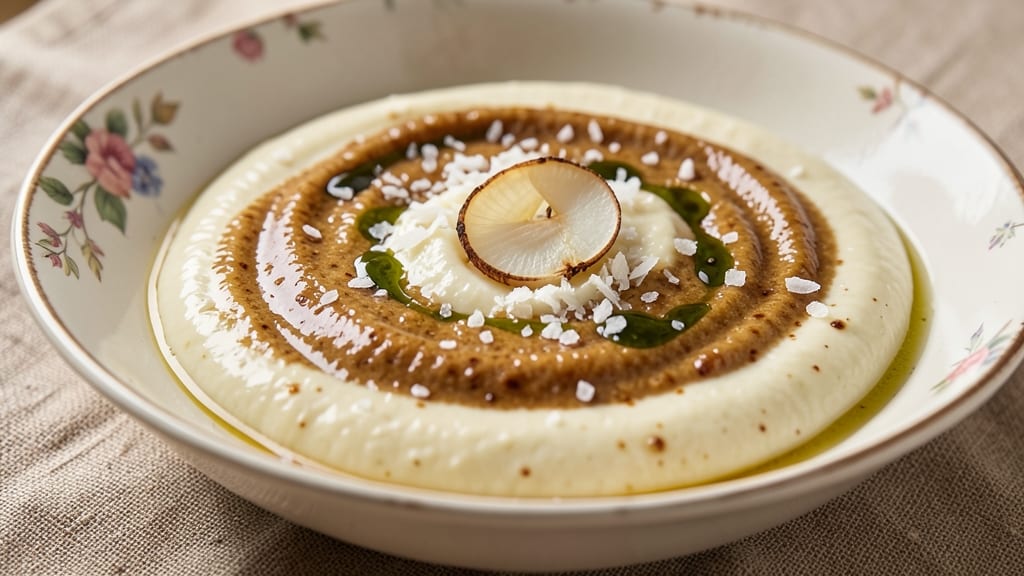
This Alfredo sauce recipe with heavy cream and parmesan cheese transforms simple ingredients into a luxurious, velvety emulsion that clings to pasta like silk. The secret lies in gradual heating and constant whisking to create a smooth, lump-free sauce with a perfect balance of richness and depth.
I developed this version after years of testing—it’s the one that finally delivers that restaurant-quality consistency at home.
What sets this recipe apart is the technique: simmering the sauce low and slow while whisking continuously prevents curdling and ensures a silky texture.
The combination of heavy cream and freshly grated parmesan creates a sauce that’s rich yet not overly heavy, with just enough tang to cut through the richness. You’ll need just five key ingredients, but the method is what makes all the difference.
The result is a sauce so creamy it coats every strand of pasta perfectly, with a subtle nutty flavor from the parmesan and a velvety mouthfeel that disappears with each bite.
This isn’t your basic bottled version—it’s a sauce that elevates any dish, from fettuccine to grilled chicken or even as a creamy dip. The best part? It keeps beautifully in the fridge for up to five days, ready to transform your next meal.
For extra flavor, consider adding a knob of butter or a clove of garlic while simmering, or adjust the cream-to-cheese ratio for a lighter version. The possibilities are endless, but the foundation remains the same: patience, whisking, and quality ingredients. Let’s make this sauce—your taste buds will thank you.
Ingredients for alfredo sauce recipe with heavy cream and parmesan cheese
Five ingredients create this luxurious sauce—silky, rich, and restaurant-worthy.
| Ingredient | Amount | Notes |
|---|---|---|
| Heavy Cream 🥛 | 1 ½ cups | Full-fat for best texture |
| Parmesan Cheese 🧀 | 1 ½ cups | Freshly grated from block |
| Unsalted Butter 🧈 | ½ cup | Cold, cubed for flavor |
| Garlic Cloves 🧄 | 3 cloves | Minced for aromatic base |
| Extra-Virgin Olive Oil 🫒 | ¼ cup | For smooth emulsion |
| Salt 🧂 | ½ tsp | Kosher or sea salt |
| Black Pepper 🌶️ | ¼ tsp | Freshly ground preferred |
| Nutritional Yeast 🍄 | 1 tbsp | Optional for umami depth |
The Parmesan and heavy cream are non-negotiable for that signature velvety texture. Grab a wedge of Parmigiano-Reggiano from the deli counter—pre-grated lacks the depth. For the cream, full-fat is essential—light versions curdle easily. The butter adds richness without overpowering, so use cold, cubed pieces that melt gradually. Garlic should be minced, not pressed—it burns quickly and turns bitter. If you're short on time, jarred minced garlic works in a pinch, but fresh is ideal. The olive oil helps emulsify the sauce, so extra-virgin with good acidity prevents separation.
No heavy cream? Half-and-half with an extra tablespoon of butter mimics the richness. Substituting Parmesan? Pecorino Romano has more punch, but use half the amount. For a dairy-free version, coconut cream plus nutritional yeast creates a similar texture. The nutritional yeast adds umami without altering the sauce's classic profile. If you're watching calories, reduce the butter by half and increase olive oil slightly. For extra flavor, toasted garlic powder can replace fresh garlic, though it lacks the same depth. Always taste as you go—adjust seasoning with more salt or a splash of lemon juice if needed.
This sauce thickens as it cools, so stir in a splash of warm water or milk if it becomes too stiff. Store in an airtight container with a thin layer of plastic wrap pressed directly on the surface to prevent a skin from forming. Keeps for 5 days in the fridge and freezes beautifully for 3 months. For reheating, warm gently on low heat while whisking constantly—never microwave, or it will separate. The sauce also makes a fantastic base for creamy soups or dips, so double the batch if you plan to use it beyond pasta.
Why You'll Love This Recipe
- Five-Ingredient Magic: I swear, this sauce comes together with just five things—no weird pantry raids or last-minute grocery runs. The butter and olive oil melt into a silky base while I chop garlic (two cloves, max), then the heavy cream and parmesan do the rest. Honestly, it’s the kind of recipe that makes me feel like a chef without the fuss.
- Rich Without the Guilt: That first bite of creamy, nutty parmesan clinging to fettuccine? Pure satisfaction. The heavy cream makes it velvety, but the garlic and olive oil keep it bright—not heavy or greasy. I’ll be real: I’ve made lighter sauces, but this one actually tastes like a restaurant’s, not a sad imitation.
- Weeknight to Dinner Party: Between us, this sauce works for takeout night and when my in-laws visit. Dump it over pasta for a 15-minute meal, or let it simmer longer for a sauce so rich it’ll impress anyone. I even drizzle it over grilled chicken or roasted veggies when I’m bored of the usual—no one bats an eye.
- Leftovers That Save Money: A full batch makes enough for two dinners, and it reheats like a dream. The parmesan stays sharp, the cream doesn’t curdle, and the flavor only gets better the next day. I freeze half in portions, so I’m never scrambling for a last-minute pasta fix—just thaw, toss, and serve. Budget win.
Step-by-step instructions for Alfredo sauce with heavy cream and Parmesan cheese
Here's how to create a silky, restaurant-quality sauce that clings perfectly to fettuccine.
🍳 Step 1: Melt Butter and Garlic for Flavor Foundation
In a medium saucepan, melt the 0.5 cup unsalted butter over medium-low heat. Add the 3 cloves minced garlic and cook for 1-2 minutes until fragrant but not browned—just golden around the edges. This gentle cooking prevents bitterness while developing flavor. Remove the pan from heat immediately after the garlic cooks to preserve its delicate aroma.
Here's the thing—don't walk away. Garlic burns in seconds, and that bitter taste ruins everything. If you notice any dark spots forming, remove the pan and start over. The butter should foam gently but not brown. This step creates the aromatic base that carries through the entire sauce.
🍳 Step 2: Gradually Warm the Cream
Return the pan to medium heat and slowly pour in the 1.5 cups heavy cream while whisking continuously. The key here is gradual heating—adding cold cream to hot butter can cause curdling. Warm the mixture for 3-4 minutes until small bubbles form around the edges but before it reaches a full simmer.
You'll see the cream begin to thicken slightly as it heats. This is normal and actually helps emulsify the sauce later. If you notice any skin forming on the surface, gently stir it back in. The cream should be hot but not boiling—about 160°F on an instant-read thermometer if you're precise. This temperature ensures the cheese melts smoothly without separating.
🥘 Step 3: Incorporate Cheese and Nutritional Yeast
Reduce heat to low and gradually sprinkle in the 1.5 cups freshly grated Parmesan cheese, whisking constantly. Add the cheese in small batches—about ¼ cup at a time—to prevent clumping. Once all cheese is incorporated, stir in the 1 tbsp nutritional yeast and 0.25 tsp black pepper. The nutritional yeast adds umami depth that elevates this classic sauce.
Continue whisking for 2-3 minutes until the sauce thickens to a velvety consistency. You're aiming for a texture that coats the back of a spoon but still flows smoothly. If the sauce becomes too thick, whisk in 1-2 tablespoons of hot pasta water to adjust. The cheese should be completely melted with no grainy texture remaining—this indicates proper emulsification.
🔥 Step 4: Finish with Seasoning and Emulsification
Add the 0.5 tsp salt and 0.25 cup extra-virgin olive oil to the sauce. The olive oil helps create that signature silky texture while adding subtle fruity notes. Whisk vigorously for 1-2 minutes until the sauce becomes completely smooth and glossy. This final whisking is what transforms a simple cheese sauce into true Alfredo perfection.
Taste and adjust seasoning if needed—Alfredo should be rich but balanced, with the salt and pepper enhancing rather than overpowering the cheese flavors. The sauce is now ready to coat your pasta beautifully. For best results, toss it immediately with hot fettuccine and serve while the sauce is still warm and fluid.
Pro Tips For Making Alfredo Sauce Recipe With Heavy Cream And Parmesan Cheese
- Bloom the Garlic First: Toss your minced garlic into the butter before heating—let it sit for 30 seconds while the butter melts. This softens the garlic’s bite and prevents it from burning into bitter oblivion the second you turn up the heat. (Yes, I’ve ruined a batch by skipping this.)
- Whisk the Parmesan: Grate the Parmesan fresh and pulse it in a food processor for 10 seconds—this breaks up the clumps and dissolves it smoother into the cream. Pre-shredded cheese? Skip it. It’s the fast track to lumpy Alfredo.
- Low and Slow for Cream: Reduce the heat to medium-low once the cream hits the pan—simmering too hard turns it grainy faster. If it’s splashing or separating, you’re pushing it. Patience here keeps the sauce velvety, not curdled.
- Salt the Butter: Toss in a pinch of salt with the butter at the start—it seasons the garlic and balances the Parmesan’s saltiness later. Unsalted butter is a blank slate; treat it like one. (I used to forget this and wondered why the sauce tasted flat.)
Pro cooking tips for perfect results
Emulsification Secrets
The key to that signature silky texture lies in proper emulsification. I start by heating the cream gradually over medium heat while whisking constantly—this prevents curdling by avoiding temperature shock.
The moment I add the cheese, I reduce heat to low and whisk in small batches (about ¼ cup at a time) to ensure even melting. The extra-virgin olive oil at the end binds everything together, creating that luxurious mouthfeel. 💫
Temperature Control
Never let your sauce boil—160°F is the sweet spot for melting cheese without separating. I use a medium saucepan to maintain even heat distribution and avoid hot spots. If you see any skin forming on the cream, gently stir it back in immediately.
The butter should melt slowly over medium-low heat—if it browns, your garlic will burn, adding bitterness. A thermometer helps, but visual cues work too: small bubbles at the edges mean it's ready.
Cheese Grating Matters
Freshly grated Parmesan cheese from a block makes all the difference—pre-grated cheese contains anti-caking agents that prevent proper emulsification. I use a microplane or box grater for fine, even shreds. For extra richness, I sometimes add ½ cup grated Pecorino Romano alongside the Parmesan.
The nutritional yeast isn't just for vegans—it adds umami depth that elevates the sauce beyond basic cheese-and-cream territory.
Whisk Like a Pro
Your whisk is your best tool here. I use a balloon whisk because its flexible wires create more air incorporation than a flat whisk. Keep whisking even after the cheese melts—this is when the sauce transforms from ordinary to extraordinary.
If it gets too thick, add 1 tablespoon hot pasta water at a time. The goal is a sauce that coats the back of a spoon but still flows smoothly when tossed with pasta.
Butter's Role
The ½ cup unsalted butter serves two purposes: it adds richness and helps stabilize the emulsion. I always use cold, cubed butter so it melts gradually rather than all at once.
For a lighter version, I reduce butter to ¼ cup and increase olive oil to ⅓ cup—the sauce still comes out velvety. If you're making this ahead, the butter's fat content helps prevent separation when reheated.
Final Touches
Seasoning is where many home cooks go wrong. I always taste before serving and adjust with salt and freshly ground black pepper. A pinch of red pepper flakes adds subtle heat, while a splash of lemon juice brightens the richness.
For extra flavor, I sometimes infuse the cream with 1 clove roasted garlic while heating—just remove it before adding the cheese. The sauce should be rich but balanced, with every ingredient playing its part. 🌟
Nutrition facts
Frequently asked questions
Why does my Alfredo sauce get grainy or separate?
Graininess happens when cheese melts unevenly, usually from adding it all at once or using pre-grated cheese with anti-caking agents. Separation occurs when heat is too high or cream boils. The fix? Add cheese in small batches while whisking constantly over low heat, and never let the sauce boil. For extra insurance, whisk in 1 tablespoon olive oil at the end to help emulsify.
Can I make this sauce ahead of time?
Store it in an airtight container with plastic wrap pressed directly on the surface to prevent a skin. It keeps for 5 days in the fridge and freezes beautifully for 3 months. When reheating, warm gently on low heat while whisking constantly—never microwave, or it will separate.
What's the best pasta for Alfredo sauce?
Fettuccine or tagliatelle are classic choices because their flat, wide surfaces catch the sauce beautifully. For extra texture, try pappardelle or even linguine. Avoid thick, ridged pastas like penne—they don't hold sauce as well. The key is to toss the sauce with hot, al dente pasta immediately after cooking.
How can I make this sauce lighter without losing flavor?
Reduce the butter to ¼ cup and increase olive oil to ⅓ cup—it maintains richness while cutting calories. For extra depth, add 1 tablespoon nutritional yeast (it's cheesy and umami-packed) or blend in 2 tablespoons plain Greek yogurt at the end. You can also use half-and-half instead of heavy cream.
What are some creative uses for leftover Alfredo sauce?
This versatile sauce works beyond pasta! Try it as a creamy dip for breadsticks, a rich topping for grilled chicken or fish, or even a velvety base for creamy soups. For a fun twist, swirl it into scrambled eggs or use it as a glaze for roasted vegetables. The possibilities are endless—just reheat gently and adjust seasoning as needed.