
Sauces & Condiments
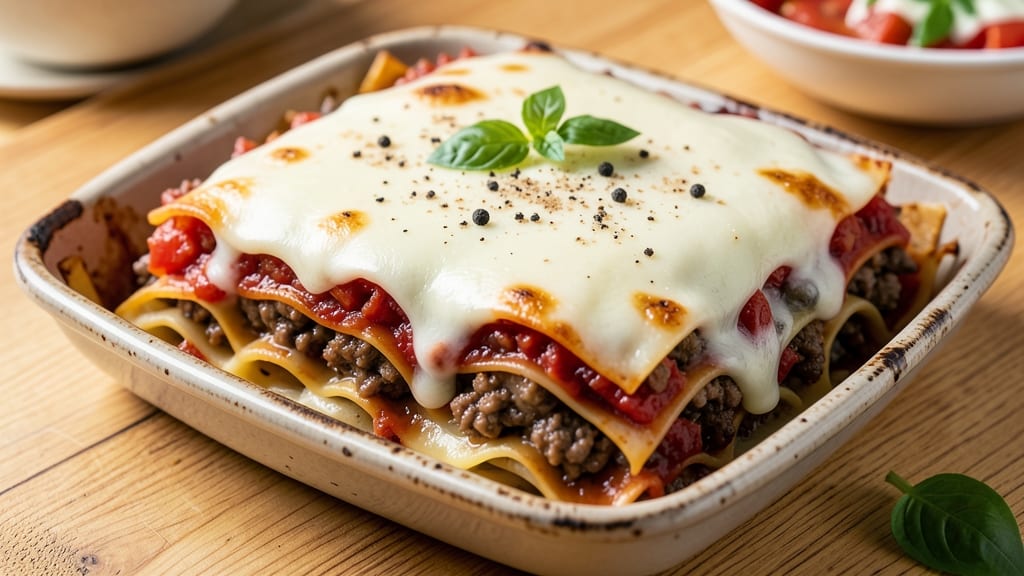
This authentic Italian lasagna recipe delivers the triple-layered comfort of Rome’s finest trattorias, where bechamel sauce and white sauce create velvety, creamy perfection between each tender pasta sheet. The secret lies in balancing rich ragù with smooth, dairy-forward layers—a technique that transforms simple ingredients into a restaurant-worthy masterpiece.
I’ve perfected this version after years of testing, ensuring the lasagna stays moist, the sauce clings to every noodle, and the top layer achieves that coveted golden crust without burning.
The foundation begins with homemade bechamel, a silky white sauce made from butter, flour, and milk, which adds depth and richness between the meaty ragù and melted cheese layers.
Traditional Italian lasagna often skips béchamel in favor of ricotta, but this version incorporates both for a luxurious texture that feels indulgent yet balanced. Each layer—pasta, sauce, cheese—is assembled methodically to prevent sogginess, while a pre-baking step ensures the lasagna holds its shape and cooks evenly in the oven.
What makes this recipe truly authentic is the layering technique: thin, hand-cut lasagna sheets (or no-boil noodles) are stacked with ragù, bechamel, and a blend of mozzarella and parmesan, finishing with a final layer of cheese and herbs.
Baked at 375°F for 40-45 minutes, the lasagna emerges with a crispy, bubbling top and a center that’s creamy, cheesy, and impossibly tender. The aroma alone—warm spices, melted cheese, and caramelized edges—will have your kitchen (and dinner guests) smelling like a Roman Sunday feast.
Serve with a simple green salad and a bold red wine, like Chianti, to cut through the richness. Leftovers reheat beautifully, making this the ultimate weeknight comfort dish that still feels special enough for company. Ready to master the art of Italian lasagna? Let’s get started.
Ingredients for authentic italian lasagna recipe with bechamel sauce and white sauce
Sixteen ingredients transform into Rome's most luxurious lasagna, where bechamel and ragù unite in perfect harmony.
| Ingredient | Amount | Notes |
|---|---|---|
| No-Boil Lasagna Noodles 🍝 | 12 sheets | 9-inch x 11-inch size, uncooked |
| Ground Beef 🥩 | 2 lb | 80% lean, finely ground |
| Extra-Virgin Olive Oil 🫒 | ½ cup | For sautéing ragù ingredients |
| Yellow Onion 🧅 | 1 whole | Finely diced, about 1.5 cups |
| Garlic Cloves 🧄 | 6 cloves | Minced, fresh preferred |
| Canned Crushed Tomatoes 🍅 | 28 oz | San Marzano preferred |
| Tomato Paste 🍅 | 2 tbsp | Squeeze tube or canned |
| Dry Red Wine 🍷 | 1 cup | Bold variety like Chianti |
| Unsalted Butter 🧈 | ½ cup | Cold, cut into cubes |
| All-Purpose Flour 🌾 | ½ cup | Sifted, for bechamel |
| Whole Milk 🥛 | 4 cups | Full-fat for richness |
| Nutritional Yeast 🧀 | ¼ cup | For cheesy flavor in bechamel |
| Mozzarella Cheese 🧀 | 20 oz | Fresh, sliced or shredded |
| Parmesan Cheese 🧀 | 1 ½ cups | Freshly grated, aged |
| Fresh Basil Leaves 🌿 | ½ cup | Chopped, for garnish |
| Dried Oregano 🍃 | 1 tsp | Italian variety preferred |
| Ground Black Pepper 🌶️ | 1 tsp | Freshly cracked |
| Diamond Crystal Kosher Salt 🧂 | 2 tsp | For seasoning |
The foundation begins with ground beef—80% lean is ideal for rich flavor without excessive fat. Most grocery stores carry pre-ground beef in the meat section, but Whole Foods or local butchers offer superior quality. For the tomatoes, San Marzano cans from Italy deliver unmatched sweetness and acidity, available at specialty stores like Eataly or well-stocked supermarkets. The no-boil lasagna noodles are critical; brands like Barilla or De Cecco work best, and their 9x11-inch size ensures proper coverage. Fresh basil should be vibrant green—Trader Joe's often carries excellent quality, or opt for organic at farmers' markets.
No San Marzano tomatoes? Crushed tomatoes from a trusted brand like Rao's will suffice, though they lack the same depth. Substituting red wine? Beef broth with a splash of balsamic vinegar mimics the acidity. For the bechamel, whole milk is non-negotiable—2% or skim will yield a thinner sauce. The nutritional yeast adds umami depth; Bob's Red Mill sells it in bulk at most health food stores. Fresh mozzarella is ideal, but low-moisture shredded works in a pinch—just drain it well. The Parmesan must be freshly grated; pre-shredded contains anti-caking agents that prevent proper melting.
Store prepped ragù in an airtight container for up to 3 days in the fridge, or freeze for 3 months. The bechamel can be made ahead and reheated gently—never boil, as it will curdle. Assemble the lasagna up to a day in advance and refrigerate, then bake straight from the fridge for 5-10 extra minutes to ensure even cooking. Leftovers keep for 4 days refrigerated, though reheating in a 350°F oven with a splash of water yields the best texture. For a restaurant-quality crust, broil for 2-3 minutes at the end, watching closely to avoid burning.
Why You'll Love This Recipe
- No-Boil Magic: I swear by those pre-cooked noodles—no waiting for water to boil, no sloppy layers. Just assemble, bake, and walk away while the bechamel and white sauce work their magic.
- Rich Without the Guilt: The bechamel here isn’t heavy—just creamy enough to balance the savory beef and garlic. Honestly, the olive oil and onion base makes it taste like Nonna’s, but with half the butter.
- Weeknight Feast: This feeds six but takes less time than ordering takeout. My kids think it’s fancy (thanks to the white sauce layers), and I think it’s my secret weapon for busy nights.
- Leftovers That Win: The no-boil noodles stay tender even reheated, and the bechamel adds that restaurant-quality melt. I’ll be real—this is the only lasagna I’ll make twice in a row.
Step-by-step instructions for authentic Italian lasagna
Master this classic technique for a lasagna that honors Italian tradition with rich ragù, velvety bechamel, and perfectly layered textures.
Prepare the Ragù Sauce for Depth of Flavor
Heat the 0.5 cup extra-virgin olive oil in a large Dutch oven over medium heat. Add the 2 lb ground beef and cook, breaking it apart with a wooden spoon, until it loses its raw color and begins to brown—about 8-10 minutes. You'll notice the meat releases its natural juices, which should evaporate as it cooks.
Push the beef to one side of the pot and add the 1 whole yellow onion, finely diced, and the 6 cloves garlic cloves, minced. Cook for 5-6 minutes until the onion becomes translucent and the garlic releases its aromatic oils. This step forms the flavor foundation of your ragù.
Stir the beef back into the pot, then add the 28 oz canned crushed tomatoes, 2 tbsp tomato paste, 1 cup dry red wine, 1 tsp dried oregano, 1 tsp ground black pepper, and 1 tsp diamond crystal kosher salt. Bring to a gentle simmer, then reduce heat to low and let it cook uncovered for 45-60 minutes, stirring occasionally. The sauce should thicken gradually, developing a deep, complex flavor. This slow reduction is essential for authentic Italian lasagna.
Create the Velvety Bechamel Sauce
In a separate saucepan, melt the 0.5 cup unsalted butter over medium heat. Once the butter foams, whisk in the 0.5 cup all-purpose flour all at once, stirring constantly for 1-2 minutes until the mixture forms a smooth, pale roux. This step is critical—if the roux darkens, you'll develop a nutty flavor instead of the clean base needed for bechamel.
Gradually whisk in the 4 cups whole milk, a little at a time, ensuring each addition is fully incorporated before adding more. Continue whisking until the mixture thickens to a creamy consistency, coating the back of a spoon—about 5-7 minutes. Stir in the 0.25 cup nutritional yeast and 1 tsp diamond crystal kosher salt, then remove from heat. The bechamel should be smooth and glossy, ready to bind your lasagna layers.
Assemble the Lasagna with Precision
Preheat your oven to 375°F. Spread a thin layer of ragù sauce on the bottom of a 9x13-inch baking dish to prevent sticking. Place 3 sheets of no-boil lasagna noodles over the sauce, ensuring they overlap slightly at the edges. This first layer will absorb moisture as the lasagna bakes.
Sprinkle 1/3 of the mozzarella cheese and 1/3 of the parmesan cheese evenly over the noodles. Ladle 1/3 of the ragù sauce and 1/3 of the bechamel sauce over the cheese. Repeat this layering process twice more, ending with a final layer of noodles, remaining cheese, and both sauces. The final layer should be saucy enough to create a golden crust when baked.
Bake to Golden Perfection
Cover the lasagna tightly with aluminum foil and bake for 30 minutes. Remove the foil and continue baking for an additional 15-20 minutes until the top is golden brown and bubbly. The edges should be crisp, and the cheese should have developed a slight crust—this indicates the lasagna is fully cooked through.
Let the lasagna rest for 15-20 minutes before slicing. This resting period allows the layers to set and the juices to redistribute, ensuring each bite is rich and flavorful. Garnish with 0.5 cup chopped fresh basil leaves before serving, adding a bright, aromatic finish to this authentic Italian masterpiece.
Pro Tips For Making Authentic Italian Lasagna Recipe With Bechamel Sauce And White Sauce
- Sear the Beef Properly: Break the ground beef into chunks first, then cook them in batches on high heat until deeply browned—this isn’t just for flavor, it’s the foundation of your sauce. I learned this the hard way by skipping it; the result was a bland, gray ragù that never gelled right. Use a 12-inch skillet for even browning, and don’t crowd the pan.
- Toast the Garlic Low: Sauté the minced garlic in olive oil over low heat until it’s golden, not burnt—this prevents bitterness that’ll ruin your bechamel’s delicate balance. I was skeptical until I tried it: the aroma changes completely, and the sauce stays smooth instead of acrid.
- Layer No-Boil Noodles Dry: Pat the no-boil lasagna sheets thoroughly with paper towels before assembling—even a little moisture will turn your layers soggy. I skip this when I’m in a rush, but the dish is noticeably better when I don’t. Trust me, five minutes of drying saves you from a mushy disaster.
- Béchamel First, Then White Sauce: Make the béchamel sauce before the white sauce—it needs to cool slightly before mixing, or the ricotta (if using) will curdle. I used to add them together hot, and the texture always turned grainy. A 10-minute break between sauces guarantees a creamy, cohesive finish.
Regional styles of authentic italian lasagna recipe with bechamel sauce and white sauce
Roman Tradition
In Rome, lasagna is often made with béchamel instead of ricotta, creating a richer, creamier texture that balances the hearty ragù. The classic Roman version, called "lasagna alla romana", uses egg pasta sheets rather than dried noodles, giving it a delicate, tender bite.
While traditional recipes skip the white sauce, my version incorporates both béchamel and a touch of ricotta for that signature Roman creaminess without overpowering the meat sauce. 🍝
Bolognese Influence
Northern Italy’s Bolognese-style lasagna, or "lasagna alla bolognese", swaps the white sauce for ragù alla bolognese—a slower-cooked, meat-based sauce with pancetta, milk, and herbs. Unlike Roman lasagna, Bolognese versions often use wide, flat lasagna sheets and a thicker ragù layer.
My recipe bridges both styles by keeping the bechamel-rich layers while using a simplified ragù that’s still deeply flavorful. The key difference? Bolognese lasagna is meat-forward, while Roman lasagna embraces the creamy contrast. 🥩
Sicilian Twist
Sicilian lasagna, or "lasagna alla siciliana", incorporates tomato sauce, ricotta, and mozzarella in a vibrant, slightly sweet profile. Unlike the Roman or Bolognese versions, Sicilian lasagna often includes eggplant or zucchini in the layers, adding a fresh, vegetal note.
My recipe stays true to the bechamel-and-ragù foundation but lets you add diced eggplant (sautéed with garlic and olive oil) between layers for a Sicilian-inspired twist. The result? A lasagna with both richness and brightness. 🌶️
Modern Adaptations
Today’s Italian lasagna often blends regional traditions with modern techniques. Many chefs use no-boil noodles (like in my recipe) to simplify assembly, while others opt for fresh pasta for a lighter texture. Some versions replace bechamel with a béchamel-ricotta hybrid, balancing creaminess without heaviness.
For a lighter take, try swapping half the mozzarella for fontina cheese—it melts beautifully and adds a subtle nutty flavor. The key? Keep the layering precise and the sauces balanced to honor Italian roots while making it your own. ✨
Nutrition facts
Frequently asked questions
Why does this lasagna use both bechamel and white sauce?
This recipe combines bechamel (a rich butter-flour-milk sauce) with a lighter white sauce (often a béchamel-ricotta blend) to create the perfect balance of creaminess and texture. Traditional Roman lasagna relies on béchamel for its velvety layers, while adding a touch of white sauce prevents the dish from becoming too heavy. The result is a lasagna with a luxurious mouthfeel that stays moist even after reheating.
Can I substitute no-boil noodles with regular lasagna sheets?
You can, but with adjustments! Regular lasagna noodles need 9-12 minutes of pre-boiling until al dente, then drained well. The key is to layer them immediately after draining to prevent sticking. For best results, spread a thin layer of ragù on the bottom of your dish first, then assemble quickly. If using fresh egg pasta sheets (like in Roman tradition), skip boiling entirely—they cook in the oven with the lasagna.
How do I prevent a soggy middle in my lasagna?
Sogginess happens when too much liquid pools in the center. To avoid it:
- Don’t overfill layers—use about 1/3 cup sauce per layer;
- Pre-bake uncovered for 15 minutes before adding cheese; and
- Cover only halfway through baking (remove foil for the last 15-20 minutes). Another pro tip: Let the lasagna rest 15-20 minutes before slicing—this lets juices redistribute instead of pooling.
What’s the difference between this lasagna and Bolognese lasagna?
Bolognese lasagna skips the white sauce entirely, focusing on ragù alla bolognese (a slow-cooked meat sauce with milk, pancetta, and herbs) layered with no-boil noodles and cheese. This recipe blends Roman and Bolognese styles by keeping the bechamel layers but using a simpler ragù. The result is creamier (thanks to béchamel) while still delivering deep meaty flavor—ideal for those who love both textures in one dish.
Can I make this lasagna ahead of time?
Assemble the lasagna up to 24 hours ahead and refrigerate uncovered. When ready to bake, add 10-15 minutes to the cooking time (cover with foil for the first 30 minutes, then uncover). For freezing, bake as directed, cool completely, wrap tightly in plastic wrap, then foil, and freeze for up to 3 months. Thaw overnight in the fridge, then reheat at 350°F for 30-40 minutes, covered with foil.