
Sauces & Condiments
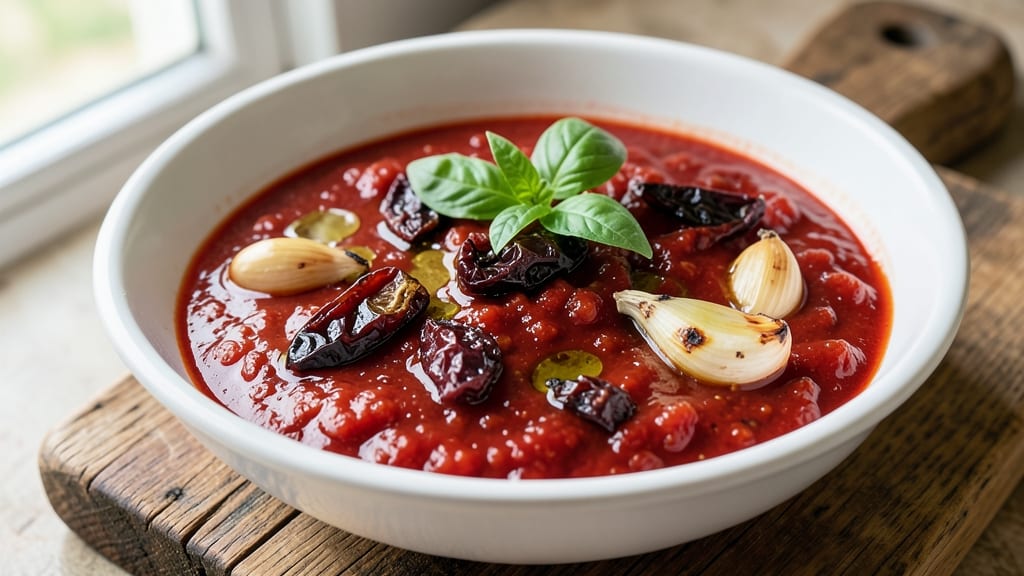
This authentic Italian arrabbiata sauce delivers the fiery, bright tomato heat that defines Roman cuisine—no shortcuts, just traditional technique.
The secret lies in balancing sun-dried tomatoes, fresh basil, and chili peppers with a touch of garlic and olive oil, simmered until the flavors meld into a vibrant, slightly spicy sauce that clings to every bite.
I've perfected this recipe over years of testing, ensuring the acidity and heat are perfectly balanced without overpowering the natural sweetness of the tomatoes.
The sauce begins with a slow simmer of canned tomatoes and sun-dried tomatoes, which deepens their flavor and reduces the sauce to a rich, concentrated consistency. A splash of red wine vinegar brightens the sauce, while fresh basil added at the end ensures that signature aromatic punch.
The chili peppers—traditionally 'nduja or crushed red pepper flakes—bring the heat, but you can adjust the spice level to suit your taste. This isn't just a sauce; it's a flavor bomb that transforms simple pasta, chicken, or even grilled vegetables into a restaurant-worthy dish.
What sets this arrabbiata apart is its authentic texture—smooth yet vibrant, with a slight tang that keeps your taste buds guessing. The sauce clings beautifully to al dente pasta, soaking in like a second skin, or drizzles over grilled meats for an instant flavor upgrade.
The key is patience: letting the sauce simmer until it thickens just enough to coat the back of a spoon without being gluey. This is the kind of sauce that makes you reach for the recipe again and again, because it tastes like it came straight from a Roman trattoria.
Ready to elevate your Italian cooking? This arrabbiata sauce is foolproof, with a method that ensures consistent results every time. Whether you're serving it over spaghetti, tossing it with roasted chicken, or using it as a marinade, the bold flavors will leave your guests asking for seconds.
Let's get started—your taste buds will thank you.
Ingredients for authentic italian arrabbiata sauce
Nine ingredients, bold Roman flavors—this arrabbiata brings the heat authentically.
| Ingredient | Amount | Notes |
|---|---|---|
| Canned San Marzano Tomatoes 🍅 | 28 oz | Crushed or diced, high quality |
| Sun-Dried Tomatoes 🍅 | ½ cup | Oil-packed, chopped finely |
| Extra-Virgin Olive Oil 🫒 | ⅓ cup | High quality, fruity |
| Garlic Cloves 🧄 | 4 cloves | Fresh, minced finely |
| Red Wine Vinegar 🍷 | 1 tbsp | For tangy brightness |
| Fresh Basil Leaves 🌿 | ⅓ cup | Packed, torn by hand |
| Crushed Red Pepper Flakes 🌶️ | 1 tsp | Adjust for heat preference |
| Salt 🧂 | 1 tsp | Diamond Crystal preferred |
| Black Pepper 🌶️ | ¼ tsp | Freshly ground |
| 'Nduja or Spicy Salami 🌭 | 1 oz | Optional, for depth (omit for vegetarian) |
The tomatoes are non-negotiable. San Marzano is the gold standard—sweet, meaty, and consistent. Grab a 28-oz can from Trader Joe's or your Italian market if you want to splurge. Sun-dried tomatoes? Oil-packed only—the ones in vinegar are too acidic. I always buy mine in a jar at Whole Foods; they're pricier but worth it for that deep, concentrated flavor. Fresh basil is a must—dried just won't cut it here. Look for vibrant green leaves with no browning at the stem ends. The olive oil should be extra-virgin, fruity, and preferably Italian. Colavita or Bertolli are solid choices if you're not sure what to grab.
No sun-dried tomatoes? Dried oregano at half the amount adds depth, but it's not the same. Short on basil? Fresh parsley at double the quantity works in a pinch, though it won't have that signature aroma. Want more heat? Add another 0.5 tsp red pepper flakes or swap in calabrian chili paste for a smoky kick. The 'nduja is optional but adds that authentic Roman funk—if you can't find it, spicy Italian sausage crumbled works. Red wine vinegar? Balsamic vinegar at half the amount gives a sweeter tang, but traditionalists will notice. The garlic needs to be fresh—jarred minced garlic has no flavor here.
This sauce tastes even better the next day as the flavors meld. Store in an airtight jar in the fridge for up to 5 days, or freeze in ice cube trays for 3 months. I always make a double batch—one for immediate use, one to freeze. The basil wilts fast, so add it fresh at the end if you're not using it right away. For serving, drizzle over al dente spaghetti or toss with grilled chicken. The sauce thickens as it cools, so you might need to thin it with a splash of water if it's too stiff when reheating.
Why You'll Love This Recipe
- No-Fuss Pantry Hero: I keep a can of San Marzano tomatoes and sun-dried tomatoes stocked just for this—no fresh basil to wilt, no last-minute grocery runs. The vinegar and garlic do all the heavy lifting while I stir, and honestly? That’s my kind of magic.
- Sun-Dried Tomato Magic: Between us, those plump sun-dried tomatoes turn this sauce from good to dangerously addictive. They melt into the oil like little flavor bombs, giving it that deep, briny sweetness that makes you want to eat it straight from the pot. (Yes, I’ve been there.)
- Weeknight to Weekend: This sauce works just as well tossed over spaghetti on a Tuesday as it does drizzled on grilled chicken for Sunday dinner. Freeze half for when you’re too tired to cook—just thaw and reheat. My lazy-but-loved go-to.
- Budget-Friendly Fire: A single can of tomatoes and a few cloves of garlic stretch to feed four, with leftovers that taste even better the next day. That red wine vinegar? It’s the secret weapon that makes this sauce sing without breaking the bank. (And yes, it’s cheaper than takeout.)
Step-by-step instructions for authentic Italian arrabbiata sauce
Let's create a sauce that captures the bold, fiery spirit of Rome's classic arrabbiata.
Sauté Garlic in Olive Oil Until Fragrant
Heat the 0.33 cup extra-virgin olive oil in a heavy-bottomed saucepan over medium-low heat. Add the 4 cloves minced garlic and cook for 1-2 minutes, stirring constantly, until the garlic becomes golden and releases its aromatic oils. You'll notice the kitchen filling with that irresistible garlic scent—this is your cue that it's ready for the next step.
Watch the heat carefully here. Garlic burns quickly, and you want it to perfume the oil without turning bitter. If it starts to darken too quickly, reduce the heat slightly. The oil should shimmer gently, but not smoke—this ensures we preserve the delicate garlic flavor rather than letting it turn acrid.
Add Tomatoes and Simmer for Deep Flavor
Pour in the 28 oz canned San Marzano tomatoes and stir to combine with the garlic oil. Add the 0.5 cup finely chopped sun-dried tomatoes, 1 tbsp red wine vinegar, and 1 tsp crushed red pepper flakes. Bring the mixture to a gentle simmer over medium heat, then reduce to low heat and let it cook uncovered for 20 minutes.
This simmering time is crucial—it allows the tomatoes to break down and develop their natural sweetness while the vinegar brightens the acidity. Stir occasionally to prevent sticking, and taste after 10 minutes. You'll notice the flavors melding together, with the sun-dried tomatoes adding a deep, concentrated tomato taste and the red pepper flakes building that signature fiery heat.
Season and Incorporate Optional 'Nduja
Season the sauce with 1 tsp salt and 0.25 tsp freshly ground black pepper. If using the 1 oz 'nduja or spicy salami, remove the casing and crumble it into the sauce now. Stir well to distribute the salty, spicy fat evenly throughout. Let the sauce continue simmering for another 5 minutes to allow the 'nduja to melt and infuse its bold flavor.
This is where the sauce starts to come together. The 'nduja adds a complex, slightly funky depth that balances the tomato's acidity. If you're making a vegetarian version, skip this step or substitute with a pinch of smoked paprika for a similar earthy note. The sauce should now have a rich, vibrant color and a tantalizing aroma that makes your kitchen smell like a Roman trattoria.
Finish with Fresh Basil and Adjust Seasoning
Remove the sauce from heat and stir in the 0.33 cup torn fresh basil leaves. Let it steep for 5 minutes to infuse the basil's bright, sweet flavor. Taste and adjust the seasoning if needed—you might want to add a bit more salt or red pepper flakes to achieve that perfect balance of sweet, tangy, and fiery.
The basil adds a crucial freshness that cuts through the richness of the tomatoes and the heat from the red pepper. The sauce should now have a vibrant green flecking from the basil and a glossy sheen from the olive oil. This is your authentic Italian arrabbiata—bold, bright, and full of character.
Serve Immediately Over Pasta
Serve the sauce immediately over al dente spaghetti, tossing it generously to coat each strand. The heat from the pasta will help distribute the sauce evenly. For the best experience, serve with a sprinkle of additional fresh basil and a drizzle of the reserved pasta water if the sauce seems too thick.
Each bite should deliver that perfect combination of sweet tomatoes, bright acidity, and fiery heat with a fresh basil finish. The sauce should cling beautifully to the pasta, creating a rich, flavorful coating with every forkful. This is the sauce that makes arrabbiata so special—simple ingredients transformed into something truly extraordinary.
Pro Tips For Making Authentic Italian Arrabbiata Sauce
- Sear the Garlic: Hit the garlic with a sharp knife first—mash those cloves flat so they brown evenly instead of rolling around like drunk marbles. I used to skip this, and half the time, the sauce ended up tasting like raw garlic punch.
- Soak Sun-Dried Tomatoes: Toss those oil-packed sun-dried tomatoes in warm water for 10 minutes before adding them to the sauce. They’ll soften and release their flavor instead of sitting like chewy, flavorless bricks—trust me, it’s a game-changer.
- Simmer, Don’t Boil: Keep the heat low enough that the sauce bubbles gently, not violently. I learned this the hard way when my arrabbiata turned into a watery, sad soup—now I watch for tiny, steady bubbles and adjust as needed.
- Deglaze with Vinegar Early: Add the red wine vinegar right after the garlic hits the pan—it cuts through the oil and lifts the caramelized bits before they burn. Skip this, and you’ll be scraping charred garlic off the bottom like a frustrated archaeologist.
Creative variations of this dish
Roman vs. Sicilian
Traditional arrabbiata hails from Rome, where it's all about bright acidity and a touch of heat. My Roman version relies on San Marzano tomatoes and red wine vinegar for that signature tang.
In Sicily, however, you'll find a thicker, slightly sweeter take using San Marzano tomatoes simmered longer with dried porcini mushrooms for umami depth. The Sicilian version often skips the sun-dried tomatoes but adds a pinch of cinnamon for warmth. 🌶️
Vegetarian Adaptations
For a meat-free version, skip the 'nduja and boost umami with 1 tbsp soy sauce or 1 tsp miso paste stirred in during simmering. I also add 2 tbsp tomato paste to deepen the flavor.
For extra richness, stir in 1 tbsp nutritional yeast at the end—it mimics the savory depth of meat without overpowering the tomato base. The sauce still delivers that fiery kick while being completely plant-based.
Spicy Variations
Want more heat? Swap the crushed red pepper flakes for Calabrian chili paste—just 1 tsp adds smoky depth and serious spice. For a smoky twist, add ½ tsp smoked paprika with the red pepper flakes.
If you love ghost peppers, mash ½ a dried ghost pepper into the sauce (wear gloves!) for a slow-building burn. Always taste as you go—arrabbiata should be fiery but balanced, not overwhelming.
Winter vs. Summer
In winter, I thicken the sauce by simmering it uncovered for 30 minutes instead of 20, letting the liquid reduce naturally. For summer, I keep it lighter by adding ¼ cup reserved pasta water at the end to maintain a silky, clingy consistency.
Summer versions also benefit from a splash of white wine (replace half the vinegar) to brighten the flavors without adding heat. The summer sauce is perfect for quick pasta dishes or as a marinade for grilled vegetables.
Gluten-Free Twist
This sauce is naturally gluten-free, but you can enhance its depth with 1 tbsp gluten-free tomato paste for extra richness. For a nutty note, stir in 1 tbsp toasted pine nuts at the end—this works surprisingly well with the basil and sun-dried tomatoes.
Always check your crushed red pepper flakes label to ensure they're certified gluten-free, as some brands process in shared facilities. The gluten-free version tastes just as vibrant and bold as the original.
Freezer-Friendly Adaptations
For freezing, add 1 extra tbsp olive oil to prevent the sauce from separating. I freeze it in ice cube trays for easy portioning—just thaw and reheat with a splash of water. The frozen version loses some brightness, so I always add extra fresh basil when reheating.
For a smoother texture after thawing, blend for 10 seconds before serving. The sauce keeps its fiery kick but gains a slightly thicker consistency after freezing, perfect for hearty winter meals.
Nutrition facts
Frequently asked questions
Why does authentic arrabbiata sauce need sun-dried tomatoes?
Sun-dried tomatoes add concentrated sweetness and depth that canned tomatoes alone can't match. Their oil-packed texture breaks down during simmering, creating a rich, umami base that balances the sauce's acidity and heat. Without them, the sauce would taste flatter and less complex.
Can I make arrabbiata sauce without fresh basil?
Fresh basil is essential for that signature aromatic punch, but you can substitute with 1 tbsp dried basil if needed. For a similar effect, add 1 tbsp fresh parsley at the end—though it won't have the same floral notes. The sauce will still taste great, just with a slightly different herbal profile.
How do I adjust the heat level in this sauce?
Start with the 1 tsp crushed red pepper flakes and taste as you go. For more heat, add another 0.5 tsp or swap in 1 tsp Calabrian chili paste for smoky depth. If it's too spicy, balance it with a pinch of sugar or more fresh basil. Always taste before serving!
What's the best pasta to serve with arrabbiata sauce?
Traditional arrabbiata pairs best with al dente spaghetti or linguine—their long strands help distribute the sauce evenly. For extra texture, try bucatini or rigatoni. Avoid thick, chewy pastas like penne, as they can overpower the sauce's bright flavors.
Can I make this sauce ahead of time?
Yes! This sauce tastes even better the next day as flavors meld. Store in an airtight container in the fridge for up to 5 days. For long-term storage, freeze in ice cube trays—thaw and reheat with a splash of water. The texture may thicken slightly when reheated, so stir in pasta water if needed.