
Sauces & Condiments
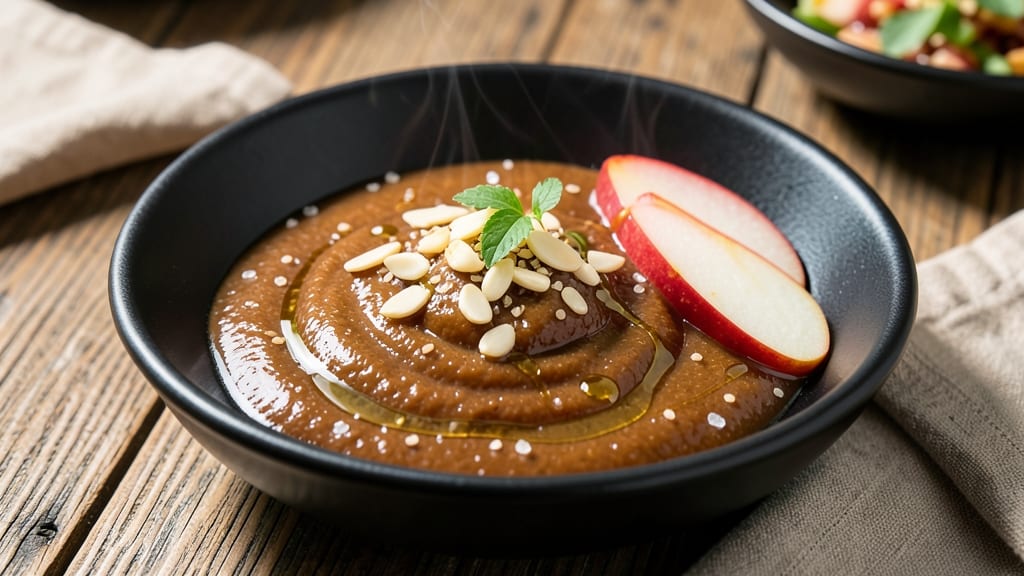
This authentic gochujang sauce recipe delivers the bold, fermented depth that defines Korean cuisine—spicy, sweet, and umami-rich in a single, versatile sauce. 🌟 The secret lies in balancing gochujang’s natural heat with vinegar’s tang and sugar’s caramelized notes, creating a sauce that elevates everything from grilled meats to noodles.
Traditional techniques ensure authenticity without shortcuts, so every spoonful tastes like a Korean kitchen.
The foundation is simple: fermented gochujang paste, rice vinegar, and sugar form the core, while garlic and sesame oil add aromatic layers. Unlike store-bought versions, this recipe builds flavor gradually—simmering until the sauce thickens just enough to cling to food without overwhelming it.
The result? A sauce that’s restaurant-quality but requires only 15 minutes of active time.
What makes this sauce truly special is its versatility. Use it as a marinade for tofu or chicken, a dipping sauce for dumplings, or a glaze for grilled vegetables. The balance of heat and sweetness adapts to any dish while keeping the authentic Korean soul intact.
Once made, it stores for up to 2 weeks in the fridge, so you’ll always have bold flavor on hand.
For authenticity, toast the garlic lightly before adding it—this deepens its flavor without burning. If you prefer less heat, reduce the gochujang slightly, but never skip the vinegar; it’s the key to cutting through the richness.
This sauce isn’t just a condiment—it’s a flavor multiplier that transforms simple meals into something extraordinary.
Ingredients for authentic gochujang sauce
Nine core ingredients transform into a restaurant-quality sauce with Korean soul.
| Ingredient | Amount | Notes |
|---|---|---|
| Gochujang Paste 🌶️ | ½ cup | Korean fermented chili bean paste |
| Rice Vinegar 💧 | ⅓ cup | White or seasoned variety |
| Granulated Sugar 🍚 | ¼ cup | Light brown sugar for depth |
| Garlic Cloves 🧄 | 4 whole | Lightly toasted for aroma |
| Sesame Oil 🫒 | 1 tbsp | Toasted sesame oil preferred |
| Asian Pear or Apple 🍎 | ½ cup | Grated for natural sweetness |
| Low-Sodium Soy Sauce 🥢 | 1 tbsp | Korean or Japanese preferred |
| Water 💧 | ¼ cup | Adjust for desired consistency |
| Toasted Sesame Seeds 🌰 | 1 tsp | For garnish and texture |
| Diamond Crystal Kosher Salt 🧂 | ¼ tsp | To balance flavors |
The gochujang is non-negotiable—Maesil Gochujang or Bukchon from Korean markets deliver authentic depth, but Hanjin at Trader Joe's works in a pinch. Look for vibrant red color and a slightly sticky texture, signs of proper fermentation. If your local store lacks Korean aisles, Amazon or specialty Asian grocers like H Mart carry reliable brands. The rice vinegar should be crisp and clear; Koyo or Mushroom Town are excellent choices, but any white vinegar in a pinch. Toast the garlic in sesame oil for 30 seconds until fragrant—this step unlocks layers of flavor that raw garlic can't match.
No gochujang? Substitute 2 tbsp tomato paste + 1 tsp chili flakes for heat, but you'll lose the umami complexity. Swap Asian pear for apple if unavailable, though pear's natural sweetness is ideal. Sesame oil can be omitted if you dislike its nutty aroma, but the sauce will taste flatter. For less heat, reduce gochujang to 3 tbsp and add 1 tsp honey (or maple syrup for vegan). The soy sauce adds saltiness—Kikkoman or Lee Kum Kee work universally, though Korean soy sauce (ganjang) deepens authenticity. If the sauce thickens too much, water or rice vinegar thins it perfectly without altering flavor.
Store in a sterilized glass jar with a tight seal in the fridge for up to 2 weeks, where flavors meld beautifully. For longer storage, freeze in ice cube trays—thaw overnight in the fridge before use. The sauce thickens as it cools, so reheat gently with 1 tsp water if needed. Garnish with toasted sesame seeds just before serving to preserve their crunch. This sauce doubles as a marinade, so make extra—it's worth the effort for grilled meats, noodles, or dumplings where every bite needs that authentic Korean punch.
Why You'll Love This Recipe
- Five-Ingredient Magic: I swear by this combo—gochujang’s deep umami, the bright tang of rice vinegar, and just a touch of sugar to balance the heat. No fancy techniques, just stir and taste.
- Umami Bomb: That first spoonful of gochujang paste alone is worth it, but add minced garlic and sesame oil? Suddenly everything—pancakes, grilled meats, even eggs—tastes like a Korean street food dream.
- Weeknight Swiss Army: Drizzle it over fried rice, toss it with noodles, or use it as a marinade. Honestly, I’ve even slathered it on toast when I’m lazy. It’s the one sauce that turns boring meals into something special.
- No-Waste Winner: A small jar of gochujang goes a long way, and this recipe makes enough to batch for the week. Between us, I’ve had leftovers last me three days—no takeout needed. Budget-friendly? Absolutely.
Step-by-step instructions for authentic gochujang sauce
This method captures the fermented complexity of Korean cuisine with precise technique.
🍳 Step 1: Toast Garlic for Depth of Flavor
Heat a dry skillet over medium heat and add the 4 whole garlic cloves unpeeled. Toast for 3-4 minutes until the skins turn golden brown and you smell their nutty aroma. This dry toasting prevents bitterness and intensifies their sweetness.
Remove the garlic from heat and let cool for 2 minutes before peeling. The skins should slip off easily now. I like to keep the garlic whole until the last moment to preserve their concentrated flavor—don't mince them yet. This step is where the sauce gets its authentic umami foundation.
🍳 Step 2: Build the Base with Gochujang and Aromatics
In a medium saucepan, combine the 0.5 cup gochujang paste, 0.33 cup rice vinegar, and 0.25 cup granulated sugar. Stir over low heat for 3 minutes until the sugar dissolves completely and the mixture becomes smooth. This creates the balanced sweet-spicy base that defines authentic gochujang sauces.
Add the peeled garlic cloves and 1 tbsp sesame oil, stirring constantly. The sesame oil should coat the back of a spoon—this ensures proper emulsification later. Watch carefully as the gochujang deepens in color and releases its signature fermented aroma. Don't let it boil; we're building layers of flavor, not reducing yet.
🍳 Step 3: Incorporate Sweetness and Acid
Grated 0.5 cup Asian pear or apple (I use a microplane for fine texture) and add it to the saucepan. Stir in the 1 tbsp low-sodium soy sauce and 0.25 tsp diamond crystal kosher salt. The pear adds natural sweetness that complements the gochujang's heat while preventing the sauce from becoming too sharp.
Bring the mixture to a gentle simmer over medium-low heat. You'll notice the sauce thicken slightly as the pear releases its juices. This is the moment where all the flavors meld—let it cook for 5-6 minutes until the pear is completely tender and the sauce coats the back of a spoon smoothly. Taste and adjust the salt if needed; the soy sauce provides some saltiness, but the gochujang needs careful balancing.
⏰ Step 4: Finish with Water and Texture
Reduce heat to low and gradually whisk in the 0.25 cup water. This creates the perfect consistency—thick enough to coat but still pourable. The water also helps distribute the gochujang's fermented compounds evenly throughout the sauce. Stir continuously for 2 minutes until the sauce reaches a glossy, velvety texture.
Remove from heat and let it rest for 5 minutes. This resting period allows the flavors to fully integrate. The sauce should now have a perfect balance of sweet, spicy, umami, and tangy notes. If it's too thick, add water 1 teaspoon at a time until it reaches your desired consistency. For extra authenticity, strain through a fine-mesh sieve to remove any garlic skins or fruit fibers if you prefer a completely smooth texture.
🥘 Step 5: Garnish and Serve
Transfer the sauce to a serving bowl and drizzle with the 1 tbsp sesame oil reserved earlier. Sprinkle with 1 tsp toasted sesame seeds and serve immediately. The sesame seeds add both visual contrast and nutty crunch that complements the sauce's smooth texture.
This sauce pairs perfectly with grilled meats, rice dishes, or as a dipping sauce for dumplings. The authentic balance of flavors comes from respecting each ingredient's role—the gochujang's fermented depth, the pear's natural sweetness, and the garlic's aromatic complexity. Each component must be handled with care to achieve that signature Korean restaurant quality.
Pro Tips For Making Authentic Gochujang Sauce
- Bloom the Garlic First: I used to just toss minced garlic into the sauce and wonder why it tasted bitter. Instead, heat your garlic in the pan with a splash of sesame oil for 30 seconds until it’s fragrant but not brown—just enough to wake up those flavors. This keeps the sauce bright and stops the garlic from turning acrid.
- Low and Slow for Balance: Skip the high heat rush—gochujang burns faster than you think. Simmer the sauce on medium-low for 5–7 minutes, stirring often, until it thickens just enough to coat the back of a spoon. This lets the sugar caramelize gently without scorching the paste.
- Use Raw Vinegar, Not Cooked: I learned this the hard way—adding rice vinegar at the end keeps its tang sharp. If you simmer it too long, it turns dull and loses that clean acidity that cuts through the richness of the gochujang. Stir it in last, then taste and adjust.
- Toast the Sugar Separately: For a deeper flavor, dry-toast 1 tablespoon of sugar in the pan for 30 seconds until it’s golden and smells like caramel before adding the rest. This adds a subtle smokiness that elevates the sauce without overpowering it—especially if you’re using a mild gochujang. (Yes, even if you’re impatient like me.)
Serving suggestions for this authentic gochujang sauce
Grilled Meats Magic
This sauce transforms simple grilled meats into a showstopper. Brush 2 tbsp of sauce onto pork belly slices or chicken thighs before grilling, then baste with extra sauce during the last 3 minutes of cooking.
The caramelized sugars in the sauce create a sticky glaze that locks in moisture and adds depth. For extra drama, finish with toasted sesame seeds and sliced green onions. 🔥
Noodle Game-Changer
Stir 1 tbsp sauce into 4 servings of cooked ramen or udon noodles just before serving. The gochujang's umami cuts through the richness of fatty broths, while the sweetness balances the noodles' chew.
For a cold noodle salad, toss 8 oz chilled soba noodles with 2 tbsp sauce, 1 tbsp rice vinegar, and ½ cup shredded cucumber. The acidity in the sauce preserves the noodles' texture perfectly.
Dumpling Dip Dream
Serve warm mandu (Korean dumplings) or gyoza with this sauce as a dipping sauce. Mix 3 tbsp sauce with 1 tbsp toasted sesame oil and a splash of water to thin slightly.
The sauce's balance of heat and sweetness makes each bite irresistible. For a crowd-pleaser, set up a small bowl of sauce with chopsticks and a side of kimchi for dipping contrast. 🥟
Rice Bowl Elevator
Turn steamed rice into a flavor explosion by mixing 1 tbsp sauce with 1 tbsp sesame oil and spreading it over 1 cup cooked jasmine rice. Top with grilled shrimp, quick-pickled cucumbers, and a fried egg.
The sauce's fermented notes elevate every ingredient, creating a one-bowl meal that tastes like a Korean restaurant. For extra richness, drizzle with a little gochujang-infused oil (simmer 2 tbsp gochujang with ½ cup oil for 2 minutes).
Vegetable Glaze
Use this sauce as a glaze for roasted or grilled vegetables. Toss bell peppers, eggplant slices, or mushrooms with 2 tbsp sauce and roast at 400°F for 15-20 minutes until caramelized.
The sauce's sweetness caramelizes beautifully, creating a sticky, flavorful crust. Serve with steamed rice or as a side to grilled fish. The sauce's heat wakes up mild vegetables, making them unforgettable. 🌱
Breakfast Star
Elevate your morning with this sauce on Korean-style fried rice or congee. Stir 1 tbsp sauce into 2 cups fried rice along with 1 tbsp soy sauce and 1 tsp sesame oil.
For congee, drizzle 2 tbsp sauce over the top and garnish with soft-boiled egg and green onions. The sauce's complexity turns simple breakfasts into a flavor adventure. For a spicy kick, add a dash of gochugaru (Korean chili flakes) on top.
Nutrition facts
Frequently asked questions
Can I make this sauce without Asian pear?
Yes! Swap the Asian pear for ½ cup grated apple or ¼ cup honey/maple syrup to maintain sweetness. For extra depth, add 1 tsp grated ginger or 1 tbsp orange juice—both work well in Korean sauces. The pear's natural pectin helps thicken the sauce, so if using fruit substitutes, you may need to simmer 1-2 extra minutes to achieve the same consistency.
How spicy will this sauce be?
The heat level depends on your gochujang—most Korean brands range from medium to hot. For milder heat, reduce gochujang to ¼ cup and add 1 tsp honey. If you love spice, increase to ⅔ cup and add ½ tsp gochugaru (Korean chili flakes) at the end. Always taste before serving!
Can I make this sauce vegan?
This recipe is already vegan-friendly—just ensure your gochujang doesn't contain fish sauce (check labels). For extra richness, add 1 tbsp coconut aminos instead of soy sauce. The sauce's umami comes from the fermented gochujang and garlic, so no animal products are needed. Store-bought gochujang is typically vegan, but homemade versions might include anchovies.
Why does my sauce look too thin?
Sauce thickness depends on cooking time and fruit reduction. If too thin, simmer uncovered for 3-5 extra minutes to evaporate moisture. For immediate thickening, mix 1 tsp cornstarch with 1 tbsp water, stir into the sauce, and cook for 1 minute. Avoid over-reducing—authentic Korean sauces should coat the back of a spoon but remain pourable.
How long will this sauce keep?
Store in a clean glass jar in the fridge for up to 2 weeks, where flavors deepen over time. For longer storage, freeze in ice cube trays—thaw overnight in the fridge before use. The sauce's acidity (from vinegar) helps preserve it, but always check for mold or off smells before using. Label with the date to track freshness!