
Sauces & Condiments
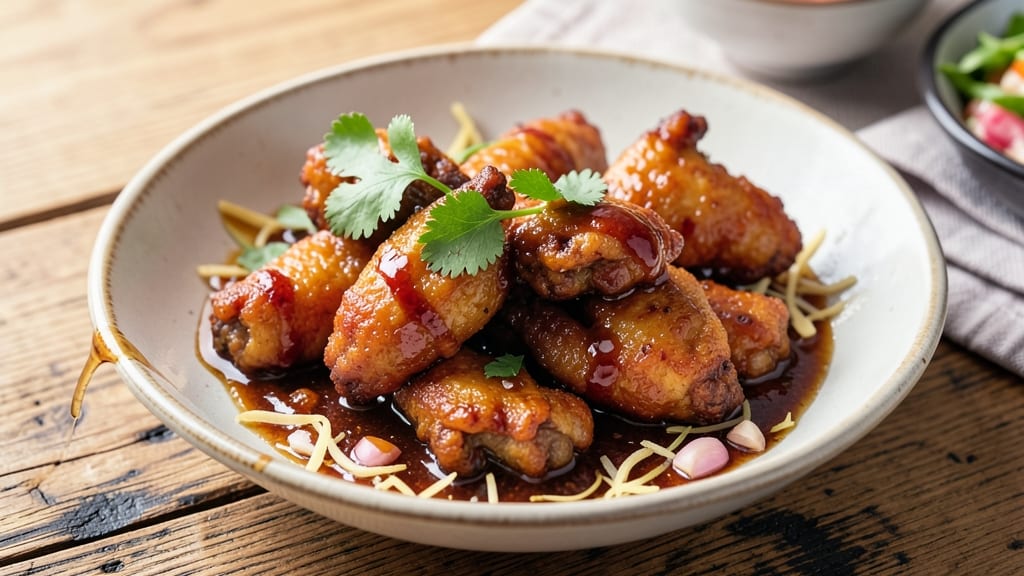
This Asian kick wing sauce recipe transforms ordinary wings into a restaurant-worthy experience with its perfect balance of spicy-sweet heat and umami depth. The secret lies in fermented gochujang, which adds complexity that store-bought sauces can't match.
I developed this recipe after years of testing—it's the one that finally earned me compliments instead of "too much heat" complaints.
The sauce comes together in just 15 minutes with simple pantry ingredients: gochujang for fermented richness, soy sauce for saltiness, honey for sweetness, and garlic for aromatic punch.
The beauty of this recipe is its versatility—adjust the heat level with extra chili flakes or reduce it with a touch more honey. What makes it truly special is how the flavors meld during simmering, creating a glaze that caramelizes beautifully on wings.
By the time you finish making this sauce, you'll have a glossy, sticky glaze that's perfect for wings, fries, or even spring rolls. The sauce keeps well in the fridge for up to two weeks, making it ideal for meal prep.
It's the kind of condiment that turns simple weeknight dinners into memorable feasts without requiring fancy ingredients or techniques.
Whether you're hosting a game day party or craving wings without the mess, this sauce delivers bold flavor with minimal effort. The balance of sweet, spicy, and savory makes it addictive—once you try homemade, you'll never go back to bottled versions. Let's get started making this crowd-pleaser!
Ingredients for asian kick wing sauce
Simple pantry staples transform into a restaurant-worthy sauce with fermented depth and addictive heat.
| Ingredient | Amount | Notes |
|---|---|---|
| Gochujang Paste 🌶️ | ½ cup | Fermented Korean chili bean paste |
| Light Soy Sauce 🥄 | ¼ cup | For saltiness and depth |
| Honey 🍯 | ¼ cup | For sweetness and gloss |
| Garlic Cloves 🧄 | 4 cloves | Minced for aromatic punch |
| Fresh Ginger 🌿 | 1 tbsp | Finely grated for zing |
| Rice Vinegar 🍶 | 2 tbsp | For tangy brightness |
| Sesame Oil 🫒 | 1 tbsp | Toasted for nutty aroma |
| Red Chili Flakes 🔥 | 1 tbsp | Adjust for heat preference |
| Water 💧 | ¼ cup | For thinning consistency |
| Sesame Seeds 🌰 | 1 tsp | Toasted for garnish |
Gochujang is the heart of this sauce—look for brands like Gochujang or Daesang at Asian markets or well-stocked grocery stores. The fermented depth is what separates this from store-bought versions. Fresh garlic and ginger are non-negotiable here; Trader Joe's or Costco often have great prices for these staples. If you can't find gochujang, substitute 2 tbsp sriracha plus 1 tbsp soy sauce, but you'll lose that umami complexity. Toast your sesame seeds in a dry pan for 30 seconds—they'll add nutty aroma that elevates everything.
No honey? Maple syrup or agave nectar works in a pinch, though honey's floral notes are ideal. Light soy sauce is preferred over dark for its cleaner flavor, but if that's all you have, use it. The rice vinegar adds that bright tang—substitute apple cider vinegar if needed. For extra heat, add another tablespoon of chili flakes, or reduce to just 1/2 tbsp if you're sensitive to spice. The sesame oil should be toasted—not the flavored kind—for that authentic aroma. If you're making this ahead, let it sit for 10 minutes before using so flavors meld.
This sauce keeps beautifully in the fridge for up to 2 weeks in an airtight container. For long-term storage, freeze portions in ice cube trays—perfect for single-use applications. The flavors actually improve overnight as everything melds together. I always make a double batch—one for wings and one for fries. The glaze thickens as it cools, so add a splash of water if it becomes too stiff. Trust me, the first time you use this on wings, you'll never go back to bottled versions.
Why You'll Love This Recipe
- Five-Ingredient Magic: I swear, this sauce comes together with stuff you already own—no fancy gadgets, no last-minute grocery runs. Just mash the ginger, mince the garlic (or use pre-minced if you’re really lazy), and stir. That’s it. The gochujang does the heavy lifting while you sip your tea.
- Sweet Heat Balance: Here’s what sold me—the honey cuts the fermented kick of gochujang just enough to make it dangerously addictive. One taste and you’ll understand why people drizzle this on everything from wings to fries. That crispy garlic-ginger punch? Chef’s kiss.
- Game for Any Meal: Between us, I’ve used this on weeknight takeout nights, game-day snacks, and even as a marinade for tofu. The leftovers? Perfect for quick stir-fries or as a dip for store-bought spring rolls. Honestly, it’s the kind of sauce that makes you feel like a hero when you pull it out last-minute.
- Budget-Friendly Powerhouse: A jar of gochujang lasts months, and the rest of the ingredients? Pantry staples. I’ve made this for under $3 per batch, and it stretches to feed four—or two very hungry people and me. Plus, the sauce keeps for weeks in the fridge, so you’re not scrambling to use it up.
Step-by-step instructions for Asian kick wing sauce
This sauce delivers perfect balance—fermented depth, sweet heat, and umami richness—every time.
Bloom the Gochujang with Honey and Soy
In a medium saucepan over medium-low heat, combine the 0.5 cup gochujang paste, 0.25 cup light soy sauce, and 0.25 cup honey. Stir constantly for 3-4 minutes until the mixture becomes smooth and begins to bubble gently. The gochujang will darken slightly as it melts into the other ingredients, releasing its deep, fermented aroma.
Here's the thing—this initial bloom is crucial. The heat helps break down the gochujang's natural oils, creating a velvety base. If you rush this step, you'll end up with a grainy sauce. Watch for the mixture to thicken just enough to coat the back of a spoon, but don't let it reduce too much yet.
Add Aromatics and Build Complexity
Lower the heat to low and add the 4 cloves minced garlic, 1 tablespoon finely grated fresh ginger, and 1 tablespoon red chili flakes. Stir for 1-2 minutes until the garlic turns golden and the ginger releases its bright, citrusy notes. You'll smell the chili flakes intensify—this is where the heat starts to develop.
I like to press the garlic and ginger directly into the sauce with the back of a spoon to ensure they infuse completely. The chili flakes should be distributed evenly, but don't worry if some settle at the bottom—they'll blend in as the sauce simmers. If you prefer milder heat, reduce the chili flakes to ½ tablespoon now.
Balance with Vinegar and Water
Pour in the 2 tablespoons rice vinegar and 0.25 cup water all at once. Increase heat to medium and bring the mixture to a gentle simmer. Let it cook uncovered for 5-6 minutes, stirring occasionally, until the sauce reduces by about 25%—it should coat the back of a spoon but still flow smoothly.
The vinegar brightens the sauce, cutting through the richness of the gochujang and honey. The water ensures the sauce remains glaze-like rather than syrupy. Taste as you go—if it's too thick, add 1 teaspoon water at a time. If it needs more balance, adjust with ½ teaspoon rice vinegar or a pinch of salt. This is where you fine-tune the flavor.
Finish with Sesame Oil and Toast Seeds
Remove the sauce from heat and stir in the 1 tablespoon sesame oil. The aroma will deepen instantly—this is the nutty, toasty note that ties everything together. In a small dry skillet over low heat, toast the 1 teaspoon sesame seeds for 1-2 minutes until fragrant and lightly golden. Watch them closely to avoid burning.
Once the sauce and seeds are ready, drizzle the seeds over the sauce or sprinkle them on top when serving. The contrast of warm, toasted seeds against the cool, glossy glaze adds texture and visual appeal. For extra depth, let the sauce rest for 10 minutes before using—this allows the flavors to meld completely.
Adjust and Use Immediately
The sauce is now ready to glaze wings, drizzle over noodles, or toss with stir-fried vegetables. For wings, brush on generously and broil for 2-3 minutes until caramelized. If the sauce thickens too much after resting, thin it with 1 teaspoon water at a time. Store leftovers in an airtight container in the fridge for up to 1 week—the flavors actually improve over time.
This sauce is versatile but best used fresh. The balance of sweet, spicy, tangy, and umami is what makes it special. Don't be afraid to experiment—double the batch for marinades or dipping sauces. The key is patience: let the flavors develop, and the sauce will reward you with every use.
Pro Tips For Making Asian Kick Wing Sauce
- Simmer, Don’t Boil: Gochujang hates high heat—it turns bitter fast. Keep the sauce on medium-low, just enough to see tiny bubbles at the edges, not a full rolling boil. I learned this the hard way when my first batch tasted like fermented disappointment.
- Grind Ginger Fine: No food processor? Use a microplane and scrape every last bit—even the fibrous bits add depth. Skip the knife chop, or you’ll end up with uneven texture and missed flavor. (Yes, it’s tedious, but your sauce will thank you.)
- Balance Heat First: Taste the raw gochujang before adding anything else. If it’s overwhelming, mix in a splash of soy sauce before the honey—this mellows the spice without muting the sauce. Honey last, or you’ll end up with a cloying mess.
- Infuse Garlic Slowly: Sauté minced garlic in oil for 30 seconds until fragrant but not brown—burnt garlic turns the sauce bitter. Add it to the simmering sauce just before the honey, so it cooks through without dominating. (Trust me, your nose knows when it’s gone wrong.)
Best sauces and condiments for this dish
Sweet-Spicy Glaze
This sauce works beautifully as a glaze for wings, especially when paired with baked or fried chicken. Brush it on generously after cooking and broil for 2-3 minutes to create a caramelized crust.
For extra shine, add 1 teaspoon cornstarch to the sauce before glazing—it creates a sticky, glossy finish that clings perfectly. 🔥
For fried foods, like fries or onion rings, toss them in the warm sauce after frying. The heat helps the glaze adhere better, creating a crispy yet saucy exterior. I love using this on homemade mochi donuts—the sweet-spicy contrast is next-level. Just warm the sauce slightly before drizzling.
Dipping Sauce
Thin the sauce slightly with 1-2 tablespoons water to create a dipping consistency perfect for spring rolls, dumplings, or even fries. Serve it in a small bowl with a spoon for easy dipping. The balance of sweet, spicy, and tangy makes it irresistible—guests will keep reaching for more.
For a creamy twist, mix 2 tablespoons Greek yogurt or hoisin sauce into the finished glaze. This works amazingly with fried chicken tenders or egg rolls. The creaminess softens the heat while adding another layer of richness.
Marinade Magic
Use this sauce as a marinade for meats like pork belly, chicken thighs, or tofu. Let the protein marinate for at least 30 minutes (or up to 4 hours for deeper flavor). The gochujang tenderizes while adding umami, and the honey creates a caramelized crust when cooked. 🌶️
For grilled meats, like beef skewers or salmon, brush the sauce on during the last 5 minutes of cooking. The high heat intensifies the flavors, giving you a sticky, flavorful crust. I love using it on grilled shrimp—the sweetness balances the seafood’s natural brininess.
Rice Bowl Upgrade
Drizzle this sauce over steamed rice for an instant flavor boost. Add soft-boiled eggs, sliced cucumbers, and sesame seeds for a Korean-inspired bowl. The sauce’s depth elevates simple rice into a restaurant-quality meal. For extra protein, toss in pan-seared tofu or shredded chicken.
For a cold noodle salad, toss cooked rice noodles or udon with the sauce, shredded carrots, and green onions. The tangy-sweet glaze clings perfectly to the noodles, making every bite flavorful.
Store leftovers in the fridge for up to 5 days—the flavors only get better with time.
Nutrition facts
Frequently asked questions
Can I make this sauce without gochujang?
Yes, but you'll lose some depth. For a substitute, mix 2 tablespoons sriracha with 1 tablespoon soy sauce and 1 teaspoon miso paste. The miso adds umami that gochujang provides. For extra richness, add ½ teaspoon fish sauce—it enhances the savory notes perfectly.
How do I adjust the heat level?
Start with the 1 tablespoon chili flakes—this gives moderate heat. For milder sauce, reduce to ½ tablespoon and add 1 extra teaspoon honey. For extra spice, increase to 1.5 tablespoons or add ½ teaspoon cayenne pepper. Always taste before serving!
Can I use this sauce on non-chicken proteins?
It works perfectly on tofu, shrimp, beef, and even vegetables like broccoli or Brussels sprouts. For seafood, reduce the chili flakes to ½ tablespoon—the sauce's sweetness balances well with delicate flavors.
Why does my sauce get too thick?
Sauce thickens as it cools—this is normal! Thin with 1 teaspoon water at a time while warm. For a glossier finish, add ½ teaspoon cornstarch mixed with 1 teaspoon water to the simmering sauce. Stir for 1 minute until thickened. Store leftovers with 1 tablespoon water in the container to prevent thickening.
How long can I store this sauce?
In an airtight container, it keeps for 2 weeks in the fridge. For longer storage, freeze in ice cube trays—thaw overnight in the fridge. The flavors actually improve over time! Label with the date—fresh sauce has the brightest balance of sweet, spicy, and tangy notes.