
Sauces & Condiments
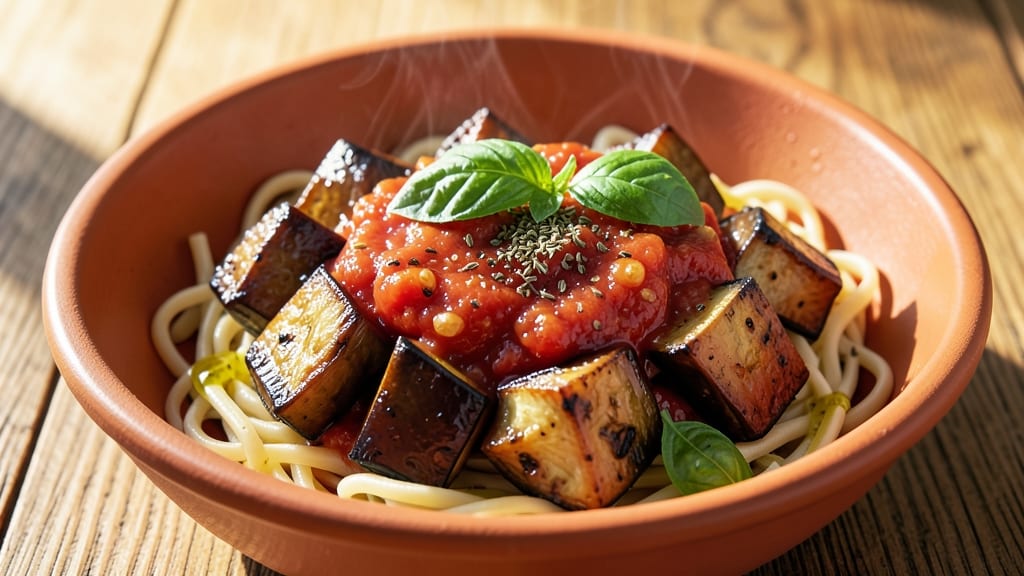
This aubergine pasta sauce recipe transforms humble eggplant into a velvety, smoky masterpiece that clings to every strand of pasta. The secret lies in slow-roasting eggplant until caramelized, then blending it with tomatoes and garlic into a rich, umami-packed sauce that's both creamy and complex.
What starts as a simple vegetable becomes the star of your plate, delivering depth without overpowering other flavors.
The process is straightforward but rewarding: char the eggplant for smoky intensity, then simmer it with crushed tomatoes, herbs, and a touch of sweetness to balance the earthiness. Unlike chunky sauces, this version blends smoothly for a luxurious texture, though you can adjust for rustic bites if preferred.
The sauce thickens beautifully as it cooks, creating a perfect consistency for tossing with al dente pasta or drizzling over grilled meats.
What you'll end up with is a sauce that's rich yet light, smoky yet bright, and versatile enough to elevate any dish. It freezes beautifully for future meals and keeps well in the fridge, making it ideal for batch cooking.
The flavor profile—where sweet tomatoes meet smoky eggplant—makes it a standout for vegetarian meals or as a meat-free alternative to traditional pasta sauces.
Perfect for weeknight dinners or meal prep, this sauce pairs wonderfully with whole wheat pasta, penne, or even as a marinara substitute. The key is patience: letting the flavors meld during simmering transforms simple ingredients into something extraordinary.
Ready to create a sauce that will change how you think about eggplant?
Ingredients for aubergine pasta sauce
Nine ingredients transform humble eggplant into velvety, smoky pasta sauce magic.
| Ingredient | Amount | Notes |
|---|---|---|
| Eggplant (Aubergine) 🍆 | 2 lbs | Organic preferred, skin removed |
| Extra-Virgin Olive Oil 🫒 | ½ cup | High-quality, fruity variety |
| Canned Crushed Tomatoes 🍅 | 28 oz | San Marzano preferred, no salt added |
| Garlic Cloves 🧄 | 6 cloves | Fresh, peeled, minced |
| Fresh Basil Leaves 🌿 | ½ cup | Packed, stems removed |
| Dried Oregano 🍃 | 1 tsp | Mediterranean blend preferred |
| Red Wine Vinegar 🍷 | 1 tbsp | Dry, bold variety |
| Brown Sugar 🍚 | 1 tbsp | Light, for balancing acidity |
| Salt 🧂 | 1 ½ tsp | Diamond Crystal kosher |
| Black Pepper 🌶️ | ½ tsp | Freshly ground |
The eggplant is your flavor foundation—organic works best since it absorbs fewer pesticides. Whole Foods or local markets usually carry the best quality, but any firm, glossy-skinned eggplant will do. Skip the pre-cut kind (it bruises fast). For the tomatoes, San Marzano cans are worth the splurge—they're sweeter and less acidic. The garlic? Freshly minced makes all the difference; pre-minced jars have oxidized oil. I always double-check the olive oil label for 'extra-virgin'—anything less tastes flat in this sauce.
No San Marzano tomatoes? Any high-quality canned tomatoes work—just add an extra pinch of sugar to balance acidity. Short on basil? Dried oregano at half the amount gets you close, but fresh herbs bring that bright, aromatic punch. The red wine vinegar can be swapped for balsamic vinegar, though it'll taste slightly sweeter. For a sugar-free version, skip the brown sugar entirely—the tomatoes' natural sweetness will shine through. The eggplant can be roasted whole or sliced; I prefer slices for even charring, but whole works if you're short on time.
This sauce tastes even better the next day as flavors meld. Store in an airtight container in the fridge for up to 5 days—it thickens beautifully. For freezing, portion into ice cube trays for single-use portions that reheat perfectly. The eggplant releases more liquid when roasted, so don't stress about exact measurements—just eyeball it. A splash of pasta water when reheating keeps it silky smooth.
Why You'll Love This Recipe
- One-Pan Magic: I swear by this recipe—just char the eggplant on a sheet pan (no chopping, no mess), then toss it straight into the sauce. The smoky notes from the grill-like skin? That’s the secret.
- Garlic-Basil Bomb: The moment I minced fresh garlic into the crushed tomatoes and simmered it down, I knew this was going to be ridiculously good. That crispy eggplant soaking up the oil and basil? Pure satisfaction in every bite.
- Leftover Hero: Between us, this sauce tastes better the next day—like a cozy, deep flavor that just gets richer. I make a double batch on Sundays, freeze half, and boom: instant weeknight dinner when I’m too tired to think.
- Budget Flex: Eggplant is cheap, canned tomatoes are a pantry staple, and a handful of basil stretches far. This feeds four for under $10, and I’ve never seen anyone turn it down—even my picky-eater nephew asks for seconds.
Step-by-step instructions for smoky eggplant and tomato pasta sauce
Here's how to transform simple ingredients into a velvety, smoky sauce that clings perfectly to pasta.
Roast the Eggplant Until Tender and Charred
Preheat your oven to 425°F and line a large baking sheet with parchment paper. Cut the 2 lbs eggplant (aubergine) into 1-inch cubes—don't worry about perfect shapes, just even-sized pieces for consistent roasting. Arrange them in a single layer on the baking sheet, leaving space between each piece.
Drizzle the eggplant with 2 tablespoons of the 0.5 cup extra-virgin olive oil and sprinkle with 1 teaspoon of the 1.5 tsp salt and 0.25 tsp of the 0.5 tsp black pepper. Toss gently to coat, then roast for 25-30 minutes until the edges are deep golden brown and slightly charred in spots. You'll see steam rising and the eggplant softening—this is your signal it's ready. Real talk: if it browns too quickly, move it to the lower oven rack to prevent burning.
Build the Tomato Base with Aromatics
While the eggplant roasts, heat the remaining 0.3 cup extra-virgin olive oil in a large Dutch oven over medium heat. Add the 6 cloves minced garlic and cook for 1-2 minutes until fragrant but not browned—garlic burns fast, so watch closely. Stir in the 1 tsp dried oregano and cook for another 30 seconds until the spices release their aroma.
Pour in the 28 oz canned crushed tomatoes, scraping up any browned bits from the bottom of the pot. Add the 1 tbsp brown sugar, 1 tbsp red wine vinegar, and remaining 1.25 tsp salt. Bring to a gentle simmer, then reduce heat to low and let it cook uncovered for 15 minutes. You're looking for a slightly thickened sauce that coats the back of a spoon—this is your flavor foundation.
Blend the Roasted Eggplant for Silky Texture
Transfer the roasted eggplant to a blender or food processor. Add ½ cup of the tomato sauce from the pot to help it blend smoothly. Pulse until completely smooth, then pour the mixture back into the Dutch oven. Stir well to combine, then return to low heat and simmer for 10-12 minutes until the sauce thickens slightly and the flavors meld.
Here's the thing—don't rush this step. The eggplant needs time to absorb the tomato flavors and soften completely. Taste the sauce and adjust seasoning if needed; you might want to add a pinch more salt or a splash of vinegar to balance the sweetness. The sauce should be rich but not overly thick—it should coat a spoon but still flow easily.
Finish with Fresh Basil and Perfect Timing
Remove the sauce from heat and stir in the 0.5 cup packed fresh basil leaves. Let it steep for 5 minutes to infuse the bright basil flavor, then taste and adjust seasoning one final time. The sauce should be vibrant, slightly sweet from the brown sugar, with a tangy depth from the vinegar and tomatoes.
Now for the pasta: cook your preferred shape in salted boiling water until 1 minute before al dente (it'll finish cooking in the sauce). Drain, reserving 1 cup of pasta water, then toss the hot pasta directly into the sauce. Add pasta water as needed to loosen the sauce to your desired consistency. Serve immediately with extra basil leaves on top for that restaurant-quality finish.
Pro Tips For Making Aubergine Pasta Sauce
- SALT AND DRY THE EGPLANT: I learned this the hard way—skipping this step makes your sauce watery and bland. Cut the eggplant, sprinkle with 1-2 teaspoons of salt, let it sit for 20 minutes, then pat thoroughly dry with paper towels. The salt pulls out bitterness, and drying removes excess moisture so your sauce stays rich.
- SAUTÉ GARLIC LOW AND SLOW: Burnt garlic ruins everything, and this sauce isn’t the place for drama. Once the eggplant is golden and removed, add minced garlic to the oil over medium-low heat—just until fragrant, about 30 seconds. High heat turns garlic acrid; low heat keeps it sweet and mellow.
- SIMMER TOMATOES UNTIL THICK: Dumping crushed tomatoes in and walking away? Don’t. Simmer them uncovered for at least 10 minutes until the sauce reduces by a third—this concentrates the flavor and balances the eggplant’s earthiness. Stir occasionally, and resist the urge to add water.
- TOAST BASIL AT THE END: Fresh basil wilts into oblivion if you toss it in too early. Instead, add whole leaves at the very end, let the sauce heat through for 30 seconds, then tear them in. This keeps the aroma vibrant and the texture bright—no sad, mushy basil here.
Storing and reheating your aubergine pasta sauce
Fridge Storage Tips
Store your aubergine pasta sauce in an airtight glass container—I love Pyrex with snap-on lids—and let it cool completely before refrigerating. The sauce thickens as it sits, so I always give it a quick stir before storing.
It keeps beautifully for up to 5 days in the fridge, with flavors deepening overnight. Honestly, the second day is when it truly shines—just reheat gently and adjust seasoning if needed. 💛
Freezer-Friendly Tricks
For long-term storage, portion the sauce into ice cube trays—this makes single-use servings perfect for quick meals. Once frozen, transfer cubes to a ziplock bag with all air squeezed out to prevent freezer burn.
The sauce maintains its texture for up to 3 months, though I recommend using it within 2 months for peak flavor. Thaw overnight in the fridge before reheating. ❄️
Reheating Like a Pro
Stovetop reheating is my go-to method—simmer the sauce on low heat for 5-7 minutes, stirring occasionally, until it reaches 165°F. Add 1-2 tablespoons of water or pasta water if it thickens too much.
For microwave reheating, use 50% power for 1-2 minutes, then stir and let it rest for 30 seconds before tasting. The sauce should be warm but not boiling—just enough to melt the flavors back together. 🔥
Pasta Water Hack
When reheating sauce for pasta, always keep ½ cup pasta water on hand. The starch in the water helps loosen the sauce naturally, creating that perfect clingy texture without thinning it out.
I even add a splash to the sauce while reheating if it looks too thick—works like magic every time. This trick saves me from adding extra liquid or oil. ✨
Reviving Stale Sauce
If your sauce tastes a bit flat after storage, don't toss it! A quick 1-minute simmer with ½ teaspoon red wine vinegar and a pinch of freshly ground black pepper brings back the brightness.
For extra richness, stir in 1 tablespoon of olive oil or a dollop of ricotta cheese (if you're not vegan). These tweaks make stale sauce taste fresh again—no waste, just creativity. 💡
Nutrition facts
Frequently asked questions
Can I use fresh tomatoes instead of canned crushed tomatoes?
Fresh tomatoes work but require extra prep! Use about 4 large ripe tomatoes (peeled, seeded, and chopped) to match the 28 oz canned tomatoes in the recipe. Roast them first at 400°F for 20 minutes to concentrate flavors, then blend into the sauce. This adds freshness but requires more active cooking time.
How do I make this sauce vegan?
Skip the ricotta cheese and ensure your olive oil is vegan-certified (most are). The original recipe is already vegetarian—just omit any dairy-based garnishes like Parmesan. For extra creaminess, blend in ½ cup silken tofu with the eggplant, or stir in 1 tablespoon nutritional yeast at the end for a cheesy flavor.
Why does my eggplant sauce turn bitter?
Bitter flavors come from over-roasting or using unripe eggplant. Always pick firm, glossy-skinned eggplant—avoid soft spots. Roast at 425°F for no more than 30 minutes and check frequently. If it tastes bitter, balance it with ½ teaspoon sugar or a splash of red wine vinegar while simmering.
Can I make this sauce in a slow cooker?
After roasting the eggplant, transfer everything to a 3-4 quart slow cooker on low heat for 4-5 hours. The low-and-slow method enhances flavors beautifully. Stir occasionally and add a splash of water if it gets too thick. The texture will be slightly thicker than stovetop, but perfect for tossing with pasta.
What pasta shapes work best with this sauce?
This rich sauce clings perfectly to penne, fettuccine, or rigatoni—their ridges catch every velvety bite. For lighter options, try linguine or spaghetti. Avoid delicate shapes like angel hair unless you prefer a looser sauce. The sauce's thickness makes it ideal for hearty pasta shapes!