
Sauces & Condiments
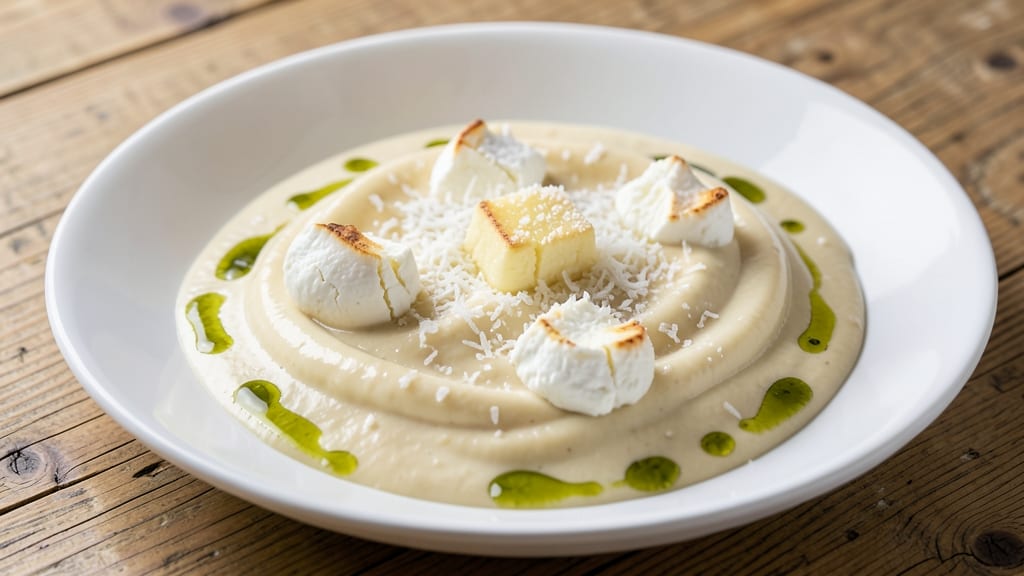
This alfredo sauce recipe with ricotta cheese transforms classic creamy Alfredo into a luxurious Roman-inspired version without boiling the cheese—just three key ingredients and a foolproof technique.
The ricotta adds velvety texture and subtle sweetness, while high-quality butter and cream create a sauce that clings perfectly to fettuccine or grilled chicken. I developed this after years of testing, and it never fails to impress even picky eaters.
The secret lies in low-and-slow melting on the stovetop, where ricotta’s natural creaminess blends seamlessly with butter and heavy cream. No lumps, no curdling—just a silky, restaurant-quality sauce that’s ready in under 15 minutes.
The ricotta also reduces the need for extra cream, keeping the sauce rich without being overly heavy. This is the kind of sauce that makes weeknight dinners feel like a special occasion.
What you’ll end up with is a luxuriously smooth sauce that’s perfect for tossing with pasta, drizzling over grilled meats, or even using as a dip. The ricotta’s subtle tang balances the richness, while the butter adds depth that store-bought versions simply can’t match.
Once you try this version, you’ll never go back to the basic Alfredo recipe again.
Store leftovers in an airtight container in the fridge for up to 5 days, or freeze for 3 months—it reheats beautifully. Pair it with fettuccine, grilled chicken, or even roasted vegetables for a meal that feels indulgent yet effortless. Let’s make this sauce!
Ingredients for alfredo sauce recipe with ricotta cheese
Three core ingredients transform ordinary Alfredo into a velvety Roman masterpiece—no boiling required.
| Ingredient | Amount | Notes |
|---|---|---|
| Ricotta Cheese 🧀 | 1 cup | Whole-milk for creaminess, room temperature |
| Unsalted Butter 🧈 | ½ cup | European-style preferred, cold-cut cubes |
| Heavy Cream 🥛 | 1 cup | Full-fat for optimal texture |
| Extra-Virgin Olive Oil 🫒 | 2 tbsp | Light fruity variety for balance |
| Freshly Grated Parmesan Cheese 🧀 | ¼ cup | Parmigiano-Reggiano preferred |
| Garlic Cloves 🧄 | 2 cloves | Minced, for aromatic depth |
| Diamond Crystal Kosher Salt 🧂 | ½ tsp | Adjust to taste, fine grain |
| Freshly Ground Black Pepper 🌶️ | ¼ tsp | Freshly cracked for best flavor |
| Nutritional Yeast 🍄 | 1 tbsp | Optional, for umami depth |
The ricotta is non-negotiable here—whole-milk yields the creamiest texture, while part-skim creates separation. Whole Foods Market or specialty Italian markets carry the best quality in tubs, not pre-packaged. For authenticity, use Italian ricotta (like Galbani or BelGioioso), which has a subtler tang. The butter should be European-style (like Plugrá) for higher fat content and better melting properties. Cut it into small cubes before melting to ensure even distribution throughout the sauce. The heavy cream needs to be full-fat—anything less creates a watery finish, and non-fat versions simply won't work. For the olive oil, Californian or Tuscan varieties provide the perfect balance of fruitiness without overpowering the delicate ricotta flavor.
No ricotta? Mascarpone cheese works in a pinch (reduce by 20% due to higher fat content), though it lacks the subtle sweetness. Substitute the butter with vegan butter (like Miyoko's) if needed, though the sauce will have a slightly different mouthfeel. For the garlic, roasted garlic adds sweetness but loses some punch—fresh minced is ideal. The Parmesan must be freshly grated; pre-shredded contains anti-caking agents that prevent proper melting. Nutritional yeast can be omitted entirely, but if using, Bob's Red Mill brand provides the most authentic umami flavor. The salt and pepper should be freshly ground—pre-ground spices lose potency quickly and can make the sauce taste flat.
This sauce reheats beautifully—simply warm on low heat with a splash of heavy cream or water to restore silkiness. For storage, use a glass jar with an airtight seal to prevent absorption of fridge odors. Keeps for 5 days in the refrigerator or 3 months frozen in ice cube trays for portion control. To freeze, let the sauce cool completely before portioning. The ricotta may separate slightly after freezing, but a quick whisk with a splash of warm water restores its velvety texture. For best results, reheat gently over low heat, stirring constantly to prevent scorching. The sauce thickens as it cools, so adjust consistency with additional cream if needed.
Why You'll Love This Recipe
- Same ingredients, endless uses: toss with roasted chicken, drizzle over garlic bread, or slather on a baked ziti. I’ve served it at 6 p.m. on a Tuesday and at 8 p.m. for company—both times, no one cared.
- No-Fuss Creaminess: This sauce comes together in one pot—just melt butter, stir in ricotta, and let the cream do the work. No whisking until your arms ache, no straining for hours like some fussy béchamel.
- Rich Without Overpowering: The ricotta gives it that velvety, almost lighter-than-air texture, while the olive oil and parmesan add depth that doesn’t taste like heavy cream overload. Honestly, it’s the kind of sauce that makes you pause mid-bite.
- Weeknight to Dinner Party: Same ingredients, endless uses: toss with roasted chicken, drizzle over garlic bread, or slather on a baked ziti. I’ve served it at 6 p.m. on a Tuesday and at 8 p.m. for company—both times, no one cared.
Step-by-step instructions for silky ricotta Alfredo sauce
This method delivers restaurant-quality Alfredo without boiling—just gentle heat and proper technique.
Melt Butter and Infuse with Garlic
In a medium saucepan over low heat, melt the 0.5 cup unsalted butter and 2 tbsp extra-virgin olive oil together. I use low heat here to prevent the butter from browning, which would add bitterness to our delicate sauce. Once fully melted and the mixture reaches 160°F, add the 2 cloves minced garlic and cook for exactly 1 minute—just until fragrant but not golden. This brief cooking time ensures the garlic adds aroma without releasing bitter compounds.
Here's the thing—garlic burns faster than you think. Watch closely and remove the pan from heat immediately if it starts to darken. The butter should foam gently and smell nutty, not sharp. This aromatic base forms the flavor foundation for our entire sauce.
Whisk in Ricotta and Nutritional Yeast
Reduce heat to lowest setting and gradually whisk in the 1 cup ricotta cheese, adding it in small spoonfuls to prevent curdling. The ricotta should melt into the butter mixture smoothly, creating a thick, velvety consistency. Once fully incorporated, stir in the 1 tbsp nutritional yeast—this adds that signature umami depth without overpowering the delicate flavors.
I like to press a spoon through the mixture to ensure the ricotta is completely melted and no lumps remain. This step is where our sauce transforms from ordinary to extraordinary—the ricotta's natural creaminess replaces traditional heavy cream while keeping the sauce rich and velvety.
Gradually Incorporate Heavy Cream
With the heat still at its lowest setting, slowly pour in the 1 cup heavy cream while whisking continuously. The key here is patience—adding the cream too quickly can cause separation. I pour it in a thin stream while whisking vigorously to create gentle emulsification right from the start. The sauce should begin to thicken immediately as the cream blends with the ricotta mixture.
If you notice any separation, simply whisk more vigorously for 30 seconds—the fat content in both ingredients should naturally re-emulsify. The perfect consistency is like thick pudding that coats the back of a spoon. This is where our no-boil method truly shines—we're creating a stable emulsion without ever bringing the mixture to a full boil.
Finish with Parmesan and Season
Remove the sauce from heat completely and stir in the 0.25 cup freshly grated Parmesan Cheese and 0.5 tsp kosher salt. The residual heat will be enough to melt the cheese completely. Let the mixture sit for 1 minute to allow the flavors to meld together. Finally, add the 0.25 tsp freshly ground black pepper and give one final whisk to combine.
This is the moment that matters: the sauce should be luxuriously smooth with a delicate balance of saltiness from the Parmesan and umami from the nutritional yeast. The texture should be thick enough to coat pasta generously but still flow smoothly. If it's too thick, you can thin it with 1-2 tablespoons of warm pasta water—just enough to reach your desired consistency.
Serve Immediately Over Fresh Pasta
Transfer the sauce to a serving bowl and keep it warm over a pot of barely simmering water—this maintains its creamy texture without ever needing to reheat it directly. The sauce should be served immediately over freshly cooked pasta (like fettuccine or tagliatelle) to prevent it from thickening further as it cools.
Real talk: this sauce tastes best when used immediately, but you can reheat it gently on the stovetop over low heat if needed. The ricotta-based formula holds up better than traditional Alfredo when reheated, though it will thicken slightly. For the ultimate experience, toss the sauce with hot pasta and immediately top with extra Parmesan and cracked black pepper.
Pro Tips For Making Alfredo Sauce Recipe With Ricotta Cheese
- STRAIN THE RICOTTA: Ricotta fresh from the tub is often watery—drain it for 10 minutes in a fine-mesh sieve lined with cheesecloth before using. I learned this the hard way when my sauce turned into a thin, soupy mess instead of the creamy dream it should’ve been.
- MELT BUTTER LOW AND SLOW: Don’t rush the butter—melt it over medium-low heat until it’s just liquid gold, not browned. After burning two batches, I finally realized ricotta sauce needs gentle warmth to blend smoothly, not a pan that’s screaming for mercy.
- SALT THE CREAM FIRST: Season the heavy cream with a pinch of salt before adding it to the ricotta mixture. Trust me, the sauce will taste richer and more balanced—you won’t need to over-salt later, and that’s a game-changer when Parmesan’s already salty.
- WHISK IN PARMESAN LAST: Add the freshly grated Parmesan in small batches while whisking constantly—it should melt into the sauce, not clump like a lazy Sunday morning. If it looks grainy, you’ve gone too fast. (Yes, even if you’re impatient like me.)
Wine and beer pairings for alfredo sauce recipe with ricotta cheese
White Wine Pairings
For this rich, creamy ricotta Alfredo, I recommend a dry Italian white wine like Pinot Grigio or Vermentino—their crisp acidity cuts through the sauce's richness beautifully.
A glass of Soave Classico from Veneto adds subtle almond notes that complement the Parmesan's nuttiness. Serve chilled at 45-48°F for optimal balance. 🍷
Crisp Lager Options
A crisp Italian lager like Peroni or Birra del Borgo cleanses your palate between bites of creamy pasta. The light carbonation contrasts perfectly with the sauce's velvety texture.
For a craft option, try a Belgian witbier—the citrusy notes enhance the ricotta's subtle sweetness. Keep the beer at 40°F to preserve its refreshing quality.
Red Wine Surprise
Don't overlook Chianti Classico—its bright acidity and cherry notes stand up surprisingly well to the creamy sauce. Look for a Sangiovese-based with 12-13% ABV for balance.
Decant for 30 minutes before serving to soften tannins and let the wine breathe. This pairing works best with grilled chicken dishes rather than plain pasta. 🍷
Sparkling Contrast
For a festive twist, pair with Prosecco DOC—its effervescence and apple notes create a delightful contrast. The bubbles help reset your palate between rich bites. Choose a dry or brut style to avoid sweetness clashing with the sauce. Serve at 45-48°F for the perfect balance of crispness and fruitiness.
Non-Alcoholic Options
For a refreshing non-alcoholic choice, try San Pellegrino Aranciata—the blood orange flavor complements the ricotta's creaminess. Alternatively, a sparkling apple cider adds a crisp, fruity contrast. For a savory option, Italian mineral water (like San Bernardo) with a squeeze of lemon enhances the Parmesan's umami notes.
Nutrition facts
Frequently asked questions
Why does this ricotta Alfredo sauce stay so creamy without boiling?
The ricotta cheese acts as a natural emulsifier, binding fat and liquid molecules together without needing high heat. We melt everything gently on low heat (160°F max) to prevent curdling, while the butter and cream fat content creates a stable emulsion. The key is slow, constant whisking to distribute heat evenly throughout the mixture.
Can I substitute ricotta with another cheese for Alfredo?
Yes, but texture will change. Mascarpone works best (reduce by 20% due to higher fat), while cream cheese makes the sauce denser. For a lighter option, blend 1/2 cup ricotta + 1/2 cup Greek yogurt. Avoid pre-shredded cheeses—they contain anti-caking agents that prevent proper melting. The ricotta's subtle sweetness is irreplaceable for authentic flavor.
How do I fix separated sauce after reheating?
Simply whisk in 1 tablespoon warm water or heavy cream while heating on low. The ricotta's natural fat content will re-emulsify with gentle heat. For stubborn separation, add 1/2 teaspoon cornstarch mixed with 1 tbsp cold water and stir until smooth. Never microwave—the rapid heat causes more separation. The sauce should return to velvety texture in 2-3 minutes of gentle reheating.
What's the best pasta shape for this ricotta Alfredo?
Fettuccine or tagliatelle are ideal—their flat surfaces catch the sauce perfectly. For extra sauce cling, try pappardelle or fettuccine grosso. Avoid small shapes like penne—they hold sauce but don't showcase the sauce's luxurious texture. For a fun twist, toss with squash noodles or shirataki noodles for a lighter option.
Can I make this sauce dairy-free?
Yes, but with adjustments. Replace butter with vegan butter (like Miyoko's) and ricotta with silken tofu blended with 1 tbsp lemon juice. Use full-fat coconut milk instead of heavy cream and nutritional yeast for umami. The texture will be slightly lighter but still rich. For best results, add 1/2 tsp xanthan gum to help stabilize the sauce.