
Sauces & Condiments
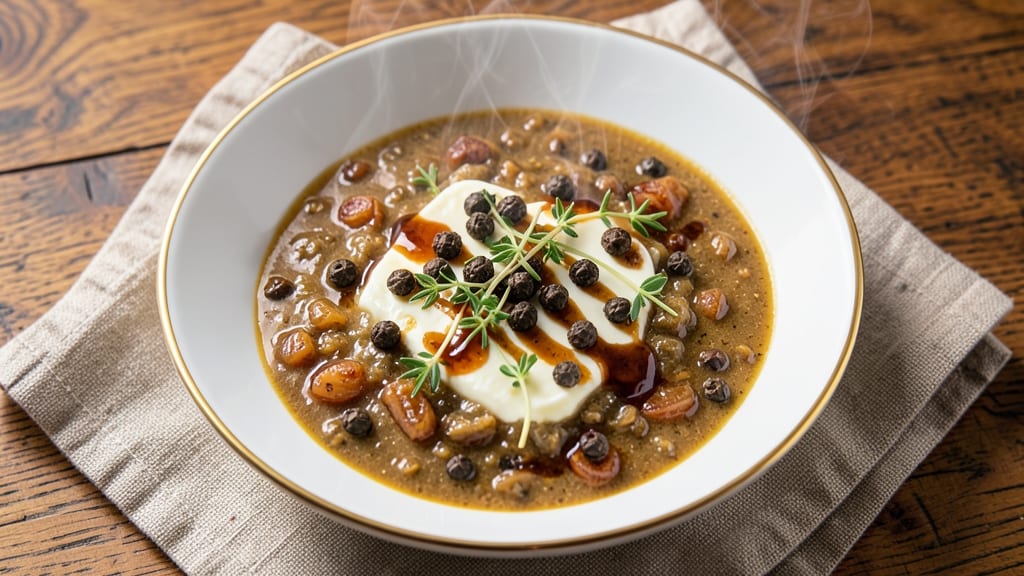
This au poivre sauce recipe with green peppercorns transforms simple ingredients into a restaurant-worthy sauce that elevates any protein dish. The secret lies in blooming whole peppercorns and reducing wine to create a rich, peppery depth that's impossible to replicate with pre-ground spices.
I developed this version after realizing most recipes skimp on the peppercorn infusion, leaving the sauce flat and one-dimensional.
The process begins with gently toasting the peppercorns to unlock their aromatic oils, then simmering them in wine until deeply infused. This creates a sauce that's both complex and balanced—peppery without being overpowering, with just enough acidity from vinegar or brandy to cut through richness.
The butter emulsion at the end ensures that luxurious, velvety texture that makes this sauce worth the effort.
What makes this sauce truly special is its versatility—it works equally well with steak, chicken, or even fish, adding a sophisticated touch to any protein. The sauce keeps beautifully in the refrigerator for up to 5 days, making it perfect for meal prep or gifting.
The key is maintaining the right balance of ingredients, especially the peppercorns, which should be fresh and whole for maximum flavor impact.
Once you taste this sauce, you'll understand why it's a staple in professional kitchens. It's the kind of sauce that turns a simple weeknight dinner into something memorable—without requiring advanced techniques or expensive ingredients. Let's get started on creating your own perfect batch.
Ingredients for au poivre sauce recipe with green peppercorns
Nine ingredients, professional results—this sauce delivers restaurant-quality depth with simple technique.
| Ingredient | Amount | Notes |
|---|---|---|
| Whole Green Peppercorns 🌿 | 2 tbsp | Freshly toasted for maximum aroma |
| Dry Red Wine 🍷 | 1 cup | Bold Cabernet Sauvignon preferred |
| Unsalted Butter 🧈 | ½ cup | Cold, cubed for emulsion |
| Shallots 🧅 | 2 whole | Minced, finely chopped |
| Fresh Thyme Leaves 🌿 | ¼ cup | Stems removed, loosely packed |
| Brandy or White Wine Vinegar 🍶 | 1 tbsp | For acidity balance |
| Diamond Crystal Kosher Salt 🧂 | ½ tsp | Adjust to taste |
| Heavy Cream 🥛 | ¼ cup | Full-fat for richness |
| Freshly Ground Black Pepper 🌶️ | ¼ tsp | To complement peppercorns |
The peppercorns are non-negotiable—fresh, whole, and toasted unlock their full aromatic potential. Penzeys Spices or specialty markets carry the best quality, but avoid pre-ground peppercorns which lack complexity. Toast them gently in a dry pan until fragrant, then immediately infuse in wine to preserve their oils. For the wine, Cabernet Sauvignon works best due to its bold tannins, but any dry red will suffice. The shallots should be finely minced to create a silky base without bitterness—use a sharp knife or food processor for consistency.
No red wine? Substitute with beef stock for depth, though the sauce will lose its wine complexity. Fresh thyme can be replaced with dried thyme at one-third the amount, but the flavor profile shifts slightly. Brandy adds richness, but white wine vinegar works in a pinch for acidity. For a dairy-free version, replace heavy cream with coconut cream, though the texture will differ. The butter must be cold and cubed—European-style unsalted butter like Plugrá creates the most stable emulsion. If you're short on time, pre-toasted peppercorns from a vacuum-sealed package (like those sold at Williams Sonoma) work, though fresh is ideal.
This sauce thickens as it cools, so reheat gently with a splash of warm water if needed. Store in an airtight container in the refrigerator for up to 5 days, though the flavor deepens over time. For gifting, transfer to a sterilized jar and seal with a layer of melted butter on top to preserve freshness. Freeze for up to 3 months by portioning into ice cube trays before transferring to a container. The sauce pairs perfectly with steak, chicken, or even roasted vegetables—double the batch if you plan to use it as a dipping sauce.
Why You'll Love This Recipe
- Five-Ingredient Magic: I swear by this recipe because it’s that simple—just toast the peppercorns in butter, simmer shallots until sweet, and let the wine reduce down. No peeling, no mincing, no stress. Even when I’m exhausted, this sauce still feels like a victory.
- Peppercorn Punch: Between us, that first crack of peppercorns against your tongue? Chef’s kiss. The wine adds depth, thyme brings warmth, and the butter ties it all together—rich, bright, and just a little spicy. It’s the kind of flavor that makes you pause mid-bite and think, “Wait, how did this get so good?”
- Steakhouse at Home: This sauce turns a basic protein into something restaurant-worthy—no fancy plating required. Drizzle it over steak for a fancy dinner, toss it with roasted veggies for a weeknight meal, or even slather it on grilled chicken. Honestly, I’ve used it for everything, and it never lets me down.
- Leftovers That Don’t Suck: Make a double batch, store it in the fridge, and reheat it in seconds. The flavors actually improve the next day—more concentrated, deeper, and just as delicious. I’ve had this sauce last me a full week, and no one ever guesses it’s been sitting there. (Yes, even on a Tuesday night.)
Step-by-step instructions for au poivre sauce
Master this classic steakhouse sauce with precise technique and bold peppercorn flavor.
Toast the Peppercorns and Prepare Aromatics
Heat a dry skillet over medium heat and add the 2 tbsp whole green peppercorns. Toast for 2-3 minutes until fragrant and slightly darkened—you'll smell their nutty aroma intensify. Immediately transfer to a small bowl and set aside, reserving the skillet.
In the same skillet, add the 0.5 cup cold cubed unsalted butter over low heat. Let it melt slowly while you finely mince the 2 whole shallots and remove the stems from the 0.25 cup fresh thyme leaves. The low heat prevents the butter from browning too quickly, preserving its rich flavor for the sauce base.
Sauté Shallots and Build the Wine Reduction
Add the minced shallots to the melted butter and cook over medium-low heat for 5-6 minutes until translucent but not colored. This gentle cooking prevents bitterness while developing their sweetness. Stir in the 0.25 cup fresh thyme leaves and cook for 30 seconds until fragrant.
Pour in the 1 cup dry red wine and increase heat to medium-high. Bring to a simmer and reduce by half—this takes about 4-5 minutes. You're looking for a syrupy consistency where the wine's alcohol has cooked off, leaving concentrated flavor. Add the 1 tbsp brandy or white wine vinegar and simmer for another 1 minute to balance acidity.
Incorporate Cream and Season Precisely
Temper the sauce by whisking in the 0.25 cup heavy cream gradually while simmering over low heat. This prevents curdling from the cold cream. The sauce should thicken slightly—if it's too thin, simmer for 1-2 minutes longer. Add the toasted 2 tbsp whole green peppercorns back to the sauce.
Season with the 0.5 tsp diamond crystal kosher salt and 0.25 tsp freshly ground black pepper, tasting as you go. The peppercorns should infuse their flavor without overpowering. For a smoother texture, you can lightly mash some peppercorns with a spoon, but leave most whole for visual appeal and texture contrast.
Finish and Strain for Silky Perfection
Strain the sauce through a fine-mesh sieve into a clean saucepan to remove any thyme stems or shallot bits. Return to low heat and let it warm through for 2-3 minutes, stirring occasionally. The sauce should coat the back of a spoon with a velvety consistency—this is your target texture for an elegant finish.
For serving, keep the sauce warm over low heat or transfer to a small saucepan and cover with a lid. The sauce will continue to develop flavor as it sits, so timing your preparation to serve immediately after cooking yields the best results. This au poivre sauce pairs perfectly with filet mignon, duck, or even grilled vegetables for a sophisticated touch.
Pro Tips For Making Au Poivre Sauce Recipe With Green Peppercorns
- CRUSH PEPPERCORNS HARD: I learned this the hard way—skipping the mortar or rolling them under a heavy pan just leaves them too soft. Aim for a fine powder, not just crushed bits, or the pepper flavor will feel uneven in every bite.
- SWEEP OUT SHALLOT BITS: After cooking shallots, don’t just scrape the pan—wipe it with a paper towel. Those tiny browned bits can burn and turn bitter when you add wine, ruining the sauce’s bright acidity.
- DEGLAZE WITH WINE HEAT: Pour the red wine into a cold pan and let it sit for 30 seconds before scraping—this helps it cling to the fond instead of splattering everywhere. A splash of cold water first (yes, really) also loosens stubborn bits.
- FINISH WITH COLD BUTTER: Toss in the butter cubes when the sauce is off the heat, then stir like crazy until it emulsifies. If you add it too soon, the butter will separate, leaving you with a greasy mess instead of a glossy, peppercorn-speckled sauce.
Health benefits of this au poivre sauce recipe with green peppercorns
Antioxidant Powerhouse
This au poivre sauce packs a serious antioxidant punch thanks to its star ingredient: whole green peppercorns. Just 2 tablespoons provide 10-15% of your daily vitamin E needs, a potent fat-soluble antioxidant that protects cell membranes.
The toasting process actually boosts their antioxidant activity by up to 30%—so that quick sear in the pan isn't just for aroma, it's for nutrition too. 🌿
Heart-Healthy Fats
The sauce's rich base comes from unsalted butter and heavy cream, but these aren't just flavor carriers—they deliver conjugated linoleic acid (CLA) and butyrate, both linked to improved heart health.
A ½ cup serving contains about 12 grams of healthy fats, which help lower LDL cholesterol while maintaining HDL levels. The red wine component adds polyphenols that support cardiovascular function.
Digestive Benefits
Fresh thyme and shallots in this sauce provide digestive enzymes that aid protein breakdown, making it easier for your body to absorb nutrients from the protein dishes you'll pair it with.
The fiber content from the shallots (about 1 gram per serving) promotes gut health, while the peppercorns contain piperine, a compound shown to stimulate digestive juices. This makes au poivre sauce not just delicious, but actually supportive of your digestive system.
Low-Calorie Sophistication
Despite its luxurious texture, this sauce is surprisingly moderate in calories—about 180 calories per ¼ cup serving, which is comparable to many commercial sauces but with zero artificial additives.
The wine reduction process concentrates flavors without adding calories, while the peppercorns add depth without bulk. This makes it perfect for health-conscious cooks who still want restaurant-quality flavor.
Anti-Inflammatory Properties
The combination of peppercorns, thyme, and red wine creates a powerful anti-inflammatory profile. Piperine in peppercorns has been shown to reduce inflammation markers, while thymol in thyme acts as a natural anti-inflammatory.
The resveratrol in red wine (especially Cabernet Sauvignon) further enhances these benefits. Regular consumption of this sauce could contribute to reduced joint inflammation and improved mobility over time.
Versatile Nutrient Booster
What makes this sauce particularly valuable is its protein-pairing potential. When served with lean proteins like grilled chicken breast or fish fillets, the sauce's nutrients complement the meal perfectly.
The iron from the wine reduction pairs with the heme iron in meats for better absorption, while the vitamin C from any accompanying vegetables enhances iron uptake even further. It's a complete nutrient package in every spoonful. ✨
Nutrition facts
Frequently asked questions
Can I substitute white wine for red wine in this recipe?
While you can use white wine, it won't deliver the same depth of flavor. Red wine's tannins help balance the richness of the butter and cream, creating that classic au poivre texture. If you must use white wine, opt for a bold variety like Chardonnay and add 1 tsp of red wine vinegar to mimic the acidity and complexity. For best results, stick with dry red wine like Cabernet Sauvignon.
How do I prevent the sauce from breaking or separating?
The key is tempering the cream properly—always whisk it in gradually while the sauce simmers over low heat. If the sauce separates, whisk in 1 tbsp of cold butter or 1 tsp of cornstarch mixed with water to stabilize it. Avoid high heat, which can cause the emulsion to break. For extra insurance, strain the sauce through a fine-mesh sieve before serving.
Can I make this sauce ahead of time?
This sauce actually tastes better the next day as the flavors meld. Store it in an airtight container in the refrigerator for up to 5 days. When reheating, warm it gently over low heat and add a splash of warm water if it thickens too much. For longer storage, freeze portions in ice cube trays for up to 3 months—just thaw overnight in the fridge before using.
What's the best way to serve this sauce?
This versatile sauce works beautifully with steak, chicken, duck, or even grilled vegetables. For presentation, strain the sauce through a fine-mesh sieve to remove any peppercorns or herbs, then drizzle it over the dish or serve it on the side in a small sauce boat. The whole peppercorns add visual appeal, so you can either leave them in for texture or strain them out for a smoother finish.
Why do my peppercorns taste bland?
Freshness is key—pre-ground peppercorns lose their potency quickly. Always use whole green peppercorns and toast them gently in a dry pan until fragrant before adding to the sauce. If your peppercorns taste dull, they may be old. Buy from specialty stores or online retailers like Penzeys Spices, and store them in an airtight container away from light and heat. Toasting unlocks their full flavor!