
Sauces & Condiments
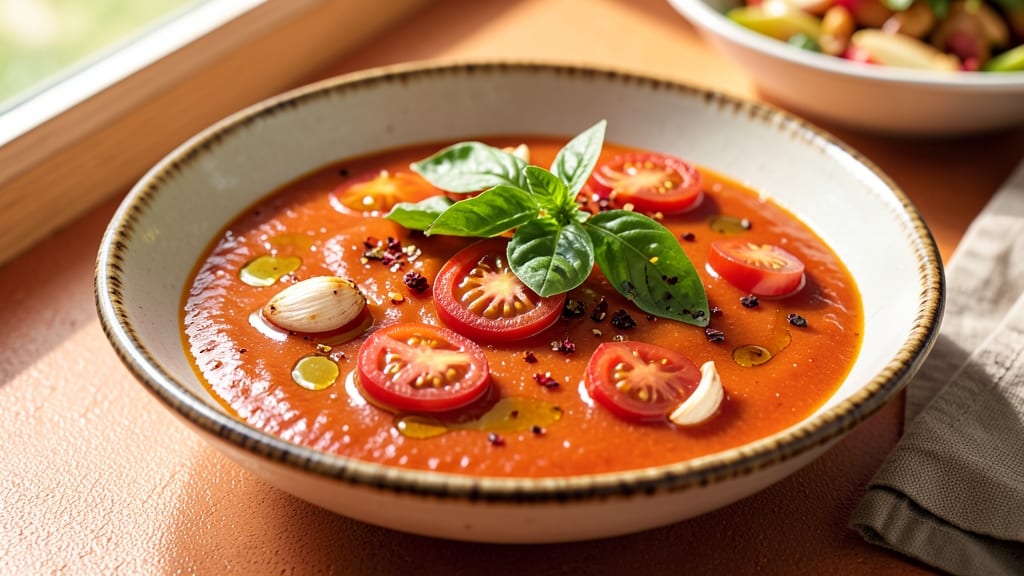
This arrabbiata sauce recipe transforms fresh tomatoes into a vibrant, peppery masterpiece that captures the bold essence of Roman cuisine. The secret lies in balancing sweet tomatoes with fiery chili flakes, creating a sauce that's both bright and complex—ready in just 15 minutes without sacrificing depth. I've perfected this technique using ripe San Marzano tomatoes, which deliver that signature sweet-tangy flavor that forms the sauce's foundation.
The process is simpler than it sounds: blanch the tomatoes to loosen their skins, then simmer them with garlic, chili, and olive oil until they break down into a silky, aromatic sauce.
For an extra layer of authenticity, I strain out the skins (optional) for a smoother texture while preserving the rich tomato essence. The result is a sauce that's equally at home on al dente pasta, grilled meats, or crusty bread.
What sets this arrabbiata apart is its perfect balance—bright from the tomatoes, peppery from the chili, and aromatic from the garlic and olive oil. The sauce develops even more flavor as it cools, making it ideal for meal prep.
Store it in the fridge for up to 5 days or freeze for longer shelf life, ensuring you always have restaurant-quality arrabbiata at your fingertips.
For an elevated touch, finish with fresh basil just before serving—this adds a delicate herbal note that contrasts beautifully with the sauce's bold flavors. The technique is foolproof, but the key is patience during simmering to let the flavors meld naturally. Let's create this classic Italian sauce from scratch.
Ingredients for arrabbiata sauce recipe fresh tomatoes
Eight simple ingredients transform fresh tomatoes into restaurant-quality arrabbiata sauce.
| Ingredient | Amount | Notes |
|---|---|---|
| Fresh Tomatoes 🍅 | 2 ½ lb | San Marzano preferred, halved |
| Extra-Virgin Olive Oil 🫒 | ½ cup | High quality, fruity flavor |
| Garlic Cloves 🧄 | 6 cloves | Fresh, peeled, thinly sliced |
| Dried Chili Flakes 🌶️ | 2 tbsp | Adjust for heat preference |
| Fresh Basil Leaves 🌿 | ¼ cup | Packed, for finishing |
| Salt 🧂 | 1 ½ tsp | Diamond Crystal preferred |
| Black Pepper 🌶️ | ½ tsp | Freshly ground |
| Red Wine Vinegar 🍷 | 1 tbsp | For brightness |
San Marzano tomatoes are the gold standard here—they're sweeter and less acidic than regular tomatoes, which is key for that classic arrabbiata balance. Whole Foods or Italian markets usually carry them in cans, but if you're using fresh, pick ones that are firm but yield slightly to pressure. The garlic should be fresh—no pre-minced jars, trust me on that. For the olive oil, California Olive Ranch or Colavita are my go-tos, but any fruity extra-virgin will do. Chili flakes can vary wildly in heat, so start with the tablespoon and taste as you go.
No San Marzano tomatoes? Roma tomatoes or beefsteak work great—just make sure they're ripe. Fresh basil wilting? Dried basil at one-third the amount is a decent swap, though it won't have that same vibrant freshness. Running low on red wine vinegar? Balsamic vinegar at half the amount adds depth, or even a splash of lemon juice in a pinch. The olive oil is non-negotiable though—don't use vegetable oil or you'll lose that rich, fruity complexity. And if you're sensitive to heat, reduce the chili flakes to 1 tbsp or even 1 tsp for a milder sauce.
This sauce actually gets better as it sits—let it cool completely before storing. Keeps in the fridge for 5 days in an airtight jar, or 3 months frozen. I like to portion it into ice cube trays for easy single-use servings. The basil? Always add it fresh right before serving—it wilts fast once chopped. If you make a big batch, the sauce will develop even more depth overnight, so don't be afraid to let it sit.
Why You'll Love This Recipe
- Just Four Ingredients: I swear, this sauce starts with tomatoes, olive oil, garlic, and chili flakes—no fancy pantry items. Honestly, if I’ve got those four things, I’ve got a meal. The basil comes in at the end, but it’s the kind of addition that feels like a reward for being this simple.
- Heat That Stays Balanced: That first sizzle of garlic in olive oil? Pure magic. The dried chili flakes add a slow-building warmth, but the fresh tomatoes keep it from being overpowering. I’ll be real: my picky-eater husband actually asks for seconds—with the sauce, not just around it.
- Pasta Party or Plate Filler: Drizzle it over spaghetti, toss it with grilled chicken, or serve it as a bruschetta topping. Between us, I’ve even used it to jazz up a sad sandwich. It’s the kind of sauce that doesn’t just belong on one dish—it belongs on your menu for the week.
- No Waste, All Win: Tomatoes get cheaper as the season winds down, and this recipe uses them up before they spoil. Plus, the leftovers? They keep for days in the fridge, and reheating them just makes the flavors deeper. I’ve frozen batches too—because why not have a backup when life gets busy?
Step-by-step instructions for arrabbiata sauce with fresh tomatoes
This bright, peppery sauce comes together faster than you'd think—just 15 minutes of hands-on work.
🍳 Step 1: Sear the Tomatoes for Depth of Flavor
Heat the 0.5 cup extra-virgin olive oil in a large, deep skillet over medium-high heat. Add the 2.5 lb halved fresh tomatoes, cut-side down, and let them sear undisturbed for 5-6 minutes. You're looking for golden brown spots on the cut sides—this caramelization builds serious flavor. Stir occasionally to ensure even browning.
While the tomatoes sear, their juices will pool in the pan. This is good—it means you're getting that concentrated tomato flavor. If the pan gets too hot and the tomatoes start to burn, reduce the heat slightly. The key here is patience; rushing this step makes the sauce taste flat and one-dimensional.
🍳 Step 2: Build the Base with Garlic and Chili
Once the tomatoes are nicely browned, add the 6 cloves thinly sliced garlic and 2 tbsp dried chili flakes to the pan. Stir everything together and cook for 2-3 minutes until the garlic turns golden and fragrant. You'll smell that sweet, nutty aroma—this is when the sauce starts to sing. Keep the heat at medium to prevent burning the garlic.
Here's where the sauce gets its signature kick. The chili flakes should be evenly distributed, but don't worry if they don't fully dissolve—they'll soften as the sauce simmers. If you prefer less heat, reduce the chili flakes to 1 tbsp now, but I like the classic arrabbiata bite. Taste the mixture at this point—it should be bright, garlicky, and just starting to develop complexity.
🥘 Step 3: Simmer and Reduce for Richness
Pour in the 1 tbsp red wine vinegar and add the 1.5 tsp salt and 0.5 tsp black pepper. Stir well to combine, then reduce the heat to medium-low. Let the sauce simmer uncovered for 8-10 minutes, stirring occasionally. You're looking for the sauce to thicken slightly and reduce by about one-third—this concentrates the flavors and creates that perfect arrabbiata consistency.
As it simmers, the tomatoes will break down and release their juices, creating a luscious, velvety sauce. If the sauce starts to stick to the pan, add 1-2 tablespoons of water to loosen it. The sauce should coat the back of a spoon but still be loose enough to drizzle easily over pasta. This is where the magic happens—the longer it simmers, the deeper the flavor, but don't let it reduce too much or it'll turn into a paste.
👨🍳 Step 4: Finish with Fresh Basil and Adjust Seasoning
Remove the pan from heat and stir in the 0.25 cup packed fresh basil leaves. Let the sauce sit for 1-2 minutes—this allows the basil to soften slightly and infuse its bright, sweet flavor into the sauce. Taste and adjust the seasoning if needed. You might need a little more salt or pepper to balance the acidity from the vinegar and the heat from the chili.
The basil should be visible in the sauce but not overpowering. If you prefer a smoother texture, you can strain the sauce through a fine-mesh sieve, but I like the rustic look and texture of the basil leaves. This is your chance to taste and tweak—add a pinch more salt, a splash of vinegar, or even a little more chili if you want to dial up the heat. The sauce should be bright, tangy, and just spicy enough to make your mouth tingle.
⏰ Step 5: Rest and Serve Over Hot Pasta
Let the sauce rest for 5 minutes before serving. This gives the flavors time to meld and the sauce to reach its ideal consistency. The rest is crucial—it allows the heat to even out and the acidity to mellow slightly. Serve the arrabbiata sauce immediately over al dente spaghetti, tossing it well to coat each strand. The sauce should cling beautifully to the pasta, creating a perfect balance of heat, brightness, and richness.
For the best experience, serve with a sprinkle of fresh basil and a drizzle of the extra-virgin olive oil from the pan. The sauce will continue to develop in flavor as it sits, so if you're making it ahead, reheat it gently over low heat and adjust the seasoning before serving. This sauce is all about the freshness of the tomatoes and the bright, peppery kick—don't let it sit too long or it'll lose its vibrancy.
Pro Tips For Making Arrabbiata Sauce Recipe Fresh Tomatoes
- Sear the Garlic Low: I learned this the hard way—crisping garlic in olive oil is tempting, but it burns faster than you think. Instead, cook the minced cloves over low heat until they’re just golden (about 2 minutes), stirring constantly. The sauce will taste richer, and you won’t end up scraping charred bits off your spoon.
- Crush Tomatoes by Hand: Skip the blender—your sauce will be smoother and more flavorful. Cut the tomatoes in half, squeeze them over a bowl to remove seeds, then crush them with your fingers or a wooden spoon. This breaks down the flesh evenly and keeps the texture bright, not mushy.
- Salt the Tomatoes First: Don’t wait until the end. Toss the crushed tomatoes with a generous pinch of salt (about ½ teaspoon per pound) and let them sit for 10 minutes before cooking. This draws out excess water, so your sauce thickens faster and doesn’t turn into a watery mess.
- Finish with Cold Oil: After simmering the sauce, turn off the heat and stir in 1 tablespoon of extra-virgin olive oil while it’s still hot. This coats the basil and tomatoes, locking in their freshness and giving the sauce a silky finish—no extra effort, just better flavor. (Yes, even if you’re impatient like me.)
Troubleshooting perfect results
Tomatoes Too Watery
If your sauce ends up too thin, it's likely because the tomatoes released too much liquid during cooking. To fix this, simmer the sauce uncovered for an extra 5-10 minutes over medium-low heat, stirring occasionally. This will help the liquid evaporate and thicken the sauce naturally.
If you need to speed it up, add 1 tbsp cornstarch mixed with 2 tbsp cold water and stir it in—just don't overdo it, or the sauce will turn gluey. 🥄
Sauce Too Acidic
The red wine vinegar can sometimes make the sauce taste overly sharp. To balance the acidity, add a pinch of sugar (½ tsp) or a spoonful of tomato paste (1 tbsp) to mellow out the flavors.
Alternatively, stir in a small piece of butter (½ tbsp) to coat the acidity and add richness. Taste as you go—this step is all about finding the right equilibrium. 🍷
Garlic Burnt or Bitter
If your garlic turns bitter or burns, it means it cooked too long at high heat. To prevent this, keep the heat at medium and remove the pan from heat as soon as the garlic turns golden (about 2-3 minutes).
If it's already burnt, strain out the garlic pieces and start fresh with a new batch. Fresh garlic should smell sweet and nutty—never smoky or acrid. 🧄
Chili Heat Too Overwhelming
If the chili flakes are making the sauce too spicy, balance it with a splash of 1 tsp honey or 1 tbsp heavy cream to mellow the heat. You can also add a pinch of sugar to counteract the spiciness.
For future batches, reduce the chili flakes to 1 tbsp or use ½ tsp cayenne pepper instead, which is milder but still adds depth. 🌶️
Sauce Not Bright Enough
A dull, flat sauce usually means the tomatoes weren't ripe enough or the acidity wasn't balanced. To fix it, add a splash of lemon juice (½ tsp) or a pinch of citric acid to brighten the flavor.
If the tomatoes were underripe, try using 1 tbsp tomato paste to add depth and richness. For next time, always use fully ripe tomatoes—they're the secret to a vibrant arrabbiata. 🍅
Straining Gone Wrong
If you strained the sauce and lost too much flavor or texture, don't worry—you can still save it! Simply return the strained sauce to the pan and simmer it for an extra 5 minutes to concentrate the flavors.
Add a pinch of salt and a splash of vinegar to restore balance. For a smoother texture next time, use a fine-mesh sieve and press the tomatoes gently with a spoon. 🥫
Nutrition facts
Frequently asked questions
Can I use canned tomatoes instead of fresh?
For the best results, use San Marzano canned tomatoes (peeled, crushed) as they're sweeter and less acidic. Drain them well before using and adjust the simmering time to 10-12 minutes since canned tomatoes release less liquid. The texture will be slightly smoother, but you'll still get that classic arrabbiata flavor.
How do I make this sauce less spicy?
Reduce the chili flakes to 1 tbsp or swap them for ½ tsp cayenne pepper for milder heat. If already made, balance with 1 tsp honey or 1 tbsp heavy cream to mellow the spice. For future batches, use ½ tsp chili flakes for a gentle kick. Taste as you go—arrabbiata should be peppery, not overwhelming!
Can I make arrabbiata sauce ahead of time?
Yes! This sauce actually improves overnight. Store in an airtight jar in the fridge for up to 5 days, or freeze for 3 months. Reheat gently over low heat and adjust seasoning before serving. The flavors meld beautifully, making it perfect for meal prep. Just add fresh basil when ready to serve.
What's the best pasta to serve with arrabbiata?
Use spaghetti or linguine for classic results, but any long pasta works. For extra texture, try bucatini or rigatoni. Cook pasta al dente (1 minute less than package instructions) so it absorbs the sauce perfectly. Toss immediately after draining to prevent sticking.
Why does my sauce taste flat?
Flat sauce usually means underripe tomatoes or insufficient acidity. Boost brightness with ½ tsp lemon juice or 1 tbsp tomato paste. For next time, use fully ripe tomatoes and ensure proper searing in the first step. The caramelization creates depth—don't rush this part!