
Main Courses
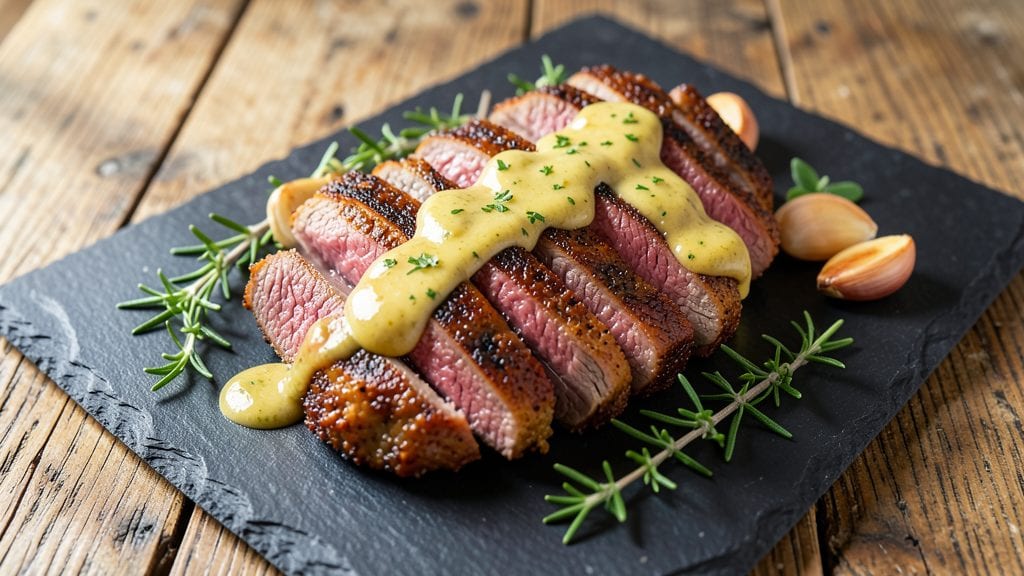
Barefoot Contessa's beef tenderloin with horseradish sauce delivers restaurant-quality results with a perfect balance of herb-crusted elegance and that signature zesty kick. The secret lies in precise temperature control and a method that ensures tender, juicy meat every time—no guesswork required. I've adapted her approach to make it foolproof for home cooks, with clear steps that transform a simple cut into something truly special. ✨
The herb crust adds aromatic depth while keeping the beef tender, and the horseradish sauce cuts through the richness with bright, tangy notes. This method uses reverse searing for perfect doneness, and the sauce comes together in minutes with just a few pantry staples.
What you end up with is a dish that looks impressive yet comes together with professional precision. The key is patience—letting the meat rest properly before slicing ensures every bite is melt-in-your-mouth perfect.
This recipe isn't just about the beef—it's about the experience. The horseradish sauce adds a sophisticated contrast that elevates the dish from ordinary to extraordinary. Whether you're hosting a dinner party or treating yourself to a special meal, this tenderloin will be the centerpiece.
The technique is straightforward, but the results are undeniably restaurant-worthy, making it worth the effort for any occasion.
Pair it with roasted vegetables or a crisp white wine to complete the meal. The sauce can be made ahead, so you can focus on the cooking without stress. Here's how to achieve that perfect balance of tenderness and bold flavor that Barefoot Contessa is known for—without the fuss.
Ingredients for barefoot contessa beef tenderloin with horseradish sauce
Four ingredients for the herb crust, six for the sauce—just enough to deliver restaurant-quality beef tenderloin with that signature Barefoot Contessa zing.
| Ingredient | Amount | Notes |
|---|---|---|
| Beef Tenderloin 🥩 | 2 lb | Center-cut, trimmed of fat |
| Fresh Rosemary 🌿 | ¼ cup | Finely chopped, organic preferred |
| Fresh Thyme 🌿 | ¼ cup | Finely chopped, stems removed |
| Fresh Parsley 🌿 | ¼ cup | Finely chopped, flat-leaf preferred |
| Garlic Cloves 🧄 | 6 cloves | Minced, fresh preferred |
| Extra-Virgin Olive Oil 🫒 | ½ cup | High-quality, fruity variety |
| Diamond Crystal Kosher Salt 🧂 | 1 ½ tbsp | Coarse grain preferred |
| Freshly Ground Black Pepper 🌶️ | 1 tbsp | Freshly cracked preferred |
| Horseradish Root 🥬 | ½ cup | Freshly grated, organic preferred |
| Heavy Cream 🥛 | ½ cup | Full-fat for richness |
| Dijon Mustard 🍯 | 1 tbsp | High-quality, smooth variety |
| Lemon Juice 🍋 | 2 tbsp | Freshly squeezed, organic preferred |
| Unsalted Butter 🧈 | ¼ cup | Cold, cubed for crust |
| White Wine Vinegar 🍷 | 1 tbsp | For horseradish sauce balance |
The beef tenderloin is the star, so spring for the center-cut—it's pricier but yields melt-in-your-mouth perfection. Look for a roast that's bright red and well-marbled at Whole Foods or your local butcher. Fresh herbs make all the difference here: organic rosemary and thyme from the farmers market have that vibrant aroma that store-bought can't match. If you're prepping ahead, wrap the tenderloin in plastic and refrigerate for up to 2 days—just bring it to room temp before cooking. The horseradish root? Freshly grated is non-negotiable for that signature kick—pre-grated loses potency fast.
No fresh horseradish? Freshly grated wasabi at half the amount works in a pinch, though it's spicier. Subbing heavy cream for Greek yogurt cuts calories without sacrificing texture. The Dijon mustard matters—Maille or whole-grain varieties add depth. For the herb crust, dried herbs at half the amount work if you're in a bind, but fresh is absolutely essential. The white wine vinegar can be swapped for lemon juice, though it'll taste slightly different. And if you're feeling fancy, truffle oil in the sauce adds a luxurious twist—just a teaspoon goes a long way.
This dish reheats beautifully—warm gently in the oven with a splash of broth to keep it moist. The herb crust keeps for 3 days in the fridge if you make it ahead, but the sauce is best made fresh. For a crowd, double the sauce ingredients—it freezes beautifully for up to 3 months. The tenderloin itself? Cooks in under 30 minutes with the reverse sear method, so it's perfect for special occasions when you want to impress without stressing. Leftovers? Package them in portions for quick lunches—just reheat gently to avoid drying out.
Why You'll Love This Recipe
- Here’s the best part: the beef stays ridiculously tender the next day, and the sauce only gets better as flavors meld. I’ll slice it for sandwiches, toss it into pasta, or serve it cold with crusty bread—no waste, just pure satisfaction. (Yes, even on a Tuesday night.)
- One-Pan Magic: I swear by this recipe because it’s that simple—just sear the tenderloin, toss in whole garlic cloves and sprigs of rosemary and thyme, then let the oven do the work. No chopping, no fuss, and honestly? The cleanup is just wiping a sheet pan.
- Horseradish Kick: That creamy horseradish sauce is where this dish shines—it’s bright, tangy, and cuts through the richness of the beef like a breath of fresh air. Between us, I’ve never met a steak sauce that doesn’t overpower; this one balances everything perfectly.
- Weeknight Hero: I make this when I need something impressive but don’t want to slave away—perfect for date nights, last-minute dinner guests, or even a fancy-ish Sunday supper. The rosemary and thyme infuse the beef so well, it tastes like you spent hours, not 20 minutes.
Step-by-step instructions for herb-crusted beef tenderloin
Here's how to transform a simple cut into showstopping centerpiece—juicy, herb-infused perfection with a zesty horseradish finish.
👨🍳 Step 1: Craft the Herb Crust and Season the Tenderloin
In a food processor, pulse the 0.25 cup fresh rosemary, 0.25 cup fresh thyme, 0.25 cup fresh parsley, 6 cloves garlic cloves, 1.5 tbsp diamond crystal kosher salt, and 1 tbsp freshly ground black pepper until finely chopped but not pasty. Transfer to a bowl and mix in 0.5 cup extra-virgin olive oil until it forms a thick paste.
Pat the 2 lb beef tenderloin dry with paper towels—this is non-negotiable for crispy crust. Rub the herb paste all over the tenderloin, pressing it into the surface. Let it sit at room temperature for 30 minutes while you preheat the oven to 425°F. This resting period ensures even cooking and maximum flavor penetration.
🔥 Step 2: Sear for Color and Crispiness
Heat a heavy oven-safe skillet (I use cast iron) over medium-high heat and add 0.25 cup unsalted butter, letting it melt and foam. Place the tenderloin in the skillet, rotating it to coat all sides with butter. Sear for 3-4 minutes per side until deep golden brown—this creates that irresistible crust we're after.
Here's the thing—don't rush the searing. You'll know it's ready when the butter sizzles vigorously and the crust develops a beautiful caramelized color. Transfer the skillet to the preheated oven and roast for 20-25 minutes for medium-rare (or until internal temperature reaches 130°F for medium-rare).
🥘 Step 3: Prepare the Horseradish Sauce
While the tenderloin roasts, grate 0.5 cup horseradish root using a box grater or food processor. In a small saucepan, combine the grated horseradish with 0.5 cup heavy cream, 1 tbsp dijon mustard, 2 tbsp lemon juice, and 1 tbsp white wine vinegar. Simmer over medium-low heat for 5-7 minutes until the sauce thickens slightly but remains silky.
Taste and adjust seasoning—you want a perfect balance of heat and tang. The sauce should be vibrant and just spicy enough to complement the rich beef. Keep it warm until serving, but don't let it boil or it'll curdle.
⏰ Step 4: Rest and Slice for Maximum Tenderness
Remove the tenderloin from the oven and transfer it to a cutting board. Let it rest for 15-20 minutes before slicing—this is crucial for juicy results. The internal temperature will rise about 5°F during resting, so don't cut it too early.
Slice the tenderloin against the grain into ½-inch thick medallions. Arrange them on a warm platter and drizzle with any pan juices from the skillet. Serve immediately with the warm horseradish sauce on the side—each bite delivers that perfect marriage of herb-crusted richness and zesty kick.
Pro Tips For Making Barefoot Contessa Beef Tenderloin With Horseradish Sauce
- Trim the Fat First: Use a sharp knife to slice off any silver skin or excess fat from the tenderloin before seasoning—it burns easily and ruins the crust. I learned this the hard way when my first attempt left a greasy, uneven sear instead of that perfect golden crust.
- Sear in Batches: If your pan isn’t big enough to fit the whole tenderloin, sear it in two batches—don’t crowd it. I used to rush this and ended up with steam instead of a crust, and that’s a crime for this recipe. Let the meat hit the pan with space to breathe.
- Toast the Herbs Dry: Before adding the rosemary, thyme, and parsley to the pan, dry them thoroughly with a paper towel and toast them for 30 seconds—this releases their oils and makes them sing. Wet herbs just turn into sad, mushy garnishes.
- Rest Under Foil: After roasting, tent the tenderloin with foil for 10 minutes before slicing—this keeps it juicy and makes the horseradish sauce cut through cleanly. I skipped this once and ended up with dry slices, and it was a disaster. Your future self will thank you.
Pro cooking tips for barefoot contessa beef tenderloin with horseradish sauce
Reverse Sear Mastery
The secret to perfect beef tenderloin lies in the reverse sear technique—low-and-slow oven cooking followed by a crispy sear. Start by roasting the tenderloin at 250°F for 20-25 minutes (until internal temp reaches 115-120°F for rare).
This gentle cooking ensures even doneness without overcooking the exterior. I use a Meater Plus probe thermometer to track temperature precisely—it’s a game-changer for consistency. 🌡️
Butter Basics
Never skip the butter sear—it’s what creates that golden, flavorful crust. Use cold, unsalted butter (about ½ cup) and let it foam before adding the tenderloin. The butter should sizzle vigorously for 3-4 minutes per side—this caramelization is key.
I like to add a splash of white wine at the end for extra depth. If your butter burns, reduce heat slightly and give it time.
Herb Crust Secrets
The herb crust needs to be evenly applied and pressed in firmly—this ensures maximum flavor adhesion. I mix my herbs with extra-virgin olive oil (like California Olive Ranch) to create a paste that sticks beautifully.
For extra texture, I sprinkle a pinch of freshly cracked black pepper over the crust right before searing. This adds a subtle crunch that elevates the dish. 💫
Horseradish Sauce Balance
Freshly grated horseradish is non-negotiable—pre-grated loses its kick. For the perfect balance, simmer the sauce on medium-low heat for exactly 5-7 minutes. Overcooking turns it bitter. Taste as you go and adjust with lemon juice or white wine vinegar to brighten the flavors.
I like to whisk in a dollop of cold heavy cream at the end to cool it down slightly before serving.
Resting Like a Pro
Resting the tenderloin for 15-20 minutes is where the magic happens—juices redistribute for maximum tenderness. I tent it loosely with foil and place it on a warm platter. Pro tip: Use a meat thermometer to check the internal temp—it should rise about 5°F during resting.
Slicing too soon means dry, tough meat. Patience here makes all the difference. ⏰
Equipment Essentials
You don’t need fancy tools, but a few key items make this dish foolproof. A cast iron skillet (like Lodge) is ideal for searing, and a meat thermometer is non-negotiable. For the herb crust, a food processor saves time, but a sharp knife works too.
If you’re short on time, a slow cooker can handle the low-temperature phase—just monitor the temp closely. 🔥
Nutrition facts
Frequently asked questions
Can I make this recipe with a smaller beef tenderloin?
This recipe works beautifully with a 1.5 lb tenderloin—just reduce the herb crust ingredients proportionally (use 0.15 cup each of rosemary, thyme, and parsley) and adjust cooking time to 15-20 minutes in the oven for medium-rare. The horseradish sauce recipe remains the same, as it serves well with smaller portions.
How do I adjust the horseradish sauce for spice preferences?
Start with the full 0.5 cup grated horseradish, then taste and adjust. For milder heat, reduce to 0.25 cup and add 1 extra tbsp lemon juice to balance. For extra kick, increase to 0.75 cup but add 1 tsp sugar to mellow the bite. Always simmer gently—never boil, or it'll turn bitter.
What's the best way to reheat leftovers?
Slice any remaining tenderloin into ½-inch medallions and warm in a skillet over medium-low heat with 1 tbsp butter and 2 tbsp beef broth for 3-4 minutes per side. For the sauce, reheat gently in a saucepan with 1 tbsp cream to restore its silky texture. Never microwave—it makes the meat tough.
Can I substitute the horseradish sauce with something else?
For a different flavor profile, try a red wine reduction (simmer 1 cup red wine until reduced by half) or a creamy garlic sauce (mix ½ cup sour cream, 2 minced garlic cloves, and 1 tbsp lemon juice). The sauce should still cut through the richness—avoid heavy, creamy sauces that overpower the beef's natural flavor.
Why did my herb crust fall off during cooking?
This usually happens when the beef isn't properly dried before applying the crust or if the oven isn't hot enough. Pat the tenderloin very dry with paper towels and let it sit at room temperature for 30 minutes before cooking. Also, ensure your oven reaches 425°F—use an oven thermometer to check. Press the herb paste firmly into the meat for better adhesion.