
Sauces & Condiments
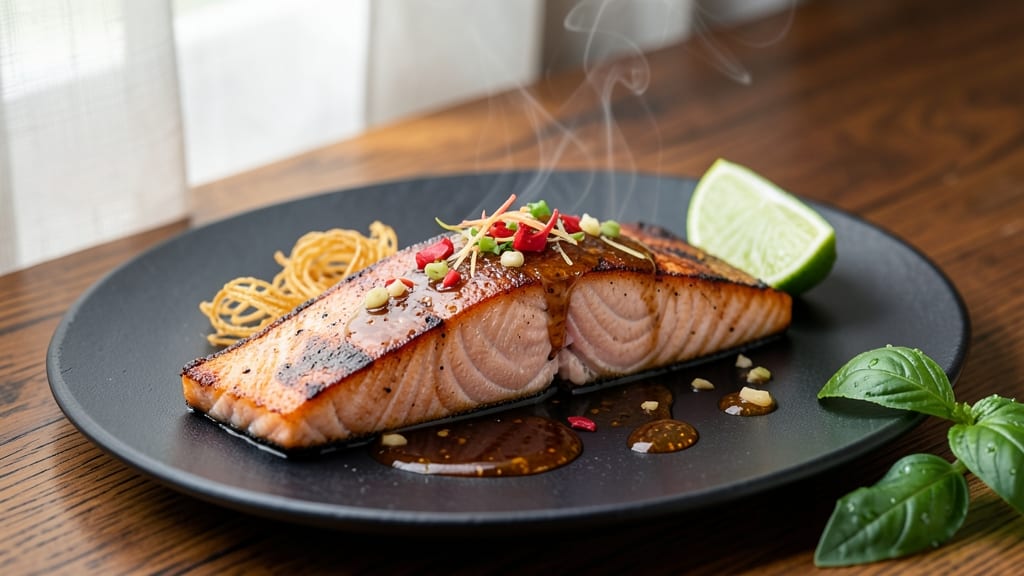
This Asian salmon sauce recipe transforms simple ingredients into a ginger-lime gloss with layers of umami that elevate any dish. The secret lies in balancing sweet, tangy, and savory notes—soy sauce for depth, fresh ginger for warmth, and lime for brightness—all tied together with a silky sesame finish.
I developed this sauce after years of refining restaurant-quality flavors at home, ensuring every drizzle delivers restaurant-worthy impact.
The foundation of this sauce is a simple yet powerful combination of soy sauce, fish sauce, and a touch of miso for that signature umami punch. Fresh ginger and garlic infuse warmth, while lime zest and juice add a zesty lift that cuts through richness.
The sauce thickens slightly as it simmers, creating a glossy finish that clings beautifully to grilled salmon, noodles, or even stir-fried vegetables.
What makes this sauce truly versatile is its ability to adapt—use it as a drizzle, marinade, or dipping sauce, depending on your needs. The recipe yields about 1 cup, perfect for two servings of salmon or enough to toss with noodles.
Store leftovers in an airtight container in the fridge for up to 5 days, or freeze for longer shelf life.
Pair it with grilled salmon, soba noodles, or steamed vegetables for a meal that feels both elegant and effortless. The sauce’s bright, complex flavors make it a game-changer for weeknight dinners or special occasions. Let’s make it—your taste buds will thank you.
Ingredients for asian salmon sauce
Nine simple ingredients blend into a restaurant-worthy sauce that transforms any dish.
| Ingredient | Amount | Notes |
|---|---|---|
| Light Soy Sauce 🥢 | ⅓ cup | Kikkoman preferred for balance |
| Fish Sauce 🐟 | 1 tbsp | Red Boat or Three Crabs brand |
| White Miso Paste 🍱 | 1 tbsp | High-quality, smooth texture |
| Fresh Ginger 🌿 | 2 tbsp | Finely grated, aromatic |
| Garlic Cloves 🧄 | 3 cloves | Minced, fresh preferred |
| Lime Juice 🍋 | 2 tbsp | Freshly squeezed, bright |
| Lime Zest 🍋 | 1 tsp | Fine, vibrant zest only |
| Sesame Oil 🫒 | 1 tbsp | Toasted, for aroma |
| Toasted Sesame Seeds 🌰 | 1 tsp | For garnish, optional |
| Honey 🍯 | 1 tsp | Local, mild variety |
| Water 💧 | ¼ cup | For thinning consistency |
The fish sauce and miso are non-negotiable for that signature umami depth. Red Boat fish sauce and high-quality white miso from the Asian market make all the difference—don't skimp. Fresh ginger and garlic? Buy extra—you'll want them on hand for other dishes. The lime zest is what really brightens this sauce, so grab the juiciest limes you can find. Trader Joe's or Whole Foods usually have the best selection for these key ingredients. Toast your sesame seeds in a dry pan for 30 seconds—they add a nutty crunch that elevates everything.
No fish sauce? Soy sauce plus a dash of Worcestershire works in a pinch, but you'll miss that deep umami punch. Miso substitute? White miso powder mixed with water gets close. Short on lime? Lemon juice plus extra zest keeps the brightness. The honey is optional but balances the saltiness beautifully—agave works too if you're avoiding honey. For a smoother texture, blend everything before simmering. If you prefer it thicker, reduce the water slightly.
This sauce keeps beautifully in the fridge for up to 5 days—it actually tastes better after flavors meld. Freeze for up to 3 months in ice cube trays for perfect single-use portions. The sesame oil separates when stored, so give it a quick shake before using. Double the batch if you're serving a crowd—it disappears fast. I always make extra because it's perfect on everything from grilled salmon to noodles, and it reheats beautifully.
Why You'll Love This Recipe
- Pantry Magic: I swear by this sauce—no fancy shopping trips, just what’s already lurking in my cabinet (and fridge). Light soy and fish sauce team up with miso for that umami punch, while ginger and garlic add depth without extra effort. Honestly, I’ve made it with whatever was on hand, and it’s never let me down.
- Umami Bomb: That first bite? The miso and fish sauce create a savory depth that lingers, while the garlic and ginger sing in the background. It’s not just flavor—it’s layered flavor, the kind that makes you pause mid-chew. (Yes, even on a Tuesday night.)
- Double-Duty Sauce: This isn’t just for salmon—drizzle it over noodles, toss with stir-fried veggies, or slather it on grilled chicken. I’ve even used it as a marinade for tofu, and it’s become my go-to for quick weeknight meals. Versatile enough to handle whatever you throw at it.
- Leftovers That Shine: Make a big batch and stash it in the fridge—this sauce only gets better with time. The flavors meld overnight, and it’s still vibrant after a week. Plus, it’s cheap to make; a little goes a long way, so you’re not scrambling to buy more every time you crave it. My secret weapon for lazy days.
Step-by-step instructions for Asian salmon sauce
This sauce delivers bold umami with bright citrus—perfect for glazing salmon or dipping. Let's build it together.
Bloom the Aromatics in Sesame Oil
Heat a small saucepan over medium-low heat and add the 1 tablespoon sesame oil. Let it warm for 30 seconds until fragrant—you'll smell that nutty, toasty aroma that's the sauce's foundation. Add the 2 tablespoons finely grated fresh ginger and 3 cloves minced garlic cloves, then cook for 1-2 minutes until the garlic turns golden and the ginger softens slightly.
Watch the heat carefully—ginger burns quickly. You want it to smell vibrant, not bitter. If the pan starts smoking, reduce the heat immediately. This step develops the sauce's aromatic base that'll shine through later.
Build the Umami Foundation
Add the 0.33 cup light soy sauce and 1 tablespoon fish sauce to the pan. Stir well and let the mixture simmer gently for 2-3 minutes until it reduces slightly and the soy sauce darkens. This reduction concentrates the flavors and removes any raw taste from the fish sauce.
Next, stir in the 1 tablespoon white miso paste and 1 teaspoon honey. The miso will dissolve completely, creating a thick, glossy paste. If it clumps, add 1 tablespoon water and stir until smooth. This is where the sauce gets its signature umami depth and subtle sweetness.
Brighten with Citrus and Finish
Remove the pan from heat and let it cool slightly for 1 minute. Then stir in the 2 tablespoons lime juice and 1 teaspoon lime zest. The acidity will brighten the sauce and cut through the richness. Add the 0.25 cup water and stir until everything is fully combined.
Taste and adjust the balance—need more brightness? Add a splash more lime juice. Too thick? Thin with another tablespoon of water. The sauce should coat the back of a spoon with a glossy sheen and balance sweet, salty, umami, and citrus notes.
Rest and Garnish
Let the sauce sit at room temperature for 10 minutes to allow all the flavors to meld together. This resting period is crucial—it lets the miso develop its full depth and the lime juice mellow slightly.
Before serving, drizzle with a final touch of 1 tablespoon sesame oil and sprinkle with 1 teaspoon toasted sesame seeds. The seeds add texture and visual appeal, while the oil enhances the aroma. This sauce keeps well in the refrigerator for up to 5 days or in the freezer for 3 months—perfect for batch cooking.
Pro Tips For Making Asian Salmon Sauce
- Bloom the Miso First: Stir the white miso into the warm (not boiling) sauce base first—this prevents it from clumping like cement. I learned this the hard way when my sauce turned into a grainy sludge; just a splash of liquid and a minute of whisking does the trick.
- Toast the Garlic Low: Sauté the minced garlic in oil over medium-low heat until it’s golden, not brown—this adds depth without bitterness. After burning two batches, I finally realized high heat turns garlic harsh, and that’s the last thing your salmon needs.
- Balance the Fish Sauce: Add the fish sauce last and taste immediately—it’s salty, and you can’t take it back. Start with half the recipe’s amount, then adjust; I’ve ruined a sauce by overdoing it, and no amount of soy sauce fixes it.
- Use Ginger Zest, Not Paste: Finely grate fresh ginger and use the zest (outer layer) instead of mincing—it’s brighter and less fibrous. I was skeptical until I tried it; now I can’t go back to the mushy stuff from jars.
Best sauces and condiments for this recipe
Grilled Salmon Glaze
Use this sauce as a glossy finish for grilled salmon by brushing it on during the last 3-4 minutes of cooking. The high heat caramelizes the sugars in the honey and ginger, creating a beautiful sheen.
I like to grill salmon skin-side down first, then flip and apply the sauce generously—it bastes beautifully with the fish's natural oils. 🔥
Noodle Tossing Sauce
Toss cooked soba or rice noodles with 1-2 tablespoons of this sauce per serving for instant flavor. The umami from miso and fish sauce clings to the noodles, while the lime zest adds a refreshing pop.
For extra richness, drizzle with 1 teaspoon toasted sesame oil before serving. It’s a game-changer for quick weeknight meals.
Dipping Sauce for Sushi
Thin the sauce slightly with 1 tablespoon water for a lighter consistency, perfect for dipping sushi rolls, edamame, or spring rolls. The balance of sweet, salty, and tangy makes it irresistible. I keep a small bowl of this sauce in my fridge for spontaneous snacking—it’s addictive. 🍣
Stir-Fry Elevator
Add 1-2 tablespoons of this sauce to stir-fries with bell peppers, snap peas, or bok choy in the last 2 minutes of cooking. The lime zest brightens the dish, while the sesame seeds add texture.
For extra depth, stir in 1 teaspoon grated ginger fresh from the pan. It’s a simple way to transform a basic stir-fry into something special.
Marinade for Salmon
Use this sauce as a quick marinade for salmon fillets—coat them and let sit for 15-20 minutes before grilling or baking. The fish sauce and miso tenderize the meat while infusing it with flavor.
I often double the batch for this purpose since it disappears fast. Pair with a sprinkle of toasted sesame seeds before serving for a restaurant-worthy touch. 🌟
Rice Bowl Enhancer
Drizzle 1-2 tablespoons over steamed rice bowls with grilled chicken, tofu, or shrimp for instant umami. The sauce’s glossy texture makes the dish look elegant, while the lime zest keeps it vibrant.
For extra crunch, top with thinly sliced cucumber and scallions. It’s a foolproof way to elevate simple rice bowls.
Nutrition facts
Frequently asked questions
Can I make this sauce without fish sauce?
Yes, but you'll miss that deep umami punch. Replace the 1 tablespoon fish sauce with 1 tablespoon soy sauce plus ½ teaspoon Worcestershire sauce. For extra depth, add ½ teaspoon miso paste to compensate. The sauce will still taste great, just slightly less complex.
How do I adjust the thickness of the sauce?
Start with the ¼ cup water in the recipe, then adjust as needed. Too thick? Thin with 1 teaspoon water at a time until it reaches a glossy, pourable consistency. Too thin? Simmer uncovered for 2-3 minutes to reduce. The ideal texture coats the back of a spoon without being syrupy.
What's the best way to store leftovers?
Store in an airtight container in the fridge for up to 5 days. The flavors actually improve as they meld! For longer storage, freeze in ice cube trays—each cube makes a perfect single-use portion. Thaw overnight in the fridge before using. The sesame oil may separate; just shake before serving.
Can I use this sauce on non-salmon proteins?
This sauce works beautifully with grilled shrimp, chicken, tofu, or even vegetables. The umami-rich base complements seafood and meat equally well. For tofu, marinate it for 10-15 minutes before cooking to maximize flavor absorption. The lime zest adds a refreshing contrast to any protein.
Why does my sauce taste too salty?
Most likely, your fish sauce or soy sauce was saltier than expected. Balance it by adding 1-2 teaspoons honey or lime juice to cut the saltiness. If using low-sodium soy sauce, reduce the fish sauce to ½ tablespoon first. Taste as you go—you can always adjust, but you can't unsalt!