
Sauces & Condiments
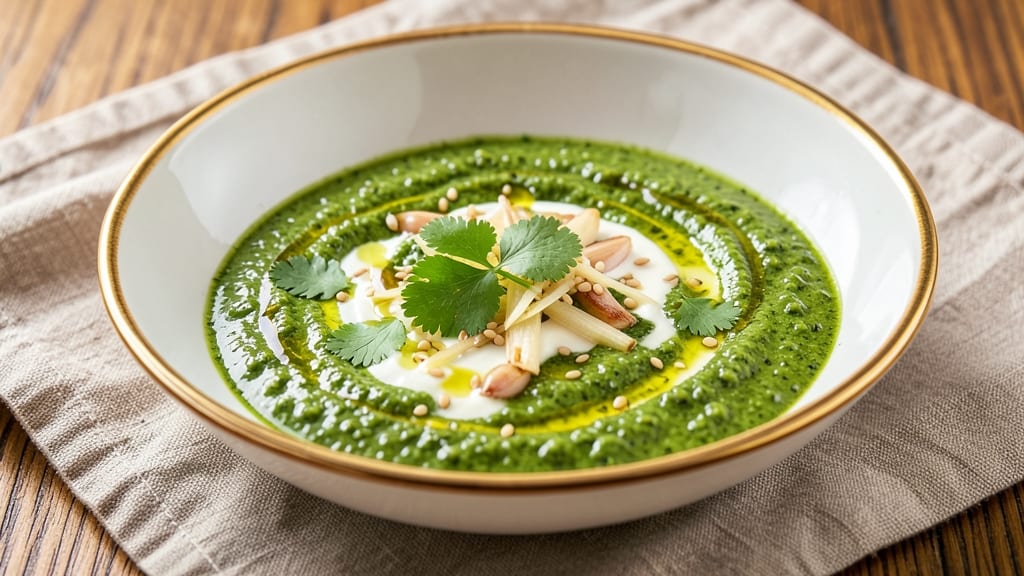
This Asian pesto sauce recipe transforms ordinary meals into vibrant, flavor-packed experiences with its nutty sesame-ginger base and bright herbaceous zing. 🌟 The secret lies in blending toasted sesame seeds, fresh cilantro, and ginger with a touch of garlic and soy sauce, creating a sauce that's both complex and versatile.
Unlike traditional pesto, this version delivers an umami-rich profile that pairs beautifully with everything from grilled proteins to fresh vegetables.
The sauce comes together in just 10 minutes using simple ingredients you likely already have on hand—no special equipment required. Toasted sesame seeds add depth, while fresh herbs bring brightness, and a splash of rice vinegar balances the richness.
The result is a smooth, velvety sauce with a perfect balance of nutty, spicy, and tangy notes that elevates any dish it touches.
Perfect for drizzling over noodles, tossing with stir-fried vegetables, or serving as a dipping sauce for spring rolls, this pesto adapts effortlessly to your favorite Asian-inspired dishes. Store it in an airtight container in the refrigerator for up to 5 days or freeze for longer shelf life.
The possibilities for flavor are endless—let’s bring this vibrant sauce to your table.
Whether you're a home cook looking to elevate weeknight dinners or a seasoned chef seeking a fresh twist on classic flavors, this Asian pesto sauce delivers restaurant-quality results with minimal effort.
The key is freshness—using vibrant herbs and toasted seeds ensures every spoonful is packed with flavor. Ready to transform your meals?
Ingredients for asian pesto sauce
Simple ingredients blend into a vibrant sauce that transforms any Asian-inspired dish instantly.
| Ingredient | Amount | Notes |
|---|---|---|
| Toasted Sesame Seeds 🥜 | ½ cup | Freshly toasted for maximum aroma |
| Fresh Cilantro Leaves 🌿 | 1 cup | Stems removed for smooth texture |
| Fresh Ginger Root 🌿 | 2 tbsp | Finely grated, skin on |
| Garlic Cloves 🧄 | 3 cloves | Minced for smooth consistency |
| Extra-Virgin Olive Oil 🫒 | ½ cup | High quality for richness |
| Rice Vinegar 🍶 | 1 ½ tbsp | Unseasoned for delicate flavor |
| Low-Sodium Soy Sauce 🥢 | 1 ½ tbsp | For umami depth |
| Fresh Lime Juice 🍋 | 1 tbsp | Freshly squeezed for brightness |
| Sesame Oil 🫒 | 1 tbsp | For nutty aroma (optional) |
| Sea Salt 🧂 | ½ tsp | Fine grain preferred |
Toasted sesame seeds are the flavor foundation—toast them in a dry pan for 2-3 minutes until golden and fragrant. Trader Joe's and Whole Foods carry the best quality, but any store's sesame seeds work if they're labeled 'toasted.' Fresh cilantro is non-negotiable here—bright green leaves with no wilting ensure vibrant flavor. Ginger should be young and plump; organic ginger from the produce section works perfectly. The olive oil matters too—look for extra-virgin with a harvest date within the last year for peak freshness. If you can't find rice vinegar, substitute apple cider vinegar, but the flavor will be slightly different.
No fresh ginger? Powdered ginger at half the amount works in a pinch, though it lacks the bright zing. Cilantro stems can be chopped and used—just blend them with the leaves for a slightly thicker sauce. Low-sodium soy sauce is key; regular soy sauce will overpower the delicate balance. Sesame oil is optional but adds that signature nutty aroma—skip it if you're sensitive to strong flavors. For extra heat, add a pinch of red pepper flakes, but the sauce is perfectly balanced as written. The lime juice should be freshly squeezed—bottled juice lacks the same brightness and can make the sauce taste flat.
This sauce keeps beautifully in an airtight container in the fridge for 5-7 days. For longer storage, freeze in ice cube trays—each cube makes one serving. When reheating, add a splash of water to prevent thickening. The sauce tastes even better the next day as flavors meld. Double the batch if you're using it often—it disappears fast. Store sesame seeds in the freezer to preserve their aroma, and keep fresh ginger in a cool, dark place for up to 3 weeks. The herbs are best used within a few days of purchase for maximum freshness.
Why You'll Love This Recipe
- No-Fuss Blender Magic: I swear by this—just pulse cilantro, garlic, ginger, and sesame seeds with olive oil until it’s smooth. No straining, no fuss, and honestly? That nutty toasted sesame aroma alone makes me want to eat it straight from the jar.
- Umami Bomb Combo: The ginger and garlic hit like a flavor grenade, but the cilantro keeps it fresh. Between us, that toasted sesame oil finish? It’s the kind of taste that lingers until the next meal.
- Pantry to Plate: I’ve drizzled this on cold noodles, tossed it with stir-fried greens, and even slathered it on grilled chicken. Honestly, it’s my go-to when I’m staring at a fridge full of random veggies and need something to tie it all together.
- Leftovers That Lie: This sauce keeps for weeks in the fridge, and it only gets better as the flavors meld. I’ll be real: I’ve made a big batch on Sunday, then used it all week—no waste, no stress, just pure convenience.
Step-by-step instructions for Asian pesto sauce
Here's how to blend this vibrant, nutty-sweet sauce in minutes.
👨🍳 Step 1: Toast the Sesame Seeds
Heat a dry skillet over medium heat and add the 0.5 cup toasted sesame seeds. Toast for 2-3 minutes until fragrant and lightly golden—you'll smell that nutty aroma filling your kitchen. Watch closely; they burn quickly once golden. Transfer immediately to a plate to cool slightly while you prep the rest.
This step is non-negotiable for maximum flavor. Freshly toasted seeds release their oils and aroma, giving your sauce that authentic nutty depth. Don't skip it—store-bought toasted seeds won't give the same punch.
🍳 Step 2: Pulse the Base Ingredients
In a food processor, combine the 1 cup fresh cilantro leaves, 2 tbsp fresh ginger root, and 3 cloves garlic cloves. Pulse until finely chopped but not paste-like—you want visible texture, not a smooth puree. This ensures you get that fresh herb zing without losing the vibrant color.
I like to pulse in quick bursts, stopping every few seconds to press the mixture down with a spatula. This prevents overheating the motor and ensures even chopping. The ginger should be completely broken down, but you should still see tiny flecks of garlic and cilantro.
🥘 Step 3: Create the Sauce Base
With the processor running, slowly drizzle in the 0.5 cup extra-virgin olive oil and 1 tbsp sesame oil. Let the machine run until the mixture becomes creamy, scraping down the sides as needed. This takes about 1 minute—don't rush it. The oils should fully incorporate, creating a thick, vibrant green paste.
Here's where the magic happens: the oils emulsify with the herbs, creating that signature pesto texture. If it looks too thick, add 1 teaspoon water at a time until smooth. The sauce should coat the back of a spoon but still hold its shape.
👨🍳 Step 4: Add the Acidic Components
Add the 1.5 tbsp rice vinegar, 1.5 tbsp low-sodium soy sauce, 1 tbsp fresh lime juice, and 0.5 tsp sea salt to the processor. Pulse just until combined—about 5-10 seconds. The acidity brightens the flavors and balances the richness of the oils.
Taste and adjust seasoning. You might need a pinch more salt or a splash more lime juice to achieve that perfect balance between nutty, tangy, and umami. The sauce should be vibrant green with visible herb flecks and a smooth, spreadable consistency.
⏰ Step 5: Finish and Store
Transfer the sauce to a bowl and gently fold in the toasted sesame seeds. This adds that final nutty crunch and visual appeal. Taste again and adjust seasoning if needed. For best results, use immediately, but it'll keep in an airtight container in the refrigerator for up to 5 days.
This sauce is incredibly versatile—drizzle over noodles, use as a marinade, or serve with grilled meats. The fresh herbs and bright flavors make it perfect for spring and summer dishes. Store any leftovers in the fridge, but I promise you'll use it all up!
Pro Tips For Making Asian Pesto Sauce
- Toast sesame seeds dry: I learned this the hard way—popping sesame seeds in a pan with oil turns them greasy and bitter. Instead, dry-toast them in a nonstick skillet over medium heat, stirring constantly until they’re golden and smell nutty. Remove them immediately or they’ll burn faster than you can say "pesto."
- Use a mortar and pestle: Yes, a food processor works, but it dulls the edges of the ginger and garlic, leaving your sauce with a weird, grainy texture. For real depth, pulse the garlic and ginger first, then finish by hand with a mortar and pestle to release their oils properly. It takes 30 seconds longer but makes all the difference.
- Balance the cilantro: Fresh cilantro’s flavor swings wildly—some batches taste like soap, others like perfume. Taste it raw first: if it’s too strong, use 2 tablespoons less; if it’s mild, add 1 tablespoon more. And if you’re using stems (don’t skip them!), chop them finely—they’re more potent than the leaves.
- Add oil in stages: Dumping all the olive oil at once dilutes the flavors. Start with just enough to help the garlic and ginger break down, then add the rest after everything’s blended. The sauce should coat the back of a spoon but still hold its shape—like a thick, glossy river, not a puddle.
Health benefits of this dish
Antioxidant-Rich Herb Power
Fresh cilantro and ginger are packed with antioxidants that combat oxidative stress in your body. The 1 cup cilantro leaves provide vitamin K and vitamin A, supporting blood clotting and immune function.
Meanwhile, the 2 tbsp fresh ginger delivers gingerol, a compound with potent anti-inflammatory properties. Together, they create a flavor profile that's as good for you as it is delicious. 💪
Healthy Fats for Heart Health
The 0.5 cup extra-virgin olive oil in this sauce provides heart-healthy monounsaturated fats, which help lower bad cholesterol levels. These fats also improve nutrient absorption, ensuring your body gets the most out of the other ingredients.
Unlike traditional pesto that relies on dairy, this Asian version keeps it light and cholesterol-free while still delivering rich, satisfying flavor.
Umami Boost Without Processed Ingredients
The low-sodium soy sauce adds umami depth without processed additives. A 1.5 tbsp serving provides a natural flavor enhancer that satisfies cravings while keeping sodium in check. This makes the sauce perfect for those watching their salt intake but still wanting bold flavors.
The sesame seeds also contribute healthy fats and minerals like calcium and magnesium.
Digestive Benefits from Ginger
Ginger isn't just for flavor—it actively supports digestion. The 2 tbsp fresh ginger in this recipe contains gingerol and shogaol, compounds that help reduce nausea and bloating.
It also stimulates saliva and gastric juices, making your meal easier to digest. The slight warmth from ginger enhances the overall digestive benefits of the sauce.
Vitamin C from Lime
The 1 tbsp fresh lime juice provides a bright pop of flavor and a dose of vitamin C. This essential nutrient supports skin health, immune function, and iron absorption from plant-based ingredients.
Fresh lime juice also helps preserve the vibrant green color of the sauce while adding a refreshing tang that balances the richness of the oils.
Low-Calorie, High-Flavor Profile
At just 150 calories per serving (about 2 tbsp), this sauce delivers maximum flavor with minimal calories. The combination of fresh herbs, citrus, and aromatic oils creates a satisfying taste experience without the heaviness of traditional creamy sauces.
It's perfect for those looking to enjoy bold flavors while maintaining a balanced diet. 🌱
Nutrition facts
Frequently asked questions
Can I substitute cilantro with another herb?
Yes! If you dislike cilantro, try basil or mint for a sweeter profile, or green onions for a milder onion flavor. For a stronger Asian taste, use Thai basil or shiso leaves. Just note that the color and aroma will change slightly—cilantro's bright green hue and citrusy notes are unique.
How can I make this sauce spicier?
Add ½ to 1 teaspoon of red pepper flakes or 1 tbsp of sriracha while processing. For heat with depth, blend in ½ tsp of gochugaru (Korean chili flakes) or a pinch of fresh chili paste. Always taste first—you can adjust, but you can't remove heat once added!
Why did my sauce separate?
Separation usually happens when the oils and herbs aren't properly emulsified. To fix it, whisk in 1 tsp of water or rice vinegar at a time until smooth. For prevention, pulse the ingredients in short bursts and scrape down the sides frequently. If using a blender instead of a food processor, blend for 1 full minute to ensure everything combines.
Can I use this sauce as a marinade?
This sauce works perfectly as a marinade for chicken, shrimp, or tofu. Let proteins marinate for 15-30 minutes (longer for tougher cuts). For extra tenderness, add 1 tbsp of honey or maple syrup to the sauce. Always reserve some marinade to use as a glaze after cooking. The ginger and soy sauce will tenderize beautifully!
How can I make this nut-free?
Replace sesame seeds with toasted sunflower seeds or pumpkin seeds for a nut-free version. Use ½ cup and toast them in the same way. For extra richness, add 1 tbsp of tahini to the oil mixture. The texture will be slightly different but still delicious and allergy-friendly!