
Sauces & Condiments
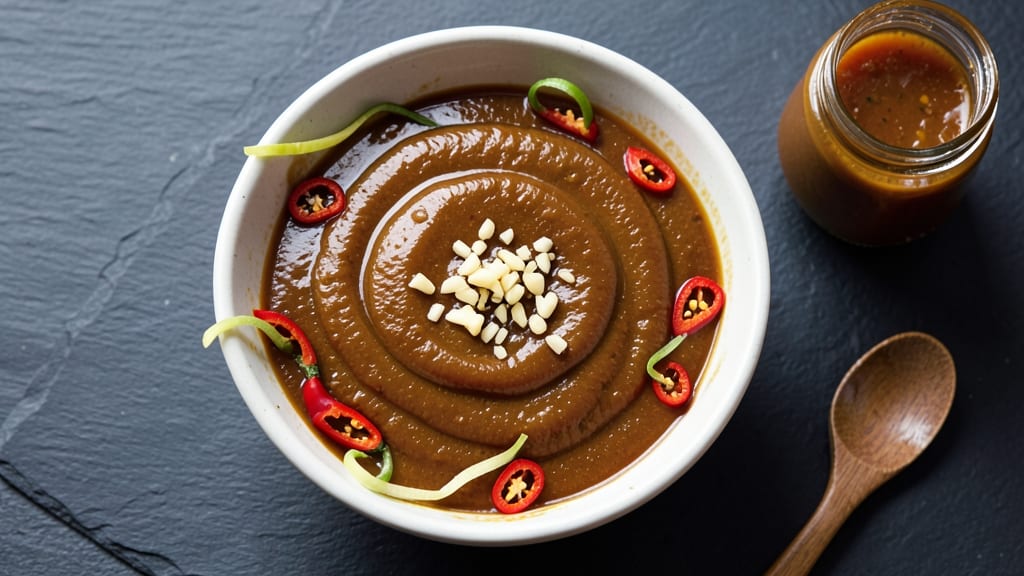
This Asian Cajun sauce recipe bridges two bold flavors—smoky Cajun heat and umami-packed Asian depth—creating a versatile glaze that elevates stir-fries, grilled meats, and even roasted vegetables. The balance of soy sauce, garlic, ginger, and chili delivers a perfect fusion of sweet, spicy, and savory notes that stick to every bite. I developed this sauce after craving a bold, restaurant-quality glaze that didn’t require hours of simmering or complex techniques.
The secret lies in the harmony of ingredients: a touch of honey or brown sugar for sweetness, fish sauce for umami depth, and fresh chili for heat—all blended into a smooth, glossy sauce that caramelizes beautifully when brushed on.
Unlike traditional Cajun or Asian sauces, this fusion delivers layers of complexity without overpowering the dish. It’s foolproof, ready in under 15 minutes, and keeps well in the fridge for up to 2 weeks or freezes for months.
What sets this sauce apart is its adaptability—use it as a marinade for grilled shrimp or chicken, a stir-fry glaze, or even a dipping sauce for spring rolls. The heat level can be adjusted to your preference, and the umami richness ensures every bite is memorable.
Whether you're cooking for a crowd or meal prepping for the week, this sauce transforms ordinary dishes into something extraordinary.
For those who love bold flavors but want control, the recipe includes simple adjustments: swap honey for maple syrup for a deeper caramel note, or add a splash of rice vinegar for brightness.
The result? A sauce that’s as versatile as it is delicious, ready to become your new kitchen staple.
Ingredients for asian cajun sauce
Nine ingredients blend bold Cajun heat with Asian umami for a sauce that's restaurant-quality simple.
| Ingredient | Amount | Notes |
|---|---|---|
| Soy Sauce 🍶 | ½ cup | Light or dark variety preferred |
| Fish Sauce 🐟 | 2 tbsp | Red Boat preferred for quality |
| Honey 🍯 | 3 tbsp | Or sub maple syrup for vegan |
| Fresh Ginger 🌿 | 2 tbsp | Grated or finely minced |
| Garlic Cloves 🧄 | 4 cloves | Minced for smooth texture |
| Fresh Chili 🌶️ | 1 piece | Thai bird's eye for heat |
| Cajun Seasoning 🌶️ | 1 ½ tbsp | Homemade or store-bought blend |
| Sesame Oil 🫒 | 1 tbsp | Toasted for nutty aroma |
| Rice Vinegar 🍶 | 1 tbsp | For brightness (optional) |
| Extra-Virgin Olive Oil 🫒 | 1 tbsp | For smooth finish |
The fish sauce is the game-changer here—Red Boat is my go-to because it’s clean and potent, but any good brand works. Look for bottles that smell fishy but not rotten; that’s your quality indicator. Fresh ginger and garlic? Don’t skip the zest—it adds depth. If you’re using dried chili flakes instead of fresh, cut the amount to half a teaspoon—fresh is way more vibrant. For the Cajun seasoning, I like Tony Chachere’s for that classic kick, but any blend with paprika, cayenne, and garlic powder will do. Sesame oil adds that nutty aroma, but if you’re sensitive to its flavor, use just half a teaspoon.
No fish sauce? Extra soy sauce plus a pinch of sugar mimics the umami, though it won’t be identical. Swap honey for maple syrup if you’re vegan, but add an extra half teaspoon of vinegar to balance the sweetness. Running low on ginger? Ginger powder at half the amount works in a pinch, but fresh is always better. The rice vinegar is optional but adds a bright pop—skip it if you’re using extra vinegar elsewhere in your dish. For heat control, remove the seeds from the chili before blending, or use less than the full tablespoon of Cajun seasoning. This sauce is forgiving, but the balance of sweet, spicy, and umami is key.
Store leftovers in an airtight jar in the fridge for up to 2 weeks, or freeze in ice cube trays for 3 months. The flavors actually deepen over time, so it’s perfect for meal prep. If it thickens, just whisk in a splash of water or broth. I like to make a double batch—one for the week and one to give away. The sauce thickens beautifully when brushed on proteins or veggies, so don’t be shy with it. Just shake or stir before using, as it settles.
Why You'll Love This Recipe
- Pantry Magic: This sauce comes together with stuff I already have—no special shopping needed. Fish sauce and soy sauce? Check. Ginger and garlic? Grow in my windowsill. Honestly, it’s the kind of recipe that makes me feel like I’m cooking with purpose, not stress.
- Umami Bomb: That first hit of garlic and ginger simmering with fish sauce? Chef’s kiss. The honey rounds it out just enough to make it addictive—sweet, salty, funky, all at once. I’ll be real: I’ve drizzled it on eggs, noodles, and even grilled chicken, and no one’s ever asked what’s in it.
- Weeknight Swiss Army: Dinner with friends? A lazy Sunday brunch? This sauce handles it all. Toss it with rice for a quick stir-fry, slather it on spring rolls, or use it to glaze shrimp—it’s my secret weapon when I don’t want to think too hard.
- Leftovers That Shine: Make a double batch and store it in the fridge. The flavors actually deepened after three days—no sad, watery sauce here. Between us, I’ve used week-old portions to jazz up takeout leftovers, and suddenly, it’s the best thing on my plate.
Step-by-step instructions for Asian Cajun sauce
This bold sauce blends smoky Cajun heat with sweet, umami-rich Asian flavors in just minutes.
Prep Aromatics and Base Ingredients
Start by finely mincing the 4 cloves garlic cloves and 1 piece fresh chili - I like to use a small knife for precision here. The chili should be minced with the seeds for maximum heat, but remove them if you prefer milder spice. In a small bowl, whisk together the 0.5 cup soy sauce, 2 tbsp fish sauce, and 3 tbsp honey until the honey dissolves completely. This creates your flavor foundation.
Next, grate the 2 tbsp fresh ginger using a microplane or fine grater. The ginger should be very finely textured so it blends smoothly into the sauce. I find that grating it right before using preserves its fresh, bright flavor better than pre-minced ginger. Keep all prepped ingredients handy - you'll need them all at once in the next step.
Build the Sauce Base on Medium Heat
Heat the 1 tbsp extra-virgin olive oil in a small saucepan over medium heat until shimmering but not smoking. Add the minced garlic and chili, cooking for exactly 30 seconds - this prevents the garlic from burning while still developing its aromatic punch. Immediately add the grated ginger and stir for another 30 seconds until fragrant.
Pour in the soy sauce mixture and bring to a gentle simmer. Let it cook uncovered for 4-5 minutes, stirring occasionally, until the liquid reduces by about one-third. You'll notice the sauce thicken slightly and develop a glossy sheen. This reduction concentrates the flavors and creates that signature sticky texture.
Incorporate Spices and Finish with Oil
Reduce the heat to low and stir in the 1.5 tbsp Cajun seasoning, making sure to break up any clumps. Add the 1 tbsp rice vinegar and 1 tbsp sesame oil, stirring constantly. The vinegar brightens the sauce while the sesame oil adds nutty depth. Taste at this point - you should get a balance of sweet, salty, spicy, and umami notes.
Let the sauce simmer gently for another 2-3 minutes to allow all the flavors to meld together. The final texture should be smooth with a thick, syrupy consistency that clings beautifully to proteins and vegetables. If it's too thick, add 1 teaspoon of water at a time until you reach your desired consistency.
Cool and Adjust Before Using
Remove the sauce from heat and let it cool for 5 minutes - this allows the flavors to settle and prevents any potential heat from cooking your food too quickly when you use it. I always taste it again after cooling as flavors can change slightly when the sauce rests.
If needed, adjust the balance: add more honey for sweetness, fish sauce for saltiness, or a pinch of sugar to mellow the heat. The sauce keeps well in an airtight container in the refrigerator for up to 1 week, making it perfect for batch cooking. Use it to glaze grilled meats, stir-fry vegetables, or drizzle over rice bowls for that perfect Asian Cajun fusion flavor.
Pro Tips For Making Asian Cajun Sauce
- Simmer Low and Slow: This sauce isn’t a race—after adding fish sauce and honey, drop the heat to a bare simmer. I used to blast it and end up with a bitter, overcooked mess. Let it bubble gently for 5-7 minutes so the ginger and garlic mellow instead of turning sharp.
- Peel and Mince Ginger: Skip the pre-grated jar—it’s watery and dull. Use a microplane or knife to finely mince fresh ginger, including the peel. The texture blends smoother, and the extra surface area releases more flavor. (Yes, even if you’re impatient like me.)
- Balance the Salt First: Taste after combining soy and fish sauce—stop if it’s too salty. I learned this the hard way by adding honey too late and ending up with a cloyingly sweet sauce. Adjust salt before sweetening, then fix the balance.
- Toast the Garlic: Sauté the minced garlic in oil for 30 seconds until fragrant but not brown. This removes the raw bite and adds depth. (Does it look weird? Yes. Does it work? Every single time.) Skip this, and the sauce will taste flat.
Pro cooking tips for this dish
Heat Control Mastery
Balancing the heat is key—start with 1 Thai bird's eye chili for medium heat, but remove seeds for milder spice. If you prefer extra kick, add ½ tsp extra Cajun seasoning or a pinch of cayenne.
For those sensitive to heat, reduce to ½ chili or swap in 1 tsp chili flakes. I always taste as I go, adjusting gradually to avoid overpowering the sauce's sweet and umami notes. 🌶️
Umami Boost Secrets
The fish sauce is non-negotiable for depth—Red Boat delivers the cleanest flavor, but Thai Kitchen works in a pinch. For extra umami without fish sauce, add 1 extra tbsp soy sauce plus ½ tsp sugar.
If you're vegetarian, replace fish sauce with 1 tbsp coconut aminos and ½ tsp mushrooms powder. The honey and soy sauce combo naturally enhances the savory notes, so don’t skip reducing them—this step concentrates the flavors beautifully.
Texture Perfection
For a glossy, clingy texture, reduce the sauce by one-third—this takes about 4-5 minutes of simmering. If it thickens too much, whisk in 1 tsp water at a time. For a smoother finish, blend the sauce briefly after cooling (but I prefer the rustic texture from stirring).
The sesame oil adds body, so use it last to preserve its aroma. If the sauce separates, just reheat gently and stir vigorously.
Equipment Shortcuts
No saucepan? Use a small pot or even a heavy-bottomed skillet—just ensure even heat distribution. For faster prep, mince garlic and ginger in a food processor (pulse 2-3 times), but taste before blending to avoid over-processing. A microplane is ideal for ginger, but a fine grater works too.
If you’re short on time, swap fresh chili for 1 tsp chili paste (like Maesri Sriracha), but reduce the Cajun seasoning by ½ tsp to balance flavors.
Flavor Layering Trick
Add rice vinegar last to brighten the sauce, but skip it if you’re using vinegar elsewhere in your dish. For a deeper caramel note, replace 1 tbsp honey with 1 tsp brown sugar during the reduction.
The Cajun seasoning should be broken up completely—use a whisk or fork to avoid gritty bits. If your sauce tastes flat, let it rest 10 minutes before tasting again; flavors meld as it cools. 💡
Nutrition facts
Frequently asked questions
Can I make this sauce without fish sauce?
Yes! For a vegetarian version, replace the 2 tbsp fish sauce with 1 tbsp coconut aminos plus ½ tsp mushroom powder for umami depth. If you're avoiding coconut, use 1 extra tbsp soy sauce and ½ tsp sugar to mimic the savory-sweet balance. The sauce will still be flavorful, though the depth won't be identical to fish sauce.
How spicy will this sauce be?
The heat level depends on your chili choice. With 1 Thai bird's eye chili (seeds removed), it's medium-spicy—like a gentle kick. For milder heat, use ½ chili or swap for 1 tsp chili flakes. Want extra fire? Add ½ tsp cayenne pepper or an extra pinch of Cajun seasoning. Always taste as you go!
Can I use this sauce on raw fish or seafood?
This sauce is best for cooked applications only. The fish sauce and Cajun seasoning contain raw fish enzymes that aren't safe for raw seafood. Use it to glaze grilled shrimp, marinate chicken, or drizzle over cooked fish like salmon or cod. For raw applications, consider a vegetarian-friendly version with coconut aminos and no raw fish components.
Why did my sauce separate?
Sauce separation happens when oils and liquids don't fully emulsify. Stir in 1 tsp cornstarch mixed with 1 tbsp water, then heat gently until thickened. For prevention, whisk constantly during the final 2-3 minutes of simmering. The sesame oil should be added last—this helps stabilize the emulsion. If it happens again, try blending briefly after cooling.
What's the best way to store leftovers?
Transfer to an airtight glass jar and refrigerate for up to 2 weeks. For longer storage, freeze in ice cube trays (thaw as needed) or small containers (up to 3 months). The sauce thickens when chilled—stir or whisk before using. If it develops a skin, simply stir it back in. Pro tip: Label with the date and heat level for easy reference!