
Sauces & Condiments
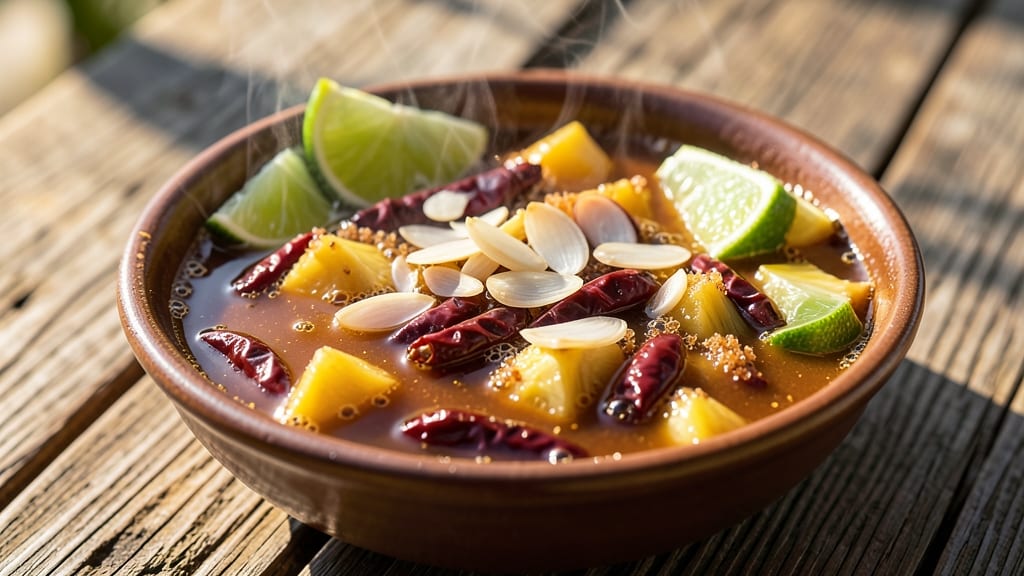
This Aruba hot sauce recipe brings the Caribbean's fiery spirit to your kitchen with a perfect balance of heat and tropical sweetness. ✨ The secret lies in blending Scotch bonnet peppers with fresh pineapple and lime, creating a sauce that's both bold and refreshing—unlike any store-bought version.
I developed this recipe after tasting authentic Aruban hot sauces during a trip, where the vibrant flavors of the island truly shine through.
The magic happens when you ferment the peppers and garlic in vinegar for a few days, allowing their flavors to deepen and mellow slightly. This process creates a smooth, complex base that carries the heat without overwhelming the palate.
Allspice and a touch of brown sugar add warmth and depth, while the pineapple and lime brighten every bite with a tangy sweetness that's uniquely Caribbean.
What you'll end up with is a versatile hot sauce that's perfect for drizzling over grilled meats, seafood, or even tacos. The fermentation process ensures it gets better with age, so you can make a big batch and enjoy it for months.
Each spoonful delivers a burst of island-inspired heat that's balanced, flavorful, and impossible to resist.
Whether you're a hot sauce enthusiast or just looking to add some Caribbean flair to your meals, this recipe delivers restaurant-quality results at home. The best part? You can adjust the heat level to your preference by controlling the number of peppers used. Let's get started!
Ingredients for aruba hot sauce
Nine bold ingredients that bring Aruba's fiery tropical spirit to your kitchen table.
| Ingredient | Amount | Notes |
|---|---|---|
| Scotch Bonnet Peppers 🌶️ | 4 whole | Seeds removed for milder heat |
| Fresh Pineapple 🍍 | 1 cup | Juiced and strained for smooth texture |
| Fresh Lime Juice 🍋 | ½ cup | Freshly squeezed for bright acidity |
| White Vinegar 💧 | 1 cup | Distilled white vinegar preferred |
| Garlic Cloves 🧄 | 6 cloves | Minced for deep flavor infusion |
| Brown Sugar 🍚 | 2 tbsp | Lightly packed for perfect balance |
| Ground Allspice 🌿 | 1 tsp | Freshly ground for aromatic warmth |
| Salt 🧂 | 1 tsp | Kosher salt for flavor enhancement |
| Extra-Virgin Olive Oil 🫒 | ¼ cup | For smooth finish and richness |
Scotch bonnet peppers are the heart of this sauce—look for bright red ones at Latin markets or specialty stores like Whole Foods. They pack serious heat, so adjust the count based on your tolerance. Fresh pineapple is a must for that island sweetness, but Trader Joe's frozen chunks work in a pinch. For the vinegar, distilled white gives the cleanest flavor—avoid apple cider vinegar unless you want a fruity twist. Garlic should be fresh; the pre-minced stuff lacks punch. I always grab extra allspice from Penzeys—it's worth the splurge for that authentic warmth.
No Scotch bonnet peppers? Habanero or Thai bird's eye peppers work, but reduce to 2 peppers for similar heat. Short on pineapple? Mango puree or even a splash of pineapple juice keeps the tropical vibe. Vinegar substitute? Apple cider vinegar or white wine vinegar both work, though the flavor shifts slightly. The brown sugar can be swapped for coconut sugar or maple syrup if you're avoiding refined sugar. For a smokier profile, add 1/4 tsp smoked paprika to the mix. Always strain your sauce—no one wants pepper seeds in their hot sauce!
This sauce gets better with age—ferment for at least 3 days before using, up to 3 months in the fridge. Store in a clean glass jar with a tight seal, shaking gently before each use. For long-term storage, freeze in ice cube trays and transfer to a bag. The heat mellows over time, so make a big batch—you'll want to drizzle this on everything. Label your jar with the date so you remember how amazing it tastes after a month!
Why You'll Love This Recipe
- No Blender Needed: I swear by this—just finely chop the Scotch bonnets and pineapple, then mash the garlic with a fork. No fancy tools, no waiting for the blender to catch up. The texture’s still smooth enough to drizzle.
- Sweet Heat Balance: That pineapple isn’t just for flavor—it cuts the Scotch bonnet’s fire into something playful, not painful. A squeeze of lime right at the end? Sharp, bright, and impossible to resist. (Yes, even on a Tuesday night.)
- Pantry Starter, Crowd Pleaser: Between us, this sauce costs next to nothing to make and disappears fast. Use it to spice up grilled shrimp for a summer BBQ or drizzle it over fried plantains for a quick appetizer. Guaranteed to get seconds.
- Lasts a Week: Honestly, I make a big batch and it’s still vibrant after seven days. The vinegar keeps it from spoiling, and the heat only gets more concentrated. Freeze extras in ice cube trays for single-serving heat boosts later.
Step-by-step instructions for Aruba hot sauce
This fiery tropical sauce comes together in just a few bold steps—let's bring Aruba's heat to your kitchen.
🔥 Step 1: Roast the Scotch Bonnet Peppers
Preheat your oven to 400°F and line a baking sheet with aluminum foil. Place the 4 whole Scotch Bonnet Peppers (seeds removed) directly on the sheet. Roast for 15-20 minutes until the skins blacken and blister in spots—this deepens their smoky, fruity flavor. Real talk: don't rush this step. The charred skins will peel off easily when you're ready.
Transfer the peppers to a bowl, cover with a plate, and let them steam for 10 minutes. The trapped steam makes peeling effortless. Rub off the blackened skins with your fingers—they should come away cleanly, revealing vibrant red flesh underneath. Here's the thing: if you skip roasting, you'll miss that essential smoky depth that makes this sauce truly authentic.
🍳 Step 2: Blend the Base Ingredients
In a blender, combine the roasted Scotch Bonnet Peppers, 1 cup Fresh Pineapple (juiced and strained), 0.5 cup Fresh Lime Juice, and 1 cup White Vinegar. Blend on high for 30 seconds until completely smooth. You're looking for a vibrant red-orange puree with no visible chunks—this ensures a silky sauce. I press down on the lid with a towel during blending to prevent splatter from the hot pepper mixture.
Add the 6 cloves Garlic Cloves (minced), 2 tbsp Brown Sugar, 1 tsp Ground Allspice, and 1 tsp Salt to the blender. Pulse just until combined—you don't want to break down the garlic further than necessary. The sugar and allspice will mellow the pepper's heat slightly while adding complexity. Here's where it gets fun: taste the mixture now. You'll notice the perfect balance of sweet, tangy, and fiery.
🥘 Step 3: Simmer and Infuse the Flavors
Transfer the blended mixture to a medium saucepan and bring to a gentle boil over medium heat. Once boiling, immediately reduce heat to low and let it simmer uncovered for 20-25 minutes. Stir occasionally—you want the sauce to reduce by about one-third, becoming thicker and more concentrated. Watch for the edges to develop a slight crust; this indicates proper reduction and deeper flavor development.
After simmering, remove from heat and let it cool for 5 minutes. This resting period allows the flavors to meld completely. I know it's tempting to taste it hot, but waiting ensures you get the true final flavor profile. The sauce should now have a glossy sheen and be noticeably thicker than when you started.
🍽️ Step 4: Finish with Olive Oil
While the sauce cools, strain it through a fine-mesh sieve into a clean jar or bowl to remove any remaining pulp. This step ensures your hot sauce has that signature smooth, velvety texture. Add the 0.25 cup Extra-Virgin Olive Oil and stir gently to combine. The oil not only adds richness but also helps preserve the sauce and makes it easier to drizzle.
Let the sauce cool completely before tasting. The flavors will continue developing as it sits. Here's the moment that matters: adjust the seasoning if needed. If it's too spicy, add a splash of lime juice; if it needs more balance, add a pinch of sugar. Once perfect, transfer to sterilized bottles or jars. This sauce keeps in the refrigerator for up to 3 months, or you can process it for longer storage. Trust me, once you taste this bright, complex hot sauce, you'll want to have plenty on hand!
Pro Tips For Making Aruba Hot Sauce
- REMOVE SEEDS FROM PEPPERS: I learned this the hard way—leaving even one seed in a Scotch Bonnet turns your bright, fruity sauce into a mouth-on-fire regret. Cut the peppers open, scrape out the seeds and membranes with a spoon, then rinse them in cold water. Trust me, your taste buds will thank you later.
- COOK PEPPERS UNTIL THEY COLLAPSE: Don’t just blister those Scotch Bonnets—get them mushy. Simmer them in the sauce until they’re soft enough to crush between your fingers (about 10-15 minutes). This breaks down the heat and releases their sweetness, making the sauce balanced instead of one-dimensional.
- USE UNDERRIPE PINEAPPLE: Overripe pineapple turns your sauce into a watery mess. Pick firm, slightly green pineapples—they’re sweeter, hold their shape better, and won’t turn your sauce into a syrup. Cut it into chunks, but leave the skin on for easier handling (just peel it off after cooking).
- STRAIN THE GARLIC: I was skeptical until I tried it—mashing raw garlic into hot sauce leaves behind bitter, chalky bits. Instead, sauté the minced garlic until fragrant, then strain it through a fine-mesh sieve. This keeps the flavor without the texture, so your sauce stays silky smooth.
Storing and reheating this dish
Refrigerator Storage
Store your Aruba hot sauce in a sterilized glass jar with a tight-sealing lid—this preserves its vibrant flavors and prevents contamination. I always use amber glass bottles (like those from Ball Mason) to protect the sauce from light degradation.
Keep it refrigerated at 40°F or below for up to 3 months, shaking gently before each use to redistribute any settled oils. The flavors actually deepen over time, so this sauce gets better with age. 💫
Freezer Preservation
For long-term storage, freeze your hot sauce in ice cube trays—this makes it easy to grab single servings later. Once frozen, transfer the cubes to a freezer-safe bag with all air removed to prevent freezer burn.
Label with the date, as it maintains quality for up to 6 months. When ready to use, thaw overnight in the fridge or quickly in warm water. The texture remains smooth, though you might want to stir in a splash of lime juice to revive its brightness after thawing.
Reheating Methods
This sauce doesn’t need reheating—it’s best served at room temperature or chilled. However, if you’ve stored it in the freezer, gently reheat in a small saucepan over low heat for 2-3 minutes, stirring constantly. Never microwave it, as this can break down the delicate flavor balance.
For a quick fix, place the sealed jar in a bowl of warm water for 5 minutes—this gently thaws and warms the sauce without altering its taste. Always taste and adjust seasoning after reheating.
Shelf Life Tips
Watch for signs of spoilage: a sour smell, mold, or unusual texture means it’s time to discard. Properly stored, this sauce will keep its signature tropical heat and complexity for months.
I like to make a large batch—2-3 jars—so I always have it on hand for grilled seafood or tacos. The fermentation process during storage actually mellows the heat slightly, making it even more approachable over time. Trust me, you’ll want to keep it around! ✨
Portion Control
Use a small squeeze bottle (like the OXO Good Grips version) for easy drizzling—this prevents waste and makes serving precise. For meals with multiple components (like ceviche or jerk chicken), divide the sauce into small containers so you can customize heat levels per dish.
If you’re sharing, portion into shot glasses for individual servings at gatherings. This also helps track how much you’ve used over time.
Reviving Flavor
If your sauce tastes flat after storage, revive it by adding 1 tsp fresh lime juice and ½ tsp brown sugar per ¼ cup of sauce. Stir well and let it sit for 10 minutes before using.
The acidity and sweetness will wake up the flavors, making it taste fresh again. For extra vibrancy, add a pinch of ground allspice or a drop of extra-virgin olive oil—both enhance the sauce’s depth without overpowering it.
This trick works wonders for sauces that have been stored for a few months. 🌶️
Nutrition facts
Frequently asked questions
Can I adjust the heat level in this Aruban hot sauce? For milder heat, reduce the Scotch bonnet peppers to 2-3 instead of 4. If you love intense heat, keep all 4 peppers and add 1 extra habanero for extra punch.
What if I can't find Scotch bonnet peppers?
No problem! Use habanero or Thai bird's eye peppers as substitutes, but reduce to 2 peppers for similar heat. For a milder Caribbean flavor, try jalapeños or serranos, but expect less fruity depth. The key is balancing with extra lime juice if using milder peppers. Many Latin markets carry Scotch bonnets frozen—great for emergencies!
How long should I ferment this hot sauce?
Ferment for at least 3 days in the fridge for best results, but up to 2 weeks for deeper flavor. The longer it ferments, the smoother and more complex it becomes. Taste after 3 days—if it's too sharp, let it ferment another 2-3 days. The allspice and sugar will mellow the heat over time, creating that perfect Aruban balance.
Can I make this hot sauce without vinegar?
While vinegar is traditional, you can substitute with white wine vinegar or apple cider vinegar for a different flavor profile. For a non-vinegar version, use extra lime juice (1 cup total) and 1 tbsp lemon juice instead. The acidity is crucial for preserving the sauce and balancing sweetness. Just be aware the texture may be slightly thinner without vinegar.
What's the best way to use this hot sauce?
This versatile sauce shines on grilled meats, seafood, tacos, and even popcorn! Try drizzling over ceviche, jerk chicken, or blackened fish for authentic Aruban flavor. For cocktails, add 1 tsp to piña coladas or mojitos—the pineapple and lime complement perfectly. Start with ½ tsp per serving and adjust to taste. The allspice makes it great for Caribbean-inspired marinades too!