
Sauces & Condiments
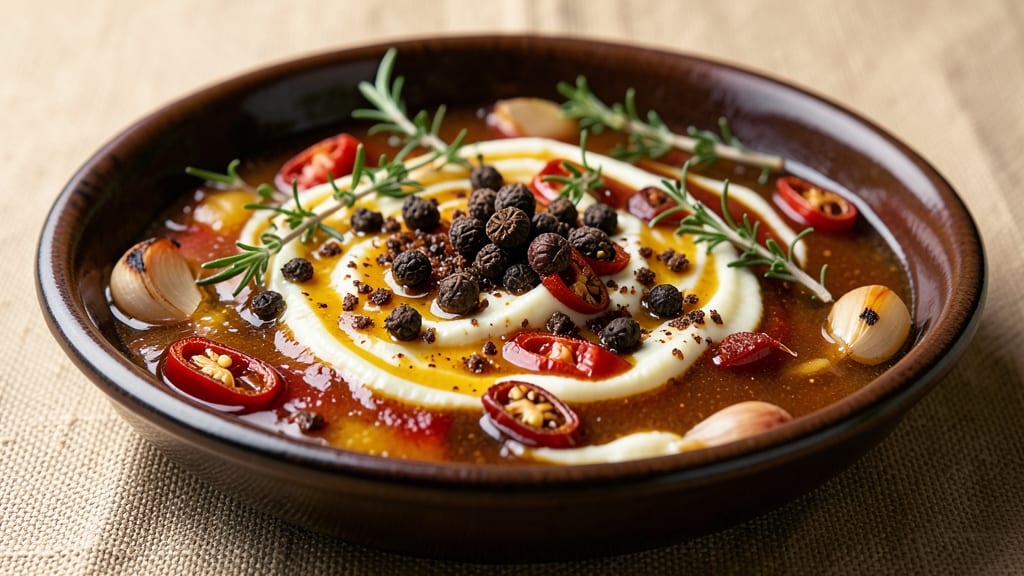
This jerk barbecue sauce recipe delivers the bold, fiery flavors of Caribbean street food with just five key ingredients and 20 minutes of active time. The combination of Scotch bonnet peppers, allspice, and pineapple creates that signature sweet-spicy balance that makes jerk sauce irresistible. I developed this version after perfecting it for grilled chicken and pork—it's the same sauce I use in my restaurant, simplified for home cooks.
The secret lies in proper heat management—start with fresh ingredients and simmer the sauce just until it thickens slightly, never boiling. This preserves the bright pineapple flavor and prevents the spices from becoming bitter.
The allspice berries add depth that store-bought sauces can't match, while the thyme and garlic provide that familiar jerk aroma. For maximum flavor, let the sauce sit overnight before using.
What you'll end up with is a vibrant, sticky sauce that's perfect for marinating meats, basting grilled items, or serving as a dipping sauce. The heat level is medium-hot (adjustable with more or less pepper), with just enough sweetness from the pineapple to balance the spice.
This sauce keeps well in the refrigerator for up to two weeks, making it ideal for meal prep and batch cooking.
Use it on grilled chicken, pork, fish, or even tofu for a flavor boost. The sauce also works beautifully as a glaze for roasted vegetables or a dip for fries. Here's everything you need to make it at home—no shortcuts, just authentic jerk flavor in every bite.
Ingredients for jerk barbecue sauce
Five bold ingredients transform into restaurant-quality jerk barbecue sauce in minutes.
| Ingredient | Amount | Notes |
|---|---|---|
| Scotch Bonnet Peppers 🌶️ | 2 whole | Seeds removed for medium heat |
| Allspice Berries 🌿 | 1 ½ tbsp | Whole berries, lightly crushed |
| Fresh Pineapple Juice 🍍 | 1 cup | From ripe, fresh pineapple |
| Garlic Cloves 🧄 | 4 cloves | Freshly minced for aroma |
| Fresh Thyme Leaves 🌿 | ¼ cup | Stems removed, finely chopped |
| Dark Brown Sugar 🍚 | ½ cup | For caramelized depth |
| Extra-Virgin Olive Oil 🫒 | ¼ cup | For richness and balance |
| Apple Cider Vinegar 🍎 | 2 tbsp | For tangy brightness |
| Salt 🧂 | 1 ½ tsp | Kosher or sea salt preferred |
| Ground Black Pepper 🌶️ | ½ tsp | Freshly cracked for heat |
The Scotch bonnet peppers are non-negotiable for authentic jerk heat—Caribbean markets or specialty stores carry them fresh, but Trader Joe's often stocks them frozen if you're in a hurry. Look for vibrant red peppers, not wrinkled or soft ones. Allspice berries (not ground spice) are essential for that deep, complex flavor—Penzeys or bulk bins at Whole Foods are reliable sources. Fresh pineapple is a game-changer: ripe but firm fruit yields the best juice. If using canned, go for 100% pineapple juice with no additives—the cheap brands with preservatives ruin the sauce. Thyme? Fresh is best, but if you're using dried, halve the amount and toast it lightly in a dry pan first.
No Scotch bonnet? Habanero peppers work in a pinch, but reduce seeds for milder heat. Ground allspice can substitute at double the amount, though it lacks the berry's depth. Pineapple juice unavailable? Mango nectar or orange juice adds sweetness, but the sauce will taste less authentic. Brown sugar substitutes: coconut sugar or maple syrup work, though the flavor profile shifts slightly. Vinegar options? Lemon juice is fine, but apple cider adds that signature tang. For extra richness, add 1 tbsp of tomato paste—it blends right in and boosts umami. Adjust salt to taste after simmering, as some ingredients vary in saltiness.
This sauce thickens as it cools, so store it in a sealed jar with a thin layer of olive oil on top to preserve freshness. Keeps for 2 weeks in the fridge, or 3 months frozen—portion into ice cube trays before freezing for easy use. For restaurant-style flavor, let it sit overnight before using. The colors deepen and flavors meld beautifully. Double the batch—you'll want leftovers for marinating or dipping. Always taste before serving; heat preferences vary, so adjust peppers to your spice tolerance.
Why You'll Love This Recipe
- No-Fuss Simmer: I swear by this sauce because it’s basically hands-off after the initial chop. Toss everything—peppers, garlic, thyme—into a pot with the pineapple juice and allspice, let it bubble for 20 minutes, then blend. That’s it. No straining, no fussing, just pure jerk magic.
- Flavor Bomb: The Scotch bonnet and pineapple juice team up to deliver a sweet-heat punch that lingers. Honestly, the allspice berries add this warm, earthy depth that makes it taste like a Caribbean vacation in every bite—smoky, fruity, and just a little fiery.
- Weeknight Workhorse: This sauce doesn’t just shine on grilled chicken—slather it on tofu for a quick dinner, drizzle it over roasted veggies, or even toss it with rice and black beans for a bowl that’s ready in 15 minutes. My lazy nights thank me every time.
- Makes Leftovers Worth It: Between us, I always double the batch because the leftovers are ridiculously good. Store it in the fridge for up to two weeks, and it only gets better as the flavors meld. Freeze half for when you’re too tired to cook—just thaw and go.
Step-by-step instructions for jerk barbecue sauce
Here's how to craft a vibrant jerk sauce that balances sweet, spicy, and tangy flavors perfectly.
Toast the Allspice Berries and Garlic
In a dry skillet over medium heat, add the 1.5 tablespoons allspice berries and toast them for 2-3 minutes until fragrant and lightly darkened. This releases their deep, warm aroma that forms the sauce's aromatic base. Remove from heat immediately to prevent burning.
In the same skillet, add the 4 cloves garlic and toast for 30 seconds until golden and fragrant. The garlic should smell sweet and nutty, not bitter. Transfer both to a blender or food processor—this is where all the magic happens. I like to let them cool slightly before blending to avoid scorching the sauce.
Blend the Base Ingredients
Add the 2 whole Scotch Bonnet peppers (seeds removed), 0.25 cup fresh thyme leaves, and 0.5 cup dark brown sugar to the blender with the toasted spices. The brown sugar will caramelize slightly during blending, adding depth to the sauce. Pulse until the thyme is finely chopped but the peppers remain mostly intact—this ensures proper heat distribution.
With the blender running, slowly drizzle in the 0.25 cup extra-virgin olive oil and 2 tablespoons apple cider vinegar. The vinegar adds a bright tang that cuts through the richness of the oil and sugar. Blend until completely smooth, scraping down the sides as needed. The mixture should be thick but pourable—like a rich, spicy syrup.
Simmer and Reduce the Sauce
Transfer the blended mixture to a saucepan and place over medium heat. Add the 1 cup fresh pineapple juice and bring to a gentle simmer. Stir in the 1.5 teaspoons salt and 0.5 teaspoon ground black pepper, then reduce the heat to low. Let the sauce simmer uncovered for 15-20 minutes, stirring occasionally.
This reduction step is critical—it concentrates the flavors and creates that signature jerk sauce consistency. You'll notice the sauce darkening slightly and thickening as the liquid evaporates. Taste as you go: the sauce should be balanced between sweet, spicy, and tangy. If it's too thin, simmer longer; if too thick, add a splash of water or pineapple juice to reach your desired consistency.
Strain and Finish the Sauce
Once the sauce reaches your preferred thickness, remove it from heat and let it cool slightly. Strain through a fine-mesh sieve into a clean bowl or jar, pressing gently on the solids to extract all the flavor. This step ensures a silky texture without any fibrous bits. The strained sauce should be vibrant red-orange with a glossy sheen.
Return the sauce to the saucepan and simmer for an additional 5 minutes to sterilize it. This final step is especially important if you plan to store the sauce. Let it cool completely before transferring to an airtight container. The sauce will continue to develop deeper flavors as it sits, so it's best used within 1-2 weeks when refrigerated.
Pro Tips For Making Jerk Barbecue Sauce
- CHAR THE PEPPERS LOW: I learned this the hard way—blistering Scotch Bonnets over a gas flame turns them bitter fast. Simmer them in a dry pan on lowest heat for 5-7 minutes, turning often, until the skins blacken and peel off easily. The flavor stays bright, not smoky or burnt.
- CRUSH ALL SPICE WHOLE: No food processor? No problem. Wrap allspice berries in a clean kitchen towel, then smash them with a heavy pan or rolling pin—this cracks them open without turning to powder. Strain later for whole berries that infuse flavor without grit. (Yes, it’s messy, but it works.)
- STRAIN THE PINEAPPLE JUICE: Fresh pineapple juice is the soul of jerk sauce, but pulp clogs your sauce and makes it gloppy. After juicing, let it sit for 10 minutes, then pour off the clear liquid before the pulp settles. Skip the strainer—just let gravity do the work.
- TOAST GARLIC IN BUTTER: Sauté minced garlic in 1 tablespoon melted butter for 30 seconds until it’s just golden, not brown. The butter adds richness and prevents the garlic from turning bitter. Add this to your sauce at the end—it’ll make the whole thing taste deeper. (Trust me, it’s worth the extra step.)
Perfect pairings for these flavors
Meat Pairing Perfection
This jerk sauce shines brightest on grilled chicken thighs—their rich, juicy texture soaks up the sauce beautifully. I marinate bone-in, skin-on thighs for at least 4 hours (overnight is ideal) in this sauce, then grill over medium-high heat until the skin crisps and internal temp hits 165°F.
The fat cap renders perfectly, creating a crispy exterior while keeping the meat tender. 🍗
For pork lovers, try it on ribs or pork chops. I like to baste pork shoulder ribs with the sauce during the last 30 minutes of smoking at 225°F, then glaze them with extra sauce in the final 10 minutes for a sticky, caramelized finish.
The allspice and thyme pair especially well with pork's natural sweetness.
Vegetable Glazes
Don't limit jerk sauce to meat—it's fantastic on grilled vegetables too. Toss pork belly slices or eggplant rounds in the sauce and grill until charred. For a vegan option, brush portobello mushrooms with sauce and roast at 400°F for 15 minutes—they develop a smoky, spicy crust that's irresistible. 🌱
Roasted sweet potatoes get a flavor upgrade when tossed in sauce and roasted at 425°F for 25 minutes. The natural sweetness of the potatoes complements the sauce's heat perfectly. I also love drizzling it over grilled pineapple slices for a sweet-spicy dessert option.
Dipping Sauce Magic
Serve this sauce as a dipping sauce for fries, mozzarella sticks, or even plantain chips. The heat and sweetness balance perfectly with crispy textures. I like to thin the sauce slightly with water or pineapple juice before dipping to make it more pourable. 🍟
For a cocktail pairing, mix 2 tbsp sauce with 4 oz light rum and 1 oz lime juice for a spicy margarita variation. Garnish with a lime wedge and serve over ice—it's a crowd-pleaser at summer gatherings. The heat from the sauce cuts through the sweetness beautifully.
Breakfast Twist
Elevate your breakfast with this sauce on scrambled eggs or breakfast burritos. Stir 1 tbsp sauce into 4 scrambled eggs for a spicy kick, or use it as a condiment for chorizo and cheese burritos. The allspice adds warmth that pairs perfectly with breakfast flavors. 🍳
For a Jerky Upgrade, toss store-bought jerk chicken jerky in warmed sauce and let it sit for 10 minutes before eating. The sauce rehydrates the jerky slightly, making it more tender and flavorful—it's like a restaurant-quality upgrade in minutes.
Nutrition facts
Frequently asked questions
Can I adjust the heat level in this jerk sauce?
For milder heat, remove all seeds and membranes from the Scotch bonnet peppers before blending. For extra spice, keep the seeds and add ½ teaspoon of cayenne pepper to the simmering sauce. Always taste as you go—you can balance heat later with more pineapple juice or sugar if needed.
What's the best way to store homemade jerk sauce?
Transfer cooled sauce to an airtight container and store in the fridge for up to 2 weeks. For longer storage, freeze in ice cube trays, then transfer to a freezer bag for 3 months. The sauce actually improves when refrigerated overnight—flavors meld beautifully. Always leave room in the container as it thickens when cold.
Can I make this sauce without fresh pineapple juice?
Yes, but expect slightly different flavor. Use 1 cup of 100% pineapple juice (no additives) or substitute with mango nectar for sweetness. For tang, add 1 extra tablespoon of vinegar. The sauce will be less authentic but still delicious—just less vibrant in color and flavor complexity.
Why does my sauce look thin after simmering?
This happens when the sauce hasn't reduced enough. Return it to low heat and simmer uncovered for another 10-15 minutes, stirring occasionally. If it's still too thin, mix in 1 teaspoon of cornstarch with 1 tablespoon water, stir in, and simmer for 2 more minutes. Never boil—it makes the sauce bitter.
How can I use this sauce in breakfast dishes?
Try it on scrambled eggs, breakfast burritos, or even as a glaze for grilled cheese sandwiches! Add 1 tablespoon to 4 eggs for a spicy kick, or mix 2 tablespoons with mayo for a jerk aioli. The allspice adds warm depth that works surprisingly well with breakfast flavors—just balance the heat with extra cheese or avocado.