
Sauces & Condiments
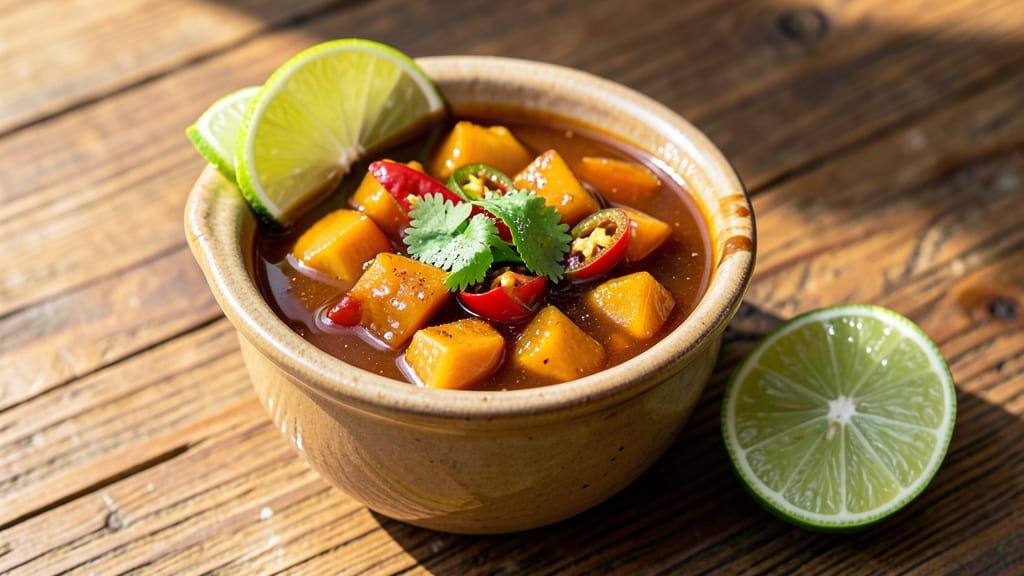
This Aruba papaya hot sauce recipe brings the island's fiery tropical flavors to your kitchen with a perfect balance of sweet, tangy, and spicy. The secret lies in fermenting fresh papaya with Aruban chili peppers and citrus, creating a condiment that's both vibrant and complex.
I developed this recipe after discovering how Aruban cooks transform their ripe papayas into bold, shelf-stable sauces that elevate everything from grilled meats to fresh ceviche.
The process combines traditional fermentation techniques with simple pantry ingredients like apple cider vinegar and brown sugar to enhance the natural sweetness of the papaya while building depth.
What makes this sauce special is the way the tropical fruit's enzymes work with the heat of the peppers over time, creating a smooth, velvety texture with layers of flavor that develop with each use.
The addition of fresh lime juice and cilantro at the end brightens the sauce and connects it directly to Aruba's coastal cuisine.
By the time you're done, you'll have a hot sauce that's ready to transform your favorite dishes with its unique tropical heat. The sauce keeps well in the refrigerator for up to three months, making it perfect for stocking your pantry or gifting to fellow spice enthusiasts.
Whether you're drizzling it over tacos, mixing it into marinades, or using it as a dip for chips, this Aruba-inspired creation delivers restaurant-quality flavor with a homemade touch.
What sets this recipe apart is its versatility - the balance of sweet and heat makes it adaptable to both mild and bold dishes. The fermentation process creates natural preservation, so you won't need to worry about additives or artificial preservatives.
Let's create this vibrant, flavor-packed condiment that captures the essence of Aruba in every drop.
Ingredients for aruba papaya hot sauce
Tropical fruit meets fiery peppers—just these 10 ingredients capture Aruba's bold flavors.
| Ingredient | Amount | Notes |
|---|---|---|
| Ripe Papayas 🍈 | 4 whole | Firm but yielding when ripe |
| Aruban Chili Peppers 🌶️ | ½ cup | Dried or fresh, seeded |
| Apple Cider Vinegar 🍎 | ½ cup | Unfiltered preferred |
| Brown Sugar 🍯 | ¼ cup | Light or dark |
| Fresh Lime Juice 🍋 | ¼ cup | Freshly squeezed |
| Fresh Cilantro 🌿 | ¼ cup | Chopped stems included |
| Garlic Cloves 🧄 | 4 cloves | Minced for depth |
| Salt 🧂 | 1 tsp | Kosher or sea salt |
| Black Peppercorns 🌶️ | ½ tsp | Freshly cracked |
| Water 💧 | ½ cup | Filtered preferred |
Papayas are the heart of this sauce, so grab the ripest ones you can find—they should yield slightly when gently pressed. Latin markets often have the sweetest varieties, but any ripe papaya works. For the chili peppers, Aruban Scotch Bonnet peppers are ideal, but any hot pepper (like habanero or Scotch Bonnet) will bring the heat. The vinegar and brown sugar combo is what creates that perfect sweet-spicy balance—don't skimp on either. I always double-check my vinegar is unfiltered, as it adds extra depth to the sauce.
No Aruban peppers? Scotch Bonnet or habanero work perfectly—they're the closest in heat and flavor. Short on brown sugar? Coconut sugar or maple syrup are great swaps, though they'll tweak the flavor slightly. Fresh lime juice is non-negotiable for that bright finish, but if you're out, key lime juice works too. For the cilantro, stems included—it's where the most flavor hides. If you're sensitive to cilantro's taste, use parsley instead, but it won't be quite the same tropical experience.
This sauce gets better with time, so ferment it for at least 2 weeks before using. Store it in a clean, airtight glass jar in the fridge—it'll keep for up to 3 months. I always make double batches because it disappears fast. The first week, the flavors are bright and fresh, but after 2 weeks, the heat mellows and the tropical fruit notes deepen. Perfect for gifting—just label it with the date and a little note about how to use it.
Why You'll Love This Recipe
- Sweet & Spicy Magic: The papaya’s natural sweetness and those Aruban chilis play off each other like a dream team—no fancy balance needed. Honestly, the first time I tasted it, I grabbed the jar and didn’t stop until it was empty.
- Five-Ingredient Flex: You’re looking at a blender, a knife, and 20 minutes. Between us, that’s less time than it takes to argue over what to order for takeout. The lime juice brightens everything up while the vinegar ties it all together—no measuring cups required.
- Tropical Everywhere: This sauce turns grilled chicken into a vacation dish, drizzled over tacos like a secret weapon, or even stirred into marinades. I’ll be real: my kids ask for it on their plain rice bowls now. (Yes, even on a Tuesday night.)
- Jar After Jar: Make a big batch—it keeps for months in the fridge and freezes like a champ. Between us, I’ve got three jars in my pantry right now, and I’m not even sorry. The brown sugar caramelizes over time, making it richer with each use. Budget-friendly? More like flavor-for-your-money.
Step-by-step instructions for Aruba papaya hot sauce
Here's how to blend tropical sweetness with fiery heat for a sauce that's as vibrant as Aruba's sunsets.
Prepare and Cook the Papaya Base
Cut the 4 whole ripe papayas in half lengthwise and scoop out the seeds with a spoon. Peel the fruit and dice into ½-inch cubes. Transfer to a medium saucepan and cook over medium heat for 10-12 minutes until the papaya softens and releases its juices—you'll know it's ready when it's tender enough to mash easily with a fork.
Here's the thing—don't rush this step. The papaya needs to break down completely so it blends smoothly into the sauce. If it's still firm after 12 minutes, add the ½ cup water and cook another 5 minutes. The water helps dissolve the natural pectin in the papaya, creating that signature silky texture.
Blend the Papaya Mixture
Transfer the cooked papaya to a blender or food processor. Add the 0.5 cup Aruban chili peppers (seeds removed if using fresh), 4 cloves minced garlic, and 0.25 cup brown sugar. Pulse until the mixture is completely smooth—you want a consistency like thick applesauce. This is where the magic happens; the sugar helps balance the heat while caramelizing slightly during cooking.
Taste the mixture at this stage. You'll notice it's sweet and slightly spicy, but not yet fully developed. That's perfect—we're building flavor layer by layer. If the mixture seems too thick, add 1-2 tablespoons of water to help with blending. The goal is a smooth, pourable base before we add the vinegar and lime.
Simmer and Infuse the Sauce
Return the blended mixture to the saucepan and add the 0.5 cup apple cider vinegar and 0.25 cup fresh lime juice. Stir well to combine, then bring to a gentle boil over medium heat. Once boiling, reduce the heat to low and let it simmer uncovered for 15-20 minutes, stirring occasionally. You're looking for the sauce to thicken slightly and develop a glossy sheen—this indicates the flavors are melding together.
During this time, the acidity from the vinegar and lime will help break down the papaya fibers further, creating that signature smooth texture. You'll also notice the sauce deepening in color—this is a good sign! The longer it simmers, the more complex the flavors become. Don't walk away; you'll want to taste it periodically to monitor the balance between sweet, spicy, and tangy.
Finish and Season
Remove the sauce from heat and let it cool slightly for 5 minutes. This cooling period is crucial—it prevents the sauce from continuing to cook when you add the fresh ingredients. While it cools, finely chop the 0.25 cup fresh cilantro (including stems) and coarsely crack the 0.5 tsp black peppercorns using a mortar and pestle or spice grinder.
Once the sauce has cooled enough to handle, stir in the chopped cilantro and peppercorns. Add the 1 tsp salt and taste immediately. This is where you'll adjust the seasoning—you might need more salt to balance the sweetness, or perhaps a touch more lime juice to brighten the flavors. The sauce should sing with tropical fruit sweetness, a slow-building heat from the chilies, and a bright, acidic finish. If it's too thick, thin with a little more water; if too thin, simmer briefly to reduce.
Pro Tips For Making Aruba Papaya Hot Sauce
- Blend in Stages: Start with the papaya and vinegar first—this keeps the heat from overwhelming the fruit right away. Add the chilis last and pulse just until chopped, so they release flavor without turning the sauce into a chili slurry. (I learned this after making a batch where the sauce looked like a red smoothie instead of a bright, textured condiment.)
- Seed Those Chilis: Remove the seeds and membranes from the Aruban chilis before blending—this controls the heat without sacrificing depth. If you’re unsure, leave one seed per pepper in; the rest will make your sauce unusable for anyone with a low spice tolerance. (Yes, I’ve cried over this mistake.)
- Simmer, Don’t Boil: Reduce the sauce over low heat for 10–15 minutes—just until the flavors meld and the sugar dissolves. Boiling burns the papaya’s sweetness and turns the vinegar harsh. Stir occasionally, but don’t stress; this isn’t a race. (Your future self will notice the difference.)
- Strain for Smoothness: After simmering, strain the sauce through a fine-mesh sieve or cheesecloth to remove pulp and seeds. This step makes the texture silky and extends shelf life. Skip it, and you’ll end up with a chunky, ferment-prone mess. (I’ve been there—trust me.)
Troubleshooting great aruba papaya hot sauce
Fermentation Failures
If your sauce develops an off smell (like vinegar or rotten fruit) during fermentation, it means bacteria or mold has taken over. This usually happens when you don't use a clean airtight glass jar or leave it at room temperature too long.
I always sanitize my jars with hot soapy water and a quick rinse with vodka before filling. For extra safety, add ½ tsp of salt per quart to inhibit unwanted microbial growth while fermentation happens. 💡
Mold Growth
Surface mold is normal on fermented sauces—it's usually harmless and just needs scraping off. However, if you see mold deep inside the jar or the sauce smells sour, discard it immediately. To prevent mold, I press a sterilized plastic wrap directly onto the sauce surface before sealing the jar.
This creates an oxygen barrier while allowing gases to escape. If mold appears, simply skim it off the top layer and store the rest in the fridge—it won't affect the flavor below.
Uneven Heat
If your hot sauce tastes too sweet or too spicy, you can adjust it before fermenting. For extra heat, add 1-2 extra dried chili peppers (like Scotch Bonnet) to the blend before simmering. For more balance, increase the brown sugar to ⅓ cup and reduce the lime juice slightly.
I find that fermenting longer (3-4 weeks) helps mellow the heat naturally while deepening the papaya flavor. Taste test weekly during fermentation to monitor progress. 🌶️
Sauce Too Thin
A runny sauce usually means you didn't cook the papaya long enough to break down its natural pectin. To fix this, simmer the finished sauce uncovered on low heat for 20-30 minutes, stirring occasionally.
For a quicker solution, mix 1 tsp cornstarch with 1 tbsp cold water, stir into the sauce, and simmer 5 more minutes until thickened. If you prefer a thinner consistency, add 1-2 tbsp apple cider vinegar to brighten the flavor while maintaining body. 💧
Papaya Not Ripe Enough
Underripe papaya will make your sauce taste bland and fibrous. Look for fruit that gives slightly when pressed near the stem. If your papaya isn't ripe, speed up ripening by placing it in a paper bag with a banana for 1-2 days.
Overripe papaya (with brown spots) is fine too—just remove the spoiled areas. For extra flavor, I sometimes add 1 tsp ground allspice to the blend to compensate for any lack of sweetness. The key is using papaya that's firm but yielding—this ensures both texture and flavor. 🍈
Fermentation Too Fast
If your sauce ferments too quickly (within 3-5 days), it means the environment was too warm. Store your jar in a cool, dark place (like a pantry) where temperatures stay between 65-75°F.
For slower fermentation, refrigerate the sauce after the initial 48 hours—this pauses the process while still allowing flavor development. I often ferment mine at room temperature for 7 days, then move it to the fridge to let the flavors mature gradually over 2-3 weeks.
This gives you more control over the final heat level. ❄️
Nutrition facts
Frequently asked questions
Can I substitute regular papaya for Aruban papaya?
Yes! While Aruban papayas have a distinct tropical sweetness, any ripe papaya works—just pick the sweetest variety you can find. For extra depth, add ½ tsp ground allspice or a pinch of nutmeg to mimic Aruba's flavor profile. The fermentation process will blend the flavors beautifully.
How spicy will this hot sauce be?
The heat depends on your chili peppers—Aruban Scotch Bonnet peppers deliver moderate to high heat (30,000-50,000 SHU), while milder peppers like jalapeños will make it tamer. For adjustable heat, ferment longer (3-4 weeks) to mellow the flavors naturally, or add more brown sugar to balance the spice.
Do I need to ferment this sauce?
Fermentation isn't required but highly recommended—it develops complex flavors and preserves the sauce naturally. Without fermentation, store it in the fridge for up to 2 weeks and use vinegar as a preservative. The fermented version keeps for 3 months and tastes richer over time.
What can I do with leftover papaya seeds?
Don't toss them! Dry the seeds completely, then grind them into a powder for a unique spicy, nutty seasoning. Use it in marinades, rubs, or even sprinkle on popcorn. For extra flavor, toast the seeds in a dry pan for 2-3 minutes before grinding to enhance their aroma.
Can I make this sauce without a blender?
Mash the cooked papaya with a potato masher, then press it through a fine-mesh sieve to remove fibers. For the chili peppers, finely chop them by hand or use a mortar and pestle. The texture will be slightly rustic but still delicious. The fermentation process will help smooth out any inconsistencies over time.