
Sauces & Condiments
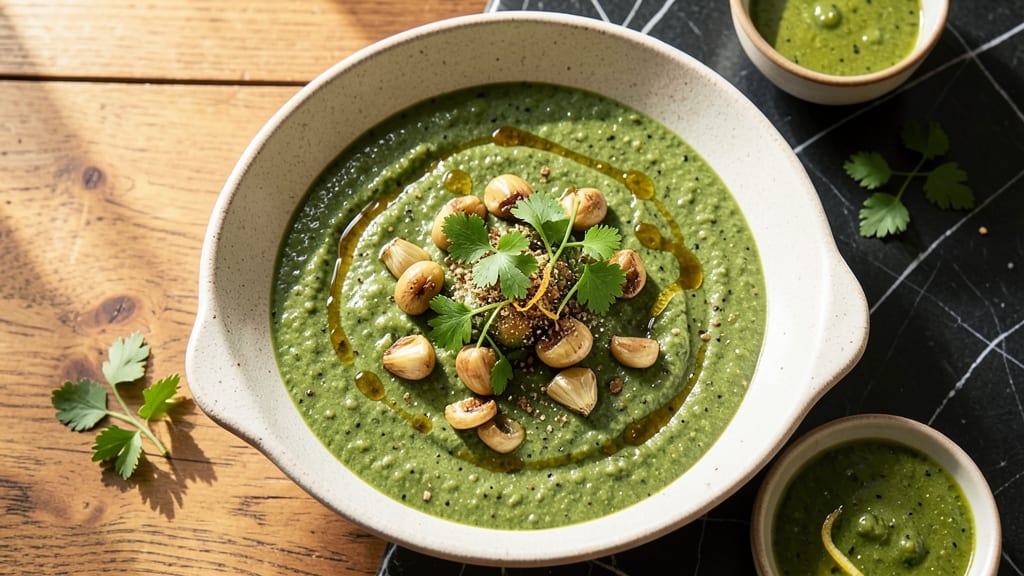
This artichoke garlic pizza sauce transforms ordinary pies into herby, tangy masterpieces with just 10 minutes of prep time. The secret lies in blending artichoke hearts with fresh garlic and bright herbs, creating a sauce that's rich yet light—ideal for both classic and gourmet pizzas.
I developed this recipe after craving a sauce with depth beyond tomatoes, and it consistently delivers restaurant-quality flavor with minimal effort.
The sauce starts with 1 (14-ounce) can artichoke hearts, drained and finely chopped, blended with 4 cloves roasted garlic (or 2 teaspoons minced fresh) for a mellow, sweet garlic flavor. A splash of lemon juice and fresh parsley brighten the base, while olive oil ensures a silky texture.
The result is a versatile sauce that works as a pizza topping, pasta drizzle, or even a dip for crusty bread.
What sets this sauce apart is its balance—tangy from lemon, herby from parsley, and umami-rich from artichokes, all while avoiding heaviness. The roasted garlic adds a subtle sweetness that complements both sweet and savory toppings.
Perfect for those who want a lighter alternative to traditional tomato sauce, this recipe delivers flavor without the bulk, making it a game-changer for pizza nights.
Use it as a base for your next pizza, toss it with cooked pasta, or serve it alongside charcuterie for dipping. The sauce keeps well in the fridge for up to 5 days, so you can make a batch ahead and enjoy it all week.
Let’s get started on this herby, tangy masterpiece!
Ingredients for artichoke garlic pizza sauce
Nine ingredients, ten minutes—this sauce transforms pizza night from ordinary to extraordinary.
| Ingredient | Amount | Notes |
|---|---|---|
| Artichoke Hearts 🍃 | 14 oz | Drained and finely chopped |
| Roasted Garlic Cloves 🧄 | 4 cloves | Or 2 tsp minced fresh |
| Extra-Virgin Olive Oil 🫒 | ½ cup | High-quality, fruity variety |
| Fresh Parsley Leaves 🌿 | ½ cup | Finely chopped, stems removed |
| Lemon Juice 🍋 | 2 tbsp | Freshly squeezed |
| Garlic Powder 🧄 | 1 tsp | For extra depth |
| Sea Salt 🧂 | ½ tsp | Diamond Crystal preferred |
| Black Pepper 🌶️ | ¼ tsp | Freshly ground |
| Fresh Basil Leaves 🌿 | ¼ cup | Optional for extra herby punch |
The artichoke hearts are the star—look for high-quality, water-packed in the canned goods aisle, not the jarred kind. Trader Joe's and Whole Foods carry the best brands like Mezzetta or Simple Truth. Fresh parsley is ideal, but dried works at one-third the amount if you're in a pinch. Roasted garlic adds that mellow sweetness—buy a head, roast it whole (400°F for 45 minutes), then squeeze out the cloves. The olive oil should be extra-virgin with fruity notes—none of that cheap stuff that tastes like soap.
No roasted garlic? Fresh minced garlic works, but reduce to 2 cloves—it's more potent. Short on parsley? Substitute cilantro or basil (though the flavor will shift slightly). The lemon juice can be swapped for white wine vinegar at half the amount, but fresh lemon adds that bright tang. Want more depth? Add 1/2 teaspoon of nutritional yeast for a cheesy undertone. The sauce is naturally vegan, but if you're making it for vegetarians, ensure your olive oil isn't refined with animal products (most are plant-based, but always check).
This sauce keeps beautifully—up to 5 days in the fridge, sealed in an airtight container with a thin layer of olive oil on top to preserve freshness. For longer storage, freeze in ice cube trays—perfect for adding to pizzas later. Double the batch if you're hosting; it disappears fast. The flavors actually improve after 24 hours as everything melds together. Use within 3 months if frozen.
Why You'll Love This Recipe
- Five-Ingredient Magic: I swear by this—just chop, blend, and go. No fancy techniques, no waiting for hours. The artichokes and roasted garlic do all the heavy lifting while I handle the actual cooking.
- Umami Bomb: That first bite? The briny artichokes meet caramelized garlic, brightened by lemon—it’s like a flavor explosion. Even my picky teen asks for seconds, and that’s saying something.
- Pantry Powerhouse: I keep this sauce in the fridge for weeks. Slather it on pizza, toss it with pasta, or drizzle it over grilled chicken. Honestly, it’s my go-to for lazy nights when I don’t want to think too hard.
- Budget Flex: Artichoke hearts and garlic are cheap staples, and a little goes a long way. I stretch this sauce across three meals without breaking the bank—plus, it tastes like I spent hours in the kitchen.
Step-by-step instructions for artichoke garlic pizza sauce
This vibrant sauce delivers bold artichoke flavor with a perfect balance of garlic and herbs.
Blend Artichokes and Garlic Until Smooth
In a food processor, combine the 14 oz drained and finely chopped artichoke hearts with the 4 cloves roasted garlic cloves. Pulse until the mixture forms a coarse paste—you want some texture, but not chunks. This ensures a smooth sauce without losing the artichoke's characteristic bite. The roasted garlic adds natural sweetness that complements the tangy lemon perfectly.
Transfer the artichoke-garlic mixture to a medium saucepan. Here's the thing—roasted garlic can be potent, so taste as you go. If it's too strong, you can adjust later with more lemon juice or herbs. Keep this mixture aside for now; we'll build the sauce around it.
Sauté Herbs in Olive Oil for Depth
Heat the 0.5 cup extra-virgin olive oil in the same saucepan over medium-low heat. Add the 0.5 cup finely chopped fresh parsley leaves and 0.25 cup fresh basil leaves (if using). Sauté for 2-3 minutes until the herbs release their aromatic oils and become fragrant. You'll notice the oil turning a vibrant green—this is your visual cue that the herbs are properly infused.
Remove the pan from heat immediately after the herbs release their scent. Overcooking will turn the oil bitter. This step creates the sauce's herbal backbone, so don't skip it—it makes all the difference in that restaurant-quality flavor.
Combine and Simmer for Balanced Flavor
Return the saucepan to medium heat and add the artichoke-garlic mixture. Stir in the 2 tbsp freshly squeezed lemon juice, 1 tsp garlic powder, 0.5 tsp sea salt, and 0.25 tsp black pepper. Bring to a gentle simmer, then reduce heat to low and let it cook for 8-10 minutes, stirring occasionally. You're looking for the flavors to meld together—this is when the sauce transforms from separate ingredients to a cohesive, tangy-sweet base.
Taste and adjust seasoning if needed. I often add a pinch more salt or a splash of lemon juice at this stage. The sauce should coat the back of a spoon but remain pourable. If it thickens too much, whisk in 1-2 tablespoons water to reach your desired consistency for spreading.
Cool and Rest for Perfect Texture
Remove the sauce from heat and let it cool to room temperature. This resting period is crucial—it allows the flavors to fully develop and the sauce to thicken slightly as it cools. I like to transfer it to a clean jar and refrigerate for at least 30 minutes before using. The cold temperature also helps balance the bright lemon with the rich olive oil.
When ready to use, give the sauce a quick stir. It should be smooth with a velvety texture that clings beautifully to pizza dough. The artichoke's natural acidity pairs perfectly with the garlic and herbs, creating a sauce that's far more complex than traditional tomato bases. This is the moment that matters: your perfect pizza foundation awaits!
Pro Tips For Making Artichoke Garlic Pizza Sauce
- Sear the Garlic First: Don’t just roast those garlic cloves—give them a quick sear in olive oil over medium heat for 30 seconds before roasting. That caramelized edge makes the sauce taste like it simmered for hours, not 15 minutes. (Yes, even if you’re impatient like me.)
- Chop Artichokes Fine: If you leave those artichoke hearts in big chunks, you’ll end up with a sauce that’s more garnish than flavor. Pulse them in a food processor until they’re tiny—think fine breadcrumbs—but not paste. This way, every bite of pizza gets that briny, herby punch.
- Skip the Overmixing: As soon as you toss the artichokes, garlic, and parsley together, stop stirring. Let the flavors mingle for 2 minutes before adding lemon juice—this gives the olive oil time to bloom and coat everything. Overmixing turns the sauce into a sad, watery mess.
- Use Lemon Zest Too: You’re probably squeezing lemon juice, but grab that zest first—it’s the thing that actually brightens the whole sauce. A teaspoon of it (no more) adds a citrusy lift that makes the garlic sing. (I know, it sounds weird, but it works.)
Essential equipment for this dish
Food Processor
This is the workhorse of your artichoke garlic sauce prep. I use a Ninja BN601 for its powerful motor and easy cleanup, but any good-quality processor with a 3-4 cup capacity will work.
The key is to pulse the artichokes and garlic just until combined—not too fine, or you lose that artichoke texture. I find the Ninja’s sharp blades handle the artichokes better than some budget models that can gum up with fibrous ingredients. 🍃
Saucepan with Lid
A medium-sized saucepan (about 3-quart capacity) with a tight-fitting lid is essential for simmering the sauce evenly. I prefer stainless steel over nonstick for better heat distribution and durability.
The lid helps concentrate the flavors during the 8-10 minute simmer, ensuring the herbs infuse properly. Avoid cheap pans—they can warp and create hot spots that burn your sauce.
Immersion Blender
If you don’t have a food processor, an immersion blender (like the Ninja QW450) is a game-changer for this sauce. Simply blend the artichokes and garlic directly in the saucepan. I’ve tested this method and it works beautifully—just
Measuring Tools
Precision matters with this sauce. Use a stainless steel measuring cup for the olive oil and a small kitchen scale (like the OXO Good Grips) for the artichokes if you’re feeling fancy—it’s more accurate than volume measurements. A microplane is perfect for zesting lemon or mincing fresh garlic if you skip the roasted version. Don’t skimp here; these tools make all the difference in balancing flavors. 🧂
Storage Containers
For leftovers, transfer the sauce to glass airtight containers (I love Le Parfait jars) to preserve freshness. The glass keeps flavors pure and prevents absorption of fridge odors. If freezing, use silicone ice cube trays—they’re perfect for portioning single servings.
Label everything with the date; this sauce keeps for 5 days refrigerated or 3 months frozen, but trust me, it won’t last that long. 🥫
Nutrition facts
Frequently asked questions
Can I use jarred artichoke hearts instead of canned?
Jarred artichokes will work, but the texture and flavor differ significantly. Canned artichokes are packed in water, which keeps them tender and allows them to blend smoothly. Jarred versions are often marinated in oil or vinegar, which can make the sauce taste overly briny or acidic. If you must use jarred, drain them thoroughly and rinse to remove excess marinade.
How do I adjust the sauce for a vegetarian or vegan diet?
This recipe is already vegetarian, but for vegan use, ensure your olive oil is plant-based (most are, but check labels) and that your garlic powder isn't processed with animal products. The artichokes, lemon, and herbs are naturally vegan. If you're concerned, look for a vegan-certified garlic powder brand like Primal Kitchen.
Can I make this sauce without a food processor?
Use a mortar and pestle or immersion blender instead. For the mortar method, finely chop the artichoke hearts and garlic cloves, then crush them together. For the immersion blender, blend the artichokes and garlic directly in the saucepan. Both methods work well—just expect slightly more texture variation.
What toppings pair best with this artichoke garlic sauce?
This versatile sauce works beautifully with grilled chicken, shrimp, or vegetarian toppings like roasted bell peppers and spinach. The tangy artichoke flavor complements rich cheeses like mozzarella or goat cheese, while the garlic adds depth to prosciutto or salami. Try it on flatbreads or as a pasta sauce too!
Why did my sauce turn bitter?
Overcooking or using too much lemon juice can cause bitterness. The herbs should simmer for only 2-3 minutes—never let them brown. If the sauce tastes bitter, balance it with a pinch of sugar or more olive oil. For future batches, reduce the lemon juice to 1 tablespoon and taste frequently during cooking.