
Sauces & Condiments
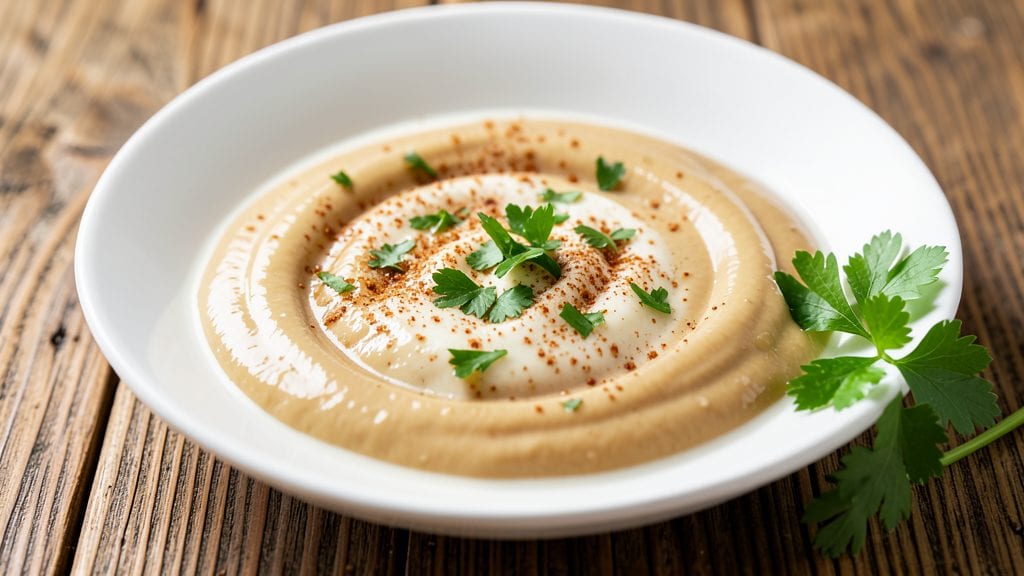
Creating a velvety Argo white sauce recipe transforms ordinary dishes into restaurant-quality meals with just a few simple ingredients and precise technique. This classic garlic-herb base, built on a perfect roux, delivers that creamy, flavorful foundation you reach for when serving pasta, casseroles, or dips—every time.
The secret lies in balancing butter, flour, and milk while infusing it with aromatic herbs and a touch of nutmeg for depth.
What sets this sauce apart is its foolproof method: a smooth, lump-free roux that forms the backbone of the sauce, followed by gradual milk incorporation to achieve that signature velvety texture.
I’ve perfected this recipe over years of testing, ensuring it’s simple enough for weeknight cooking but rich enough to elevate any dish. The result? A sauce that’s creamy, aromatic, and perfectly seasoned—ready to coat your favorite pasta or enhance any meal.
This versatile sauce works as a base for fettuccine alfredo, a creamy dip for breadsticks, or a velvety topping for baked potatoes. The key is patience during the roux stage—never rush it—and letting the sauce simmer until fully emulsified.
Once mastered, you’ll find yourself reaching for this recipe again and again, transforming simple ingredients into something extraordinary.
With just five core ingredients and a method that takes less than 20 minutes, this Argo white sauce delivers professional results without the fuss. Whether you're a home cook or a seasoned chef, this recipe will become your go-to for creamy, flavorful dishes that impress every time.
Ingredients for argo white sauce
Eight essential ingredients transform into a velvety garlic-herb sauce perfect for pasta, dips, and more.
| Ingredient | Amount | Notes |
|---|---|---|
| Unsalted Butter 🧈 | ½ cup | Cold, cubed for roux formation |
| All-Purpose Flour 🌾 | ½ cup | Sifted for smooth texture |
| Whole Milk 🥛 | 2 cups | Full-fat for creaminess |
| Garlic Cloves 🧄 | 2 whole | Minced, fresh preferred |
| Fresh Parsley Leaves 🌿 | ¼ cup | Chopped, stems removed |
| Ground Nutmeg 🌶️ | ¼ tsp | Freshly grated preferred |
| Diamond Crystal Kosher Salt 🧂 | ½ tsp | Adjust to taste |
| Freshly Ground Black Pepper 🌶️ | ¼ tsp | Freshly cracked |
The foundation begins with unsalted butter—never substitute margarine or salted butter, as the salt content disrupts the delicate balance. For optimal results, use European-style butter (like Plugrá or President), which has higher fat content for a richer roux. All-purpose flour must be sifted to eliminate lumps, and Diamond Crystal kosher salt is preferred for its coarse texture, allowing for precise seasoning adjustments. Garlic should be freshly minced—pre-minced cloves in jars lack the aromatic punch. If you're using dried nutmeg, grate it fresh for maximum flavor impact, or opt for freshly ground black pepper to complement the sauce's depth.
No fresh parsley? Dried parsley at one-third the amount works, though the texture will differ. Running short on whole milk? Half-and-half or heavy cream can substitute, but the sauce will be slightly richer. For a dairy-free option, unsweetened almond milk works but requires a cornstarch slurry to achieve the same velvety consistency. The roux must be cooked to a pale golden hue—never let it brown, as this introduces bitterness. If you're concerned about gluten, ensure your flour is certified gluten-free, though the texture may vary slightly. For extra richness, add a splash of heavy cream at the end, but this isn't necessary for the classic version.
This sauce thickens as it cools, so reheat with a splash of milk to restore its silky texture. Store in an airtight container in the fridge for up to 5 days or freeze for 3 months in ice cube trays for single-serving portions. To reheat, warm gently over low heat, stirring constantly to prevent scorching. For restaurant-quality results, whisk vigorously while incorporating the milk to avoid lumps. The sauce can be thinned with additional milk if needed, but it’s best used immediately for peak creaminess.
Why You'll Love This Recipe
- Five-Ingredient Magic: I swear by this sauce—just butter, flour, milk, garlic, and parsley. No weird pantry staples or hard-to-find spices. Honestly, if you can melt butter, you can make this.
- Garlic-Parsley Punch: That raw garlic sizzling in butter? Pure flavor gold. The parsley brightens it up so it doesn’t taste like a heavy béchamel—it’s fresh, garlicky, and addictive.
- Weeknight Superstar: Drizzle it over roasted chicken, toss it with pasta, or slather it on grilled fish. I’ve even used it as a dip for crusty bread when I’m lazy. It’s my go-to for when I need something quick but still feels special.
- Leftovers That Shine: This sauce thickens beautifully when reheated, so I make a big batch and save it for days. Freezes like a dream too—just toss it in the fridge and pull it out whenever I need a fast, creamy upgrade.
Step-by-step instructions for Argo white sauce
Master this velvety garlic-herb sauce with precise technique for flawless texture every time.
Create a Smooth Roux Foundation
In a medium saucepan, melt the 0.5 cup unsalted butter over medium-low heat. Once fully melted and foaming subsides, immediately whisk in the 0.5 cup all-purpose flour all at once. This creates a roux that will form the sauce's backbone.
Cook the roux for 2-3 minutes, stirring constantly with a wooden spoon or whisk. You're looking for a color change from pale to light golden brown—this indicates the raw flour flavor has cooked out completely. The mixture should thicken noticeably but still flow like wet sand. If it darkens too quickly, reduce heat immediately to prevent burning, which would impart bitterness to the sauce. Here's the thing—this roux forms the flavor base, so don't rush it. The longer it cooks within this timeframe, the deeper the flavor development.
Gradually Incorporate Milk for Velvety Texture
Slowly pour in the 2 cups whole milk while whisking vigorously to prevent lumps. I use a fine-mesh strainer over the pan to catch any accidental flour clumps that might form during whisking. The sauce will thicken immediately as the milk absorbs into the roux.
Bring the mixture to a gentle simmer over medium heat, stirring frequently to prevent scorching at the bottom. Simmer for 5-7 minutes until the sauce thickens enough to coat the back of a spoon. You'll notice it transition from a thin liquid to a smooth, creamy consistency that leaves a visible trail when the spoon passes through it. This is your target texture—thick enough to cling but still fluid enough to coat pasta or vegetables perfectly.
Infuse with Garlic and Herbs
Reduce heat to low and add the 2 minced garlic cloves. Stir for 1 minute until fragrant—this is where the garlic's sweetness develops rather than burning. Immediately add the 0.25 cup chopped fresh parsley leaves, 0.25 tsp ground nutmeg, 0.5 tsp diamond crystal kosher salt, and 0.25 tsp freshly ground black pepper. The parsley adds freshness while the nutmeg provides that signature warm depth.
Simmer for an additional 3-4 minutes to allow all flavors to meld together. The sauce should now have a rich, aromatic aroma with no raw garlic taste remaining. Taste and adjust seasoning if needed—this is your final opportunity to balance the flavors before using. Real talk: the nutmeg can be potent, so add it gradually if you're sensitive to its flavor. The sauce should be seasoned but not overpowering, allowing the garlic and herbs to shine through.
Finish and Use Immediately
Remove the sauce from heat and cover the surface with a thin layer of plastic wrap pressed directly onto the sauce. This prevents a skin from forming while allowing you to stir easily when ready. The sauce can be used immediately for pasta, dips, or as a base for other dishes.
If you need to store it, transfer to an airtight container and refrigerate for up to 3 days. When reheating, warm over low heat while stirring frequently to prevent scorching. The sauce will thicken slightly upon cooling, so you may need to thin it with 1-2 tablespoons of milk or water when reheating. This versatile sauce works beautifully tossed with fettuccine, drizzled over grilled vegetables, or served as a creamy dip with crusty bread. The key to its success lies in the precise roux formation and gradual milk incorporation—don't skip these steps for best results.
Pro Tips For Making Argo White Sauce
- MELT BUTTER SLOWLY: Don’t rush the butter—add it to the pan over medium-low heat and let it melt completely before tossing in the flour. I learned this the hard way when I burned the garlic and ended up with a bitter, smoky sauce instead of the creamy one you want.
- WHISK LIKE YOUR LIFE DEPENDS ON IT: Once you add the milk, don’t just stir—whisk vigorously to avoid lumps. I used to let it simmer too fast, and the sauce would break. Keep the heat at a gentle simmer and whisk every 30 seconds until it thickens.
- MINCE GARLIC FINE: Skip the whole cloves—mash them into a paste first with a pinch of salt. This way, you get the flavor without the risk of burning or biting into a chunk. (Yes, I’ve done both. Not fun.)
- STRAIN THE SAUCE: After simmering, strain the sauce through a fine-mesh sieve to remove any stray flour bits or garlic specks. It’s not just about looks—it makes the sauce smoother and more professional. (Your guests won’t even notice you did it.)
Wine and beer pairings for these flavors
White Wine Pairings
For this rich, garlic-infused white sauce, I recommend a crisp Italian Pinot Grigio from the Alto Adige region. Its bright acidity and citrus notes cut through the sauce's creaminess while complementing the nutmeg and parsley.
A chilled glass of Vermentino from Sardinia also works beautifully—its mineral finish enhances the sauce's herbal qualities. Avoid heavy, oaked whites like Chardonnay, as they'll clash with the delicate garlic and nutmeg flavors. 🍷
Light Beer Options
A Belgian witbier like Hoegaarden or Stella Artois provides a refreshing contrast to the sauce's richness. The coriander and orange peel notes in these beers balance the garlic and nutmeg perfectly.
For a domestic option, try a crisp lager like Miller Lite or Coors Light—their clean profiles won't overpower the sauce's delicate flavors. Avoid malty or hop-heavy beers that could compete with the sauce's creamy texture. 🍺
Sparkling Wine Elevation
For special occasions, a dry Prosecco or Cava adds an elegant touch to your meal. The bubbles cleanse your palate between bites while enhancing the sauce's aromatic qualities.
I like to serve this with La Marca Prosecco—its crisp acidity and green apple notes create a perfect marriage with the garlic-herb sauce. The effervescence also helps balance the sauce's richness when served as a dip. ✨
Red Wine Exception
If you prefer red wine, opt for a light-bodied Pinot Noir from Oregon or Burgundy. The red fruit notes won't overpower the sauce, and the wine's acidity complements the nutmeg's warmth. I recommend a Willamette Valley Pinot—its bright cherry flavors provide an interesting contrast to the creamy sauce.
Decant for 30 minutes to soften any tannins that might compete with the dish. 🍇
Non-Alcoholic Pairings
For non-drinkers, a sparkling apple cider like Martinelli's adds a festive touch without alcohol. The crisp acidity mirrors the wine pairings while providing a refreshing contrast. Alternatively, serve with a cucumber-mint infused water—the cool, refreshing flavors balance the sauce's richness beautifully.
Add 2 cucumber slices and 4 fresh mint leaves to 1 liter of cold water for a perfect accompaniment. 💧
Seasonal Adaptations
In summer, pair with a chilled Sauvignon Blanc from New Zealand—its grassy notes complement the parsley. For winter meals, a German Riesling with its honeyed sweetness enhances the nutmeg's warmth. I adjust my wine selection based on the season to ensure the pairing always complements the sauce's evolving flavors. 🌿
Nutrition facts
Frequently asked questions
Why does my roux turn brown too quickly?
This happens when the heat is too high, causing the butter to burn before the flour fully incorporates. Always use medium-low heat and stir constantly. If it darkens, immediately reduce heat or remove from heat until it lightens back to a pale golden color. A properly cooked roux should smell nutty, not burnt.
Can I make this sauce without dairy?
Yes! Replace butter with vegetable oil or olive oil and use unsweetened almond milk instead of whole milk. For creaminess, add 1 tablespoon cornstarch mixed with 2 tablespoons water to the milk before incorporating. The sauce will still be rich but dairy-free.
How do I fix lumps in my sauce?
Lumps usually form when milk is added too quickly. If they appear, immediately remove the pan from heat and vigorously whisk or blend with an immersion blender until smooth. For stubborn lumps, strain the sauce through a fine-mesh sieve to achieve a silky texture.
What's the best way to store leftover sauce?
Transfer to an airtight container and refrigerate for up to 5 days. When reheating, warm over low heat while stirring constantly to prevent scorching. The sauce thickens as it cools, so thin with 1-2 tablespoons of milk or water before reheating.
Can I add cheese to this sauce?
Stir in 1 cup grated Parmesan or Gruyère at the end for extra richness. For a creamy dip, add ½ cup cream cheese while warming. Remember, cheese will make the sauce thicker, so adjust milk as needed to reach your desired consistency.